
At the Nintendo Holiday Preview Event in New York City, I was invited to a limited, behind-closed-doors appointment to go hands-on with the 2026 remake of The Legend of Zelda: Ocarina of Time. I was nine when the original title was released for the N64, and as a little sister, I had access to it some time after that. I remember it fondly as my first proper video game, even if I was knocking on my brother’s door for all the solutions. I was eager to get my hands on the new version, and I am happy to report that The Legend of Zelda: Ocarina of Time is going to be a hit.
Though Nintendo Switch Online lets us revisit childhood titles, the refresh we are seeing on The Ocarina of Time nearly 30 years later is breathing new life into the franchise. Even with titles like Breath of the Wild and Tears of the Kingdom, Nintendo is changing things up with The Legend of Zelda: Ocarina of Time. The visual style is clearly something different, and while they could have done much less and gotten away with it, the company has given the title a complete visual overhaul.
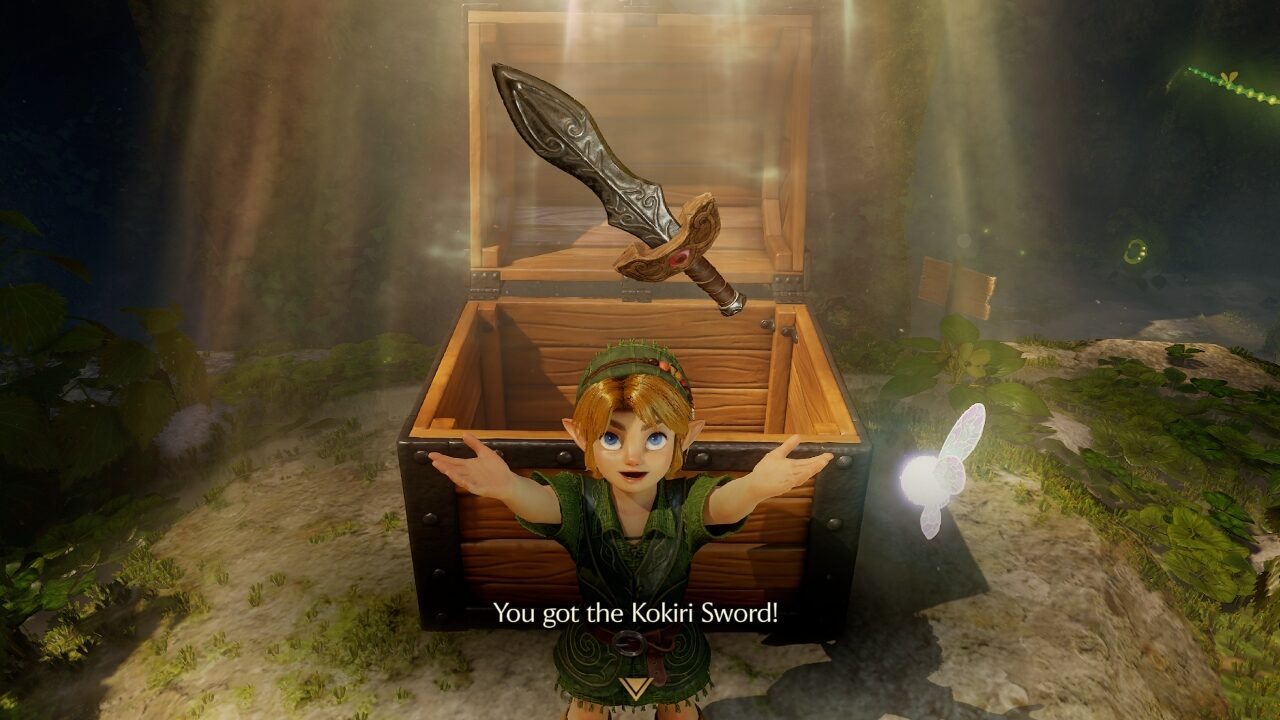
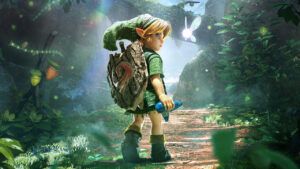
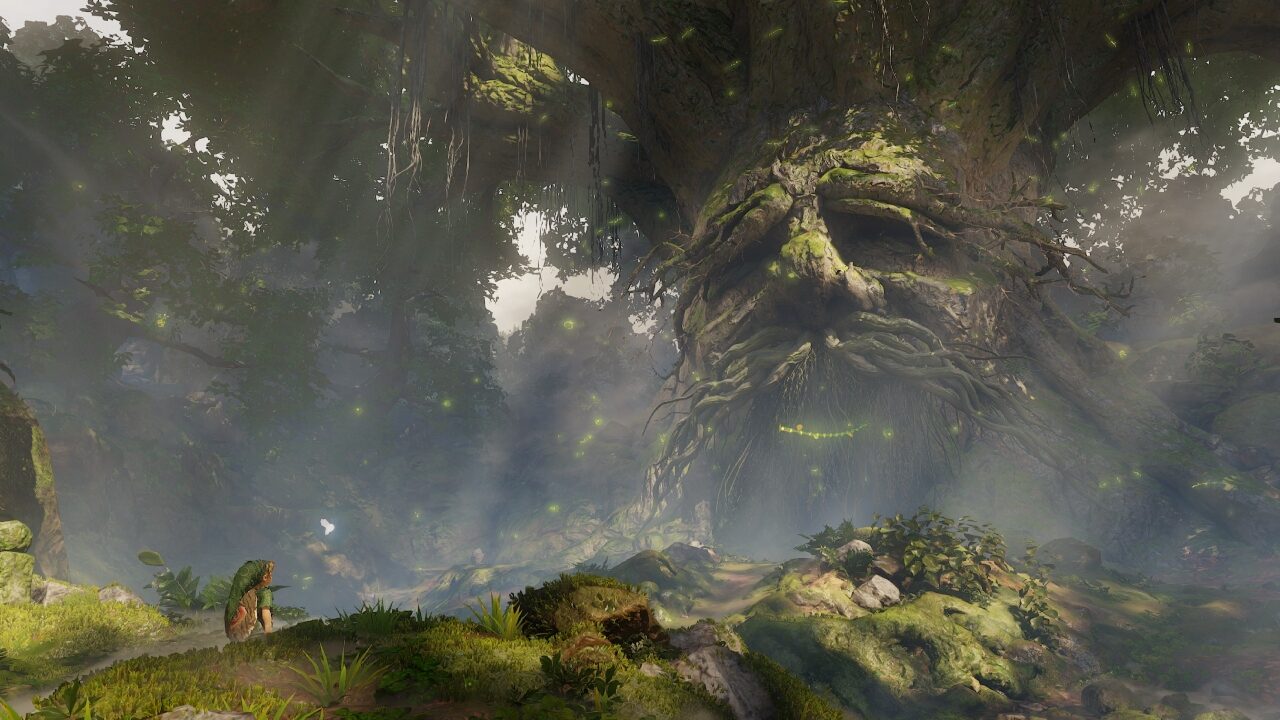
You’ve seen it in the trailer, but The Legend of Zelda: Ocarina of Time gives players a whole new Link that feels more modern. What struck me first was the amount of detail in everything I saw. Whether it was the threads on Link’s tunic, the engravings on the sword, or the texture of his belt, The Legend of Zelda: Ocarina of Time feels more intricate than before. Even when I first entered the world, details like the wood of the Great Deku Tree were beautiful. I came back to the wood a few times and was really impressed.
“I was eager to get my hands on the new version, and I am happy to report that The Legend of Zelda: Ocarina of Time is going to be a hit.”
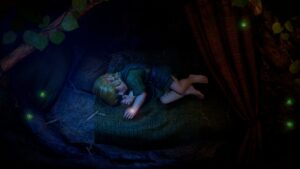
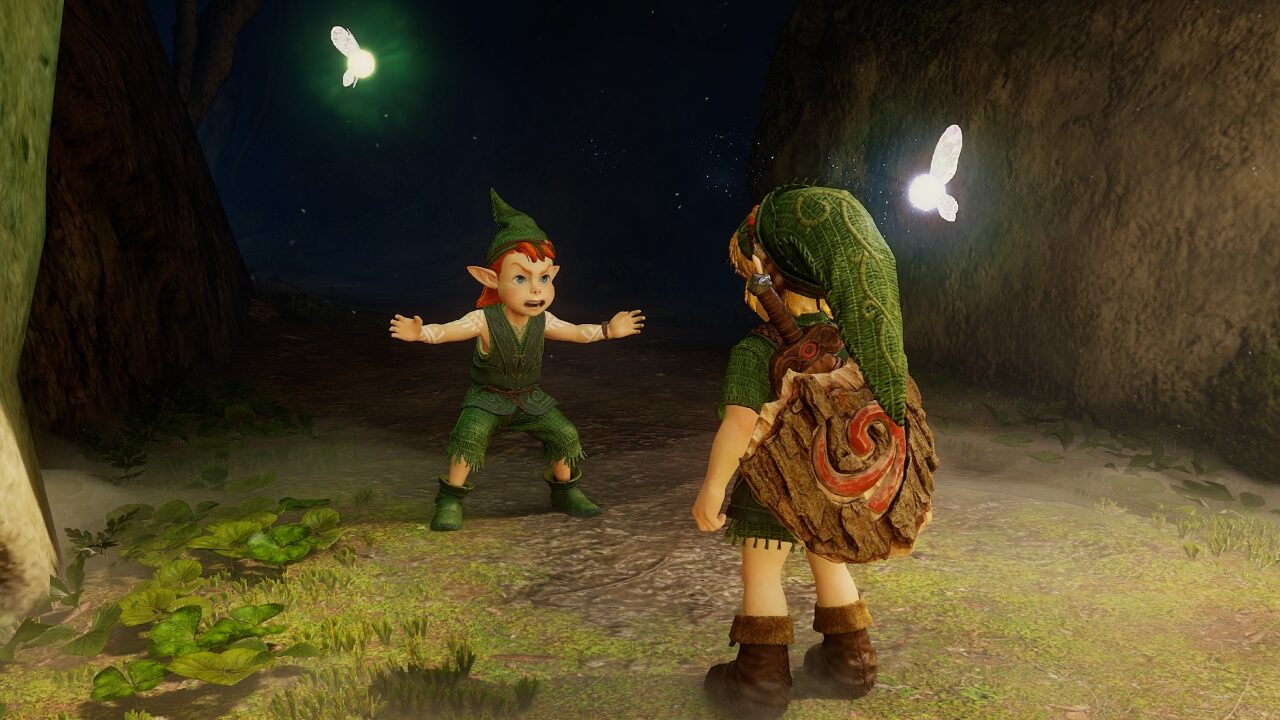
My preview was broken into three sections. The first was when Link meets Navi in the Kokiri Forrest. This was played as Young Link, obviously, and I am obsessed with his cute little cheeks. The Legend of Zelda: Ocarina of Time features voice acting for its characters—not Link, thankfully—including Navi. This is the change that has me on the fence; however, the way Nintendo handles it certainly eases some of my worries.
Something about a voiceless world feels right to me when it comes to The Legend of Zelda. Navi having a conversation with the Great Deku Tree feels strange, and I didn’t even hear her say “Hey, listen!” once! I did appreciate that not every scene is fully voice-acted, and it helps keep the spirit of the game intact. For instance, the Great Deku Tree says one or two sentences to start, then switches to text only. I didn’t see any voiced dialogue outside of cutscenes.
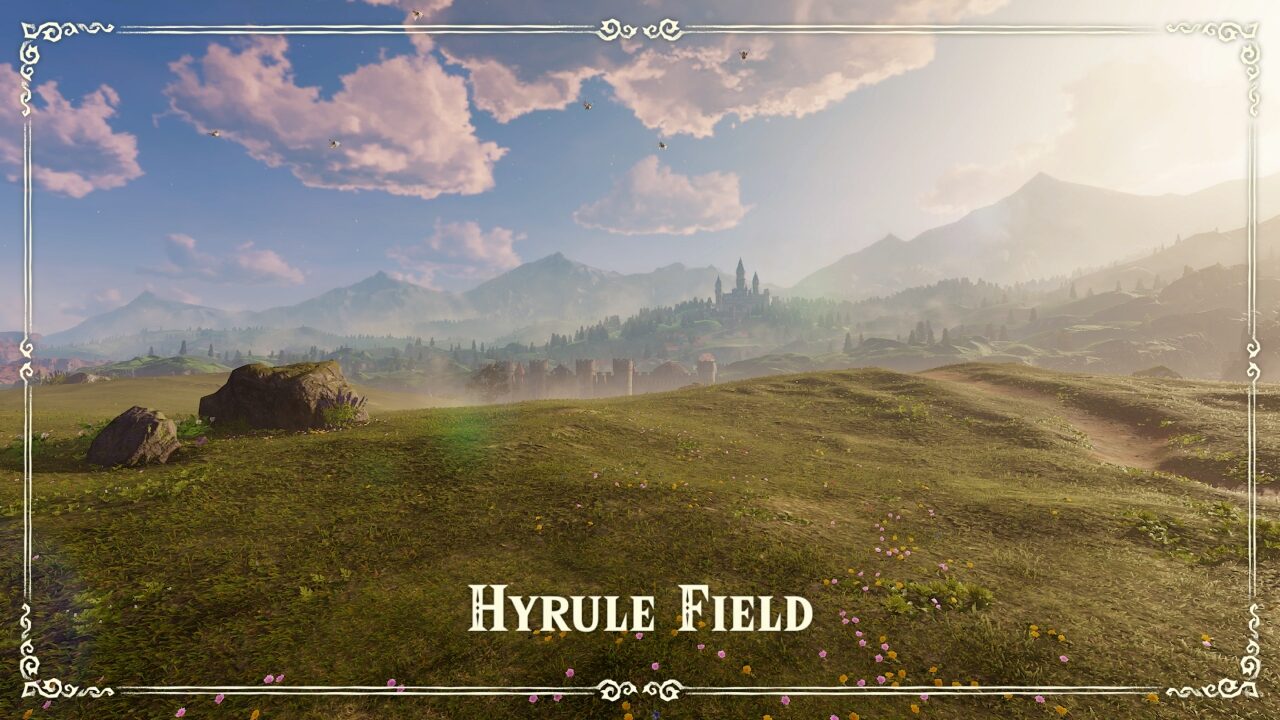
The second section I played through was short but sweet. I was able to make my journey, still as Young Link, into Hyrule Field and then Hyrule Castle Town. When the game cut to the field overview and I saw signature locations off in the distance, it gave me chills. I was running behind, so I didn’t explore much of the field, but I did book it toward the town. Much of what I saw was already in the trailer, but I can attest to Nintendo’s effort in keeping that same feeling from 1998 alive.
In both sections, popular characters were not only still there, but also still performing almost identical actions. The woman with the dog, the dancing couple, and the man running through the town are all still present. A character sitting atop a store in Kokiri Forest, or Mido blocking the entrance to the Great Deku Tree, still making the same side-step motion, stopping you from passing—it all felt so familiar.
What I learned from my discussions at the preview, and from friends looking forward to the game, is that this is both a blessing and a curse. I think some players will expect a one-to-one remaster of The Legend of Zelda: Ocarina of Time, while others will want to shake things up a bit. My memory of the original isn’t solid enough to comment on how much of the story or puzzles are the same or different.
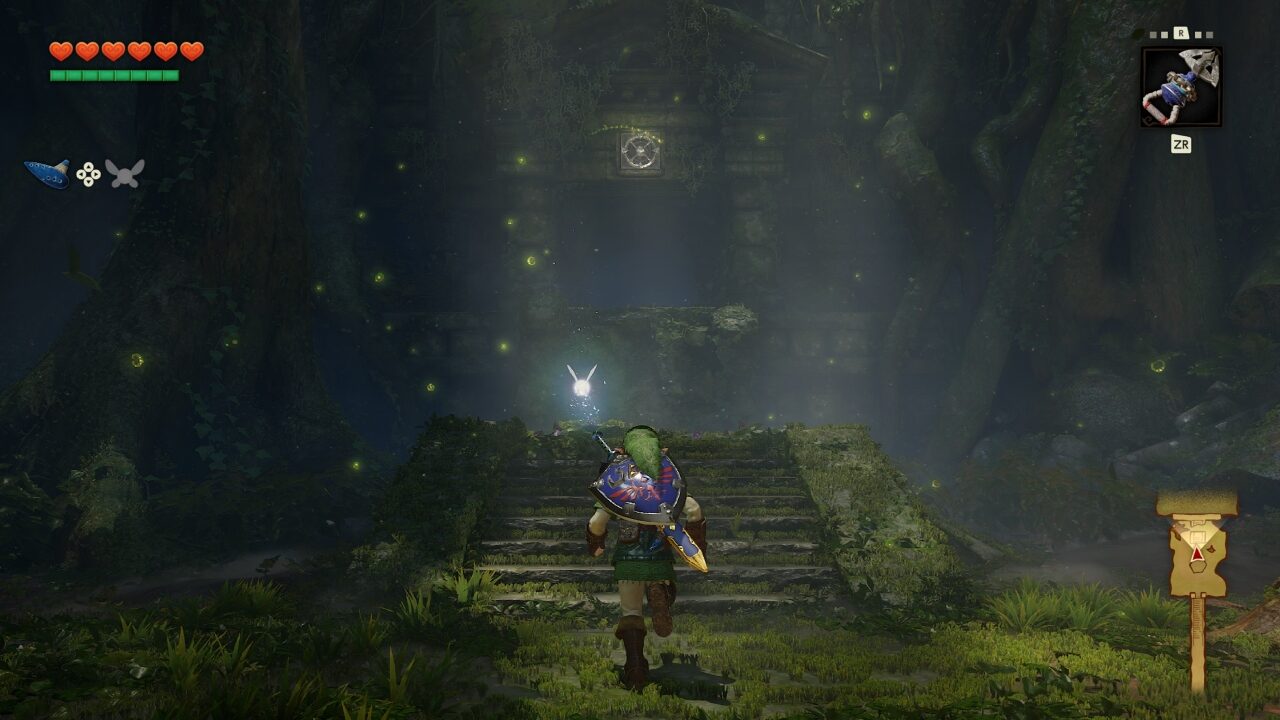
My third section of the game was as Adult Link, heading into the Forest Temple. Though I had some familiar flashes, like four Poes heading to their respective corners, or a long twisting hallway, that is all I recognized here. Link walks into what looks like an old wooden mansion filled with smoke and stained glass accents.
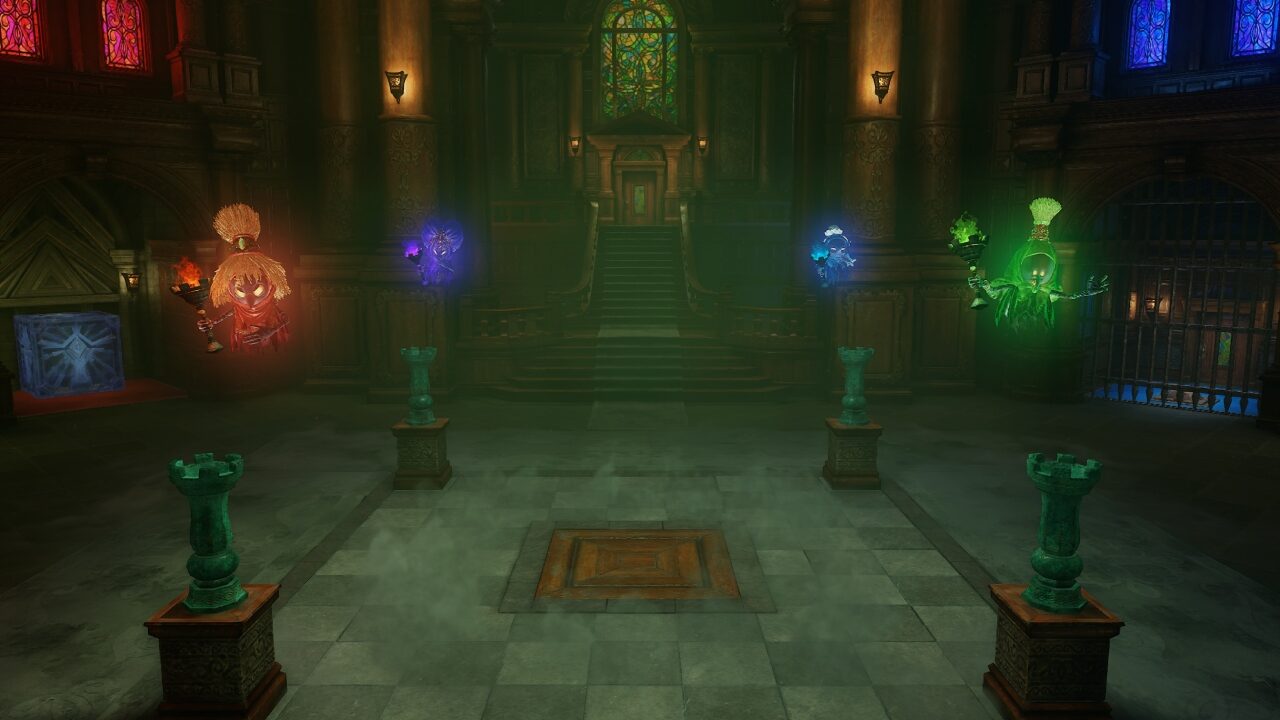
Puzzles involved moving giant blocks, playing the Ocarina, pressure plates, water levels and more. I remembered the long twisting hallway I encountered. Adult Link has many more tools at his disposal, including the grappling hook. After I fought a few shielded skeletons and almost died, suddenly mechanics started flooding back. I used the grappling hook to stun them and then went in with my sword.
“The Legend of Zelda: Ocarina of Time nails these sounds, which brought childhood memories back in an instant.”
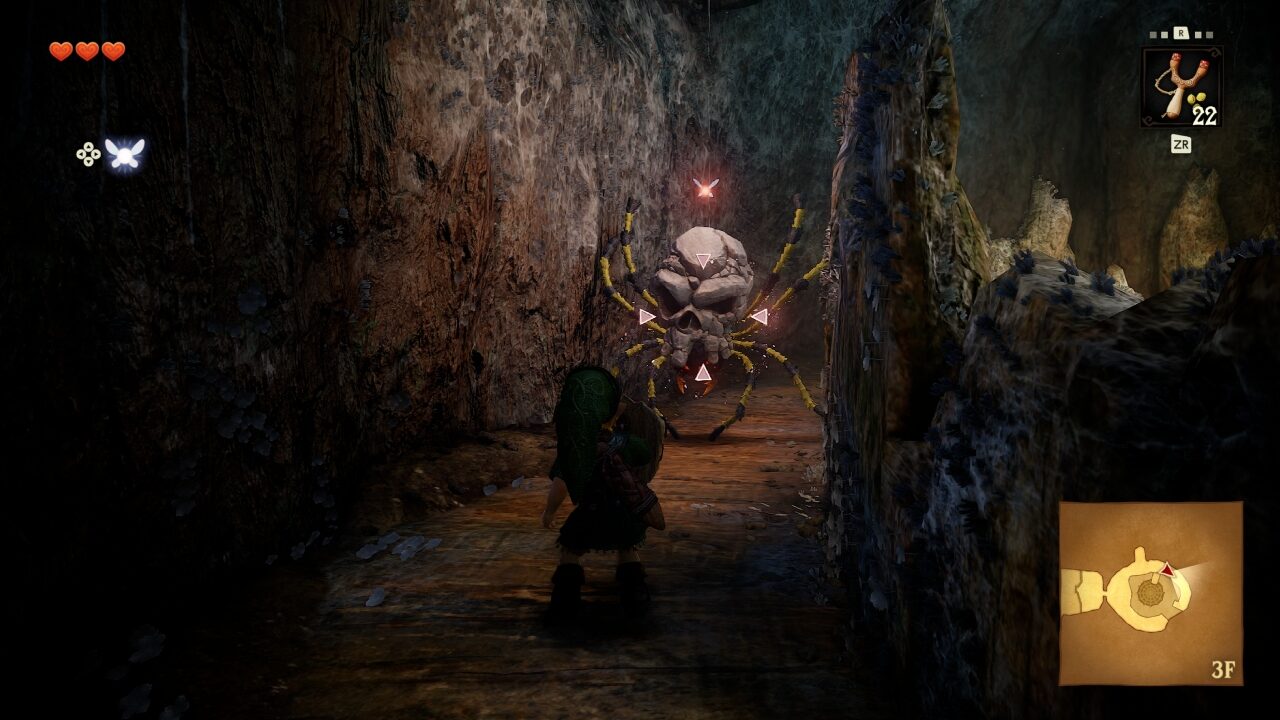
Other familiar enemies included flowers that jut out of the ground and lunge at you to attack (Big Deku Baba), or skull-spiders climbing on vines (Skulltula). A couple of old least-favourites made an appearance too, like the skull-spiders on a thread that drop as you move under them (Big Skulltula), or the hand that crawls on the ceiling and tries to sneak attack you (Wallmaster). Combat felt familiar but fresh, a reboot that makes The Legend of Zelda: Ocarina of Time feel modern.
What impressed me more than anything else in the game—including more than the sprint, though I am very grateful for it—was the sound design. It’s a refresh of something nostalgic, and Nintendo could have really messed it up. Old-school Zelda sounds are iconic, from opening a chest to discovering a new item to smashing a pot. The Legend of Zelda: Ocarina of Time nails these sounds, which brought childhood memories back in an instant.
It got to the point where any time I tried something new, I hyped myself up for how perfect it would sound. Link’s grunt when he jumps or rolls made me smile, and when I opened up the Ocarina menu for the first time, I instinctively started playing Epona’s Song without even realizing it. It is amazing what sticks with you, and I love that Nintendo let us keep that.
But nearly 30 years have passed, and the company can’t rely on a bunch of middle-aged gamers to make their game a best-seller (though I bet we come close). There has to be something here for Gen Z and younger players to latch onto, and I think there are enough upgrades and enhancements to entice younger generations. Yes, the updated graphics help a lot, but quality-of-life features like a quest log of sorts and sprinting bring the game forward in time. It remains to be seen how much more will change, but so far, The Legend of Zelda: Ocarina of Time is heading in the right direction to appeal to both new and old players.
I was very excited to get the chance to play this game ahead of its Nintendo Switch 2 launch on November 5th, 2026. Tears of the Kingdom and Breath of the Wild, though outstanding games, did not resonate with me the same way The Legend of Zelda: Ocarina of Time did during my childhood, and with this new version, it finally feels like my Zelda is back, and I am so ready to jump back in.
The Legend of Zelda: Ocarina of Time releases on November 5th, 2026, for $99.99CAD /$69.99USD.

- Become the Hero of Time and save Hyrule from darkness
- Venture into dungeons, solve puzzles, and travel across time in two different eras to restore balance to the land


- Become the Hero of Time and save Hyrule from darkness
- Venture into dungeons, solve puzzles, and travel across time in two different eras to restore balance to the land