
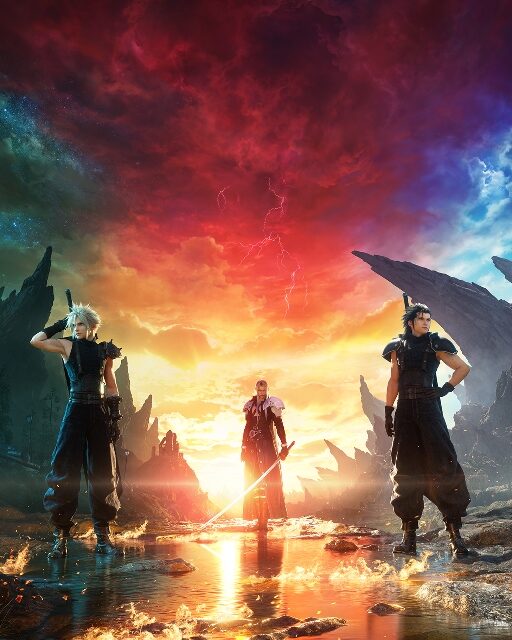

If you’d told me two years ago, upon picking my jaw up off the floor during Final Fantasy VII Rebirth‘s credits, that I’d be playing it on a Nintendo console two years later, I wouldn’t have believed it.
The second part of the Final Fantasy VII Remake trilogy was a technical marvel, engineered as a PlayStation 5 exclusive to utilize all the features of that hardware. Nintendo, on the other hand, has never really bought into the technological arms race, choosing to stay a couple steps back from the cutting-edge and focus on fun, novel experiences instead. They’re two different priorities, and seemed somewhat incompatible.
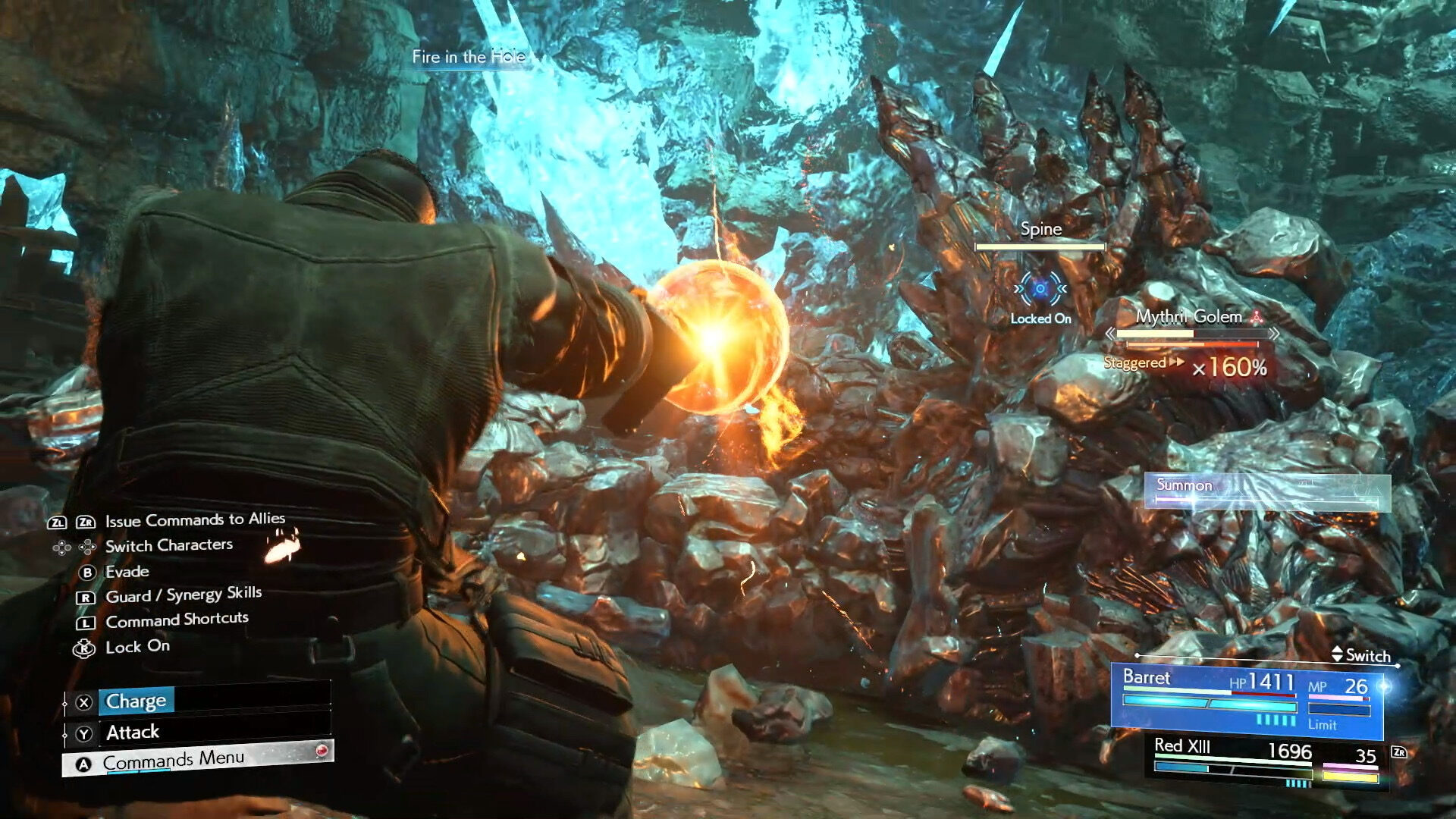
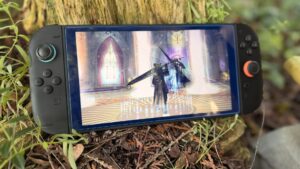
Now, Final Fantasy VII Rebirth has arrived on the Nintendo Switch 2, and to my amazement, it plays wonderfully—but it’s not quite a match for other platforms when it comes to visuals.
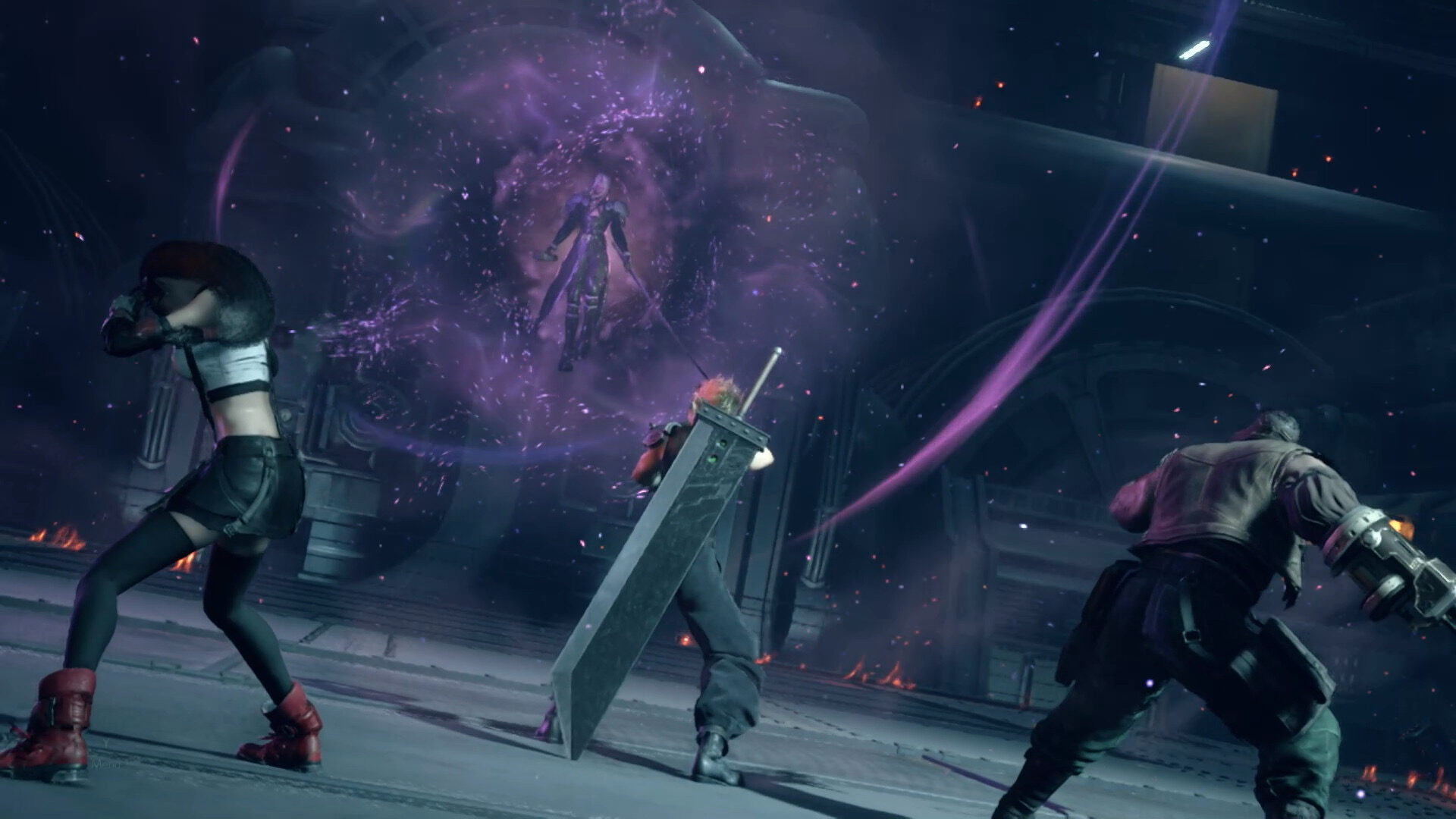
For the uninitiated, Final Fantasy VII Rebirth takes the torch from Remake and continues reimagining the plot of the 1997 classic Final Fantasy VII. The trilogy’s gameplay expands exponentially as it shifts into an open-world approach; instead of the claustrophobic streets of Midgar, the world is largely your oyster. Battles unfold in real-time but with a deft undercurrent of turn-based mechanics, and the story is a sprawling, 70-90 hour affair (plus much more time if you want to accomplish everything).
“Luckily, the graphical issues with Final Fantasy VII Rebirth on the Nintendo Switch 2 don’t negatively impact gameplay itself.”
I’ll just come out and address the elephant in the room: Final Fantasy VII Rebirth is somewhat flawed on Nintendo Switch 2. While all of the things that made the game great on PS5 (and PC) are still here and still great, there are a couple of technical hiccups that hold the experience back from its fullest potential. That being said, these flaws are almost entirely superficial and cosmetic.
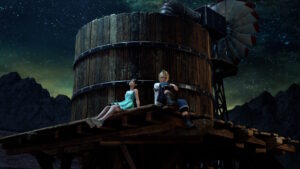
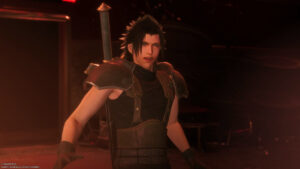
In docked mode, Final Fantasy VII Rebirth looks comparatively great, depending on the mode of gameplay or animation. Any spot where the action is prerendered, like most cutscenes, is pretty close to the PS5 version in terms of quality. Once the in-game engine is utilized instead, however, the shine comes off the apple. Hair, fur, and water look a step or two down on the ladder of visual fidelity; the developers originally used an insane number of polygons to make the characters and world come alive, and the Nintendo Switch 2 just doesn’t have the power to pull that off.
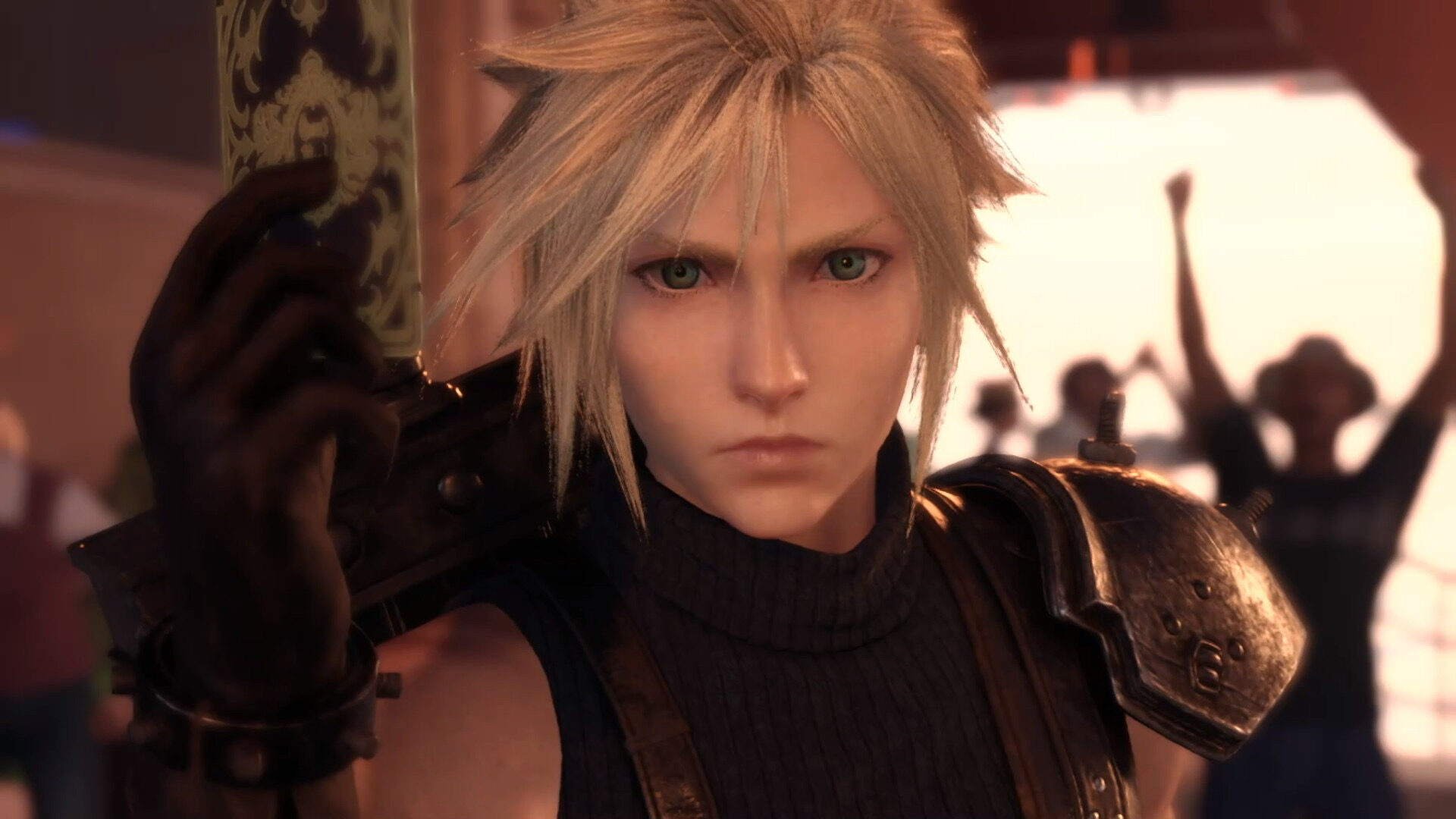
Compromises had to be made to suit this platform, and as a result, this port has an abundance of draw-in for textures and objects. From the plains of the overworld to materials on buildings to the patterns on some clothing, it’s not uncommon to see details pop onto screen a couple seconds tardy. Of course, in handheld mode the issues are slightly more exacerbated—mostly in terms of the overall fidelity.
That’s not great news, but luckily, the graphical issues with Final Fantasy VII Rebirth on the Nintendo Switch 2 don’t negatively impact gameplay itself. Considering all the things that could go wrong, draw-in isn’t as damning as lag that affects the player’s inputs, especially in a game with so many minigames and different control schemes. I can accept having my immersion broken repeatedly when a certain texture doesn’t load properly right away, so long as my inputs aren’t being ignored by the system.
At one early point, this made it hard to find some chocobo tracks for the main quest. Much later, the textures on a change-room stall and Cloud’s alternate beachwear didn’t load right away. Otherwise this problem reared its unfortunate head as shrubberies and other foliage populating after the rest of the landscape. Not game-breaking, though still more prevalent than one would like—and I’m not typically one to get hung up on frames per second or other technical glitches, either.
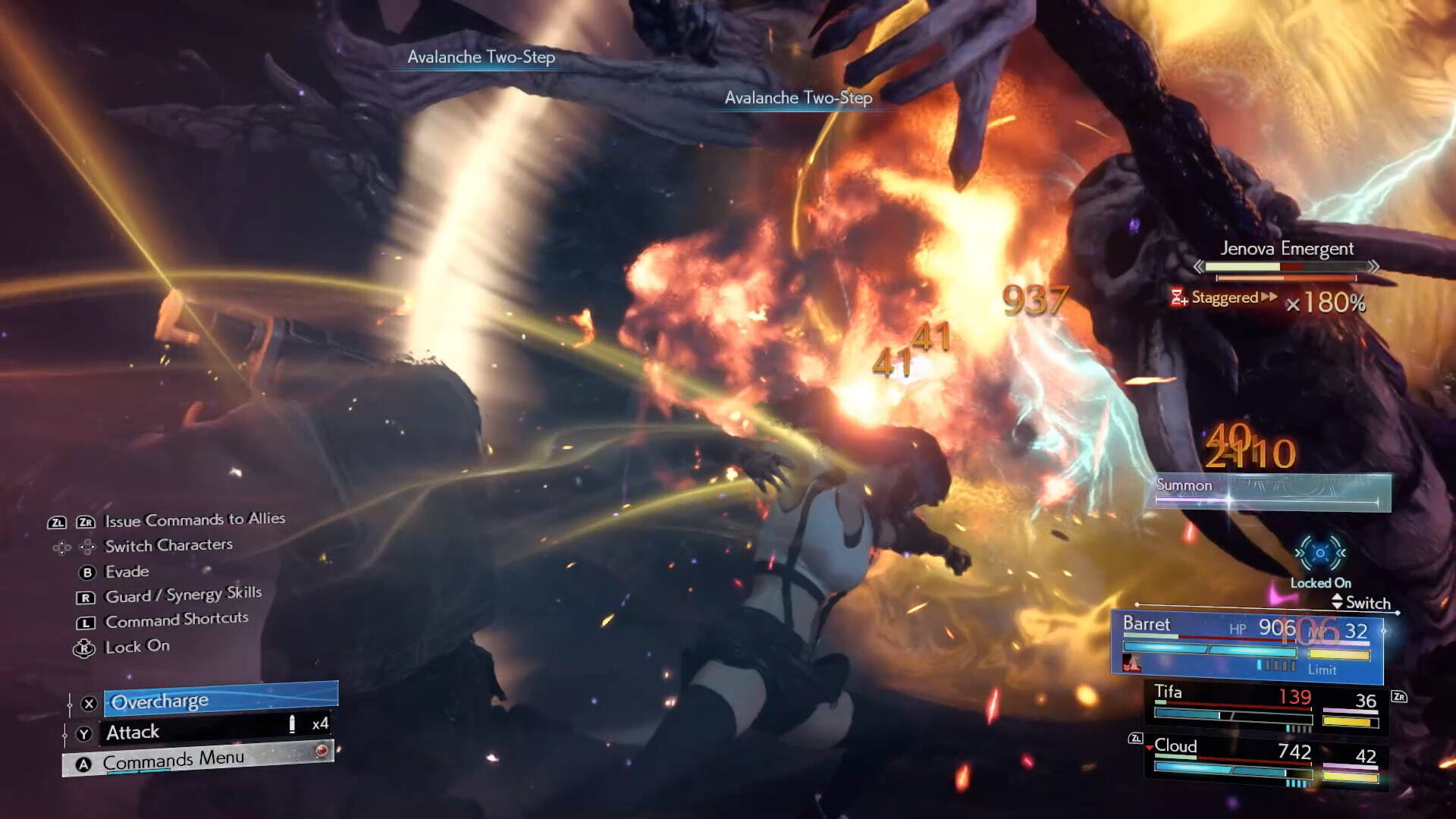
Though high fidelity purists and frame-counters won’t be swayed by this version, the mountain of content in Final Fantasy VII Rebirth is otherwise well-suited for the Switch 2. Since I haven’t replayed the game since its initial launch window, it was a joy to run through my 2024 Game of the Year all over again, especially since it seems we aren’t so far off from finally playing part 3. The story remains fantastic (both as its own tale, and as an expansion of the original’s poorly-translated saga), the combat is as smooth as before, and the wide array of sidequests is ideal for Nintendo’s hybrid console.
Technical hang-ups aside, it’s almost as if the game was originally engineered for Switch 2, in terms of the game design alone. A large but digestible open world, peppered with different challenges and collectibles, divided across several massive sub-regions and an 80-ish hour adventure? This is the perfect sort of meaty quest to savour with all the advantages of the hybrid console. Getting through a hundred hours of content is even better when you’re not handcuffed to your console.
Where it was easy to recommend the prior game to Switch 2 owners, your enjoyment of Final Fantasy VII Rebirth on Nintendo’s shores is going to depend a lot on what you want out of it. For the small handful of people who have been purely devoted to Nintendo’s systems since the first Switch, and thus haven’t played the remake series yet, I still think this is a must-play; Rebirth is one of the best games of the current generation, and even with its warts here, it deserves to be experienced by lapsed Final Fantasy fans or avid JRPG players alike.
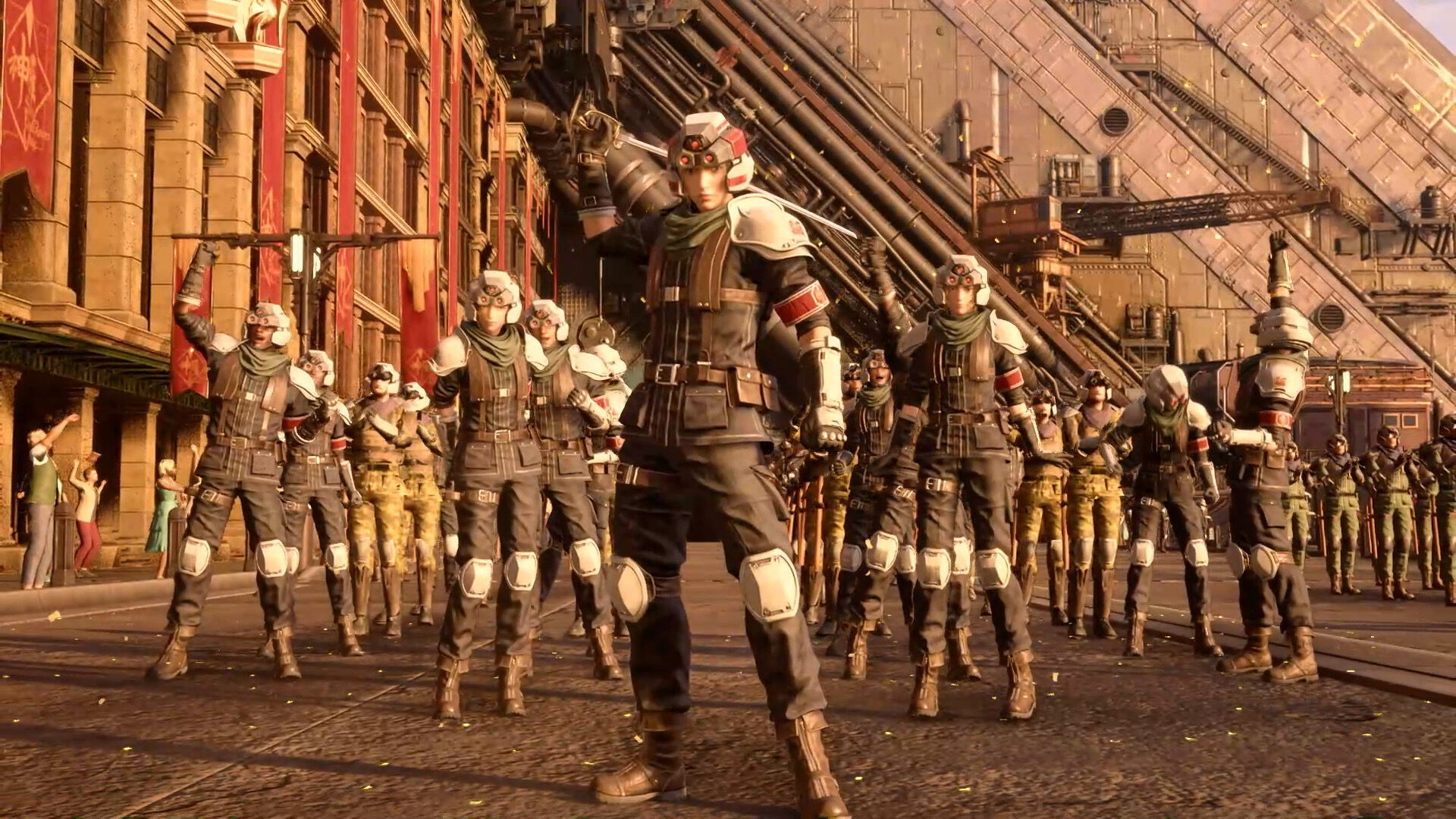
If you’ve already played the game on PS5 or PC though, you may not need to re-enlist for Final Fantasy VII Rebirth, unless you really want the excuse to replay it before part 3. This is a great version for a second playthrough, or for more casual players who don’t fuss about having pristine graphics.
Plus, I will say: not having the unspoken psychological pressure of getting trophies for doing 100% of everything does wonders for the game’s plethora of minigames. Many players have felt obligated to do everything under the sun and burned themselves out on the whole game overall, but here that massive undertaking is only for your own satisfaction.
Back in January, I called the Remake port for Switch 2 “exemplary” because of its high quality—it took the PS5 version of a demanding PS4 game and made it sing on a Nintendo console. Now I consider Final Fantasy VII Rebirth to be exemplary for a different reason: it may be the go-to example for the kinds of concessions that AAA games need to consider to run on Switch 2, especially when developing for multiple platforms simultaneously. I’ll certainly be sticking to the PS5 version for part 3.