
Unpacking a handheld PC lately feels less like unpacking a fan-cooled brick that costs as much as a used motorcycle. Doesn’t it feel like every manufacturer seems convinced we all have deep pockets and massive hands, throwing faster chips, wider heat pipes, dual fans, and bigger batteries into plastic shells until the whole thing weighs almost two pounds? Try slipping an 800-gram chunk of plastic into a jacket pocket, and you’ll quickly realize the term ‘portable’ is doing some heavy lifting.
The Performance Arms Race
An Intel Arc G3 or AMD Z2 Extreme chip inside a handheld lets us push 1080p frame rates that would melt a mid-range laptop. What we end up with is a device that runs demanding AAA titles at high settings for about forty-five minutes before the battery icon starts screaming in red.
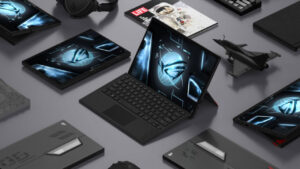
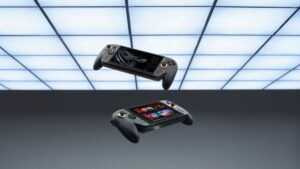
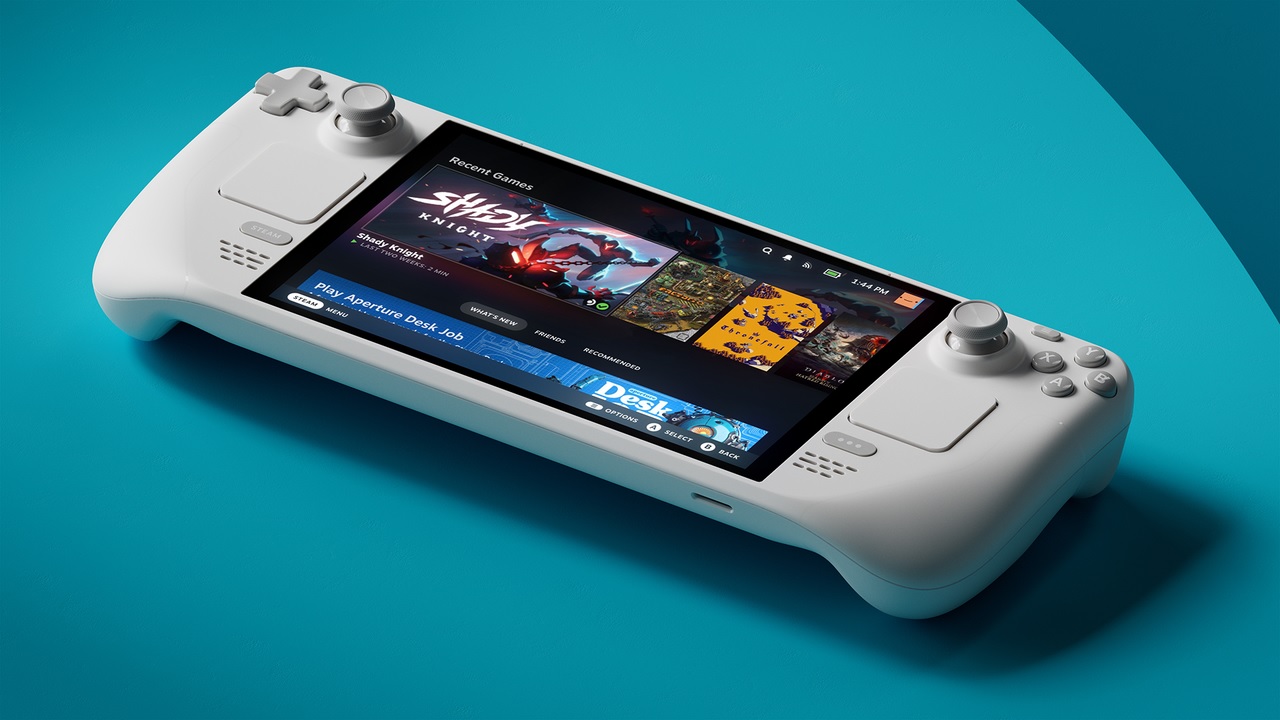
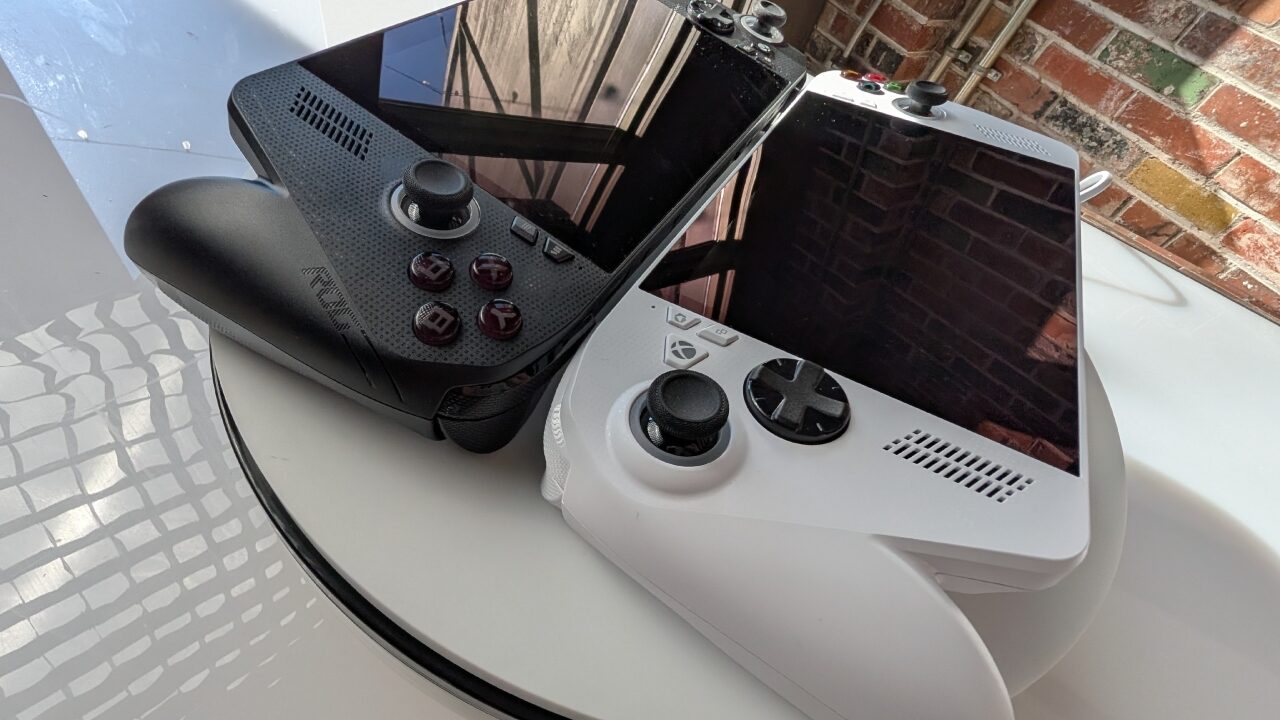
If we think back to when Valve launched the original Steam Deck, thirty frames per second on a seven-inch screen felt like pure magic. Now, MSI’s Claw 8 EX AI+ and ASUS’s ROG XBOX Ally X are fighting over frame rate benchmarks, pushing prices past $1,700 while adding hefty vapour chambers to keep our fingers from getting cooked. Carrying one on a daily commute requires a dedicated backpack, a massive 100W power bank or a tangle of extra charging cables.
Mobile Devices Crashing the Party
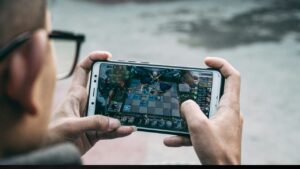
Then again, the phone sitting in your front pocket is quietly erasing the need to carry that extra baggage at all. The Samsung Galaxy S26 Ultra packs a Snapdragon 8 Elite Gen 5 chip alongside up to 16GB of RAM into a 214-gram frame that slides into a jeans pocket without ripping the seam. It runs on a 6.9-inch Dynamic AMOLED 2X display pushing a 120Hz refresh rate, using ProScaler AI to keep visual details sharp while an expanded vapour chamber handles heat dissipation during longer sessions.
You get a 5,000mAh battery that handles train rides and airport delays without forcing you to carry a second dedicated device.
The Portability Reality Check
The sheer scale of eight-inch displays combined with massive 80Wh batteries means we are no longer carrying subtle gadgets. They are full-blown gaming rigs crammed into controller grips.
Most of us don’t actually play intense action titles while standing on a crowded train – unless we enjoy dropping a thousand-dollar device onto the floorboards when the conductor hits the brakes – so these devices mostly end up living on the couch, plugged continuously into the wall three feet from the main console. Booting up a massive 100GB installation on Windows 11 feels like overkill for more casual games. Whether it’s indie titles on Steam or leading games at the best bitcoin casinos ranked on Webopedia, the fact of the matter is that you simply don’t need a high-tech device to play some of the most sought-after games of the 2020s.
Software Quirks and Market Saturation
The market is officially crowded. When six different manufacturers release nearly identical handhelds powered by the same handful of mobile chips, the differences come down to subtle ergonomics, joystick tension, screen brightness, and how much fan noise you can tolerate while lying in bed. Choosing a device right now comes down to admitting how you actually intend to use it. If you want true portability, a lighter screen paired with a lower-wattage chip gives you hours of uninterrupted playtime without giving you forearm cramps. Pushing for desktop-level frame rates on an eight-inch screen sounds great on paper, but you will pay for every extra frame with added weight, a thicker chassis, louder cooling fans, and a much lighter wallet.
Every major hardware brand launched a handheld variant over the last two years, yet Windows 11 still occasionally acts like it has no idea why it’s running on a touch screen. Pop-up notifications hide behind active game windows, audio drivers vanish after a sleep cycle, cloud saves fail to sync, and touchscreen keyboards refuse to auto-deploy when clicking a search bar.
Valve’s SteamOS proved that a dedicated, console-like interface keeps things usable, which is why rival handhelds keep trying to layer custom software overlays over Windows. What you end up with is software bloat running on top of software bloat. Instead of a focused experience, we get competing launcher interfaces fighting over controller inputs.