

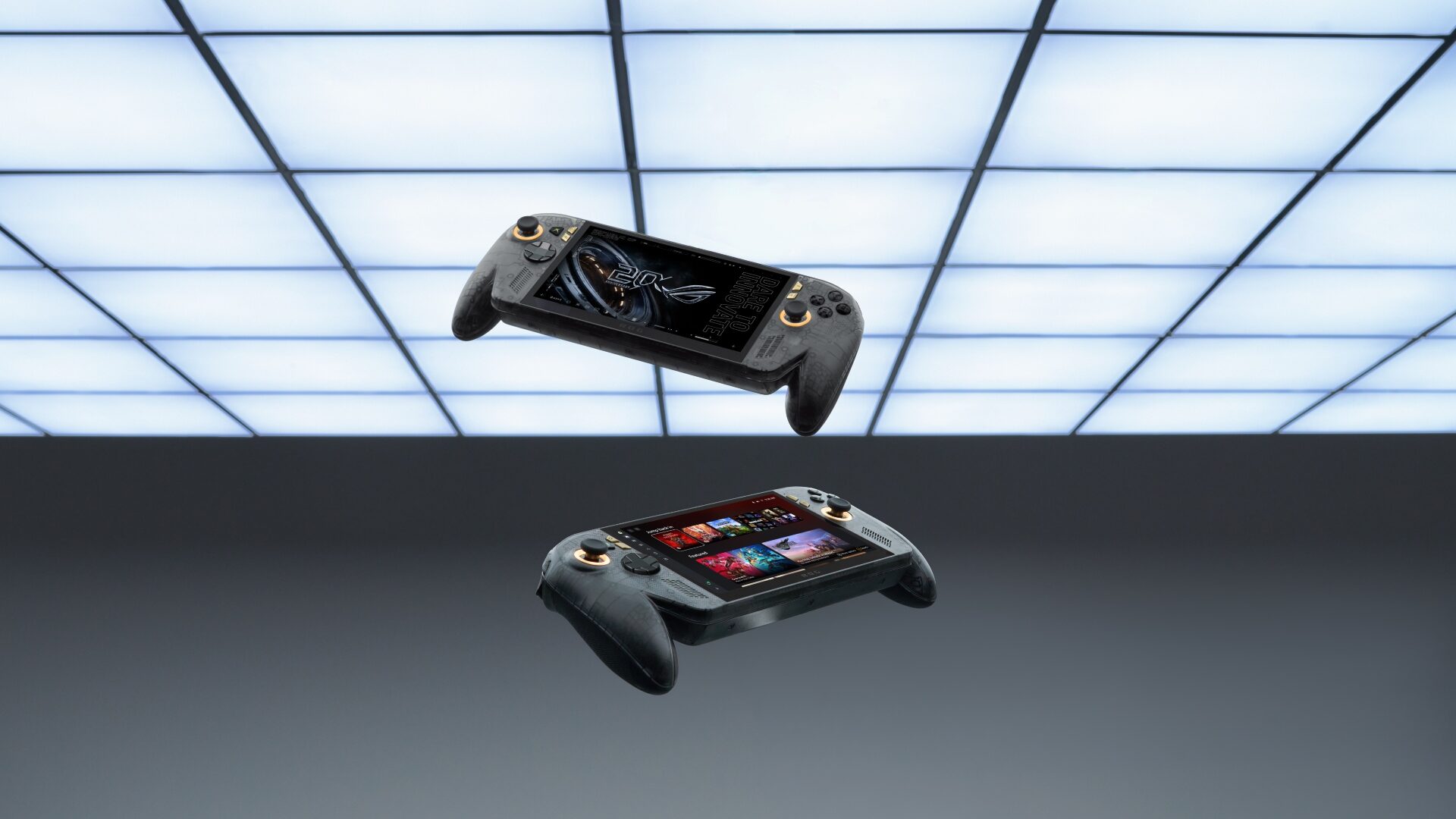
Gaming hardware used to sell one idea: more power. Faster GPUs, higher frame rates, bigger specs. That still matters, but it no longer explains why players are spending premium money on OLED monitors, handheld PCs, and high-end setups in 2026. The industry shifted from pure performance to immersion.
Different types of games now benefit from modern hardware in completely different ways. Competitive shooters like Counter-Strike 2 rely on ultra-fast OLED panels for sharper motion clarity and lower response times. Cinematic games like Alan Wake 2 and Cyberpunk 2077 push HDR lighting and deep contrast to create almost film-like environments.
Even casino-style games and slots have become more visually intense on modern displays. Titles like Gates of Olympus use bright lightning effects, animated multipliers, and fast-moving particle systems that appear far more immersive on HDR OLED panels compared to older LCD screens, especially when paired with spatial audio and high refresh support.
OLED monitors and handheld PCs are no longer niche gaming gear. They now compete directly with premium consumer tech, with OLED displays often exceeding $1,000 and handheld gaming PCs approaching gaming laptop territory in both price and hardware quality.

OLED Didn’t Win Because Gamers Suddenly Became Experts
OLED succeeded because modern games finally exposed how outdated traditional LCD panels looked.
For years, monitor companies sold refresh rates as the ultimate upgrade path. Every generation promised smoother motion, lower latency, and increasingly absurd Hertz numbers. But visual fidelity quietly became the bigger problem. Once ray tracing, HDR lighting, and cinematic rendering became standard in AAA games, IPS and VA panels began to show their weaknesses everywhere.
Dark scenes looked washed out. HDR appeared artificial. Blooming ruined contrast-heavy environments. Local dimming zones struggled to keep pace with modern game engines.
The difference is especially brutal in games built around atmosphere. Alan Wake 2 looks almost like a different product on OLED because Remedy’s lighting system depends heavily on shadow depth and contrast transitions. Cyberpunk 2077 benefits from neon-heavy HDR environments that LCD panels still struggle to reproduce cleanly. Even older games suddenly feel visually modern once infinite contrast enters the equation.
That explains why OLED monitor shipments exploded by 78% year over year during Q1 2026, according to TrendForce. Consumers are not buying OLED because of spec sheets. They are buying it because older displays suddenly feel visually compromised.
The Real OLED Arms Race Is Happening in Esports
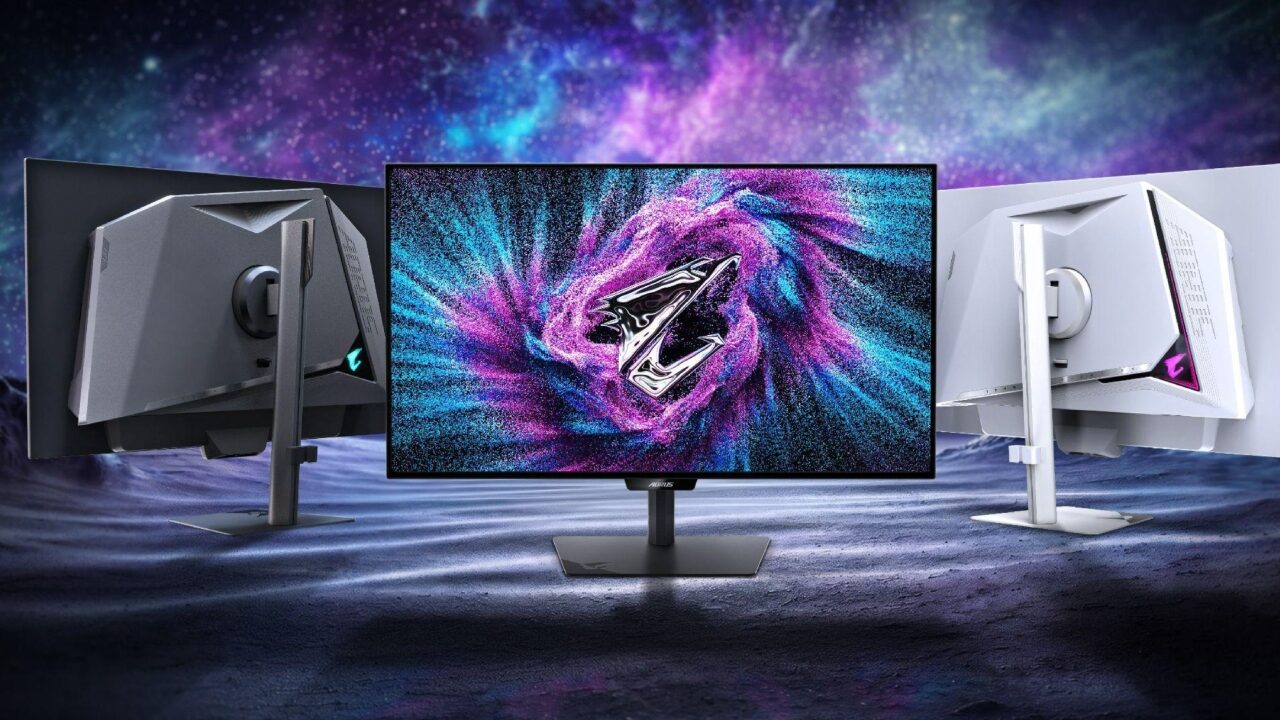
The funny part about the OLED boom is that it initially looked incompatible with competitive gaming.
Esports players historically avoided OLED because of brightness concerns and fear of burn-in. Fast IPS panels dominated the category by prioritizing raw speed over everything else. That logic is collapsing quickly.
At Computex 2026, several manufacturers showcased 500Hz OLED prototypes specifically targeting competitive gaming. ASUS, MSI, and Samsung are all pushing OLED refresh rates into territory that once belonged exclusively to TN panels.
Competitive players no longer need to choose between motion clarity and image quality. OLED response times already outperform most LCD alternatives. Once refresh rates climbed past 240Hz, the remaining weakness disappeared.
The result is a bizarre industry reversal. The technology once considered “too cinematic” for esports is becoming the premium standard for competitive gaming itself.
Gaming Monitors Have Quietly Become Status Symbols
There is another reason OLED exploded this quickly: gaming setups are now public-facing environments.
Ten years ago, gaming desks were mostly found in private bedrooms. Today, gaming spaces appear constantly on Twitch, TikTok, YouTube Shorts, and Discord streams. Hardware is visible all the time. A monitor no longer functions purely as a utility purchase. It is part of an online identity.
That sounds superficial until the economics appear.
Consumers regularly spend thousands on:
- ultrawide OLED displays
- RGB lighting ecosystems
- custom keyboards
- monitor arms
- transparent PC cases
- desk lighting systems
- studio-grade microphones
None of this improves gameplay directly. What it improves is presentation.
Gaming hardware increasingly behaves like fashion tech. The success of products such as Samsung’s Odyssey OLED G9 proves this perfectly.
Nobody actually needs a massive curved OLED ultrawide. Yet it became one of the most recognizable premium gaming products because it photographs well, dominates streaming backgrounds, and creates visual spectacle.
Handheld Gaming PCs Accidentally Created a Luxury Market
The Steam Deck was originally viewed as an affordable experiment. Valve effectively created a portable PC console hybrid at a surprisingly accessible price point. The rest of the industry completely misread why consumers loved it.
People did not simply want cheaper portable gaming. They wanted gaming freedom.
That distinction matters because every major competitor immediately pivoted toward premiumization.
The ASUS ROG Ally X increased RAM, battery capacity, and thermal performance. Lenovo’s Legion Go focused heavily on detachable controllers and larger displays. AYANEO turned handheld PCs into boutique luxury products with OLED panels, Hall Effect sticks, and ultra-premium builds.
These devices became dramatically more expensive because manufacturers realized something important: portable gaming PCs are competing against laptops, tablets, and even creator devices, not against Nintendo hardware.
AI Infrastructure Is Making Gaming Hardware More Expensive
One of the strangest forces reshaping gaming hardware has nothing to do with gaming itself.
AI data centers are consuming extraordinary amounts of DRAM, NAND storage, and semiconductor production capacity. Microsoft, Google, Meta, OpenAI, and Amazon are spending aggressively on AI infrastructure, and gaming hardware manufacturers are caught in the middle of the supply crunch.
That pressure is now visible everywhere.
Valve recently increased Steam Deck OLED pricing because memory and storage costs surged. High-end SSD prices remain unstable. Gaming laptop manufacturers continue warning about component volatility. OLED production itself remains expensive because advanced display manufacturing competes for premium fabrication resources.
Gamers are effectively fighting AI infrastructure for hardware supply.
This creates a weird contradiction inside the industry. Gaming hardware is becoming more premium partly because the broader technology market made affordable high-end hardware harder to sustain.
Portable Gaming Is Starting to Replace the “Main Device”
The most interesting part of the handheld PC boom is not portability. It is behavioural replacement.
A growing number of players are treating handheld devices as primary gaming systems rather than secondary accessories. Cloud syncing, Game Pass integration, GeForce NOW, Steam Remote Play, and increasingly powerful APUs allow handheld devices to function as full gaming ecosystems.
A desktop PC used to sit at the center of gaming. Now gaming increasingly moves fluidly between:
- handheld PCs
- cloud streaming
- desktops
- consoles
- TVs
- mobile devices
The handheld itself becomes the anchor device.
That explains why manufacturers are willing to invest so heavily into premium materials, OLED displays, and higher-end industrial design. These devices are no longer occasional travel gadgets. They are replacing traditional gaming routines altogether.