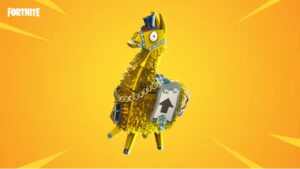

Mobile games used to ask for one clear thing: install, play, maybe buy the full version. Now the money part often sits inside the game itself. A skin, a season pass, an energy refill, a starter pack, a faster upgrade – each one looks small until the player checks the monthly total.
Mobile games are built for short attention
A phone is perfect for five-minute play. People open games while waiting for food, riding a train, sitting between meetings or avoiding one more social feed. That short format shaped how mobile games are designed.
Card mini-games are still everywhere because they are easy to read on a phone. A player sees a hand, a number, a dealer card or a reward wheel and understands the tension in seconds. Before jumping from a video game table to real-money rules, it is worth checking how blackjack, roulette, or poker actually work on some of the best casino sites, and then keeping that difference clear: virtual chips teach the rhythm; real payments need limits.
The design around mobile play is not random. Games pull players back with timers, daily rewards, event calendars and limited items. None of those tools is bad by itself, but the player still needs to notice when a quick session turns into automatic tapping.
Why small purchases feel easy

Microtransactions work because they avoid the feeling of a “big” purchase. A $1.99 boost does not feel like buying a new game. A $4.99 battle pass can look reasonable after several hours of play. A cosmetic skin feels harmless because it does not change rent, groceries or bills in one obvious hit.
Then the pattern repeats. A player buys one starter pack on Monday, a limited skin on Friday, and an upgrade bundle during an event. By the end of the month, those tiny choices can cost more than a premium PC title.
Before paying inside any mobile game, it helps to check a few things:
- Is the purchase cosmetic or does it affect progress.
- Does the pass expire before there is time to finish it.
- Is the price shown in local currency.
- Is the card saved on a shared phone or tablet.
- Are refunds possible after accidental purchases.
- Can spending limits be set in the app store.
That list is more useful than “just be careful.” Mobile games are designed to be quick. Payment decisions should be slower than gameplay.
The battle pass changed player routine
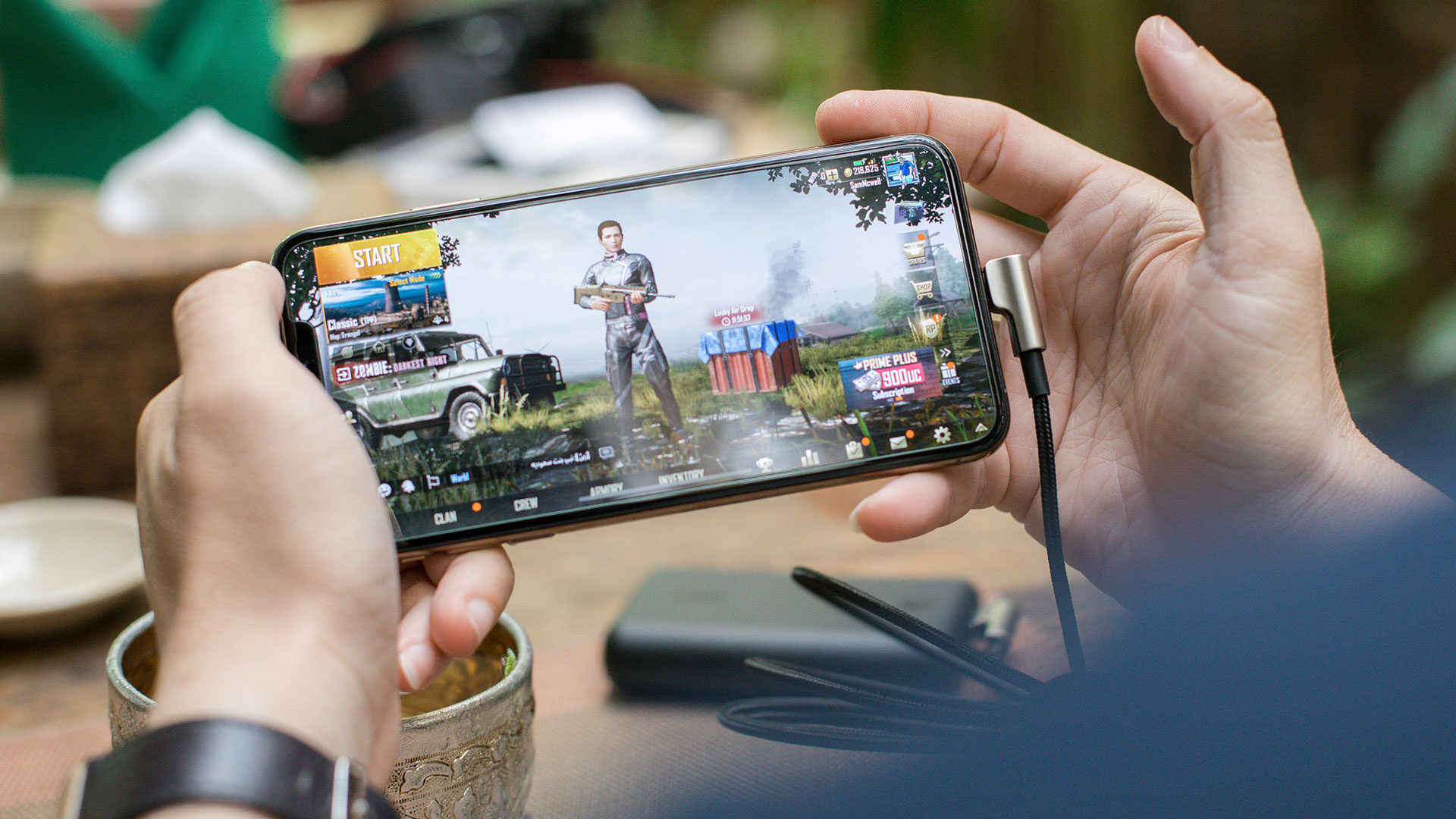
The battle pass made mobile games feel more like weekly chores. Some players like that structure. It gives clear tasks, visible rewards and a reason to come back. Others start playing when they do not really want to, just to avoid “wasting” paid progress.
That is the tricky part. A pass can be good value for someone who already plays daily. It can also turn a casual game into a checklist. The player logs in for missions, clears tasks fast, then leaves tired instead of entertained.
A simple test helps here. If the pass makes the game more fun, it fits. If it makes the player anxious about missing rewards, it has crossed into work.
Good mobile spending needs friction
Mobile platforms make buying almost too smooth. Face ID, one tap, saved card, instant item. Great for convenience, risky for tired thumbs.
The safer setup is practical. Use app store spending limits. Turn off one-tap purchases for children’s devices. Remove old cards from accounts that are barely used. Check subscriptions once a month, especially after free trials or seasonal events.
Forbes has covered how hyper-casual games grew through short sessions and high repeat play, which explains why the phone became such a strong gaming device. The same short-session logic makes spending controls important, because purchases happen inside those quick bursts too.
The best habit is checking the real cost
Small in-game purchases deserve the same check as any other payment. Open the purchase history once a month and look at the total, not each item separately. A skin for $2 feels small until five of them sit on the same card statement.
Before tapping buy, wait a minute and ask what the item actually changes. If it only removes FOMO or saves one boring grind, it can probably wait.