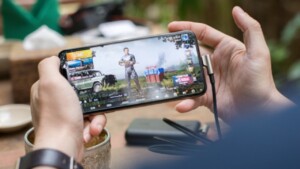

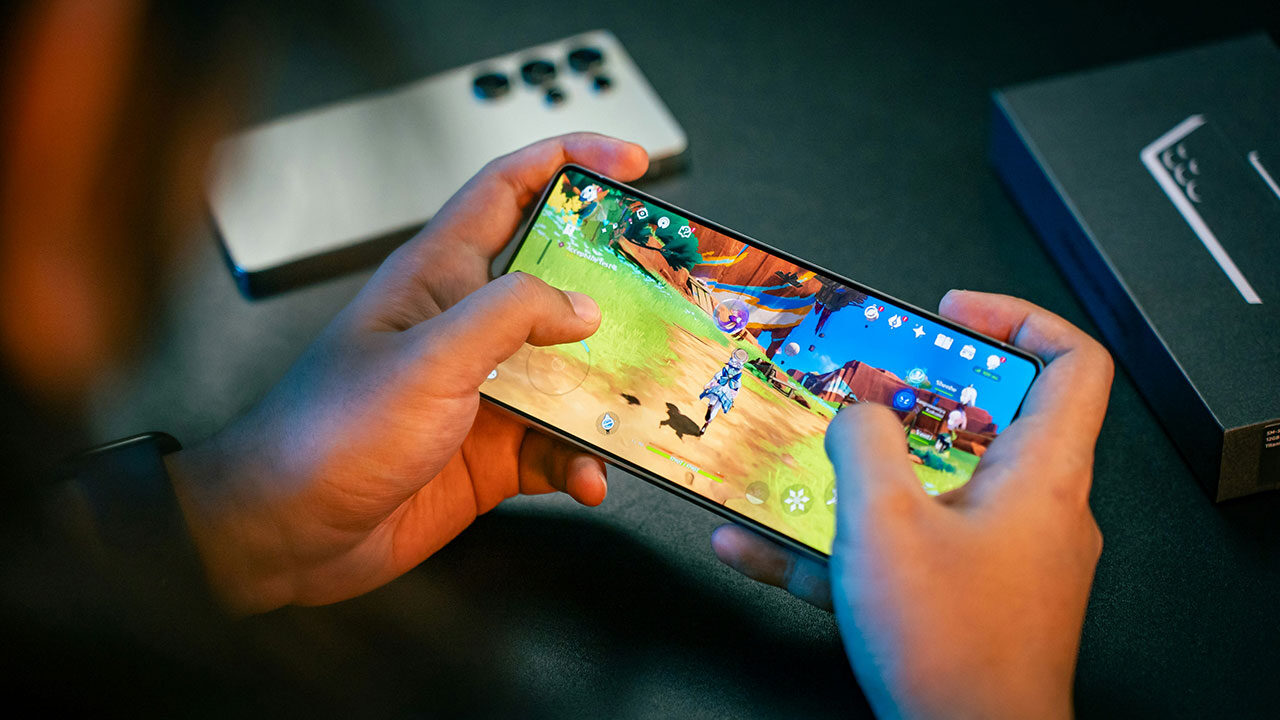
The fastest way to start an argument among gamers is to ask whether mobile counts as “real” gaming. The numbers stopped caring about that debate a while ago. More people now play on a phone than on every console and gaming PC on Earth combined, and it is not a close race.
The numbers behind a mobile-first world
According to Newzoo’s Global Games Market Report, mobile generated roughly $103 billion in 2025, around 55% of all game spending worldwide, with close to 3 billion people reaching for a phone first. Console sat near $46 billion and PC around $40 billion. Put plainly, mobile out-earns console and PC put together.
The top of the charts makes the point sharper. Tencent’s Honor of Kings pulled in about $2.2 billion in a single year, with PUBG Mobile close behind at near $1.9 billion. In 2024, eleven different mobile titles each cleared a billion dollars, a record. These are not casual side projects. They are some of the highest-grossing entertainment products anywhere, and they live on a screen most people already carry everywhere.
What makes the shift interesting is how completely it spread. Puzzle games, battle royales, gacha RPGs, fitness trackers, and yes, gambling, all migrated to the same device on roughly the same timeline. Casino apps sit inside that trend rather than off to the side. On the Australian side specifically, the Sun Papers roulette guide breaks down how players there now spin a wheel from a phone, covering the gap between the single-zero European layout and the higher-edge American version, along with the live-dealer tables that stream to mobile in real time. It is the same mobile-first logic that turned Subway Surfers into a commute staple, applied to a game that predates the smartphone by two centuries.

Australia as a case study
Australia is a useful microcosm because its players took to mobile early and hard. Local market research valued the country’s mobile gaming sector at around AUD 1.85 billion in 2025, with steady single-digit growth forecast into the next decade. The developer scene is busier than the headline figure suggests: industry trackers count roughly 918 active Australian mobile studios on Google Play, responsible for nearly 2,500 apps that average around 1.79 million downloads each. Titles like Royal Match and MONOPOLY GO sit on millions of home screens next to homegrown work from studios such as PlaySide.
The spread is not even across the country. Victoria accounts for close to 40% of the local gaming sector and Queensland for roughly a quarter, which lines up with where the studios and the spending cluster. The dominant age group is 25 to 34, the cohort that grew up with a console but now does most of its playing on the train. Free-to-play with optional purchases is the default model, and cloud streaming has started to land too, helped by a 5G network that keeps expanding.
The tech that made it possible
None of this happens without the plumbing. 5G rollouts cut latency to the point where a phone can hold a stable multiplayer session, and services like Xbox Cloud Gaming and Nvidia GeForce Now let a mid-range handset stream titles that used to demand a tower PC. CGMagazine has already covered how mobile is not just growing but actively reshaping how the whole industry builds and sells games, and the through-line is simple: hardware matters a little less every year.
Controllers from Backbone and GameSir clip onto a phone and erase one of mobile’s oldest weaknesses, the mushy touchscreen, while developers have gotten genuinely clever about gesture and tilt input. Cross-platform play stitches the rest together. Start a match on the couch, finish it on the bus, keep your progress either way. Even Netflix is leaning into cloud delivery for 2026, betting that the easiest place to reach a casual player is the device already in their hand.
The result is a platform that fits how people actually live. A console session asks for a free evening and a spot on the sofa. A phone asks for the four minutes you spend waiting on a coffee. That convenience, more than graphics or prestige, is why mobile won the volume game.
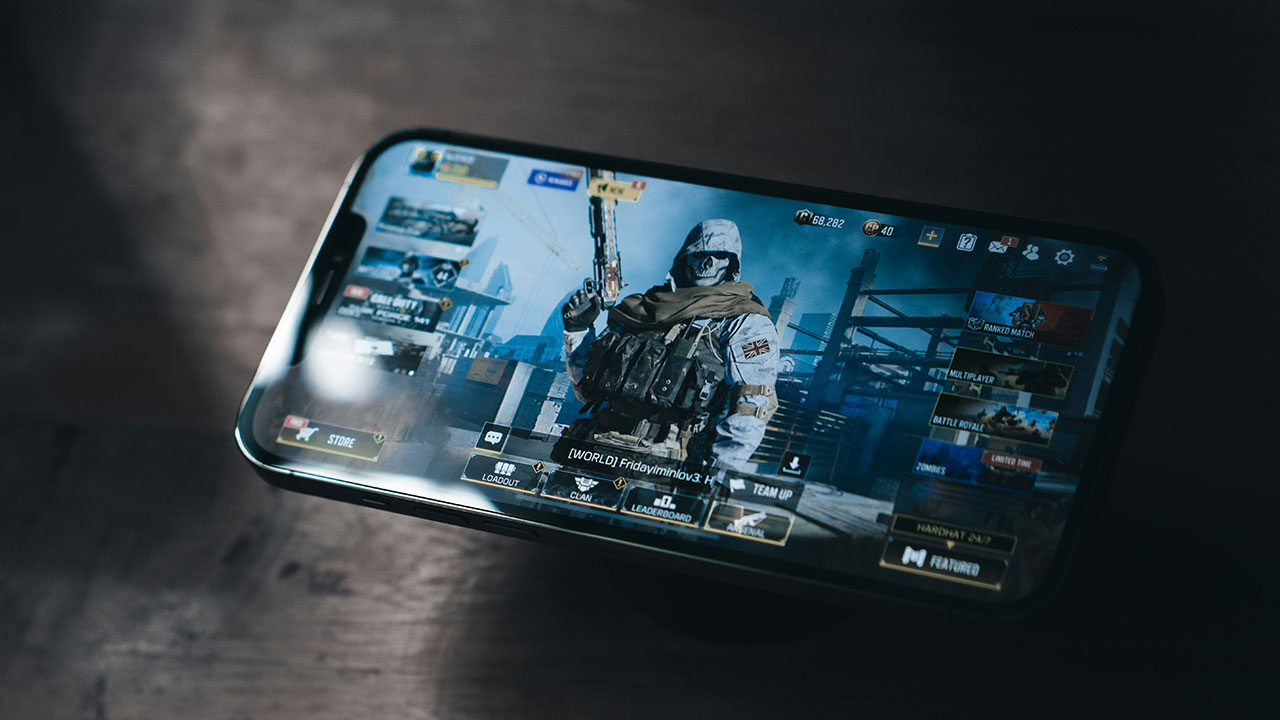
Where it goes next
The honest read is that mobile is not replacing console and PC so much as absorbing the audience that was never going to buy either. Newzoo’s own forecast has console and PC growing faster than mobile through 2028, driven by hardware refreshes and a stacked release calendar. But faster growth from a smaller base is not the same as catching up. Phones got there first because they were already in three billion pockets, and the next billion players coming online in mobile-first markets will not be starting with a $700 console.
The shooter, the loot box, the battle pass, and the roulette wheel all ended up in the same place. If you want to know where gaming is heading, the most reliable crystal ball is still the thing buzzing on the table next to you.