
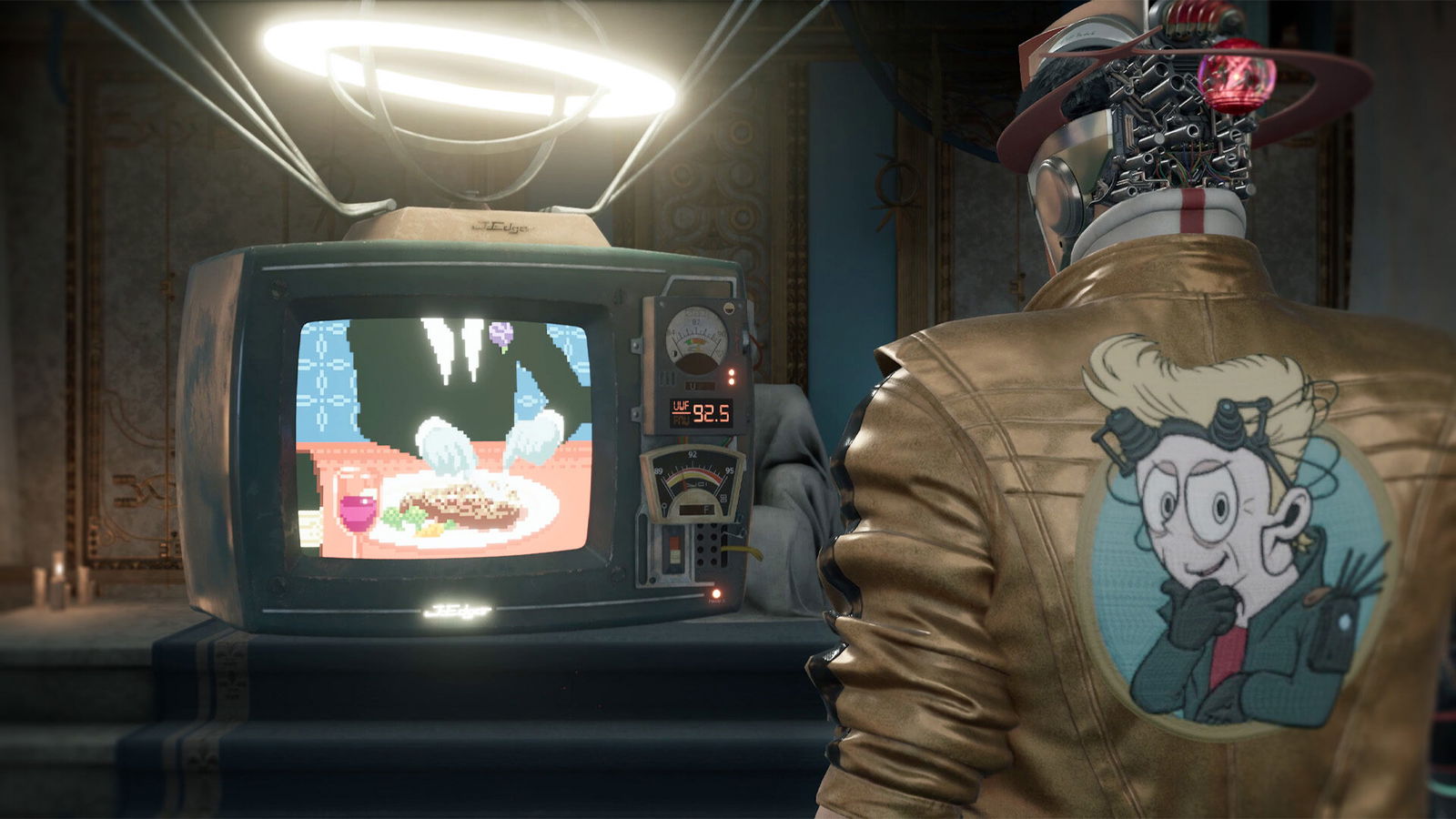
When I saw the initial trailer for ROMEO IS A DEAD MAN, it only took a few seconds before I even knew what it was that I said, “Ok, this is a Suda game.” Only moments later, my suspicions were confirmed. I’ve been a fan of Suda51’s games since I first experienced the subversive and deeply impactful Killer7, so seeing his name on a project is usually an immediate seal of quality.
Naturally, I was extremely excited when CGMagazine was offered a hands-on preview of ROMEO IS A DEAD MAN because Suda’s games always do an excellent job of blending unique gameplay with poignant themes. Even during my brief time with the game, I could already get the sense this was going to go in some interesting directions.
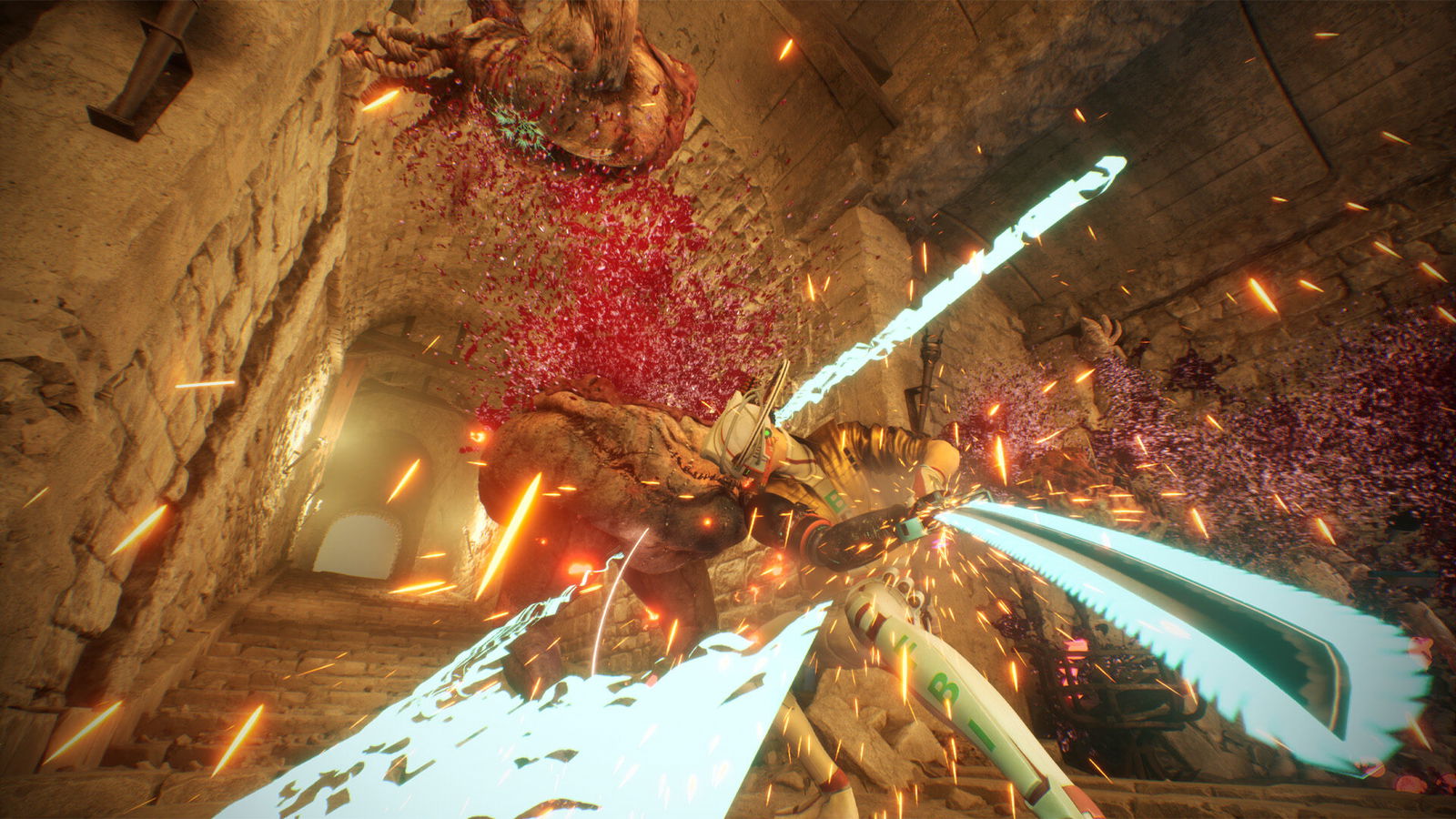
In what I would say is pretty typical Suda fashion, ROMEO IS DEAD MAN has a gonzo opening. It has no less than three different tones—starting with a somewhat idyllic narration about a typical, mundane town in America, to gory, zombie horror, to intense sci-fi action, all within the span of 10 minutes. The narrative shifts are accompanied by several distinct art styles as well, shifting from what almost looked like stop-motion, to first-person horror, to beautifully rendered comicbook animatic.
At first, it just seemed eclectic; however, these shifts were informing the overall narrative of the game. The protagonist Romeo is living in a world that has segmented by a cataclysmic event that has literally fragmented time and space—separating worlds and times into little pockets spread across the universe. When he’s almost killed a zombie-like creature, his grandfather arrives from the future in the nick of time to give him the “Dead Gear Life Support System.”
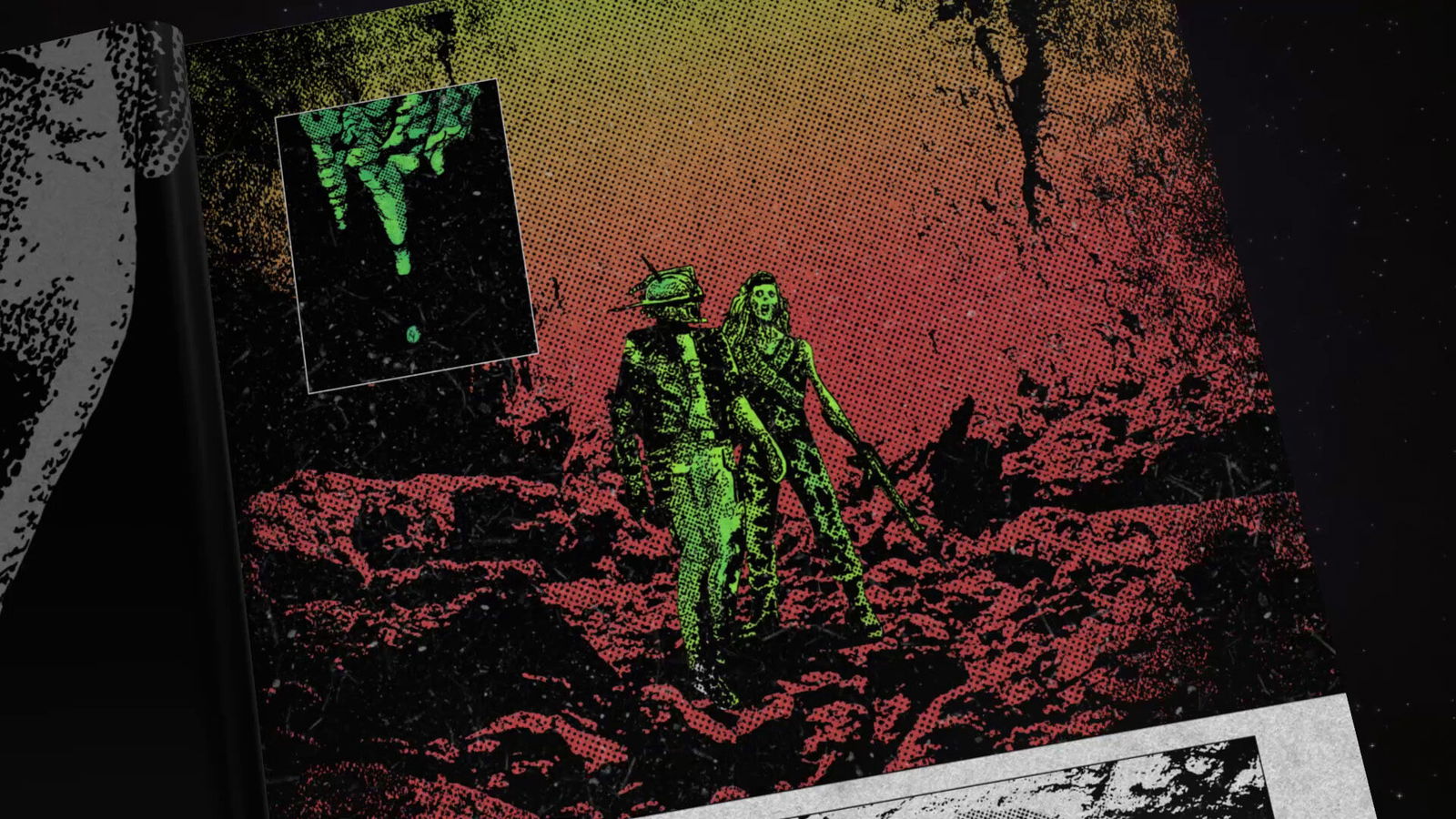
This transforms Romeo into a cybernetically powered killing machine, which his grandfather calls “Dead Man,” since calling him a “Half-Dead Man” would sound pretty lame. But the story weaves and loops all over the place after that. Romeo fell in love with a girl named Juliet—which led to him initially getting half-killed—but several versions of Juliet exist across the various fragments of time and space, and most of them are downright monstrous. Romeo is recruited by the FBI’s special Space-Time Division in order to kill these anomalies while he searches for the one he loves.
“There’s an incredible level of visual creativity running through ROMEO IS A DEAD MAN…”
Right away, I got the sense it’s meant to feel very disorienting, but that’s very much on purpose. Like it’s capturing the swirl of emotions that come from infatuation and love, as well as the higher concepts of worlds being spread across space and time. But even in the brief moments I had with the game, I could see Suda commenting on broader themes—as he usually does in his games—like the proliferation of violence, the nature of people and conflation of harm and care, to name a few.
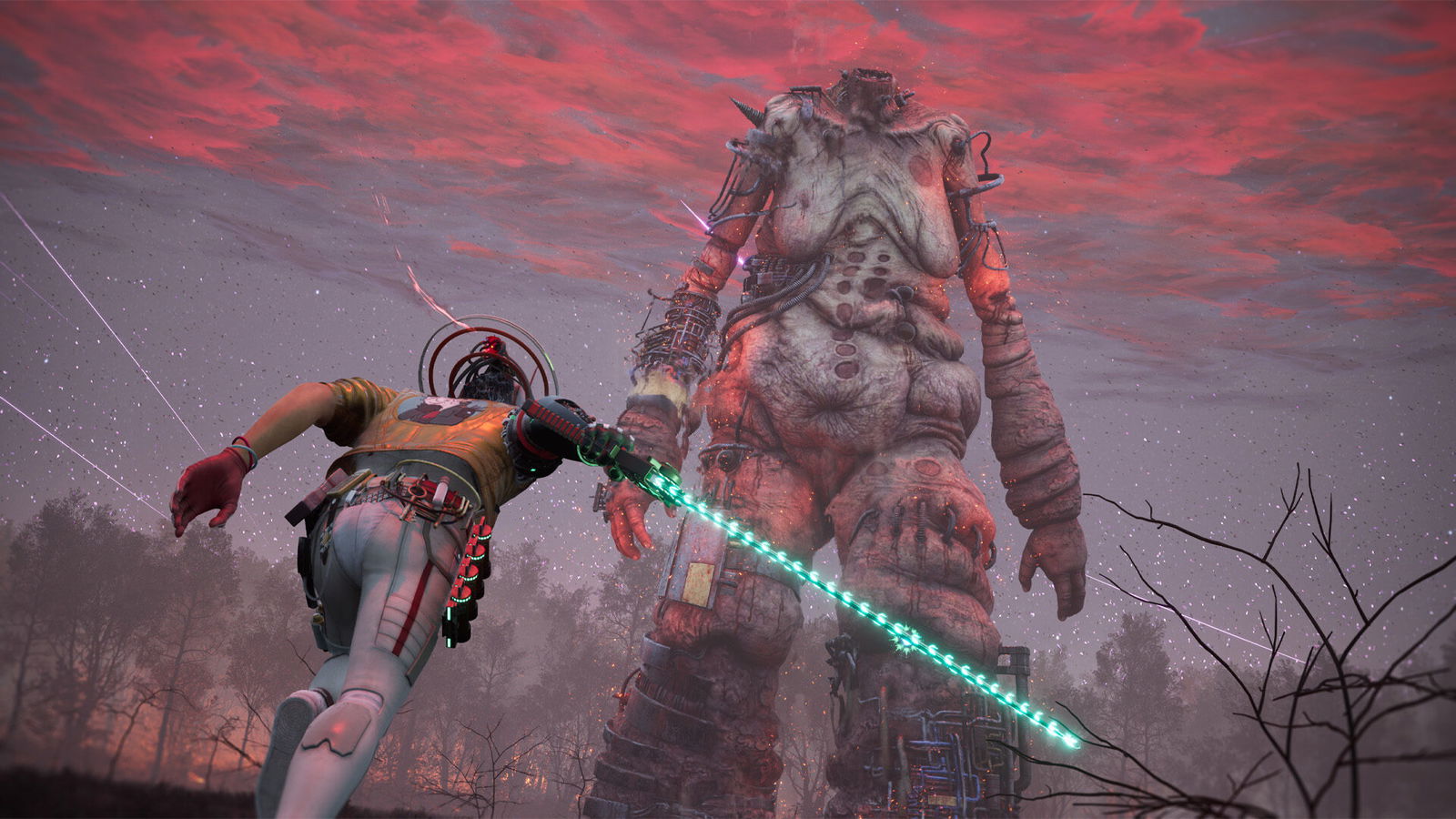
Gameplay in ROMEO IS A DEAD MAN feels like a solid combination of a lot of Suda’s previous games. At its most basic, it’s probably most similar to Killer Is Dead or Lollipop Chainsaw—combining intense hack n’ slash action with third-person shooting and some minor RPG elements. Combat has an arcadey feel that is tight and incredibly satisfying, and boss fights are larger-than-life and incredibly interesting—similar to something like No More Heroes.
The first boss I got to fight—named Everyday Is Like Monday—was a giant headless mound of flesh that shot fireballs. While there were weakpoints on its body to be shot at, its size made approaching it with Romeo’s sword intimidating and incredibly exciting. But there are also a lot of unique elements that separate it from more traditional action games.
The game has some minor Soulslike elements to it—like how saving your game at health stations will reset the enemies within a level—the game shifts to a 16-bit RPG style when moving through the FBI’s intergalactic ship (which acts as the main HUB). The game is packed with interesting arcade-style minigames to increase abilities and unlock new weapons and just fun little asides that really make it stand out.
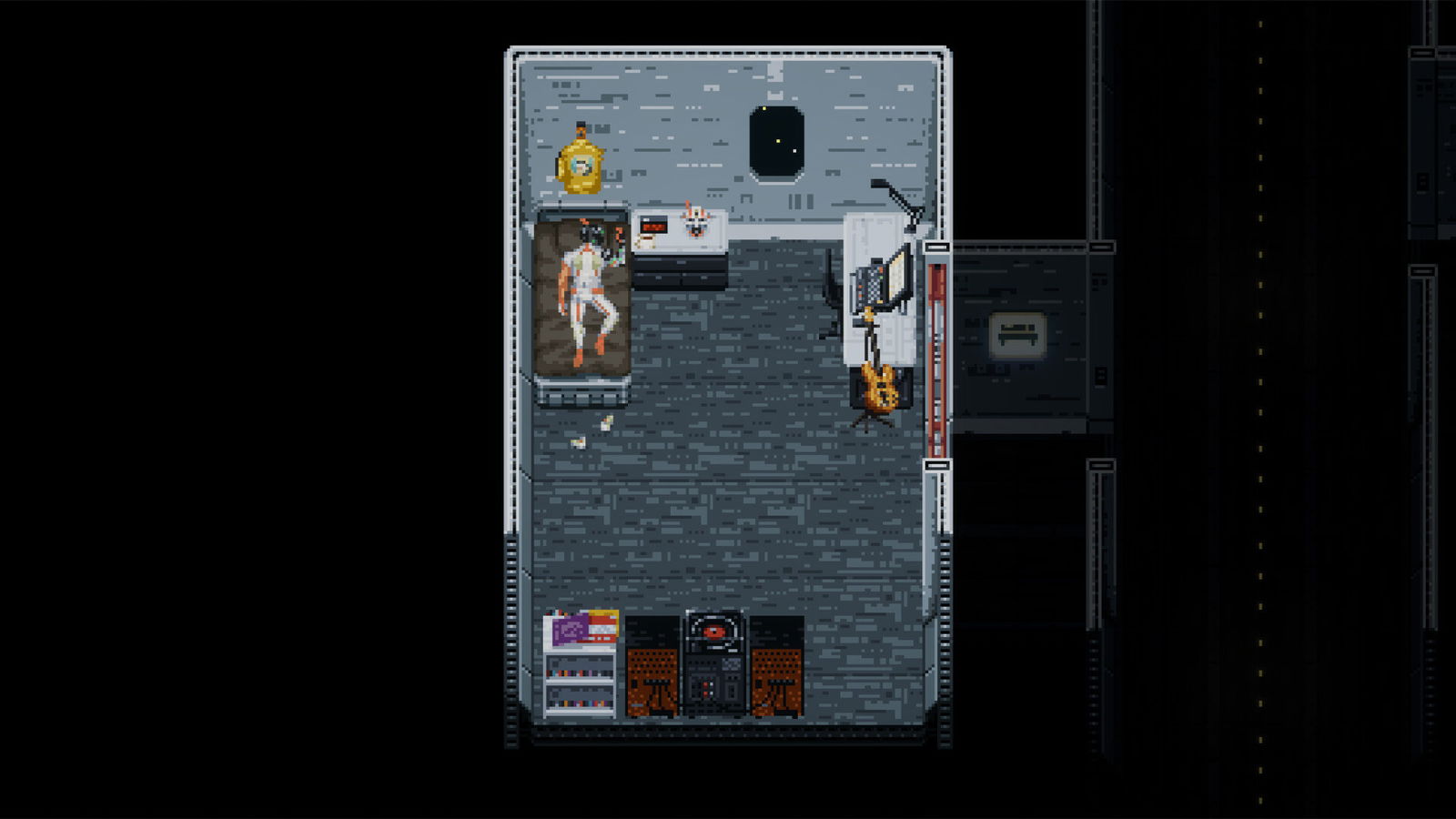
There’s an incredible level of visual creativity running through ROMEO IS A DEAD MAN that I’m very excited to see more of. From the aforementioned blending of visual styles, the use of neon and voxel elements really stands out against the more realistic graphical aesthetic. Much like No More Heroes, the violence becomes somewhat comical when it’s celebrated in bright flashes of colour and bombast.
Despite my brief time with it, I have a really good feeling about ROMEO IS A DEAD MAN. It maintains the fun and engaging gameplay of Suda’s previous games, while also delivering on the tongue-in-cheek storylines that still manage to provide commentary on current events. This feels like a game that is certainly going to be beloved by both fans of Suda’s work, and newcomers looking for something truly different.
ROMEO IS A DEAD MAN launches on February 11th, 2026, for PC (Microsoft Windows), PlayStation 5, Xbox Series X|S.