
If you think about it, some of the best moments in games happen when you least expect them. You’ll open a treasure chest and find a rare item, a boss suddenly drops a weapon that you’ve been hunting for all week, or you survive a match by pulling off the completely insane idea that should never have worked. These moments are the most exciting because they are not guaranteed. The game gives you a chance, not a promise, and that feeling of uncertainty is part of what keeps players coming back for more.
Developers have been using this idea for years to keep you playing. Random rewards, surprise events and unexpected outcomes are built into many of the most popular games that you’ll find today, from open-world RPGs to fast-paced shooters.
A Little Bit Of Random Drop Magic
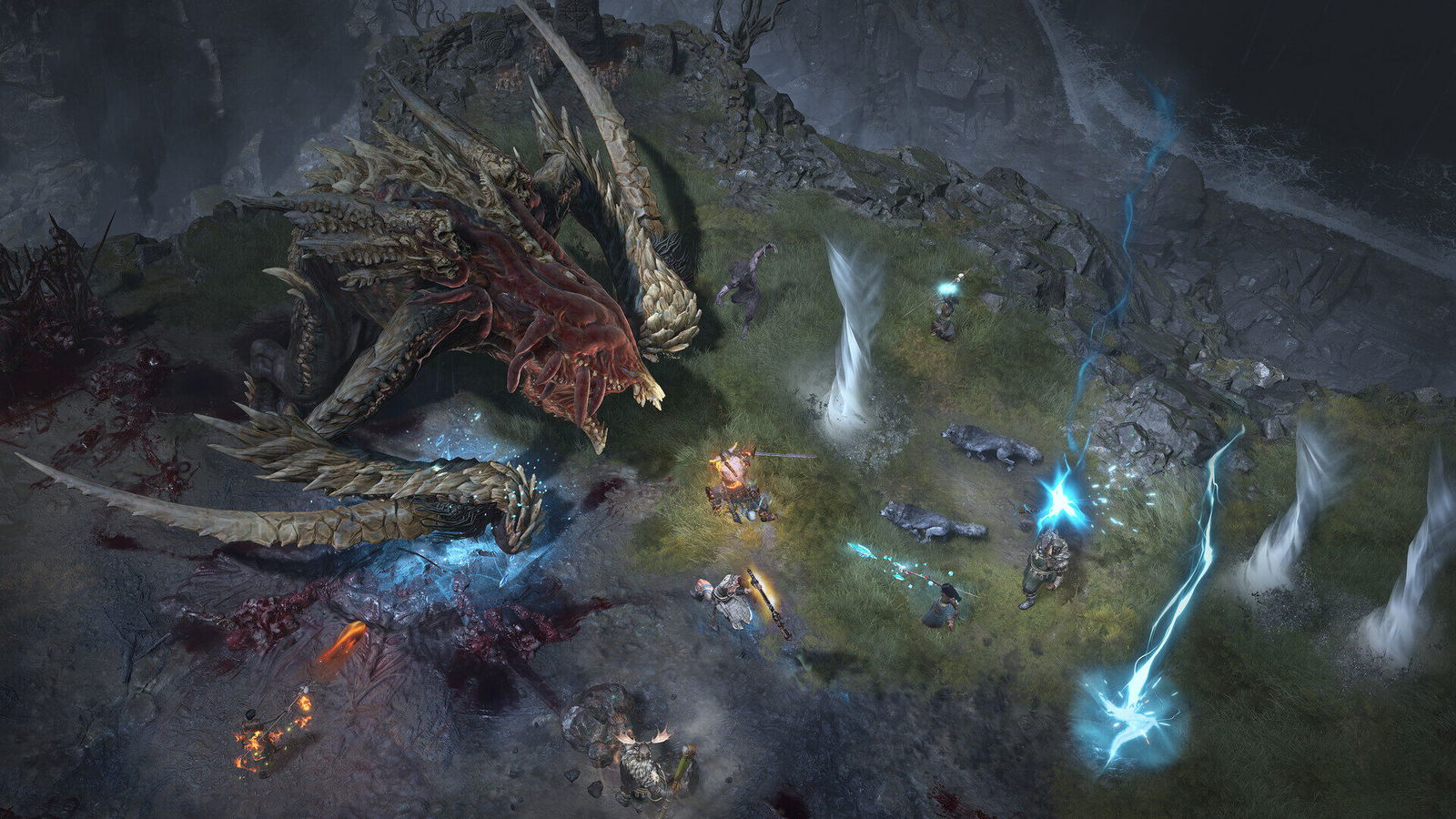
Think about games that use looting systems, such as Diablo, Borderlands or even Hades. In Diablo, every enemy you defeat has a chance to drop gear with different stats, meaning no two runs feel the same. Borderlands takes this further, with millions of possible weapon combinations, so the gun you find may be unlike anything another player has encountered.
Even if you play the same level again in exactly the same way, you will not know what you might find.
This system works because it adds tension. Each time an enemy drops an item, there is a sense that it could be something special. Players share these moments with friends, post screenshots online and sometimes continue playing for hours, hoping the next run will deliver a rare reward.
The key is that the game does not need to provide a reward every time. The possibility that something valuable might drop is often enough to keep players engaged.
There’s No Escaping RNG In Gaming
Randomness is often called RNG, short for “random number generation.” While the term may sound technical, the concept is simple. Games use systems to determine outcomes that cannot be predicted, and once you start noticing it, it appears everywhere.
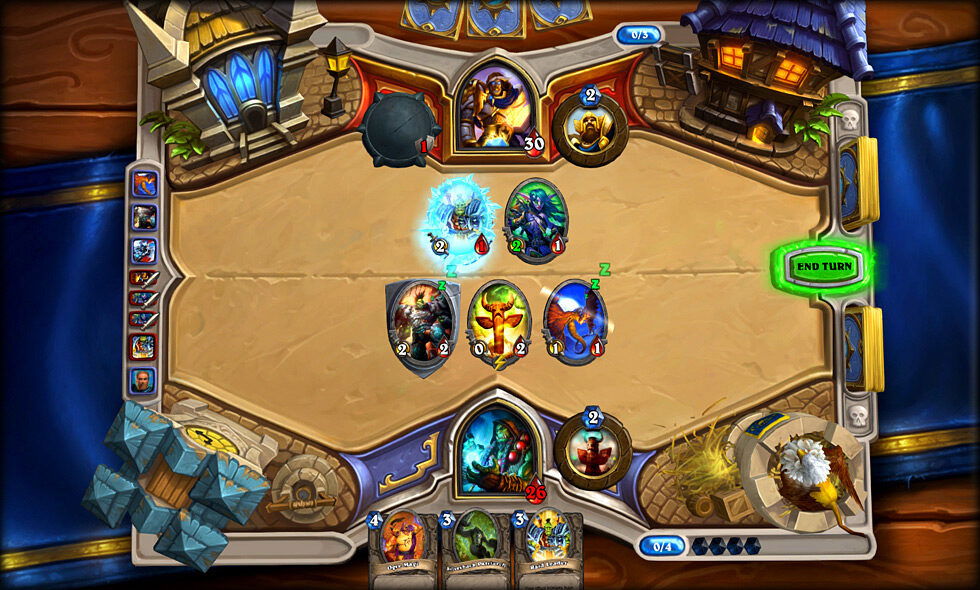
In card games like Hearthstone, strategies can shift depending on the next card drawn. In battle royale games such as Fortnite, the weapons found at the start of a match can shape how it unfolds. Even in sports titles like FIFA or NBA 2K, a well-timed shot or pass can fail due to positioning, pressure or built-in variability.
Because of this, randomness does not make games unfair. Instead, it ensures each match feels slightly different and encourages players to adapt rather than rely on the same approach every time.
Players Love Studying the Odds

Something interesting happens once players recognize the role of randomness. Many begin trying to understand how it works.
Gamers often share drop rates online. In games like Genshin Impact, entire communities track how often rare characters appear and build detailed guides around those numbers. In Warframe, players calculate farming efficiency to determine the best ways to obtain specific items. Before long, thousands of players are comparing data and analyzing the game’s underlying systems.
Some players also explore how chance-based systems appear in other forms of digital entertainment. For example, guides examining probability systems across platforms may reference resources such as Michigan online casinos, which demonstrate how structured chance systems operate.
While many players are simply chasing rare items or cosmetics, the mathematics behind randomness has become a hobby in itself for those interested in how these systems function.
Why Unpredictable Moments Feel So Good

If games were to always give you the same reward each time you played the same level, things would get boring quite quickly. Imagine if every chest of loot in a game always contained the exact same item. After a while, players wouldn’t even bother opening them.
Randomness changes that.
It turns small actions into suspenseful moments. In games like Super Mario, you never quite know what is coming out of a block the first time you hit it. In roguelikes like Dead Cells, each run throws different enemies and upgrades at you, forcing you to adjust constantly. Game designers understand this very well. They carefully balance how often the best rewards appear so that players stay interested without feeling frustrated.
That balance is one of the reasons why so many modern games feel so engaging. Each session has the chance to produce something memorable that you can go brag about later.
The Surprise Factor That Keeps Games Fresh
At the end of the day, randomness gives games something extremely important: replay value.
A match will never feel exactly the same as the one before it. In games like Apex Legends, different loot drops and team encounters make every round play out differently. In Minecraft, the world itself is randomly generated, meaning no two players ever have the exact same experience. New combinations suddenly appear, and strategies that made no sense before can start working in unexpected ways. That unpredictability keeps players curious.
That curiosity is what continues to drive many of the biggest gaming communities today and pushes players to try again, explore deeper and chase those rare moments that make a session unforgettable.
Sometimes, the best part of a game is not knowing what will happen next.