

Every few months, a new gadget promises to change everything. Most of them don’t. But if you step back, you can see a real shift happening: the tech in our pockets, living rooms, and on our wrists is getting more personal, more portable, and a lot less annoying to use. Here’s a look at what’s actually moving the needle.
Devices That Finally Know You
Think about how your phone behaves now compared to five years ago. Your photo app sorts pictures of your dog without being asked. Your keyboard finishes your sentences, sometimes better than you would. Your streaming service knows you’ll want a comfort rewatch on a Sunday night. Even the quick lookups you do all day, from the weather to something like xlm price usd, are getting faster because your phone learns what you check most. A lot of this now happens on the device itself instead of in the cloud, which is good news for both speed and privacy.
Deloitte’s Digital Media Trends research points the same way. People expect personalized, on-demand experiences, and younger audiences are setting the pace for which formats catch on. Brands that ignore that will feel it. It’s also why chipmakers are racing to build hardware for AI tasks, and why long battery life and privacy settings people can actually understand have become real selling points.

Headsets and Wearables Grow Up
Mixed reality headsets used to feel like expensive science projects: heavy, awkward, and short on things to do. That’s changing. Newer models are lighter, the passthrough cameras are sharper, and better hand tracking means you can leave the controllers on the shelf. Smart glasses are heading in the same direction.
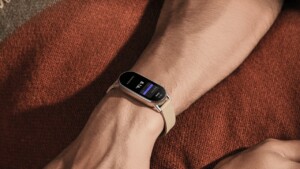
Wearables have matured too. Watches and rings no longer just count steps. They track sleep and recovery, and they nudge you when something looks off. The test for all of it is simple: is it comfortable, and does it solve a real problem? Watching a film on a giant virtual screen mid-flight, or getting walking directions without pulling out your phone, is an easy sell. A gadget you wear for ten minutes and then abandon in a drawer is not.
Gaming Is Still the Testing Ground
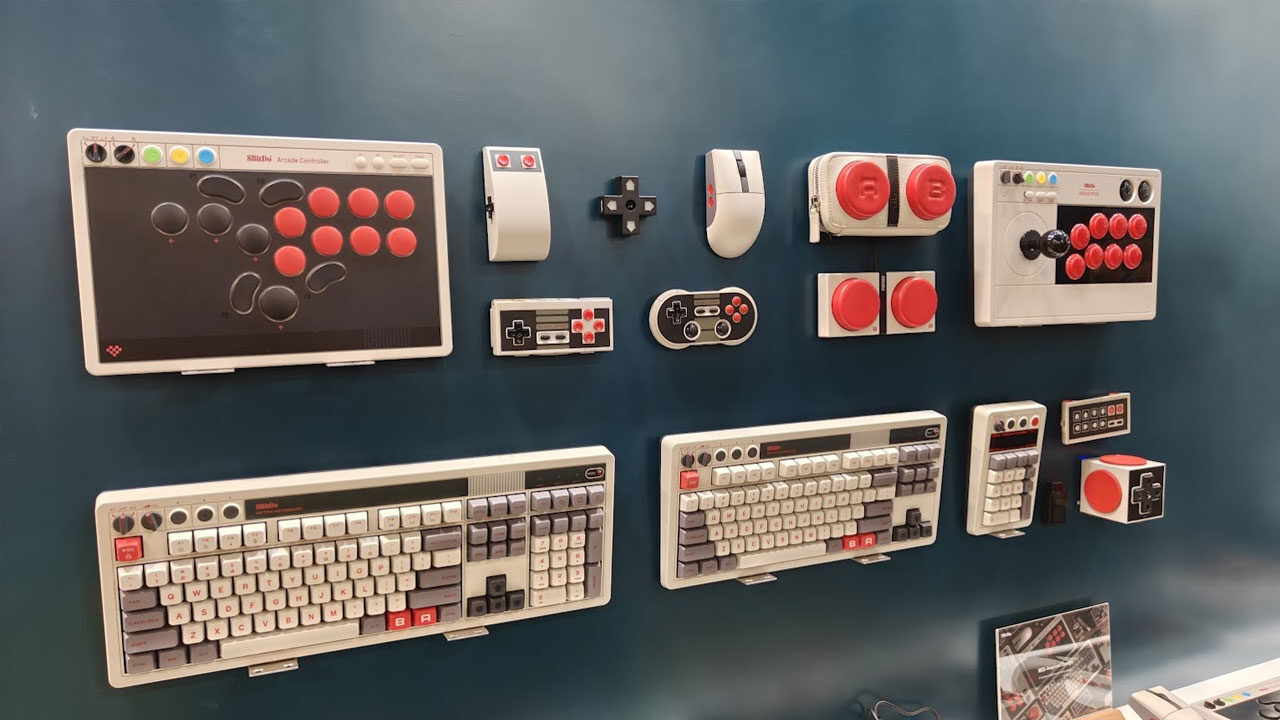
Gaming has always been where new tech gets tested first, and that hasn’t changed. Cloud streaming lets you start a demanding game on a phone or smart TV without buying new hardware. Handheld PCs have shown how much people love playing wherever they like. AI tools are also helping studios, especially small indie teams, build and ship games faster than they could before.
What players expect has shifted too. Cross-platform play and shared progress used to be nice extras. Now people get annoyed when they’re missing. If you bought it, earned it, or unlocked it, you want it to follow you from console to PC to phone. For more on where the industry is heading, keep an eye on the latest coverage at CGMagazine.
Who Owns Your Digital Stuff?
That “take it with me” mindset is why digital ownership keeps coming up. Anyone who has lost access to a game library when a store shut down, or watched a favorite skin disappear, knows the frustration. So who really controls the things we pay for online? Blockchain is one of several ideas developers are trying, because it can record ownership without depending on a single company’s servers. Open standards and shared account systems are being tested alongside it.
It’s early days, and there are fair questions about usability, scalability, and regulation. Some curious readers start with a search like xlm price usd to see how the market views networks such as Stellar, which is built around fast, low-cost transfers of value. For most people, though, the underlying tech matters less than the result: easier purchases, digital goods that move with you, and fewer walls between platforms.
What to Watch Next
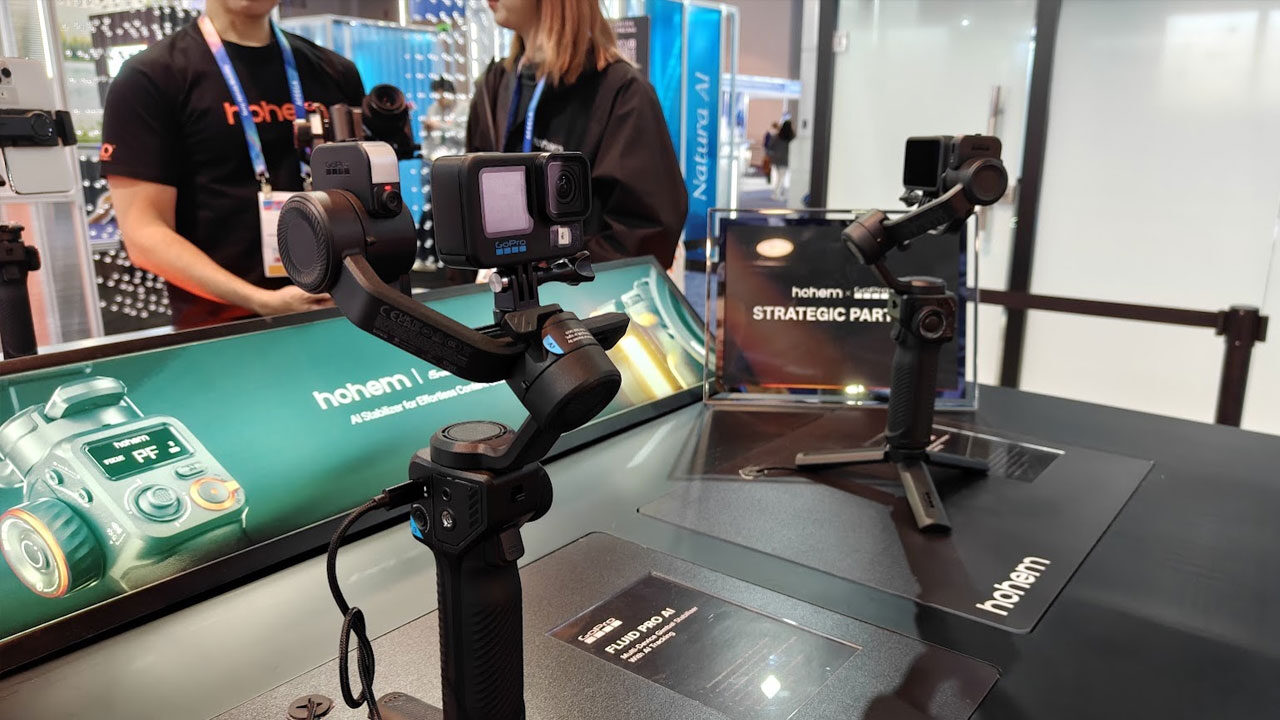
No single gadget will define the next few years. The interesting part is how AI, faster connections, better hardware, and new ownership models start working together. The winners will be the products that make all of that feel effortless.
So when the next big launch hits, ask a few plain questions. How’s the battery? What happens to my data? Is it worth the price? The answers to those usually decide what reaches the mainstream, and they’re a good way to cut through the hype.
It also helps to think about how a product fits into your day rather than how it looks in a launch video. Will you actually reach for it on a Tuesday morning, or only when you’re showing it off to friends? Check whether it plays nicely with the phone, console, or laptop you already own, because a device that works well on its own but poorly with everything else gets frustrating fast.
Reviews from people who’ve lived with it for a few weeks are usually more useful than first-day impressions, and a little patience often means better software updates and a lower price.