
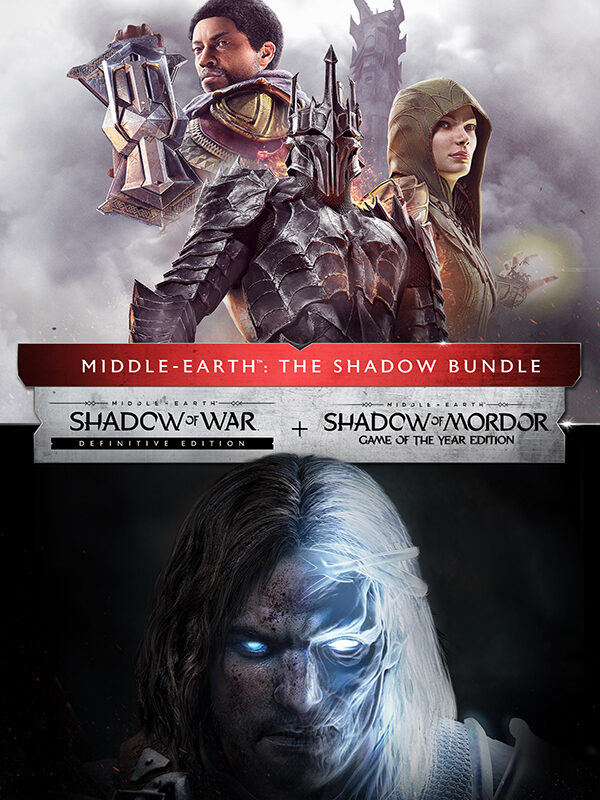

I’ve been thinking about the Nemesis System for a decade now, and the Middle-earth: Shadow Bundle on Switch has me thinking about it all over again. Somewhere around my fourth hour back with Shadow of War, a lowly Uruk captain I’d forgotten about strolled out of a mob, still wearing the scars from a fight I’d barely won, and started calling me out for what I’d done to his brother. It still had me grinning like an idiot.
That mechanic hit the ground running in 2014, and it can still catch me off guard in a way almost no other system in games can. It’s still a shame that we have to wait until 2036 before other games can start using it.
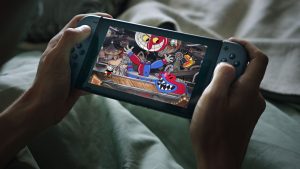
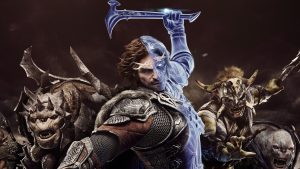
With the Middle-earth: Shadow bundle, you’re getting Middle-earth: Shadow of Mordor and Middle-earth: Shadow of War together, with all the DLC included. It really just makes it so now the Nemesis system is available on the go, and when the load times don’t matter, it’s really interesting to pop into the games for a few minutes, fight some Uruks and dip out.
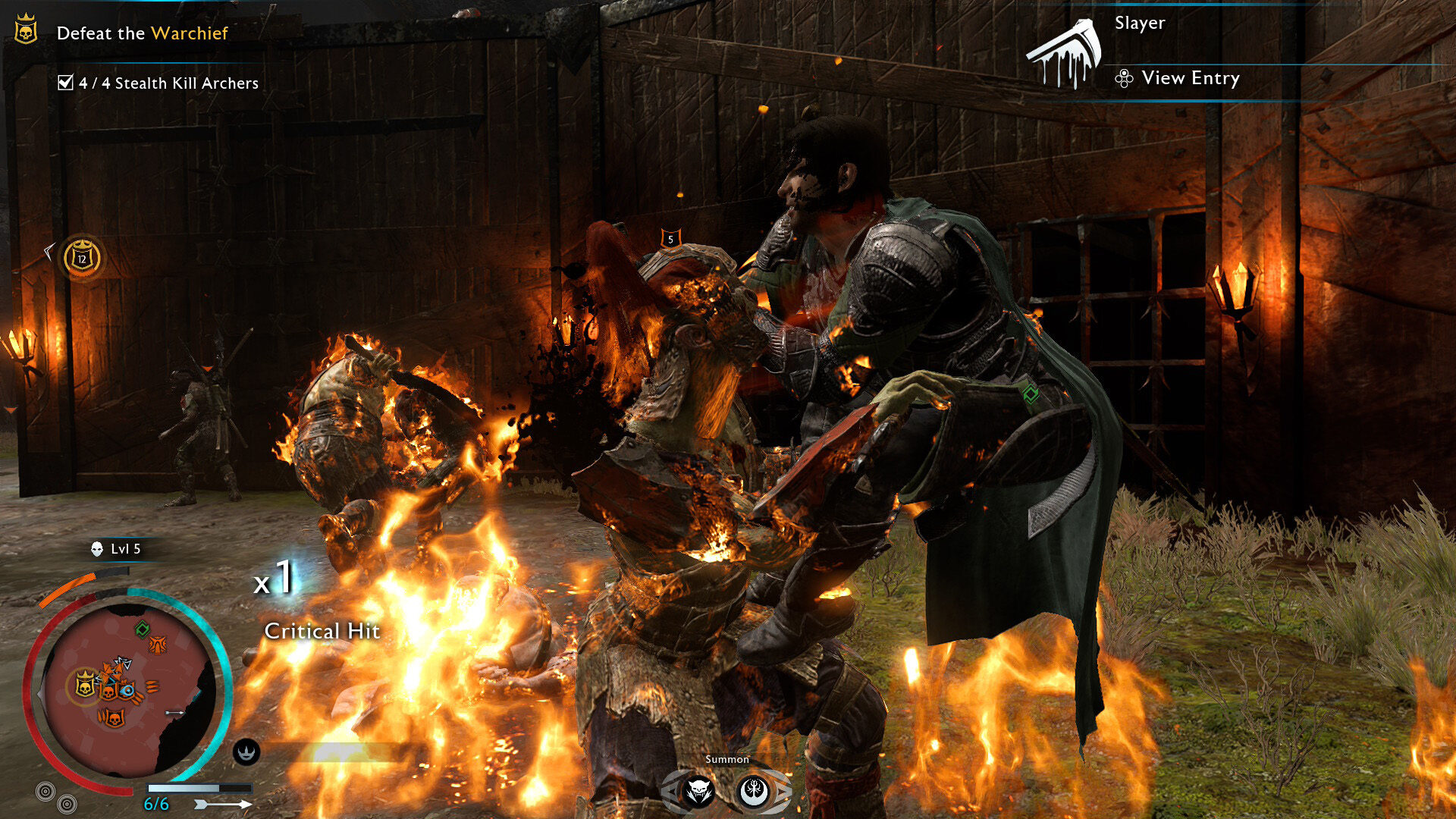
I’ll admit I was hesitant going in since Aspyr handled the port, and their track record is a mixed bag. Taking two demanding open-world games built for far more powerful hardware and squeezing them into a tablet is a tall order, and I was braced for the worst. The good news is that it isn’t a disaster. The bad news is that it isn’t a triumph either. It sits in a comfortable-but-compromised middle ground where you can see the seams if you look, and sometimes even when you aren’t looking.
“Shadow of War is the stronger game by a wide margin, and this version has a major advantage over its original release: the microtransactions are gone.”
There are two big pain points for the ports on Switch, and the first one is that the load times in Shadow of War in particular can be genuinely rough, sometimes stretching past thirty seconds. That doesn’t sound catastrophic on paper, but it adds up when you’re loading into the world and know you have a long load ahead of you. It won’t ruin the experience, but it sure did test my patience, and if you like quick sessions on a commute, just be ready to spend some time looking at the loading screens.
Pop-in is the other big offender, especially in Shadow of War, because it is built around speed and traversal, especially once you unlock the Elven abilities that let you rocket across the map, and that’s exactly where the port struggles. Blaze through Mordor’s ruined landscapes at full tilt and you’ll watch geometry, foliage, and enemies materialize in front of you like the world is still being assembled as you run. It’s distracting, and it pulls you out of the fantasy of being a ghostly wraith carving through orcs. Textures can also go a little muddy, particularly when handheld,d which is why I spent most of the time docked or playing in bed when I didn’t really mind.
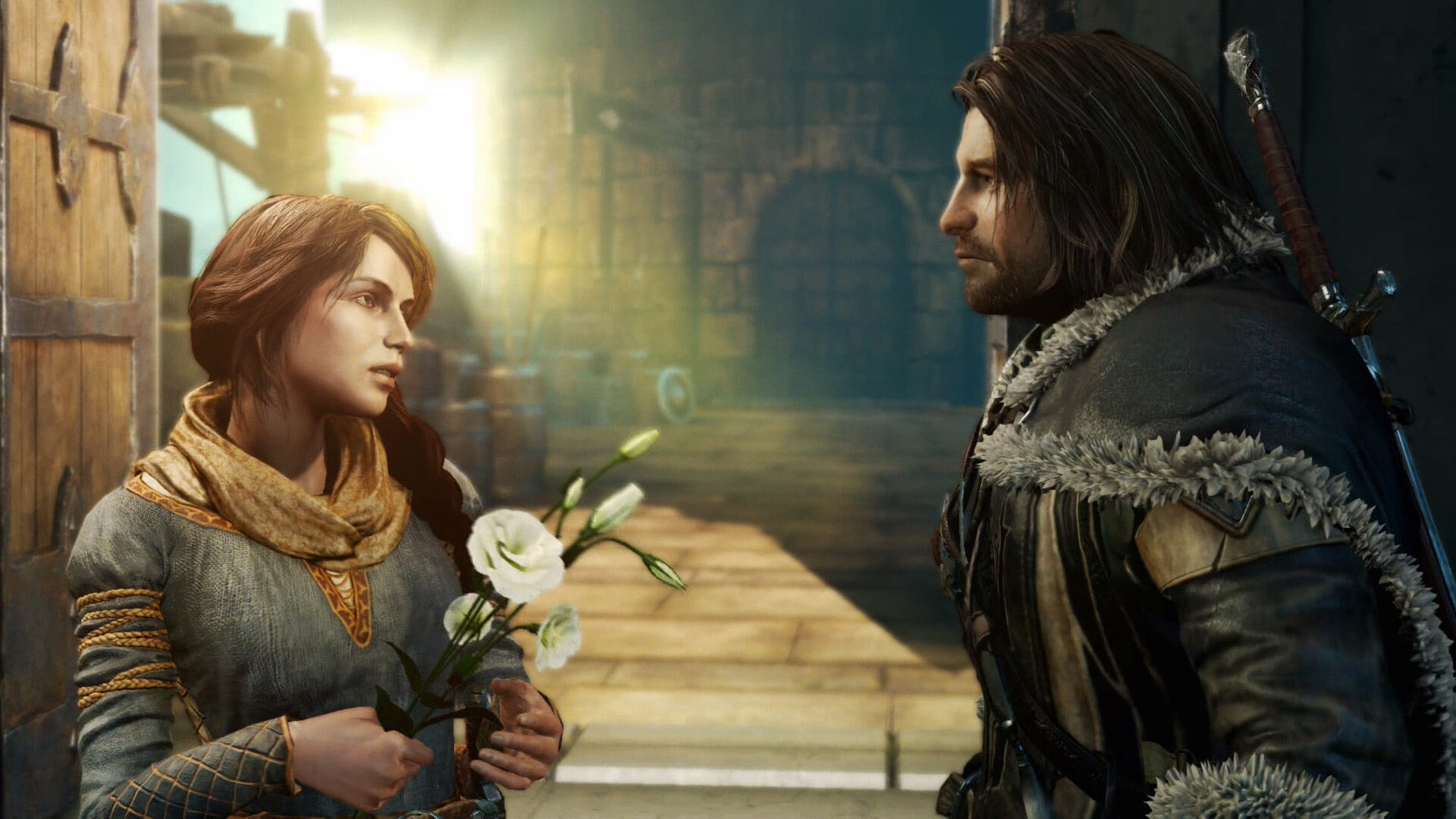
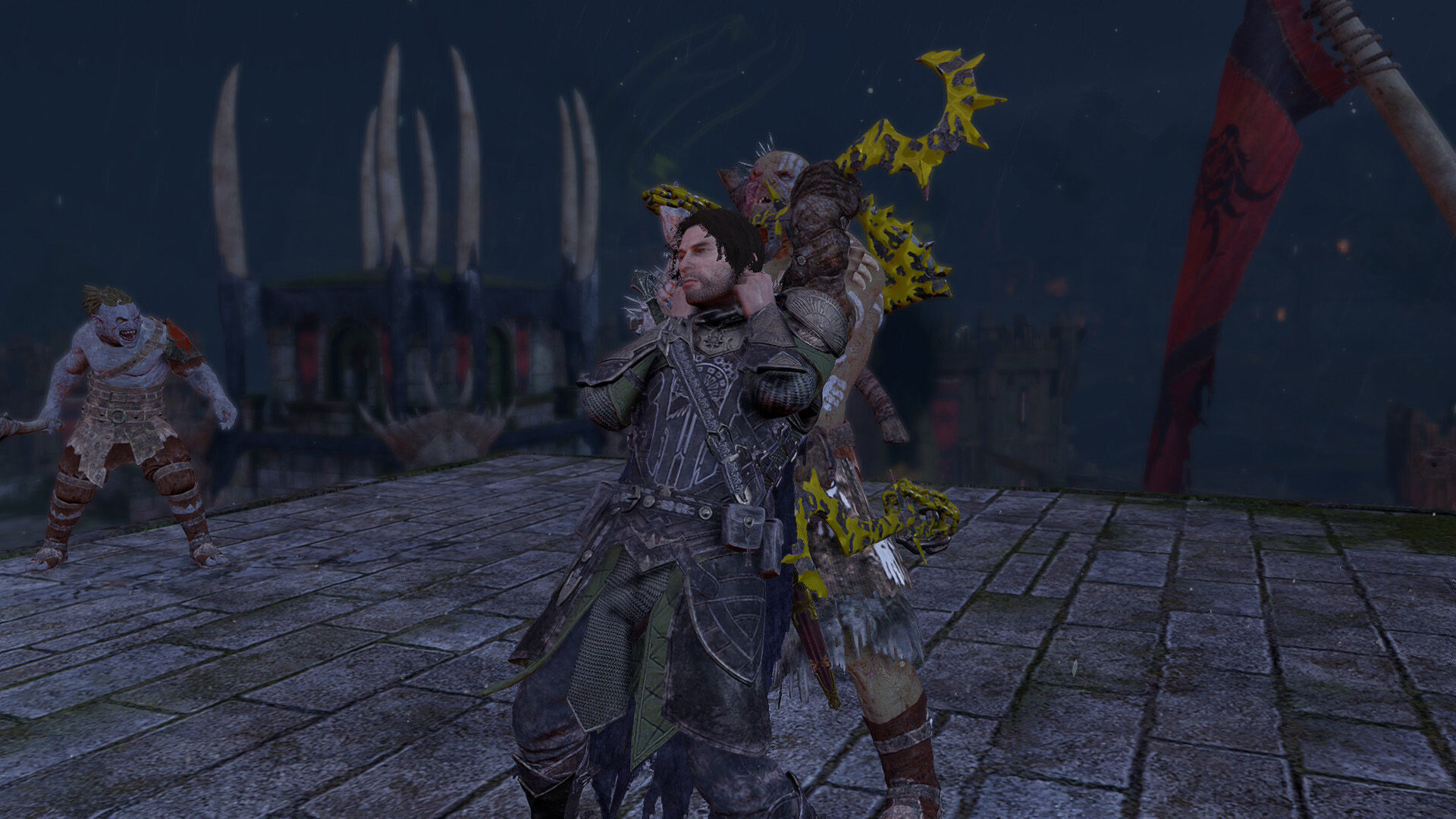
That being said, none of it really put a damper on how much fun these games can be in the minute-to-minute gameplay. If you’ve played the Batman: Arkham series, you will immediately see that both games borrow the free-flow rhythm, where you chain strikes, counters, and finishers into some of the most fluid combat across a crowd of enemies, and the flow is everything. Talion’s toolkit is more brutal than Batman’s, with beheadings, bloody stealth takedowns, and a bow that slows time, but the DNA is clear. It works because it’s readable, but the game always keeps you on your toes.
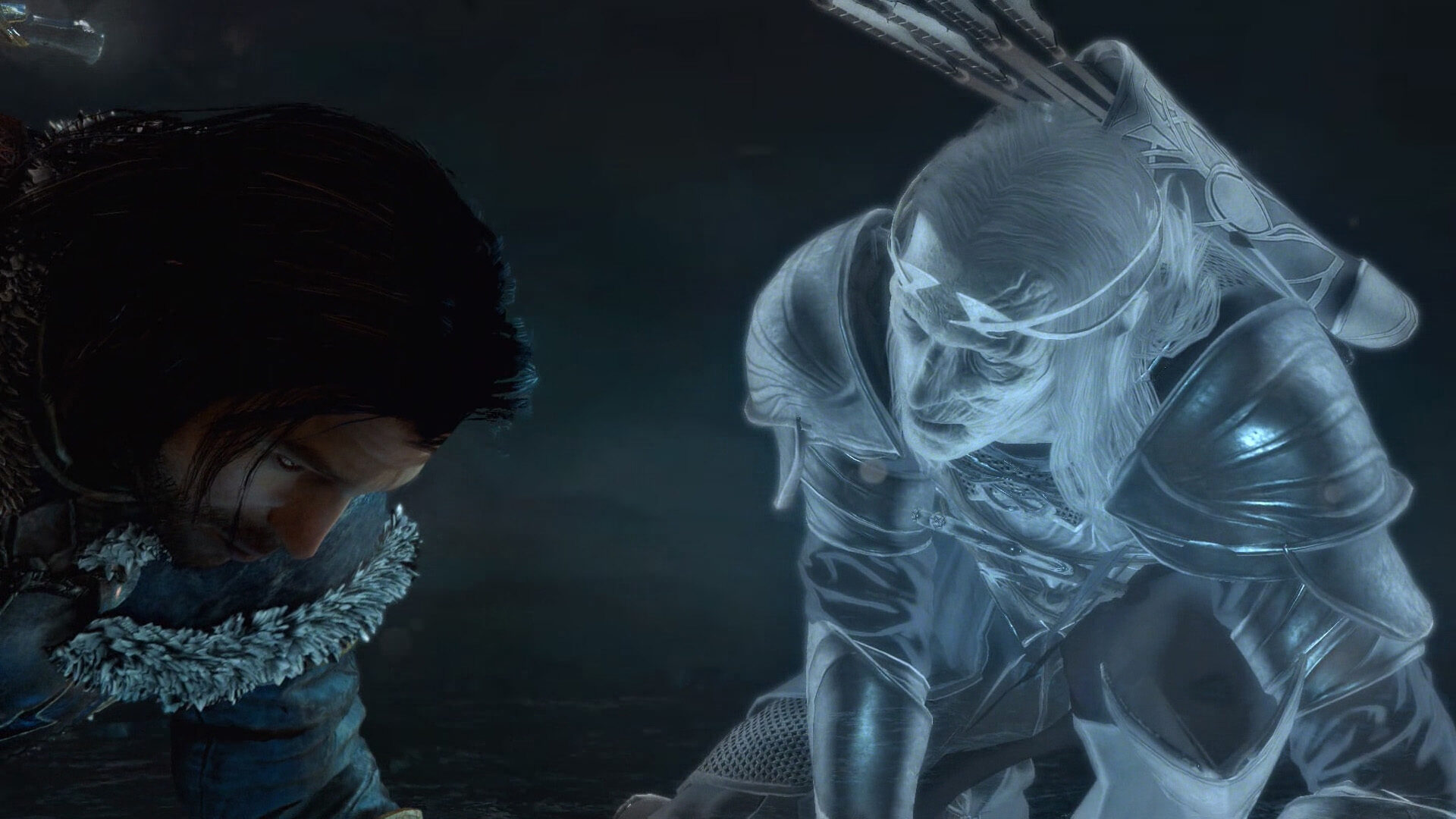
The stories are worth talking about too, because they go in stranger directions than you’d expect from licensed action games. Shadow of Mordor opens with Talion, a Ranger of Gondor stationed at the Black Gate, watching his family get slaughtered in a ritual by Sauron’s Black Hand before being killed himself. Instead of dying, he’s bound to the spirit of a mysterious wraith with no memory of who he is.
It’s a revenge story on the surface, but it slowly reveals that the wraith is Celebrimbor, the Elven smith who forged the Rings of Power with Sauron, and I always loved the idea that the game is directly connected to The Lord of the Rings instead of just some small offshoot. It’s lean, tightly paced, and driven by a strong sense of personal loss. It’s also the more restrained of the two, which suits the smaller scope.
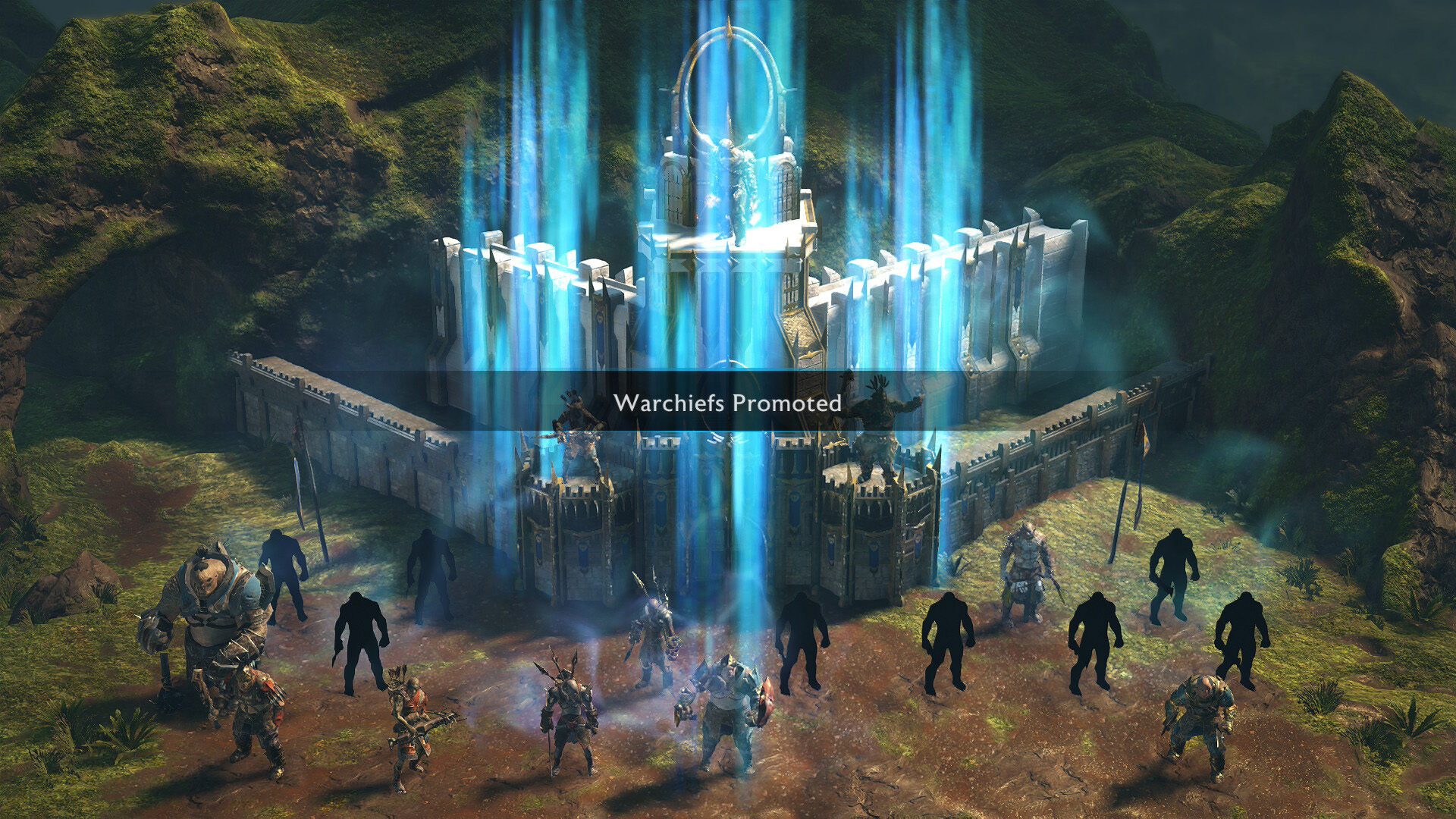
Shadow of War takes the setup from Mordor and blows it wide open. Talion and Celebrimbor forge a new Ring to challenge Sauron, and the story spirals into a war for control of all of Mordor, complete with fortress conquests and betrayals that really show off how great these games are. There’s a tragic quality to how Talion is pulled further from the man he was, and the story becomes about how far you can go for revenge before you lose yourself. The added DLC stories, including Eltariel and the Bright Lord, widen the scope a bit more, though your mileage will vary on how well they fit the tone.
“I’ve been thinking about the Nemesis System for a decade now, and the Middle-earth: Shadow Bundle on Switch has me thinking about it all over again.”
Now, there is an elephant in the room that I didn’t really consider when I was getting ready to jump back into these games: One of them aged significantly worse than the other. Shadow of Mordor, played back-to-back with its sequel, is noticeably rougher around the edges. The map is smaller, the animations are stiffer, the progression is leaner, and the whole thing feels like a prototype for what Shadow of War would later perfect.
That’s not an insult. It’s the nature of a first attempt at something new. It’s still a great game, and the Nemesis System is astonishing in it, but jumping into it after the sequel is like going from a modern hatchback back to a beloved older car. It gets you there, but you notice the difference.
Shadow of War is the stronger game by a wide margin, and this version has a major advantage over its original release: the microtransactions are gone. There are also some welcome changes, including the ability to skip some of the more verbose enemy introductions if you want.
Shadow of War’s launch was tainted by loot boxes and a marketplace that seemed designed to nudge players toward paying to skip the late-game grind, casting a long shadow over an otherwise excellent action game. Stripped of all that, the experience feels cleaner and more honest. The late-game slog is still there, but without the nagging sense that it was built to upsell you, it is far easier to forgive. Shadow of War is a much better game now than it was at launch, and I am glad more people will get to experience it this way.
“The Nemesis System remains the star, and I keep coming back to it because nothing else has really come close to making me feel like I am living in the world as well as the Nemesis System does.”
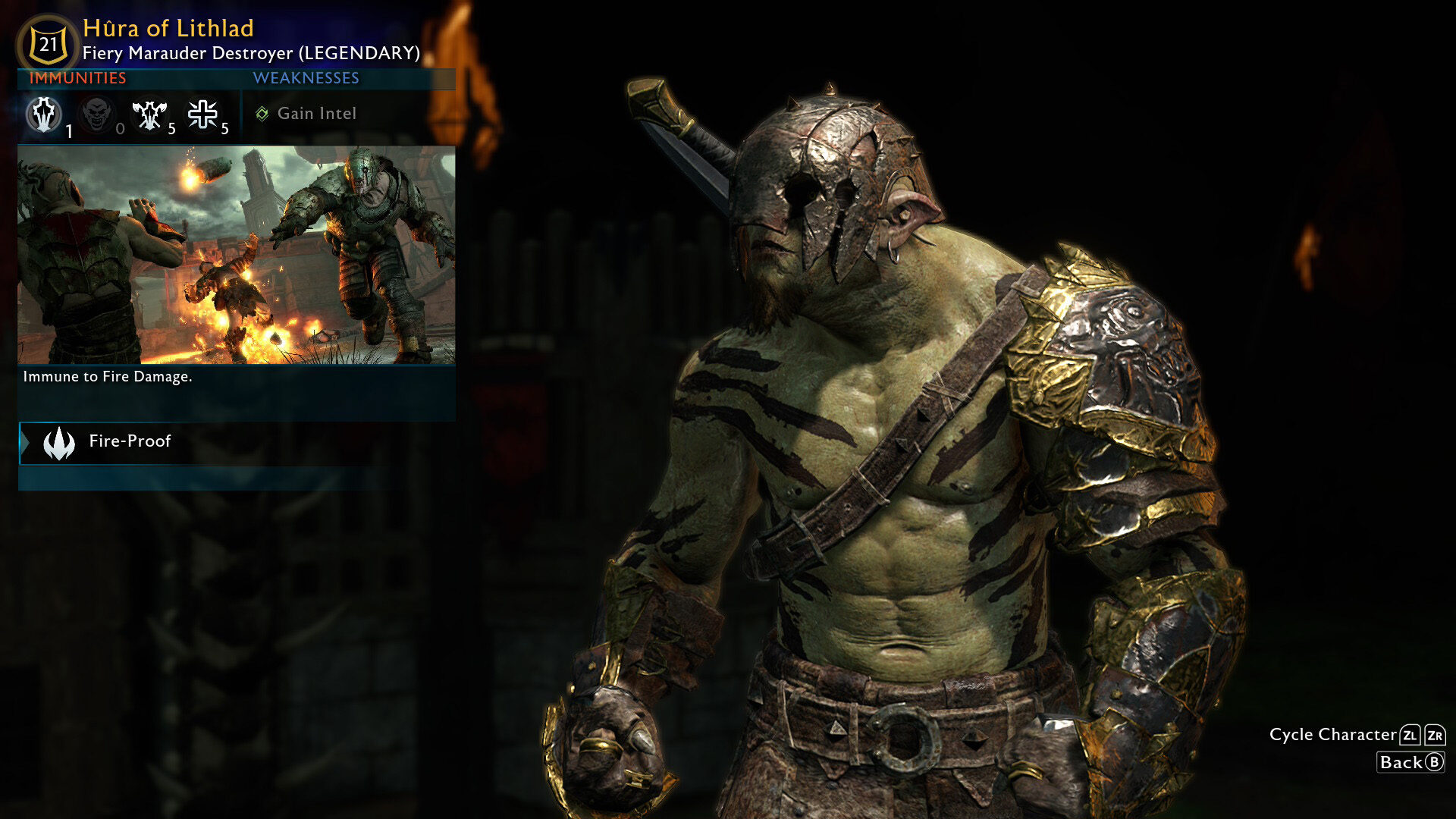
The Nemesis System remains the star, and I keep coming back to it because nothing else has really come close to making me feel like I am living in the world as well as the Nemesis System does. Every Uruk, Olog you meet has a name, a personality, strengths and fears, and a memory of what you did to them. They rise through the ranks, they get promoted when they kill you, and they come back with new scars and grudges and learn from every encounter they have with Talion.
The stories that emerge feel personal in a way scripted narratives can’t match. I’ve had rivalries develop organically, betrayals I didn’t see coming, and moments where a random Uruk ended up more memorable than the main villain. It has remained one of, if not the most replayable games I have ever played.
If you never played these games, this is a great way to get both in one package with all the extras, and the handheld factor is a real selling point. If you’re a returning fan, the microtransaction-free Shadow of War and the portability might be enough to tempt you into another run through Mordor. Just go in with reasonable expectations. The loads are long, the pop-in can be obnoxious, and the textures can be a little muddy.
But the heart of these games, the Arkham-style combat, the tragic story of Talion and Celebrimbor, and the mad brilliance of the Nemesis System survive the trip intact. It’s a compromised port of two great games, and I’m happy to keep playing it anyway.