
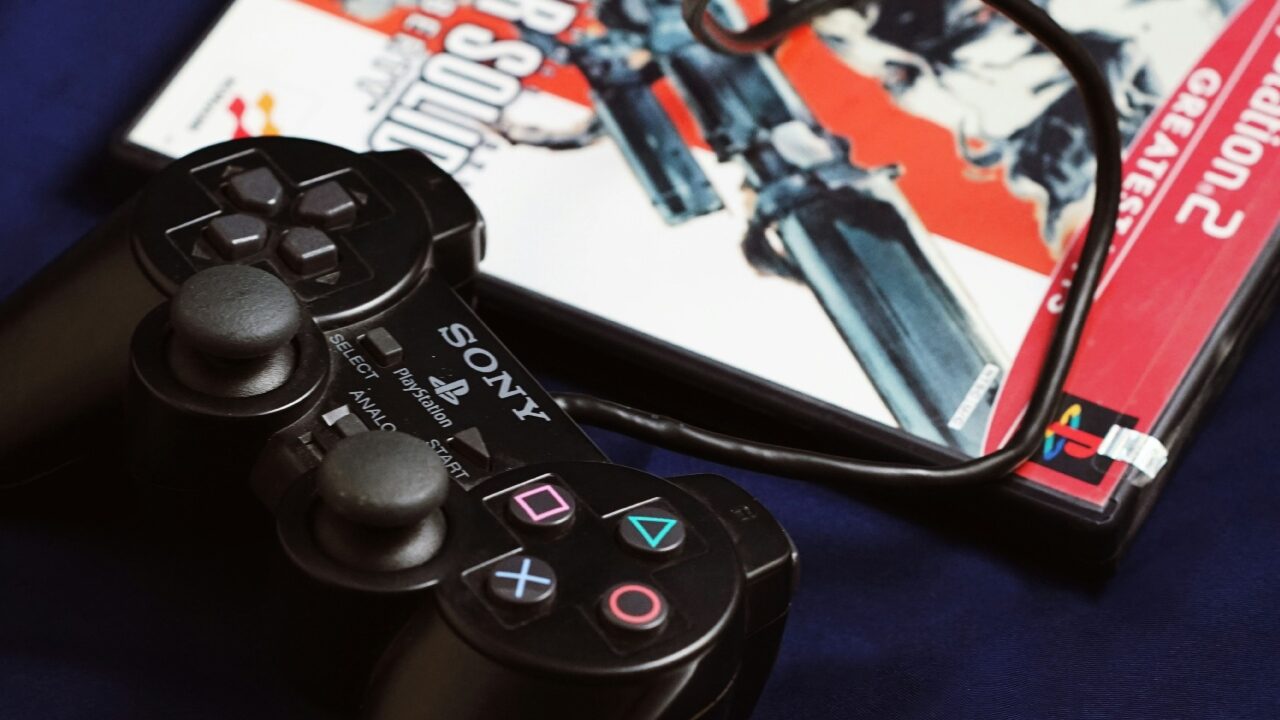
Pull a sealed console box from a closet 20 years after launch day, and it hits differently than you expect. The receipt still tucked inside, the manual with thumbed pages, the slight scuff from a move you barely remember-the object becomes a time capsule. That is the same pull that built decades of comics collecting, and it is exactly what is happening in gaming right now.
Nostalgia brings people to the table, limited editions create urgency, and shared culture decides what becomes iconic-whether you are tracking a rare variant or monitoring the XRP price to see if your digital portfolio can fund your next big vintage find. The difference between a collection and a pile of expensive stuff is a plan. This guide gives you one.
What Actually Counts as Gaming Memorabilia
The categories that hold long-term interest
Gaming memorabilia falls into a few reliable buckets, and understanding which ones carry lasting collector appeal matters before you spend anything. Physical items — sealed games, complete-in-box releases, hardware revisions, controllers, and handhelds — form the core of most collections. Collector’s editions designed to be kept rather than used: statues, art books, steel cases, and soundtrack sets. Printed materials that most people threw away: strategy guides, inserts, fold-out maps, and original posters can carry surprising weight when they are complete and original.
Promotional and event items offer a different kind of appeal. Press kits, store displays, tournament merchandise, convention exclusives, and launch event swag tie directly to a specific moment in gaming history. Era significance is the concept that matters most here: memorabilia holds longer collector interest when it represents a turning point — an early entry in a franchise that became enormous, a landmark competitive season, a hardware generation shift, or the debut of a creator who became influential. Objects anchored to a moment that actually mattered to the culture are the ones that age well.
Limited, rare, and valuable are not the same thing
Scarcity only matters when it meets demand, condition, and cultural relevance – and those three conditions are more independent than most new collectors expect. Mass-produced “limited run” items can still be common on the secondary market if most buyers purchased them specifically to store. Reprints and later editions can look nearly identical to originals, and the confusion between them inflates hype without reflecting real scarcity. Damaged packaging — even damage that seems minor — can erase most of the premium that condition commands at the high end of the market. None of this makes a purchase wrong. It changes what the item is and what it should cost.
Building a Collecting Thesis
Pick a lane before you start buying
The most common mistake in gaming memorabilia collecting is starting without a thesis. Without one, each purchase feels justified in isolation, and the collection becomes incoherent over time — a pile of interesting objects with no through-line. A collecting thesis is a single sentence that explains what the collection is trying to preserve, followed by three boundaries: what belongs, what does not, and what is “maybe later.”
Useful thesis templates include: one franchise across all eras, one console generation from hardware to software, esports history built around event badges and tournament programs, developer or studio artifacts that trace a creative body of work, or regional releases and variants. The thesis is not a restriction on enjoyment. It is a filter that makes every purchase decision faster and more confident, and it is what gives the collection an identity that a pile of expensive stuff never has.
Budget rules that prevent the hobby from becoming stressful
A collecting budget is less about precise math and more about building habits that protect against impulse. The practical framework that experienced collectors use: set a monthly cap, set a per-item maximum, and enforce a 48-hour cool-off for anything that approaches that maximum. Add a one-in-one-out rule when storage starts to fill, and keep a small reserve fund specifically for grails – pieces that represent the collecting thesis at its highest level – so that when one appears, acquiring it does not require selling three other things in a panic.
Condition, Completeness, and Provenance
The comics-grade mindset applied to games
Condition grading is where collectors gain confidence or quietly lose money, and most losses happen not from fraud but from optimism. Small defects matter much more at the high end of the market than intuition suggests. A working checklist before every purchase: inspect corners and edge wear on boxes, confirm shrink wrap integrity on sealed items, check for dents, tears, sticker residue, and sun fading on spines and plastic. For complete-in-box items, verify that inserts and manuals are original — not replacements or photocopies. For cartridges, check for battery corrosion, label damage, and any signs of repair. Smell matters more than it sounds: smoke or heavy odours are difficult to reverse and affect long-term storage conditions.
The practical rule at the high end is to pay less for uncertainty rather than more for optimism. An item that might be in great condition is not the same as an item that is verifiably in great condition, and the price difference should reflect that gap.
Documenting provenance from day one
Provenance is the collector’s quiet advantage — it reduces fraud risk, supports insurance, and provides the context that makes a collection meaningful rather than just valuable. The documentation habit is simple: take photos of each item on arrival, keep purchase confirmations, and hold any relevant event materials if the piece is tied to a convention or tournament. For signed items, store verification notes and close-up photos taken at the time of purchase.
A short story card for each significant piece adds context that photographs alone cannot carry: what the item is, why it fits the thesis, when it was acquired, and what condition was observed at the time of purchase. It sounds labour-intensive until the memories blur and the documentation becomes the only record of why something matters.
Sourcing Without Getting Burned
Five channels and what each does best
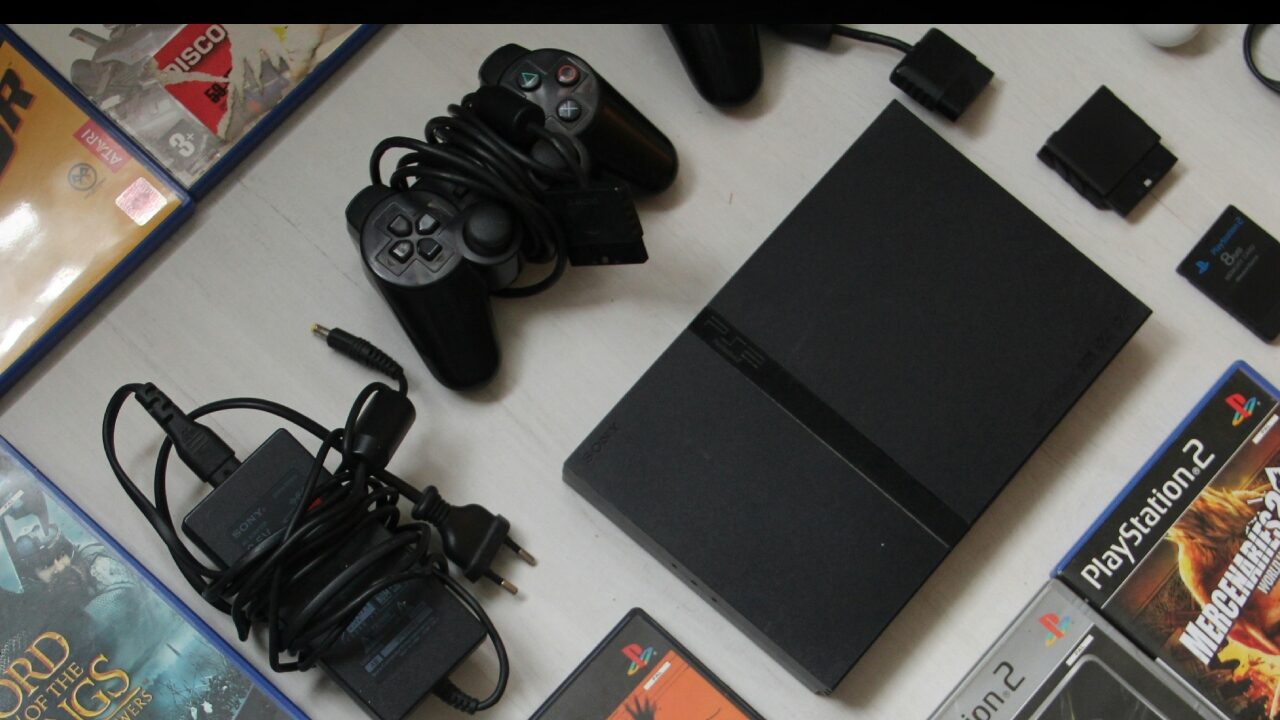
Where to source gaming memorabilia depends on what the collector values most at a given moment: inspection, price discovery, network, or serendipity. Local game stores win on in-person inspection – holding an item, checking inserts, and catching odours before purchase. Conventions lean toward network and discovery; they are where collectors learn what is trending, what is fake, and who consistently carries quality. Auctions help with price discovery for unusual pieces where comparable sales are sparse. Collector communities offer honest relationships but require patience and reputation-building over time. Estate sales bring serendipity – era-specific pieces that never touched the modern resale circuit at all.
The strongest collections use more than one channel because each surfaces different kinds of pieces. A collector who only buys from one source is limiting both the quality and the variety of what they find.
Due diligence questions that prevent awkward deals
A consistent verification process reduces mistakes without creating friction. Direct, polite questions work well in any sourcing context: Has there been any restoration? Are you the original owner? Can you photograph the serial number, board, or insert? Any smoke or pet exposure? For sealed items: has it ever been rewrapped or resealed? Negotiation works best when it focuses on condition, completeness, and verifiable uncertainty rather than trying to extract value through pressure. A respectful tone keeps relationships open, and those relationships matter in a collecting community where the same sellers and dealers reappear across years.
Storage, Display, and Long-Term Preservation
The slow damage that most collectors ignore
Most deterioration in gaming memorabilia is preventable with basic environmental control, and most of it happens so gradually that collectors do not notice until it is irreversible. UV damage is the quietest problem: sunlight fades spines, yellows plastics, and weakens paper over time without any single visible event marking the damage. Temperature and humidity stability matter more than achieving perfect conditions – consistent is better than ideal. Attics, garages, and basements introduce the swings that accelerate aging most aggressively.
Practical storage does not require specialized equipment. Acid-free sleeves for printed materials, protective cases for boxes, dust covers for display shelves, and silica gel packs in closed containers address the majority of long-term risk. Handling habits matter at the margins: clean, dry hands for most items; gloves when handling high-gloss surfaces or delicate paper.
Inventory as the foundation of a serious collection
An inventory supports insurance documentation, informs decisions about duplicates and upgrades, and keeps the collection coherent to the thesis over time. A simple spreadsheet covers the essentials: item, edition, condition notes, purchase price and date, photo file location, and provenance summary. Add a column that notes why the item fits the thesis – this single field keeps the collection from drifting into random accumulation. Insurance conversations are substantially easier when an inventory exists, and the habit of logging a purchase immediately after making it takes thirty seconds and saves hours later.
Running Comps and Understanding Market Value
Market value in gaming memorabilia is best estimated from recently sold comps, not asking prices. Listings represent hope; completed sales represent reality. A reliable method: collect three to five recent sales of the same edition in comparable condition, adjust for completeness, and note whether the item sells regularly or sits. Seasonality matters – anniversaries, remakes, and franchise announcements can spike demand temporarily, and those spikes fade. An item can be worth a meaningful amount on paper and still be genuinely difficult to sell quickly without discounting. Comps should answer two questions: what it sold for, and how often it actually sells.
The Starting Sequence That Works
The most reliable way to begin a gaming memorabilia collection is not to buy a lot of things – it is to build the system first. Write a collecting thesis. Set a monthly budget and a per-item ceiling. Build the inventory template before the first purchase goes into it. Then make one purchase that fits the plan, is easy to document, and is easy to store. That first deliberate acquisition sets the tone for everything that follows. Consistency builds a collection that lasts. The point is not to own everything. The point is to own the right things, on purpose.