


These are exciting times in the world of gaming. As ever, technological changes are at the heart of the matter alongside the increasing number of gamers coming on board all across the world. As we’ll see, these changes are revealing themselves in five key areas which affect everything from the ways people are playing games to how game providers are making money.
Recent research has also managed to unearth some very surprising findings about who’s playing and where the industry could well be headed in the future.
Esports Goes Mobile
There was a time, not so very long ago, that mobile esports were very much a niche activity. But now it’s attracting record numbers of viewers, which, in turn, is attracting bigger and bigger sponsors and major brand investment. It’s a revolution that’s come from the East primarily, and many regard the inclusion of Mobile Legends: Bang Bang as an official event in this year’s Asian Games as a signifier of its full integration.
Also highly significant has been the contribution of TikTok Live, which has brought in many more viewers than ever before. It’s achieved this by reaching out to audiences with its short clips that can’t fail to whet their appetite for more.
AI and Personalization
It comes as no surprise that AI is also starting to make big inroads into the world of gaming. This is particularly manifesting itself in the area of game personalization. Previous methods of player engagement have relied on set levels of difficulty, formal interactions and pre-determined content.
AI is blowing all of these out of the water with its ability to analyze player behaviour and preferences. Increasingly, this means that games are starting to adapt in real time, changing the gaming experience from a pre-ordained progression to one that’s far more fluid and responsive.
An unexpected benefit for developers is that AI is now doing a great deal of the work for them, saving on the cost of scripting and manual programming.
Increased Community and Interactive Streaming
Another shift is occurring in which the players themselves are becoming game creators in their own right.
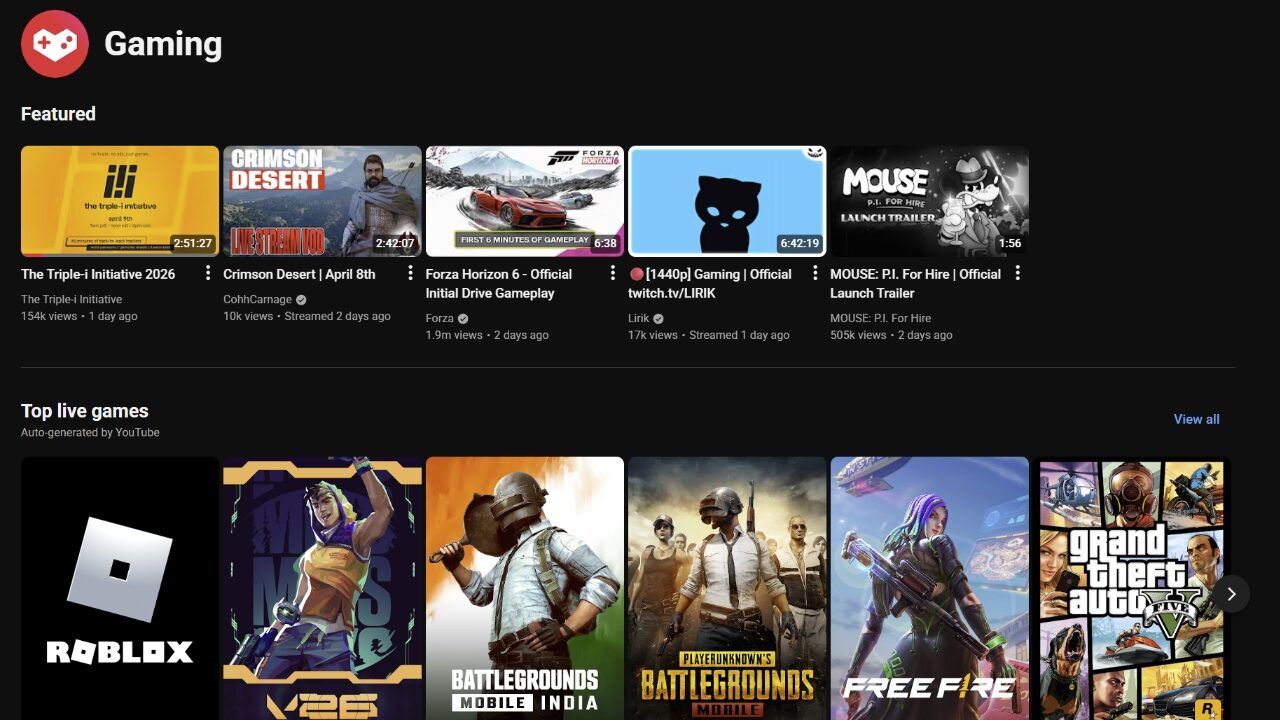
This is being actively encouraged by the most commonly used platforms like YouTube Gaming and Twitch, whose vision is to empower the audience to have an active role in creating community-driven content. Using software like Genvid SDK and Amazon GameLift allows them to directly interact with live streams with actions like voting on what should happen next in a game.
It’s been found that using this kind of technique can increase engagement by almost 30%, even for viewers not actively participating. In turn, this is helping to turn sites like Twitch into community hubs as well as simply being gaming platforms.
Cross-Platform Play
The old silos that kept PCs, consoles and mobile devices decisively in their own respective corners have seen a wrecking ball steadily move through them. Developers have been quick to latch on, and today, over 1,200 games support cross-platform play with an obvious uplift in player engagement.
Much of this is down to the increasingly complex cloud computing infrastructure that has allowed devices like the PlayStation Portal to operate so effectively. The fact that many of the biggest games, including Fortnite and Apex Legends, have embraced cross-platform play has also played its part.
As with several other developments mentioned, this is helping to build bigger, more united communities that can mix together whichever devices they choose to play on with each other.
Making Games Pay
Free-to-play has become firmly established as the dominant model. This continues to lead to a shift in the way that developers make their money back. Also key to this has been the success of the subscription models like the Xbox Game Pass and PlayStation Plus. The latter has ensured a steady flow of revenue rather than generating the peaks and troughs often experienced in the single purchase system.
While the former still relies on in-game purchases, there has been a subtle shift in the way that controversial loot boxes are being handled. Many games are starting to include Battle Passes as an alternative, which is generally considered to be a more transparent offering for players.
This trend is also evident in the iGaming sector, where many operators offer attractive bonuses to entice players to sign up and play using the site’s funds before depositing their own. In Canada, these sites are frequently reviewed by affiliate sites such as Casino.org, often earning higher ratings when they provide generous bonuses, highlighting how incentives can influence player engagement and reputation.
Another increasingly used technique is rewarded advertising, which costs players nothing but their time, but can have some major income implications for the developers. It all adds up to a fast-changing gaming environment that would have been unrecognizable even a decade ago.
As technology and player preferences march on, it could be that there are even more major changes to come. So we’ll just have to wait and see what the future has in store for gamers everywhere.