
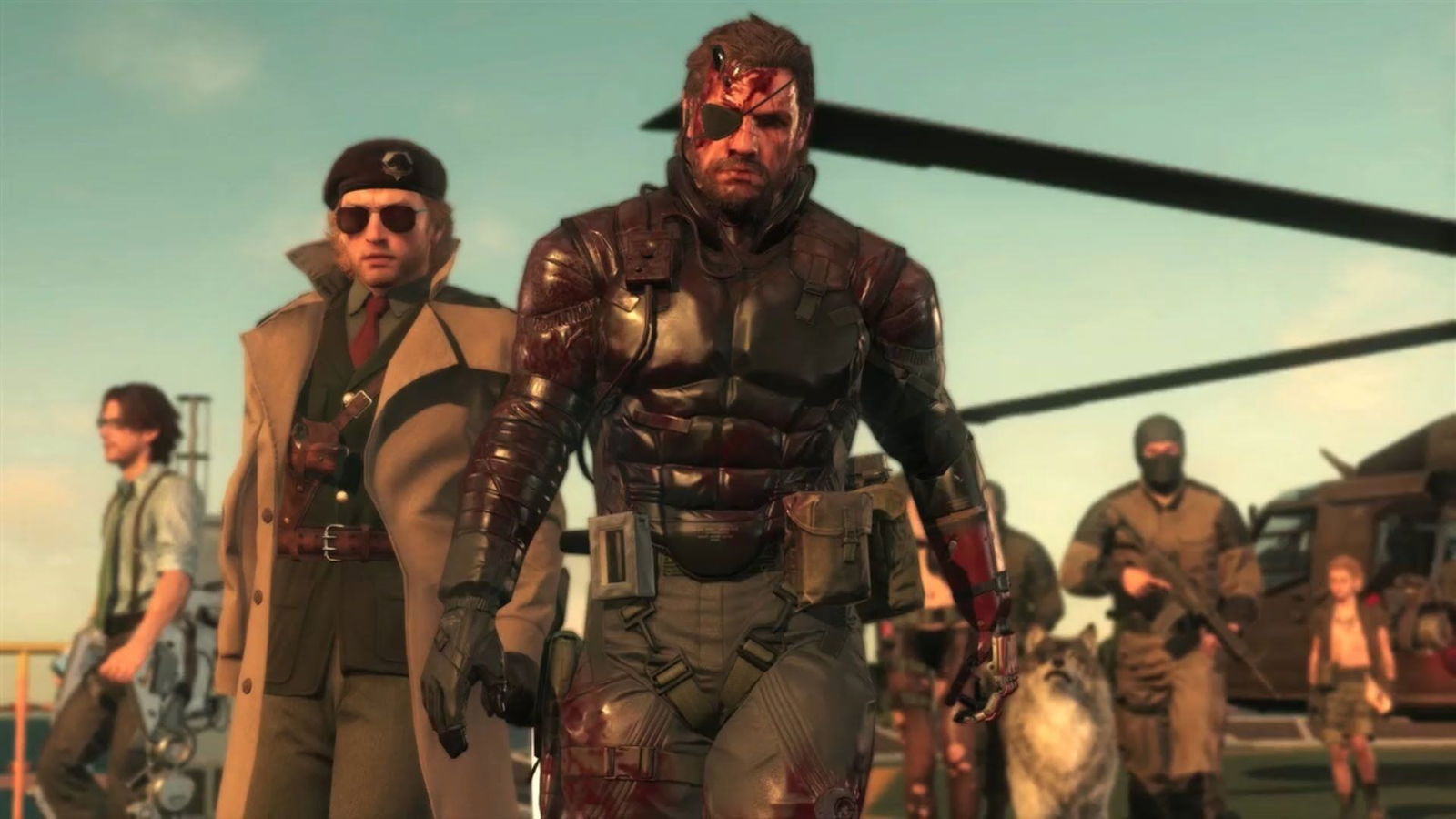
You meet him in a crouch, close to the floor, eyes up, hands calm. The sneaking suit and bandanna sell intent, and the look lands as a function first. Solid Snake turns stealth into a kind of manners. He keeps his voice low and asks clear questions. He treats every room like it has ears. You feel that discipline through the controller, which makes his charm feel earned.
Among the many PlayStation legends, Snake’s case is simultaneously dazzlingly impressive and decidedly humble. You chase a clean exit, and Metal Gear Solid sets the score as silence and control. The missions reward attention to sound and timing, and the humour sits inside that tension as a steadying habit. He feels like a professional who still has to improvise, which keeps the fantasy grounded and makes victories feel personal.
A loop built on near misses
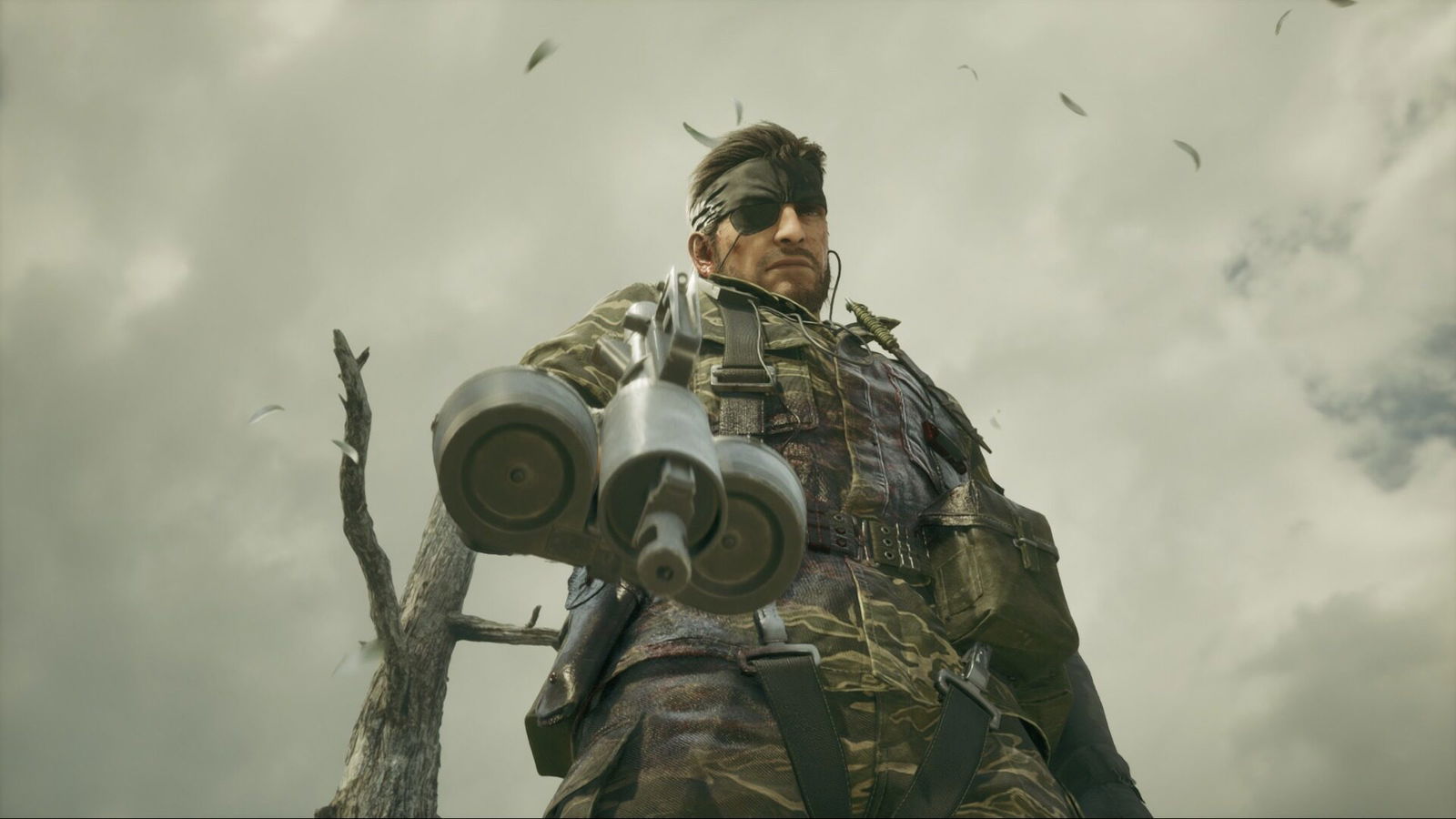
Metal Gear works because it turns attention into a resource you spend in tiny units. You watch patrol loops, read the Soliton radar and treat each corridor like a timing puzzle where a single footstep can flip the whole situation from calm to loud. The game even draws that pressure for you. During noise mode, the radar shows a red cone for a guard’s field of view, and the system invites you to act on it, crawl, pause, redirect, then move again. You end up thinking in short decisions, the same way Snake does, because the interface keeps translating risk into something you can see and manage.
Casino.ca’s full guide of Alberta online casinos works less like a destination and more like an interface. It gathers key details in one place so you can scan the field, read the layout, and understand what separates one option from another before you commit. Each click feels intentional, a small advance rather than a distraction. You move from page to page the way you move between rooms on Shadow Moses, pausing to check how systems are structured, what rules shape the space, and how different setups change your approach. The tension comes from pacing and prompts, but control comes from slowing down, treating the information like a briefing, and choosing your next move with purpose.
Konami released Metal Gear Solid on the original PlayStation in Japan on September 3, 1998, and then in North America on October 20, 1998. Shadow Moses gives you a practical hero. Snake infiltrates, rescues, sabotages, and stops a nuclear threat, yet he does it through procedure, crawl, listen, distract, and move. It feels like a set piece in Mission: Impossible, where timing does the heavy lifting, only you choose the breath and the footfall.
Craft you can read at a glance
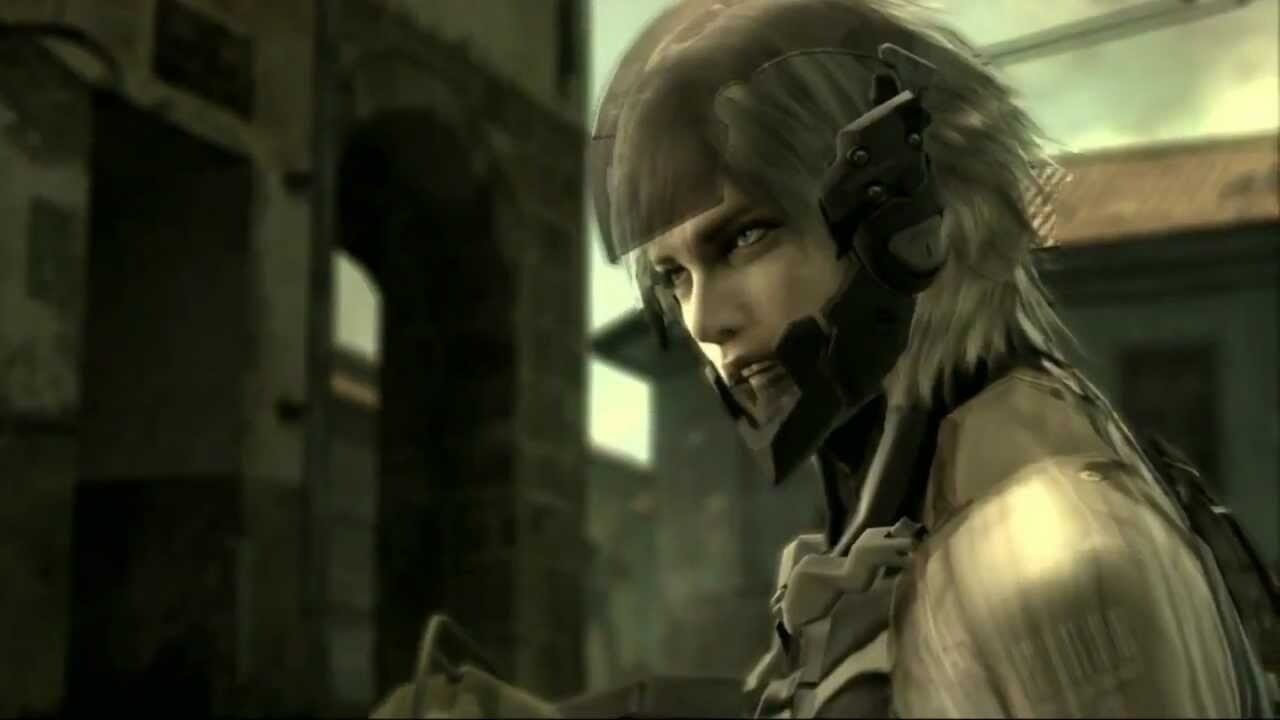
Yoji Shinkawa’s design teaches you how to play. The silhouette reads as mobility over armour, and the bandanna reads as stubborn focus, so you approach spaces with patience instead of bravado. Metal Gear Solid 4 turns camouflage into a mechanic with OctoCamo, so the outfit expresses the stealth idea in plain sight. David Hayter voices Snake in English with clipped warmth, so codec calls with Otacon stay legible even when the plot piles on conspiracies and clone politics, and you still track the objective.
Stealth designers often describe play in terms of exposure and margin, and researchers have tried to quantify that feeling. A paper presented at FDG proposed metrics for “risk” along stealthy paths, using visibility and enemy movement as measurable factors. That matches what you do with Snake. You read patrol rhythm and pick cover, then you decide when speed beats waiting. You keep a mental ledger of sight lines and sound, plus what each distraction buys, so you take calculated risks and recover fast when the plan bends.
New places, same DNA
Metal Gear Solid 2 uses Snake as a steady reference point while the story follows Raiden on the Big Shell. Snake and Otacon form Philanthropy and chase Metal Gear projects as they spread, and Snake keeps showing up as the operator who turns chaos into a route. The arc builds the legend through competence, and you see it in the way he keeps moving when the briefing turns unreliable.
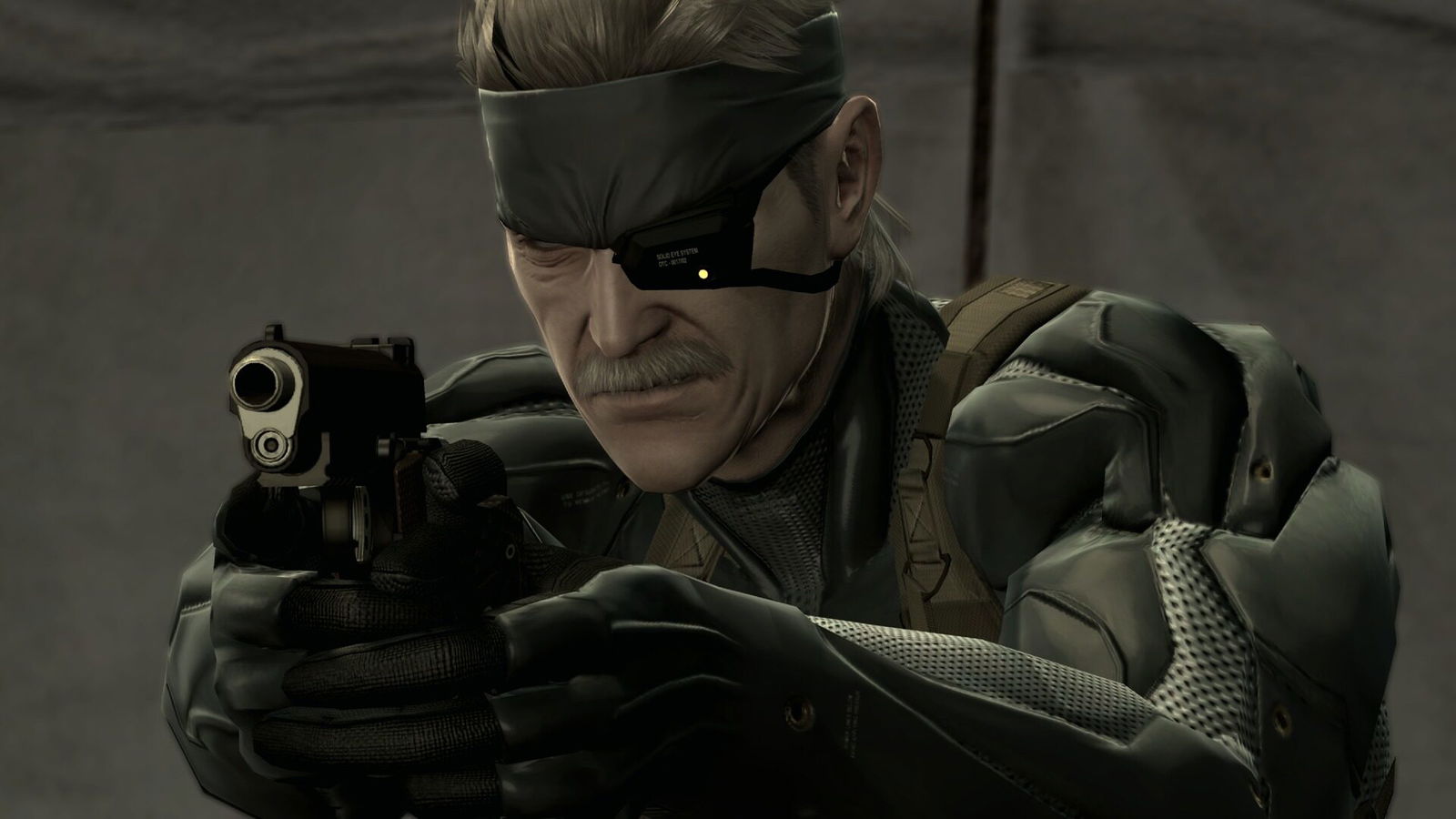
Metal Gear Solid 4 brings you back to him as an older operative with less physical margin and the same clear head. In February 2026, Ubisoft confirmed a Metal Gear Solid collaboration that brings him into Rainbow Six Siege, with codec style presentation and Hayter returning to voice him. Siege runs on sound cues and split-second choices, so the crossover fits his style of play and reads as a team information tool.
The traits that defined the gameplay
- Letting sound drive route choice. Footsteps on metal or gravel change how guards react, so you treat surfaces as part of the route choice, with consequences you can predict. You also learn to create controlled noise with a thrown item, which turns a patrol into a pattern you can exploit, and that shift from waiting to shaping the room is where stealth starts to feel like skill rather than luck.
- Keeping objectives small while you moved. Snake missions often reduce to a single reachable action, cross a lit patch, reach a door, clear a stairwell. That mindset keeps your hands steady when the game layers in radio chatter and scripted stakes. It also helps in other stealth titles, because you spend less time reacting late and more time choosing early.
Why his candidacy can’t be denied
Snake is a favourite in the PlayStation character debate because his identity stays coherent across visual design, writing, mechanics, and pacing. His look sets expectations, and his voice keeps the stakes human. His movement and tools reward attention. You can drop him into another tactical space and still recognize the same values, information first, patience under pressure, emotional control, and a refusal to turn every moment into melodrama.
He also carries measurable reach. BAFTA’s 2024 players’ poll placed him among the most iconic video game characters, and Konami has reported 65.5 million copies shipped across the Metal Gear series as of December 2025. Those numbers add weight, and the design still carries the case, because Snake’s appeal rests on endurance and readable play.


