
Before Ace Combat 8: Wings of Theve‘s launch, CGMagazine sat down with Director Kazutoki Kono and Producer Manabu Shimomoto to get behind the yoke.
There are few gaming franchises as storied as the Ace Combat franchise. Since 1995, Bandai Namco has been allowing fans to take to the skies in aerial dogfights, akin to what I would call Armored Core, but in planes. On the precipice of the launch of Ace Combat 8: Wings of Theve, I had the opportunity to not only get behind the yoke of Ace Combat 8 and check out the new mechanics, but also speak to the legendary Series Brand Director Kazutoki Kono (who has been developing Ace Combat since 1996) and Producer Manabu Shimomoto to discuss the new popularity of aviation dogfighting and get behind the inner workings of the latest entry.
It’s important to note that, while speaking to the creators who developed Ace Combat 8: Wings of Theve, I was also able to access a few of the 30 playable aircraft and behind a few of the mission scenarios, so it’s safe to say I had the best wingmen in the business to help guide me to glory with a live translator.
Ace Combat 8 is seven years in the making; how queued in were you guys on the small details? I noticed vehicles now wear combat damage for the first time; does this satisfy the three pillars that define Ace Combat?
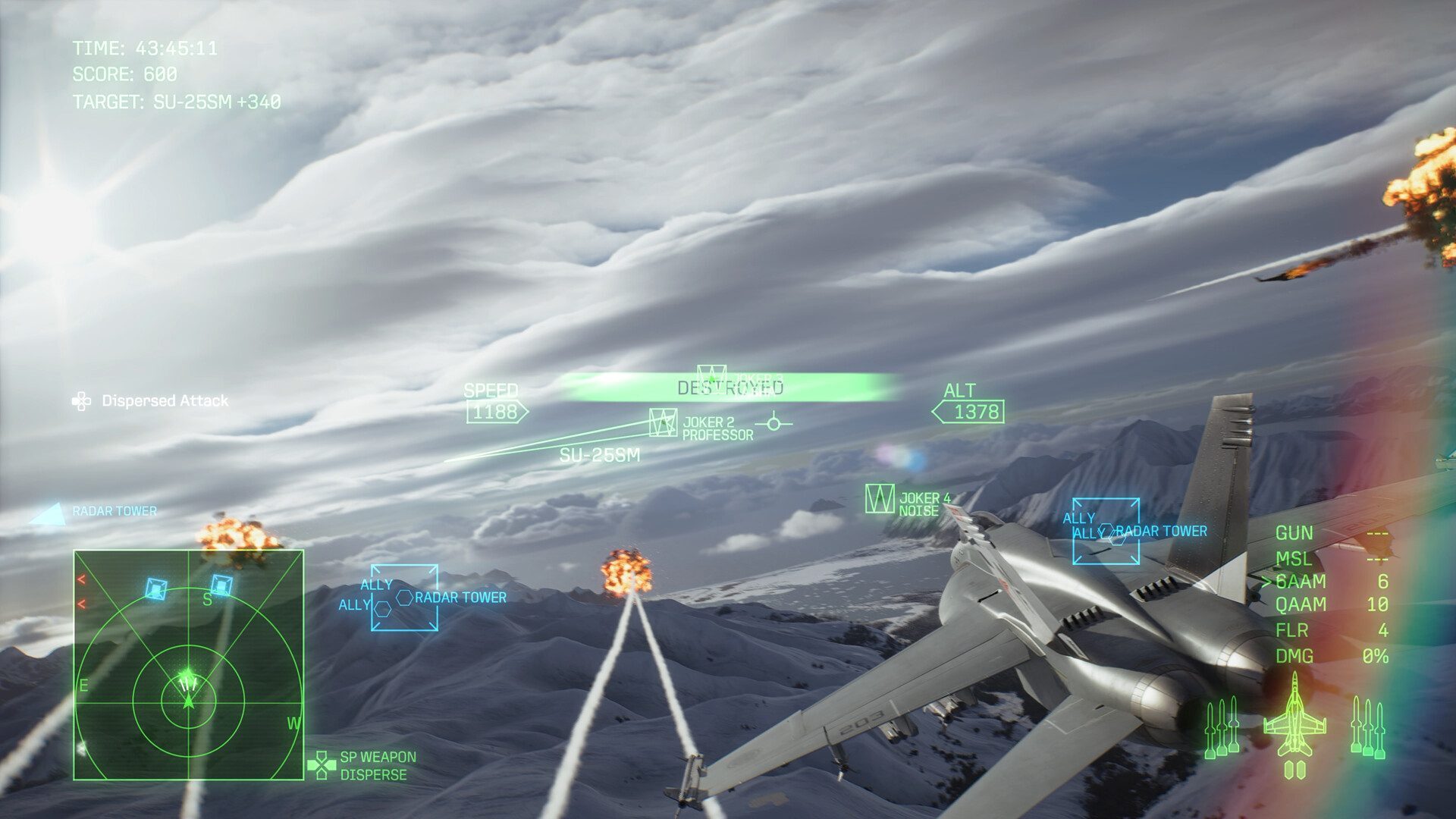
Kono: One thing we wanted to do, knowing the game is coming out in 2026, is make sure that it can line up with the other titles coming out this year. The pillars you mentioned are a large part of the work on the series, but one big change we did was overhaul how damage was calculated.
So, if I get hit, my aircraft is going to visibly wear the damage?
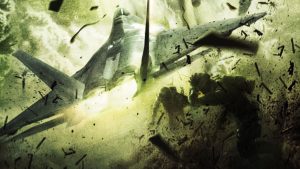
Shimomoto: You will take visible damage, but the biggest change is how damage is calculated. Before, hits required direct precision, and now, even proximity to explosions do big damage to you.
Each aircraft has its own sensitivity and feel. We wanted the player to explore each one and determine which feels right for them. There are 30 choices available to the player, when unlocked of course.
There’s 30? How did you guys manage to balance that?
Kono: Well, this franchise has stood for over 30 years, and now, going into our 31st year, so there’s a lot of stored knowledge to fall back on (laughs).
With Ace Combat 8, we will have the most fleshed-out online modes compared to any in the series, so balance this time around was very important. There was a lot of play testing, a lot of stress testing, and a lot of fine-tuning across the board. The result is the playfield becomes very unique with many different play-styles, so each aircraft will have its quirks and sensitivities.
Shimomoto: What ended up happening is this uniqueness also translated to enemies, so each aircraft’s traits like their agility or heaviness will play a huge factor for you and your rivals in dogfights, especially when you’re trying to shoot someone down.
I see that there’s special emphasis placed on the narrative in Ace Combat 8, and you guys recently announced the live-action prequel series, Ace Combat Hour Zero, that pre-empts the narrative. I’m wondering if that was always the plan; was Ace Combat always destined for live action?
Shimomoto: The core concept of the game is really to transport the player into the other side of the screen in complete immersion, where you feel like the ace pilot going on that journey. So there’s always been a huge emphasis on narrative for Ace Combat.
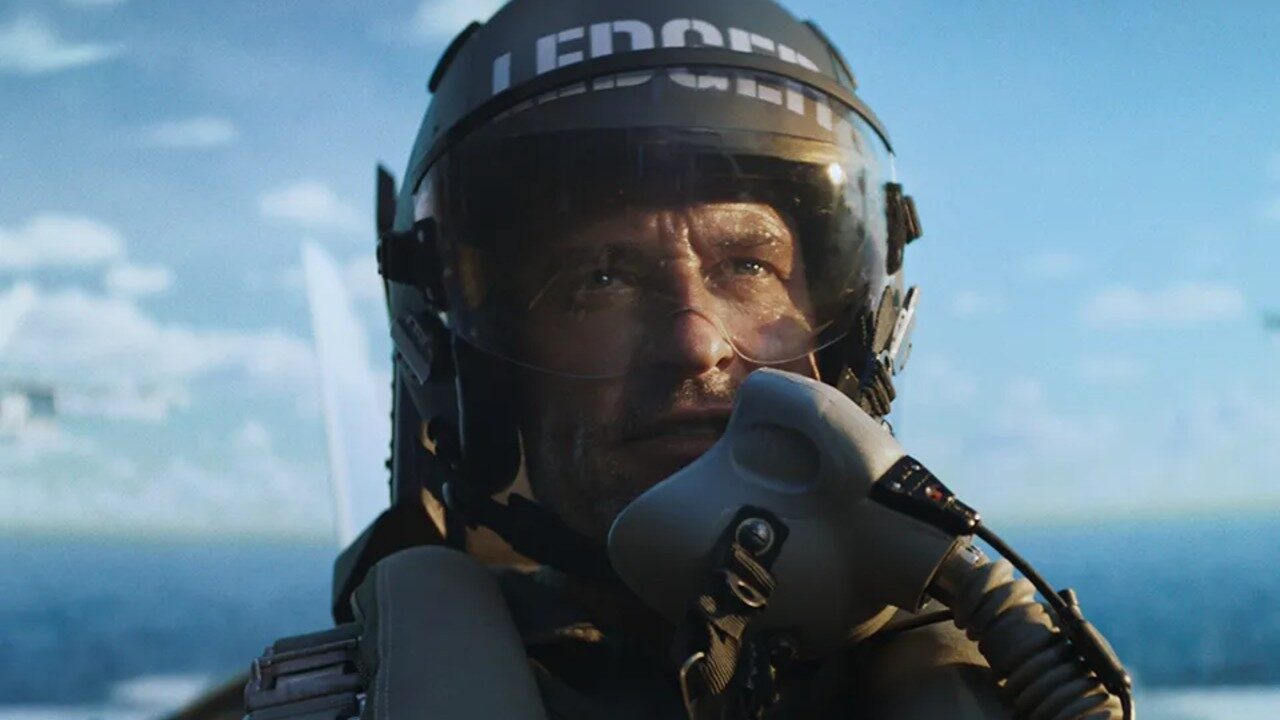
Shimomoto & Kono: Regarding the short film Hour Zero, it wasn’t something that was planned from the beginning. Ace Combat 8’s development was quite far along when BANDAI NAMCO ENTERTAINMENT US, as well as some of the creators they work with, felt very strongly about making the live-action adaptation to the franchise, and they presented it to us several times.
Kono: I kind of saw that “grassroots, indie, bootstrappy” type of feel to it that we had on the set of the Ace Combat franchise itself, so we asked, “Are you guys sure you can pull this off?” and they seemed confident, so we said, let’s move forward.
Shimomoto & Kono: Ace Combat is a longstanding series that’s been supported by the fan communities, and I think, within the fan communities. There was a lot of talk of what would Ace Combat look like if it was adapted into live action? I think it was very interesting we were able to make it ourselves, and we are starting to see the fan reactions, and everyone seems ecstatic right now.
Speaking of grassroots, on the other side of the fence there’s Top Gun: Maverick, which puts a spotlight on aviation warfare like never before. Was the idea to create your own war hero stories in Ace Combat 8? Starting with a 100-player lobby, do you want players to be their own hero like Tom Cruise?
Shimomoto & Kono: Absolutely! There are largely two different modes or ways fans will play Ace Combat 8: the single-player campaign where players embark on a preset story, and the online experience, where fans can decide their own roles as part of the squad.
Are you the leader? Are you the wingman? The player decides what kind of pilot they want to be; we just give them the tools. You can also choose to cover for allies or charge in head-first. The choice in the sky is up to the player.
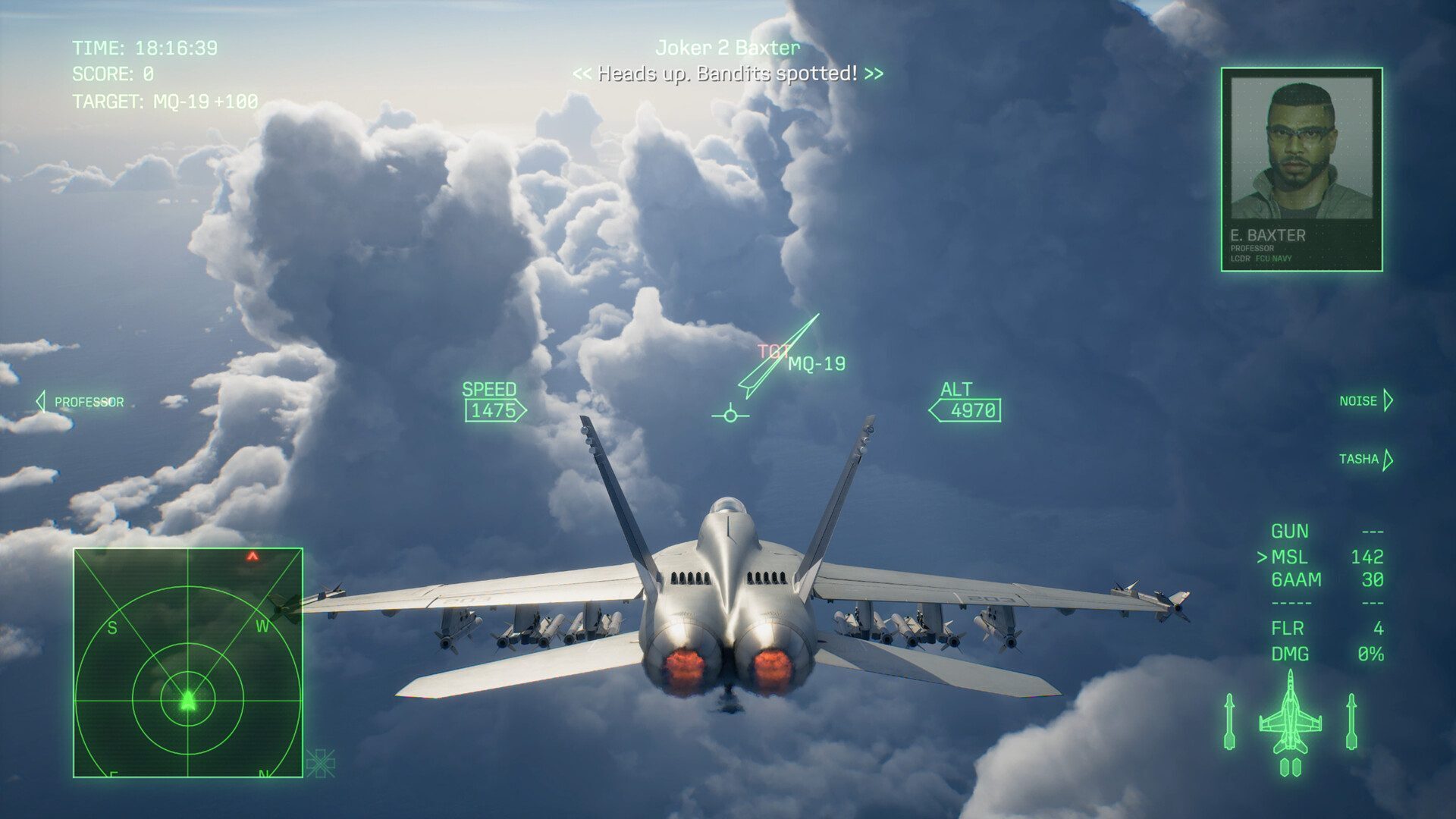
During this part of the interview, I entered a particularly grueling dogfight against a massive air carrier in mission four on Ace Combat 8: Wings of Theve. I pulled off a maneuver with on-site help from the seasoned Ace Combat 8 developers, and blew up a UAV with machine gun fire. We all celebrated in victory.
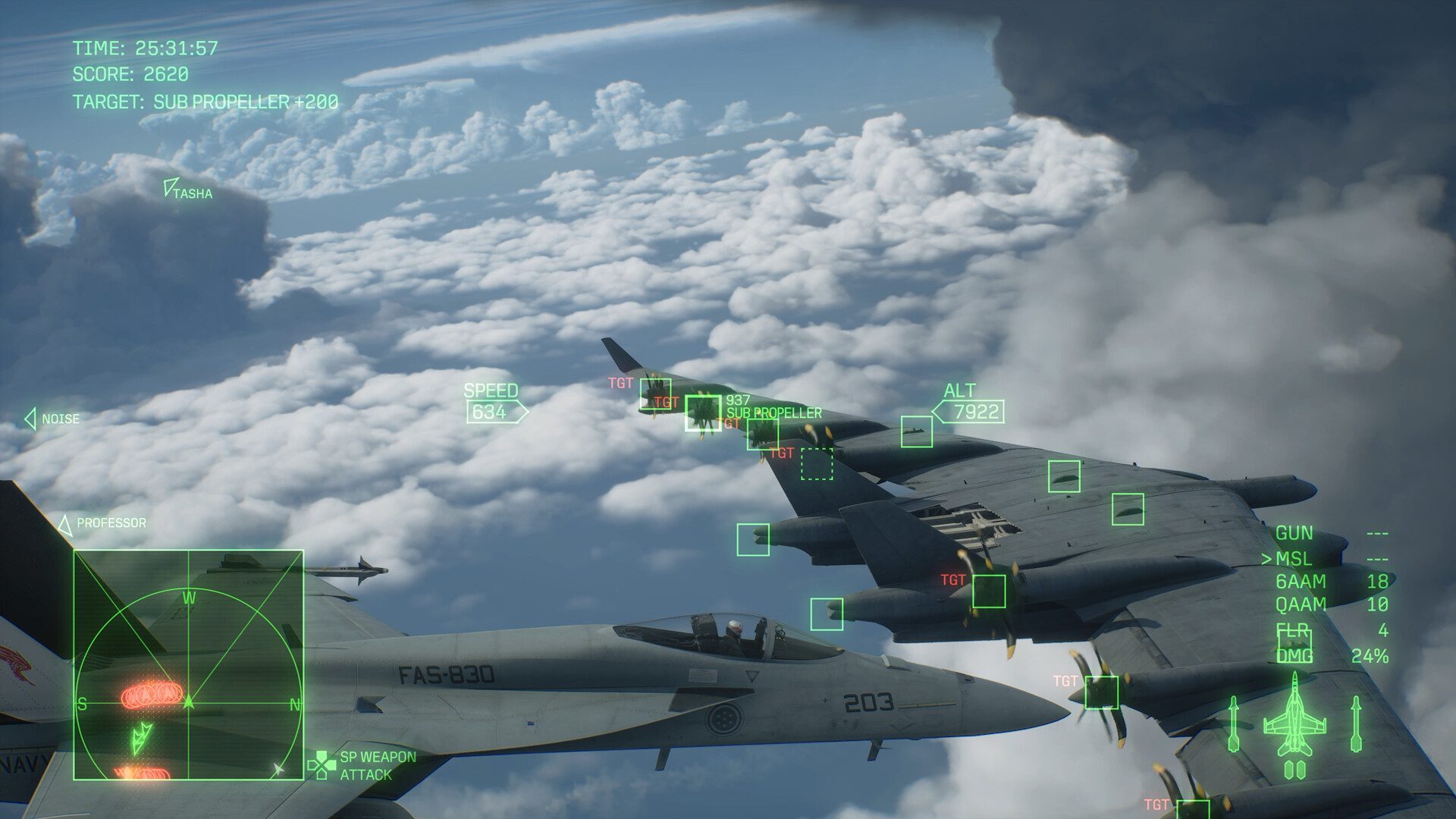
You DO feel like Tom Cruise a bit!
Kono: (Laughs) We are all in Tom Cruise’s generation.
You guys can fly, but can you run as fast?
Kono: That remains to be seen (laughs); I’ve never raced him one-on-one, so we will never know!
Why did you guys decide to make a live-action prequel film in the first place?
Shimomoto & Kono: The passion from the guys on the ground who wanted to make it, and the creators, and in addition, we wanted to elevate the IP to the next stage. In order to do that, we had to create a new touchpoint for entry-level fans to get in on the ground floor of Ace Combat. Live-action was just different from anything we had done in the past.
Shimomoto: I think it’s not uncommon nowadays for people to have their interest sparked by watching some kind of imagery. So, having something audiovisual at first, before diving into the interactive video game and interactive side of it, and I think a lot of other major titles and IP have successfully created that user journey and cycle between the audiovisual and interactive content and mediums.
We felt one of Ace Combat’s biggest weaknesses was its awareness. Once we are able to get people aware that it’s here, and get people into the cockpit, we can reach that tipping point.
So, instead of getting just aviation and airplane enthusiasts excited, Ace Combat Hour Zero is to make everyone interested? Like Top Gun, that attracted the biggest possible audience? I know I keep mentioning the film, but it’s very hard not to.
Shimomoto & Kono: (laughs) We are very thankful to Top Gun! So, you can mention it as many times as necessary; I think it drove a lot of interest into Ace Combat 8, and people who saw Maverick on the big screen could think, “I want to enter that world; I want to be in that world,” and they’re there. We actually did a collaboration with the Maverick character in Ace Combat 7. I don’t know if we are in a position to say this (laughs), but we see Top Gun as a touchpoint to Ace Combat as well.
With regard to the prequel, Hour Zero, we obviously couldn’t go head-to-head with Top Gun on our passion alone (laughs). So, with Ace Combat 8 we wanted to put the spotlight on human drama—of how it could lead to war, and how everyone in this story has someone they need to protect.
At this point, I was able to bring up the aircraft selection screen and the outfitting screen to Sortie in Ace Combat 8: Wings of Theves. There were many different vehicle and part selections on the screen and a lot of stats shown for each aircraft. I asked developers Shimomoto and Kono to explain the loadout screen.
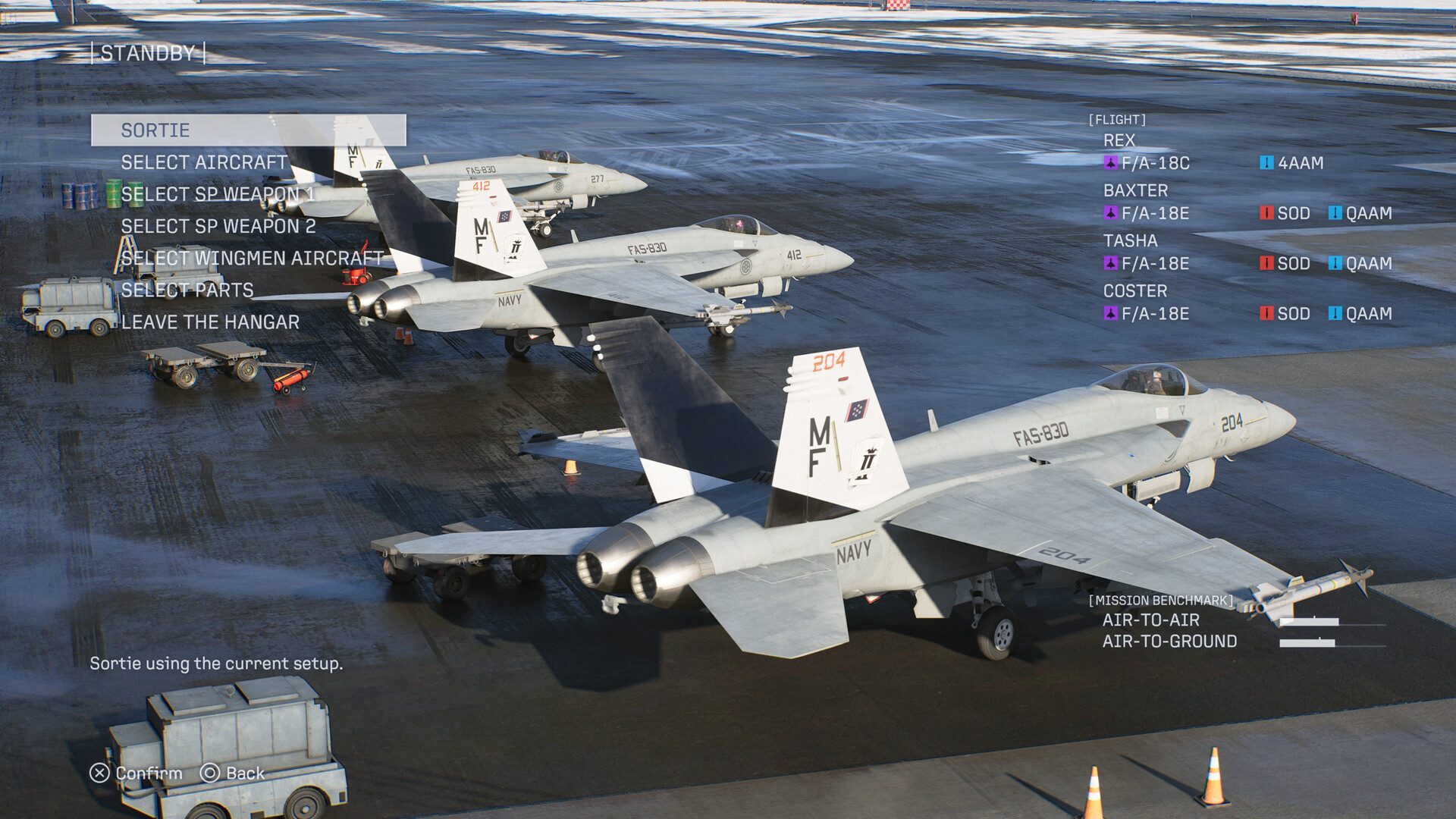
So, please explain.
Shimomoto & Kono: Normally, if you progress through the game, you would unlock one of the trees one by one; right now it may seem overwhelming because we are on mission four.
Shimomoto: Each aircraft has slots, and how many parts you can equip per category slot. This selection has four slots for the body, four for weapons, and three for miscellaneous. Think of these options as further tuning your aircraft, and making it in the way you want to play. For example, parts that are attached to the body will affect your agility negatively, and how well you can maneuver your aircraft.
This also affects things like how much damage you can take. The weapons or arms slot, if you have too many equipped, it can encumber your reload time and how accurate your missiles can be. Weather also affects the plane, so if you know there will be icing, you can prepare by attaching parts to prevent it. You can also “drop tanks,” and I would like to explain that.
Shimomoto & Kono: If this was an actual flight simulator, you can choose to carry an extra fuel tank, and in Ace Combat 8, it doesn’t change the specs of your craft. But they did this really cool scene in Top Gun: Maverick where after they use up a fuel tank, they drop it and go straight into a dogfight. This attachment exists solely so pilots can have that feeling of being an action hero and dropping a fuel tank. Ace Combat 8 is an arcade-style game where fuel doesn’t count, but dropping that tank really feels cool.
That’s incredible attention to detail! My current plane feels like I’m dragging a body behind me; is that by design?
Shimomoto & Kono: What you have sorted with is more of a support aircraft, so its purpose is to cover allies by jamming electrical and radio wave signals from enemies. So, it’s not nearly as agile as a fighter jet.
So, it’s like a tank support class?
Kono: Exactly! If you think of Ace Combat 8 as an RPG, there are four classes or roles to play: fighter, attacker, multi-role, and support. If, normally, you want to be a fighter pilot, you would sortie your wingmen into more support-type roles to build your party. Now, you are the supporter!
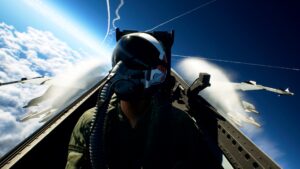
Shimomoto: If you press R3, you can change between three different viewpoints on the fly to really choose how to immerse yourself in the game. There’s third person, a cockpit view, and the last one is just the HUD. It’s basically the cockpit view without the visuals.
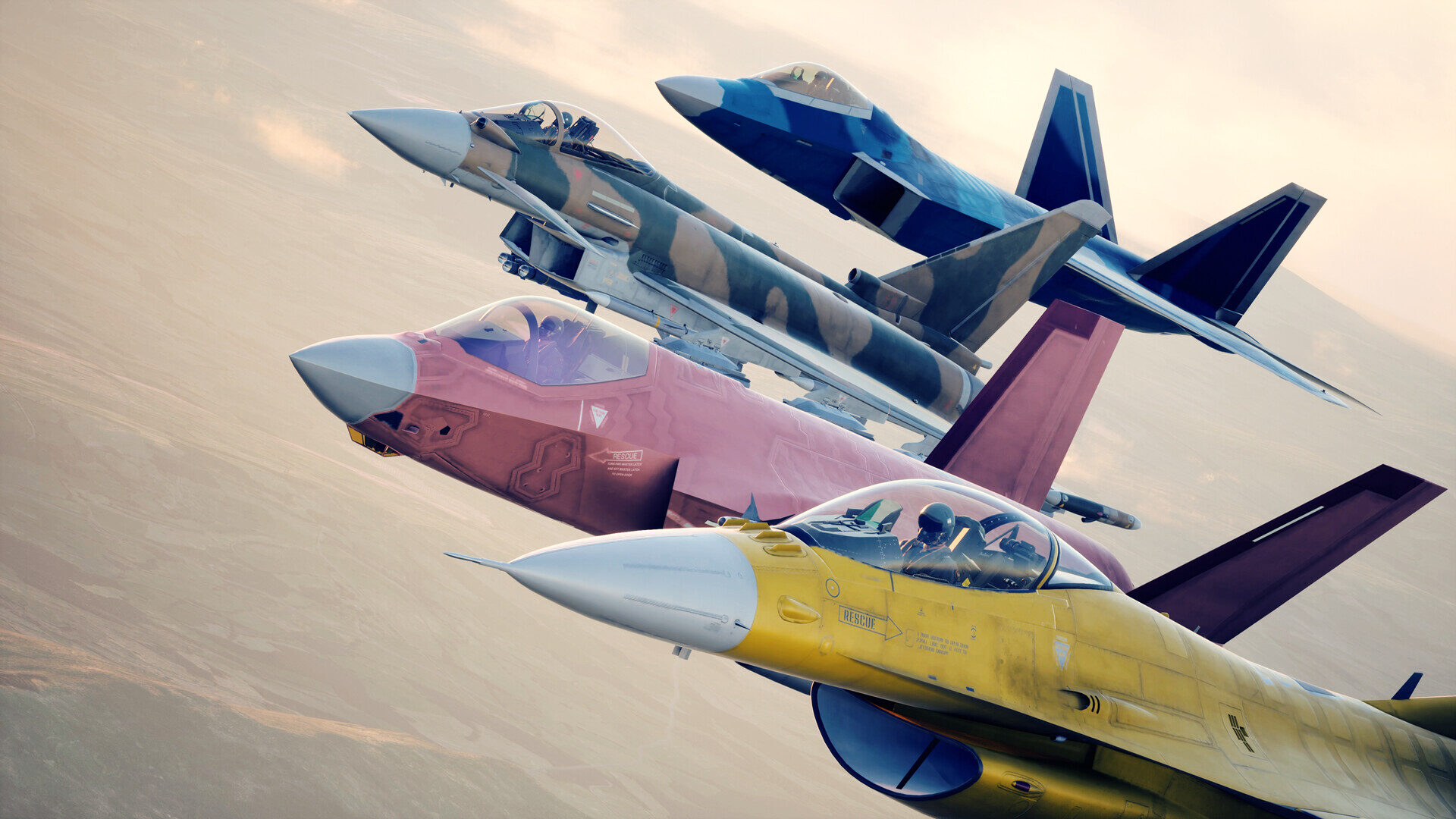
Shimomoto & Kono: Each vehicle is colour-coded by class on the selection screen, so you know which type of aircraft you will be behind the yoke. On the mission selection screen, you will be able to determine a proper loadout with the intel given. This mission [the one highlighted on the screen], is 100% air-to-air combat, so you should select a blue or purple class aircraft. Red is good for air-to-ground combat, so you’ll want to avoid that one this time.
A multi-role air-to-air and air-to-ground would be coloured purple [denoted as red mixed with blue], so it can do both roles, but it won’t be as specialized.
Like a Prius?
Kono: (Laughs) Yes, I love the car analogies!
In Microsoft Flight Simulator, they scan and take photos of each aircraft to make everything picture-perfect from the ground up. After looking at the cockpit view, I can’t help but ask if you guys do the same thing?
Shimomoto & Kono: It’s a combination of things. We gather as much information and documentation as we can that’s available on the internet, and then we will also have opportunities to go and see fighter jets in person and take photos of the ones we’re allowed to.
Some fighter jets we wouldn’t be allowed to take photos of because they said it’s classified military secrets. So, we would just have to reconstruct it to the best of our ability with what’s available to the public.
Everything you see aircraft-wise is officially licensed. So there may even be aircraft manufacturers you are familiar with! When we license it, we go to the manufacturer and get approval—sign-off, so to speak. Surprisingly, they’ll give us very positive feedback and say, “Wow! We can’t believe you guys created so much detail!”
So, out of all the things you guys can talk about, what’s the coolest thing you’ve seen on these Ace Combat 8 excursions?
Kono: There are a few stories I can go on about this, but one thing that I’m always a little nervous about is, we’re limited to the amount of information we can have. So when we submit our assets for approval, they’ll give us feedback, and sometimes it’s very detailed.
I think, “Did we cross the line of classified information?” So, as part of this job, we get to go on air bases and see these planes very closely, and we’ve been invited to some manufacturing facilities, and as a civilian, you never know how far you’re allowed to go in terms of clearance (laughs).
Our position is neutral; we are a video game maker, after all. We don’t have an association with, I guess you can say, any single government or any single manufacturer, etc. It’s interesting because I think with the information that we have, you could argue we might even have more than certain intelligence or spy agencies.
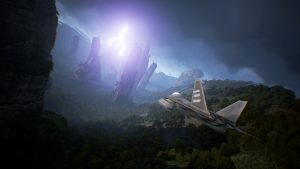
At this ending point in the interview, my Typhoon aircraft was literally struck by lightning. It appears icing isn’t the only environmental hazard in Ace Combat 8.
I… think that’s a perfect end point. Thank you guys so much for the conversation and I look forward to when Ace Combat 8 launches!
Ace Combat 8: Wings of Theve is out on October 1st, 2026.