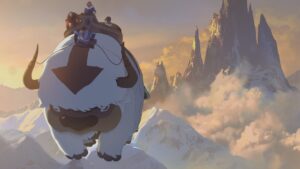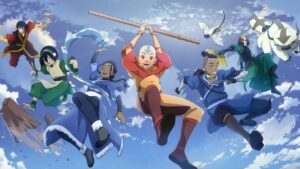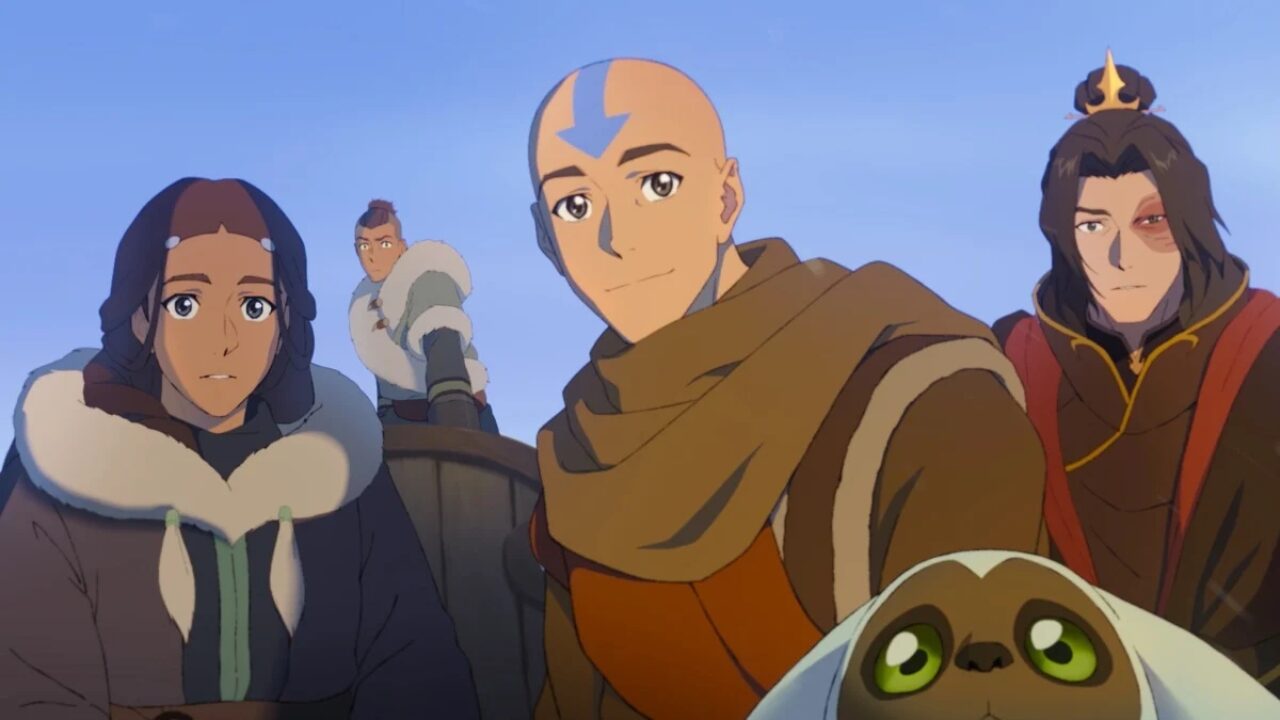
The Legend of Korra concluded airing in 2014, ending the main franchise for over a decade. Twelve years later, Avatar Aang: The Last Airbender has finally dropped on Paramount+—serving as a follow-up to the original Avatar: The Last Airbender series. Without skipping a beat, Avatar: Seven Havens just dropped, serving as a continuation in the timeline post-Avatar Korra.
CGMagazine recently had the incredible opportunity at SCAD AnimationFest 2026 to speak with the director of Avatar Aang: The Last Airbender, Lauren Montgomery, and her work on this film and the previous series. This interview was conducted before the release of Avatar: Seven Havens and before I learned about Avatar Kuruk: Wave of Chaos—which was recently shown at New York Comic Con (NYCC) 2026.
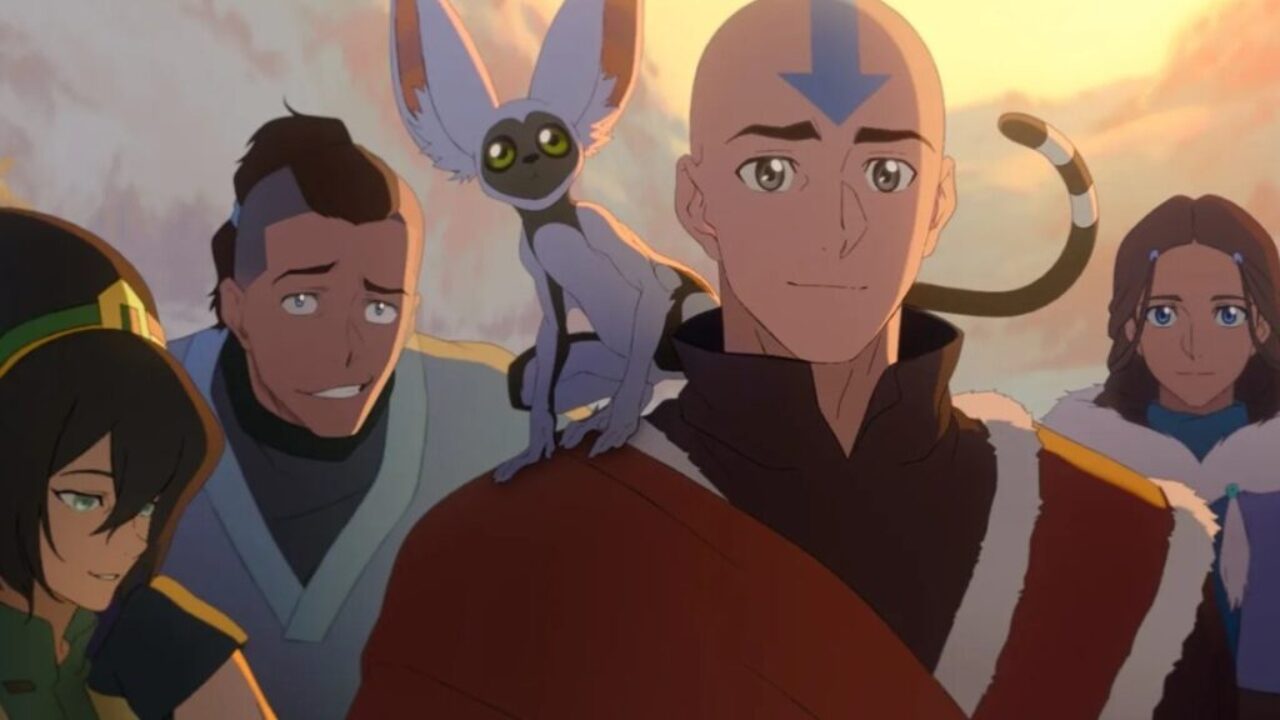
Without sugarcoating it, this has been the most visually stunning an Avatar: The Last Airbender project has ever looked. To me, the cinematography and camera work, especially in the flying scenes, were so dynamic. On top of that, the various animation and art styles caught my eye too. How did you and the team want to push the animation for Avatar Aang: The Last Airbender?
Lauren Montgomery: Yeah, Avatar has a long history. It’s always been inspired by anime. And anime has a very wide range of what it achieves. You’ve got [Studio] Ghibli films, you’ve got like a FLCL, you’ve got Cowboy Bebop, you’ve got all different styles. So you can’t really just say anime and everyone knows what it means. It means different things to different people.
But Avatar has always had a unique voice. I think definitely in Western culture, as far as what it has chosen to pull from anime and put into itself. As we went into this movie, we didn’t want to change its voice. We didn’t want to throw everything away and start new. We want people to feel like they’re back in that world and they’re back with these characters. So, we chose to try to stay true to the things that we love. The things that we pull from, we have a few moments where there’s the outrageous comedy, but we don’t lean into it too much because that’s not really the Avatar personality.
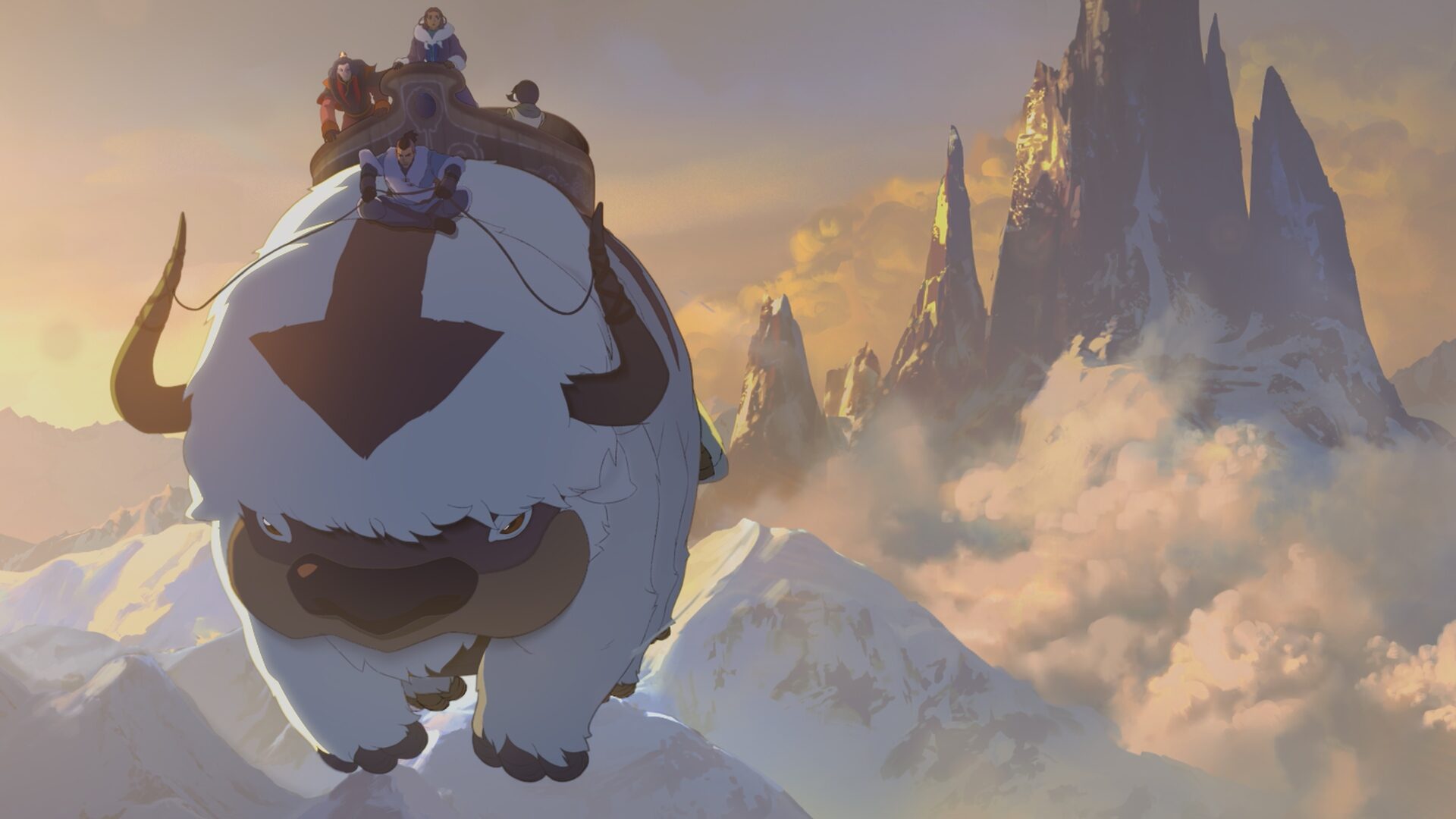
As far as Avatar: The Last Airbender was reaching for high-level cinematography, it always wanted it. We couldn’t fully achieve it in the series, since it’s a television series—it’s a very fast-moving thing. People can’t spend a lot of time on one particular shot. And we knew in this movie, we couldn’t make every shot that crazy—but we knew we could push it further.
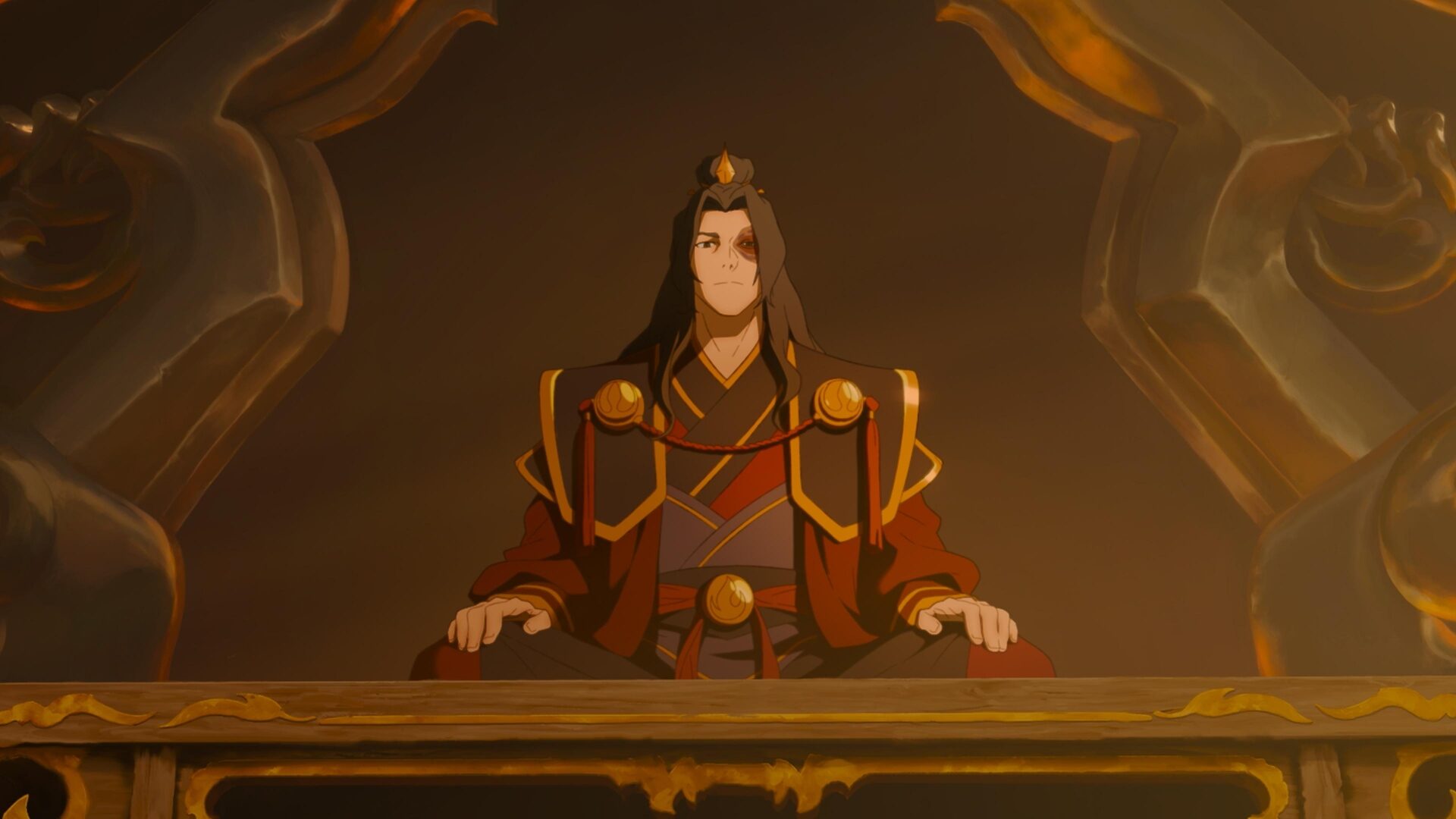
I brought on Steve Ahn, who was the co-director and head of story on the whole thing. He has a very beautiful sense of scale, storytelling and cinematography. I put him in charge of owning that and bringing that to this story. He’s incredible at both drama and comedy, like in the Sokka cutaways. Even the Zuko throne room scene—that was all him. And so, a lot of it just came from his sensibility, which I think already just aligned with essentially what Avatar was always wanting to be.
Makes sense. And coming up with a story as a sequel to the main series, many production years later, how did you know this was the story the team wanted to go with?
Lauren Montgomery: We didn’t know at first because we went down the road of a few different stories. The creators had a story they wanted to tell. And when I first came on to the movie and I looked at that story, I remember Bryan [Konietzko] pitching me this concept of Aang learning something new about his culture—and it changing his outlook. I was very compelled by that.
When I came in, I saw this premise. [However,] the premise seemed to be missing [something]. It was there, but it wasn’t the main focus of the story. So, we went through many discussions, changes, fixes, and I think Tagah was basically our third villain—our third person we found. We had a different villain. It was an Earthbender king, and the movie was similar in the beginning. But the second he came out of the bubble, it was a completely different movie, and we were losing the intention of what the story was.
The story I found very emotionally compelling is that if the series was about him learning to be the Avatar, this is about him being the last Airbender. He came out of that iceberg in the series and immediately had to go on his mission. He didn’t ever get to mourn, grieve, or process the fact that his people were gone. He was constantly distracted by [things to do:] ‘Here’s your task, here’s your task, here’s your task.’ You can only put off the grieving process for so long, until there’s nothing to distract you anymore.
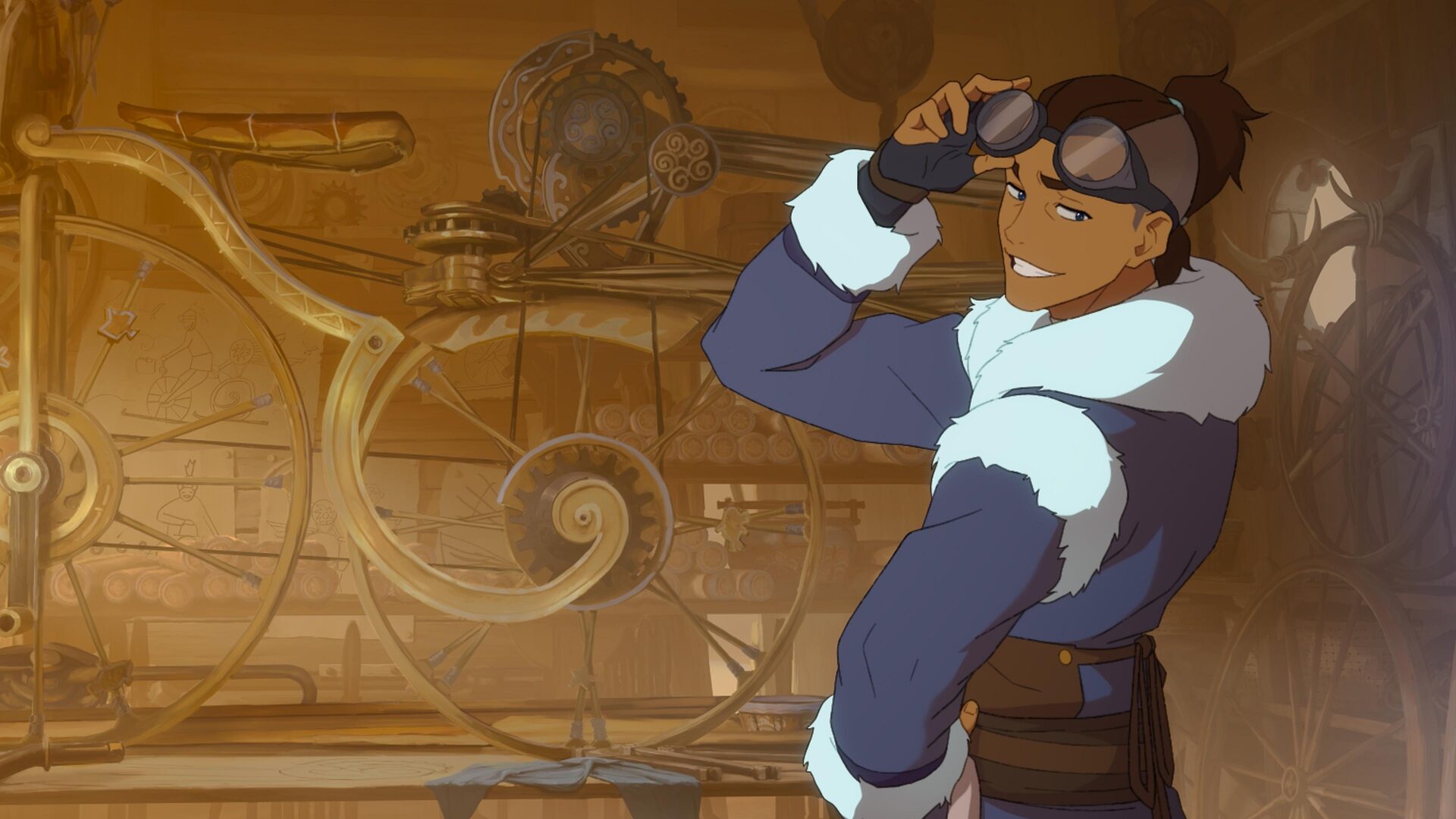
Then, we find ourselves in the story at this beautiful moment where Republic City is this experiment, but it’s working. They’ve achieved what they’d always wanted: there’s no more war, and people are starting to live together and share their cultures. It seems like peace is a possibility. And now that [Aang] doesn’t have to be constantly putting out fires, he can actually sit. But those thoughts come back into his head, such as, ‘It’s your fault, and you ran away. There’s the crushing weight of having to be the last of your kind.
If you don’t make sure that your culture is going to live on, it’s going to disappear, and all of that history is gone. To me, that was something I could root for in that character. I feel bad for that character. The last thing you want is to make a movie where your character is just putting out another fire. Then, it becomes more of a villain story, and they’re driving it. So, the [main] character’s just going to be like, ‘I gotta stop you.’ That’s what some earlier versions felt like, but this one felt like it was Aang’s story through and through.
Yes, and we get a good balance between Aang and the new character Tagah. Since we last saw Aang, he was pretty strong then. How did you want to show Tagah’s power scaling against Aang in this movie?
Lauren Montgomery: Right, so Aang is older now. He’s the Avatar, and he has a better handle on the Avatar State. He’s no longer afraid of it; he’s accepting of it and still very respectful. But he never wants to abuse it. We know Korra, who would be like, ‘Oh, I need to pick up a heavy thing, Avatar State.’ Whereas Aang would not [use it that way]. He would [deem it] as an inappropriate use.
If he’s going up a mountain, he still won’t use it. He’ll only use it if he has to literally save another person’s life before they crash into the ground. We know he’s a much more powerful character at this point. For Ozai, he had Sozen’s Comet behind him. That’s what it took for him to be on a match with the Avatar. We needed to find—you can’t just throw anyone at him. It can’t just be a random airbender who’s mad at the world, or a random waterbender.
So, you need someone who can get to him with not only their skills and fighting set. A lot of times when Aang finds himself overpowered by Tagah, it’s not simply because Tagah is more powerful than him. It’s because Tagah devastated him emotionally, and he’s not thinking clearly. Ultimately, that moment when Taga’s able to kill Aang is because Aang is so distraught by being betrayed and thinking his friends are dead.
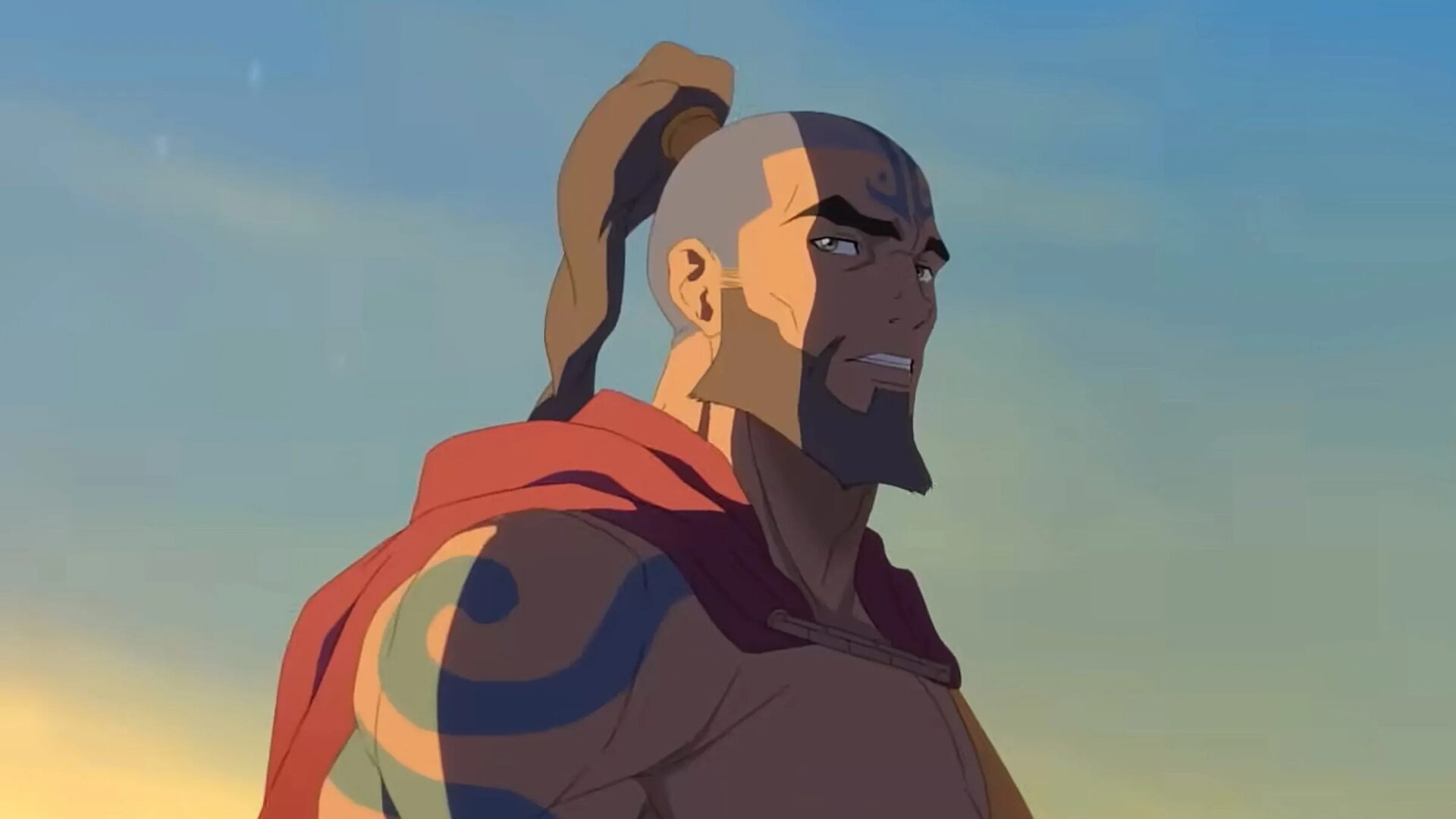
For Tagah, we knew we wanted to give him a unique skill set. Aang couldn’t know all his moves. If Tagah had the normal [Baguazhang] set, then there’s no way to make it believable that Aang couldn’t take this guy down. [In 5,000 years], there must be things Tagah has access to that have either gone away, been forgotten or evolved to a different place by the time you get to Aang. So, we tried to bring unique qualities to Tagah that made him so that even when he’s facing off against the other characters, they don’t know what it’s like to face off—to fight an Airbender [of his caliber].
Yes, they’ve fought Aang, but he’s a specific type of Airbender. He’s not Tagah. It was a challenge, but it was a fun one to really think outside the box as to how far we can push the skill set of an Airbender. And I know Bryan has always said that Airbending is the most powerful of the bending elements. That is ultimately why these monks choose to shoulder the responsibility of nonviolence, to not abuse that power. And so, [it was interesting] to have a character who then chooses to wield that power with strength, and Tagah is able to hold up a mountain. So, there you go.
Haha! Yeah, that all makes sense. And lastly, we know Avatar Studios is working on more, beyond Avatar Aang: The Last Airbender. So far, there were three total projects expected. Was this film intended to be a standalone, or to set up the next thing?
Lauren Montgomery: I can’t really say with great clarity on my part. We made this movie to stand on its own two feet. When you look at the cinematic Avatar universe, they do try to keep it fairly consistent. So the fact that this movie exists would then inform any other movies that were to happen around it. But I can’t say the plan was to tell three [stories] in immediate succession. Anytime the creators are exploring story opportunities, they’re really looking for what’s the most interesting story to tell. It doesn’t really matter where it falls in the timeline.
Makes sense. Thanks again so much, and I can’t wait to see what’s next from your work!