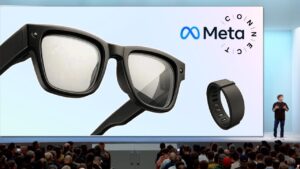
At the Meta Connect 2026 keynote, CEO Mark Zuckerberg shifted Meta’s focus heavily toward wearables and the company’s new flagship AI assistant, Muse.
After the Meta Connect 2026 keynote, they’ve made one thing absolutely clear: AI is going nowhere but up at the company. Meta showed off their latest AI assistant, Muse, at the keynote, and due to the current landscape surrounding AI development, Meta’s CEO Mark Zuckerberg acknowledged it is a “wild time to be building.” Zuckerberg says Meta is on the right track due to their core belief “in people” at the helm of development. He also went ahead and put space between Meta and competitors who suggested AI development should slow down (like that report from Anthropic), arguing that each lab should ensure its technology is safe.
At Meta Connect 2026, Zuckerberg said, “We believe that the best way to create a positive future for everyone is to put power in people’s hands,” noting that their AI development is only meant to empower people, and giving access to everyone with “checks and balances” in place is a better option than only a few people having access. Zuckerberg ultimately believes AI is for everyone, and superintelligence will lead to “creation and invention.” With introductions and pleasantries at the keynote out of the way, Zuckerberg opened the floor for Meta’s new AI assistant Muse.
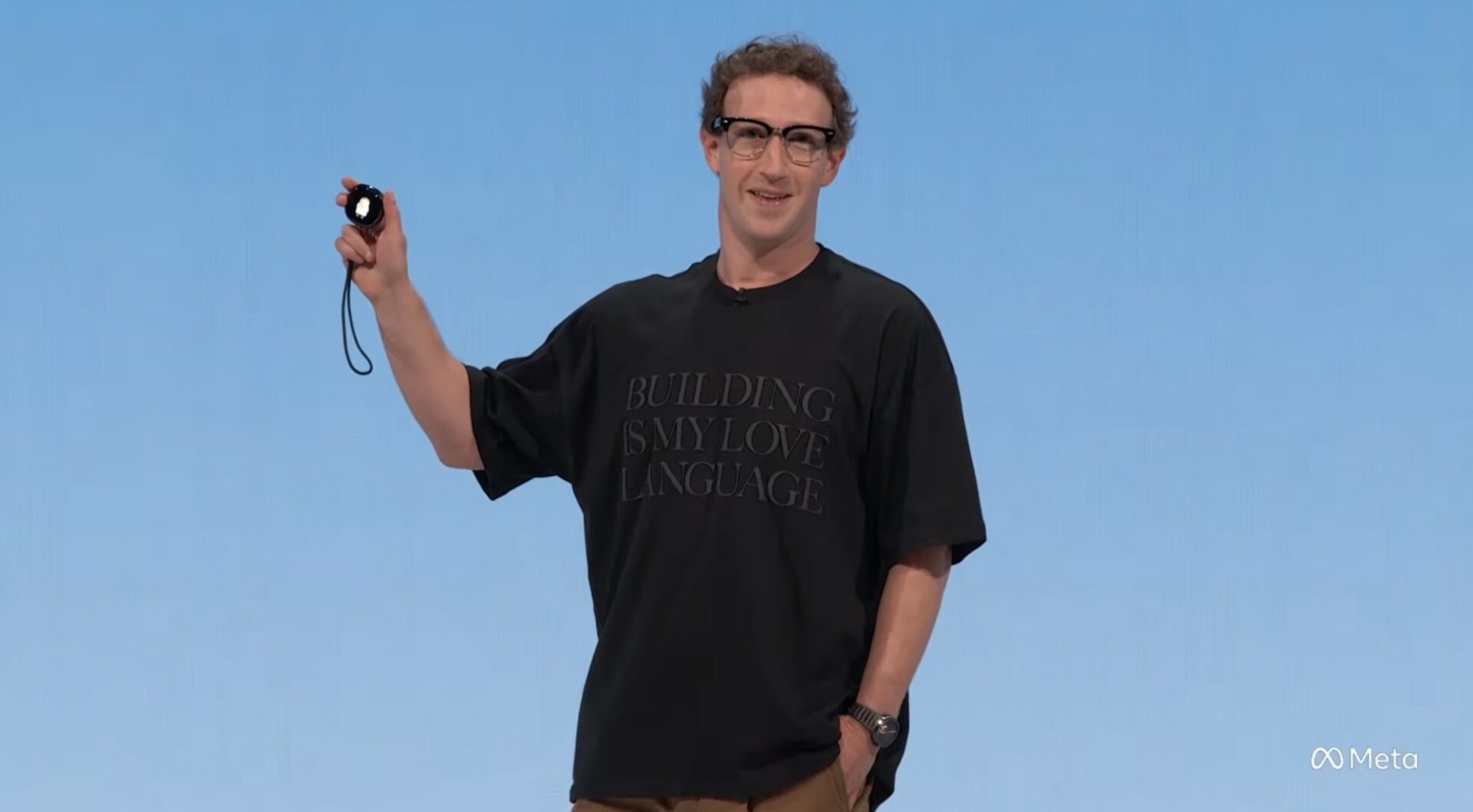
Introduced a couple of weeks back, Muse is designed to shoulder the burden of everyday tasks by connecting to users’ apps and services, including email and calendars. Muse development has continued steadily, and the agent can soon be deployed inside Meta smart glasses and Macs.
The assistant is designed to handle basic everyday tasks so users can focus on what matters, and Muse has also been given a face, along with a new wearable charm. The goal is to make Muse more personable and easier to communicate with. Users will be able to have live conversations with the avatar, give it tasks and ask questions without needing to wake up a smartphone.
At Meta Connect 2026, the company said it had secured partnerships with companies including Stripe and Shopify, signalling that Meta sees Muse as a significant tool for shopping. Alongside the Tamagotchi-like charm, Muse will also get its own email address for communicating with users.
While Meta outlined some of Muse’s future functionality, the company has not provided a timeline for its expected integration into hardware and software. Meta said more information, including details on when the Muse Charm will launch, is coming later this year.
It’s worth mentioning that, as of writing this post, there have been reports that Amazon has effectively blocked the Meta Muse AI agent from shopping earlier in the week. According to GeekWire, people trying to use Muse to shop on Amazon were seeing a pop-up: “Continued access by an unauthorized AI agent violates Amazon’s Conditions of Use, to which our customers have agreed.” As of Sunday, Amazon and Meta are supposedly in direct conversation on the issue, so it remains to be seen how quickly it gets resolved.
Meta Connect 2026: Ray-Ban Audio and Gen 3 Unveiled!

Muse wasn’t the only development given the red carpet at Meta Connect 2026. To combat privacy backlash and the camera-always-on stigma from the camera-equipped smartglasses, Meta introduced its first-ever camera-less eyewear: the Ray-Ban Meta Audio. These new specs launch on October 13, 2026, and focus entirely on open-ear audio, calls, real-time translations, and talking to the Muse AI agent. This audio-only option comes in the Clubmaster and Burbank styles and will retail for $349.
While announcing the new wearables, Meta Connect 2026 also spilled the beans that their wearable smart glasses have deployed new accessibility functionality for people with hearing disabilities. Meta’s supported smart glasses are now FDA-certified hearing aids, designed for individuals with mild to moderate hearing loss. While the software tuning feature is free to test, users can fully unlock the permanent “medical-grade hearing” enhancement mode for a one-time purchase of $149.
On top of the new audio option, Meta Connect 2026 rolled out the third generation of Ray-Ban Meta smart glasses for those who enjoy the camera functionality. The new generation is touted as slimmer, and it includes a new tactile action button for quick AI access on the fly. Meta also says the new design will feature an upgraded six-microphone array and support 3K Ultra HD video recording. Two new frame profiles have also been added to the lineup: the Aviator and the cat-eyed Zena. The Gen 3 smart glasses from Meta and Ray-Ban will launch for $449.
Meta Connect 2026: The Meta VR Glasses Are Here
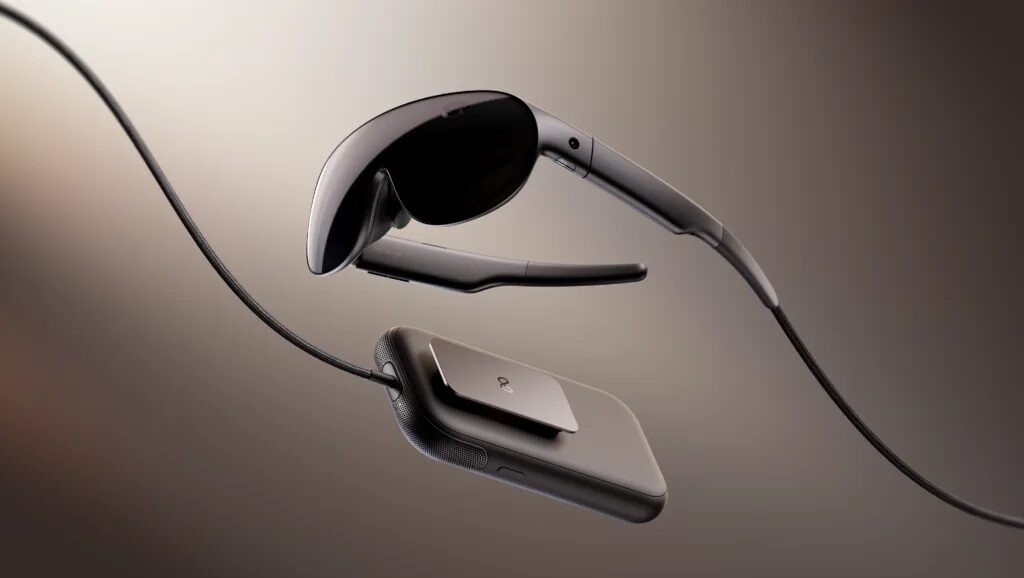
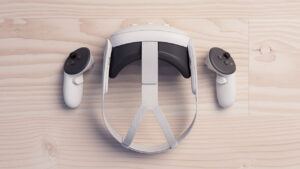
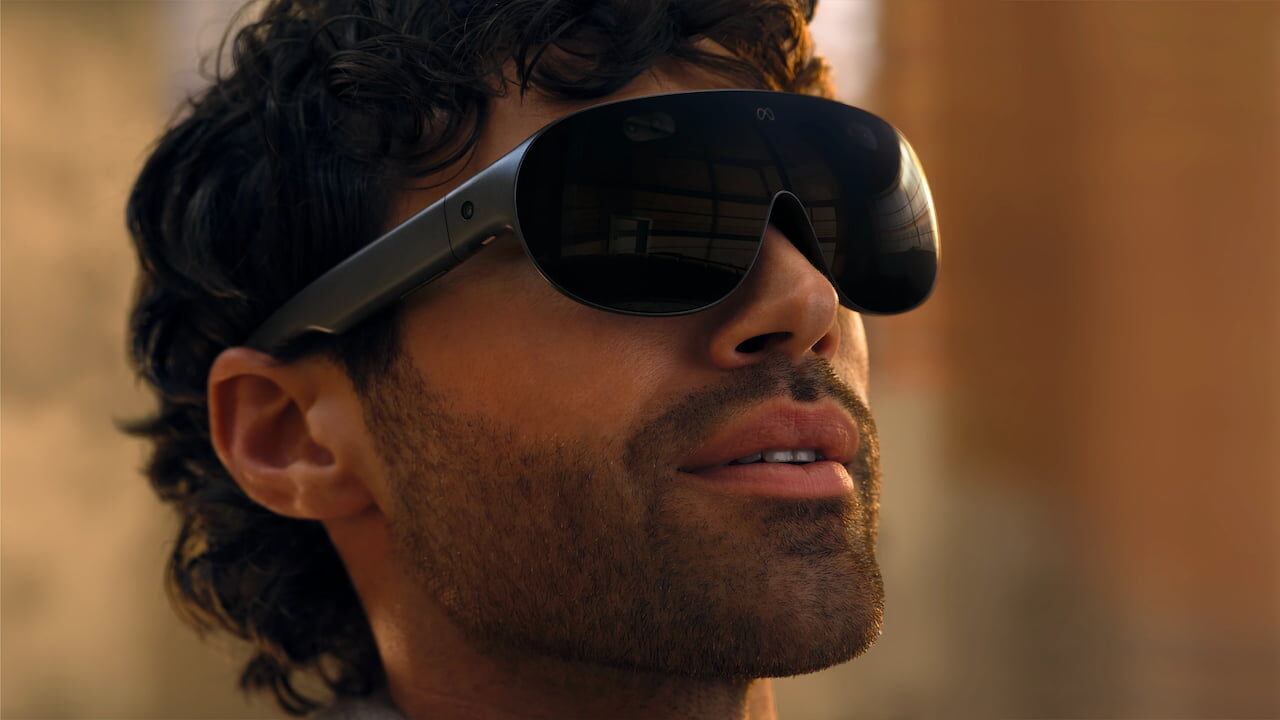
The Meta VR Glasses (the next step in their VR development) put a cinema, a workspace, and a console into a comfortable form factor. Ditching the heavier design of the Quest line, the newly debuted Meta VR Glasses weigh just 100 grams, a fraction of the weight of the Quest 3. The new frames feature a 5K Infinite Display built on micro-OLED panels, and a two-part design that moves the battery and processors into a puck the user can clip to your belt, pocket, or bag, keeping the weight off the user’s face.
Meta VR Glasses allow for multi-panel virtual displays with surface input built in, letting consumers turn any table or desk into a keyboard and touchpad, and users will be able to bring up a massive screen, or several, anywhere they are at the drop of a hat. The new Meta VR Glasses will drop sometime around Spring 2027 for $1,299.99.
That just about wraps up all of the big announcements at Meta Connect 2026. Consumers looking for more information on any of the developments with Meta or Meta’s new Muse AI agent can head to the official site.