I was curious to try BrokenLore: UNFOLLOW, largely because it arrived in the first month of a new year. It felt like an appropriate time to dive into something unsettling, especially given the current state of the world. As is often the case when exploring indie horror, however, caution is required.
Unfortunately, BrokenLore: UNFOLLOW impressed me by how quickly it became frustrating. It joins a growing list of horror titles on Steam that struggle to understand their own themes or what truly makes a game frightening. That is disappointing, as the game presents a few intriguing ideas that, with greater refinement, could have resulted in a genuinely unsettling experience.
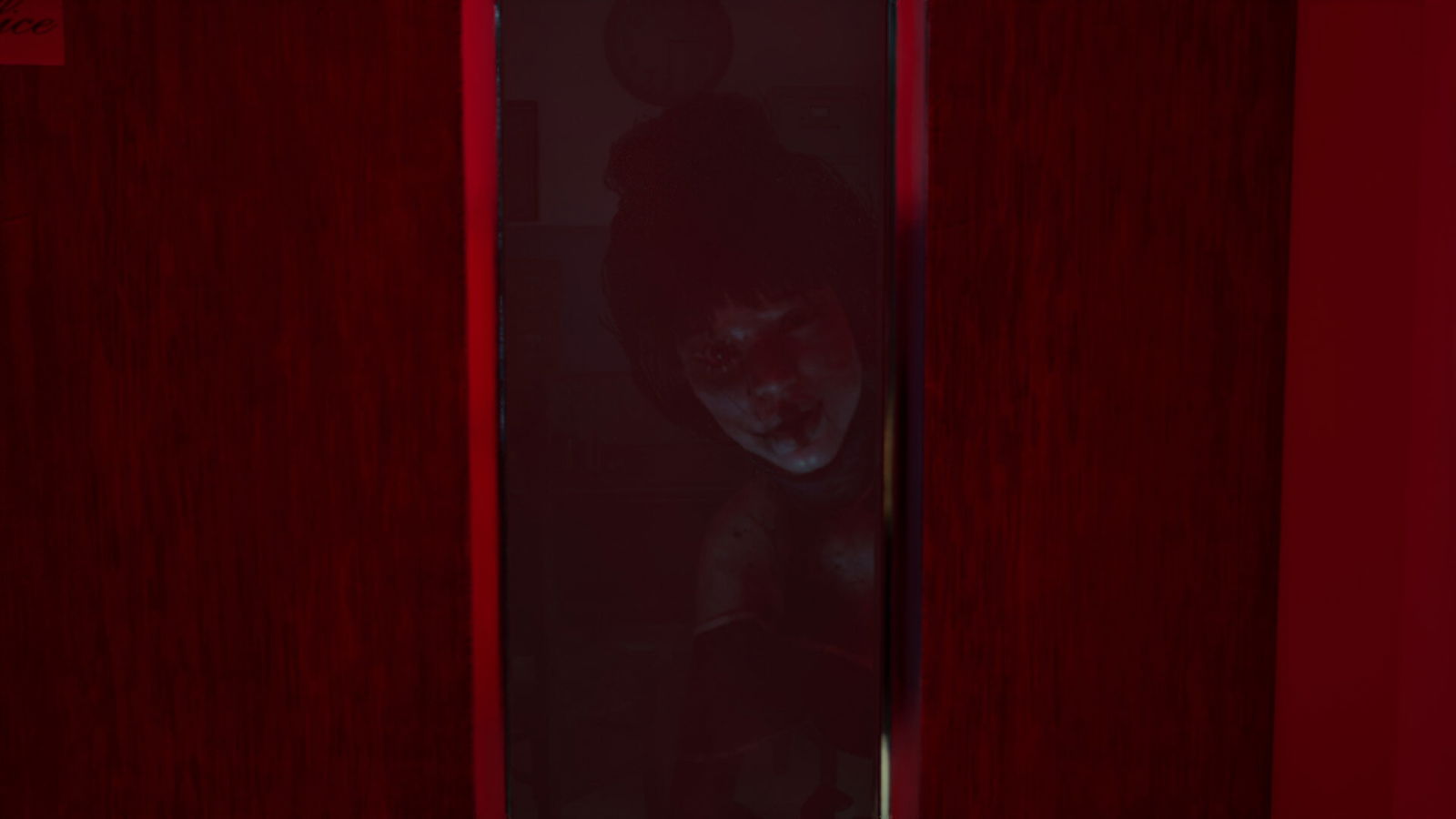
BrokenLore: UNFOLLOW tells the tale of Anne, a young woman trapped in a nightmare dimension, reliving the trauma of her youth. Now she must literally face her demons and either succumb to her trauma or find a way to move on. I’m being a bit glib, but that’s essentially the gist of it. From almost the moment you press “New Game,” the plot is presented to you with almost no buildup or subtlety.
“BrokenLore: UNFOLLOW impressed me by how quickly it became frustrating.”
And it’s kind of amazing to me that I’ve played two “horror” games now—one from a major studio and one from an indie—that tried to deal with bullying, social media anxiety, and abusive parents, and did so in such cartoonishly over-the-top ways that it loses any sense of resonance. There is incredible complexity to the reasons behind these themes, which, if approached with care and subtlety, can create a genuine sense of tension and dread.
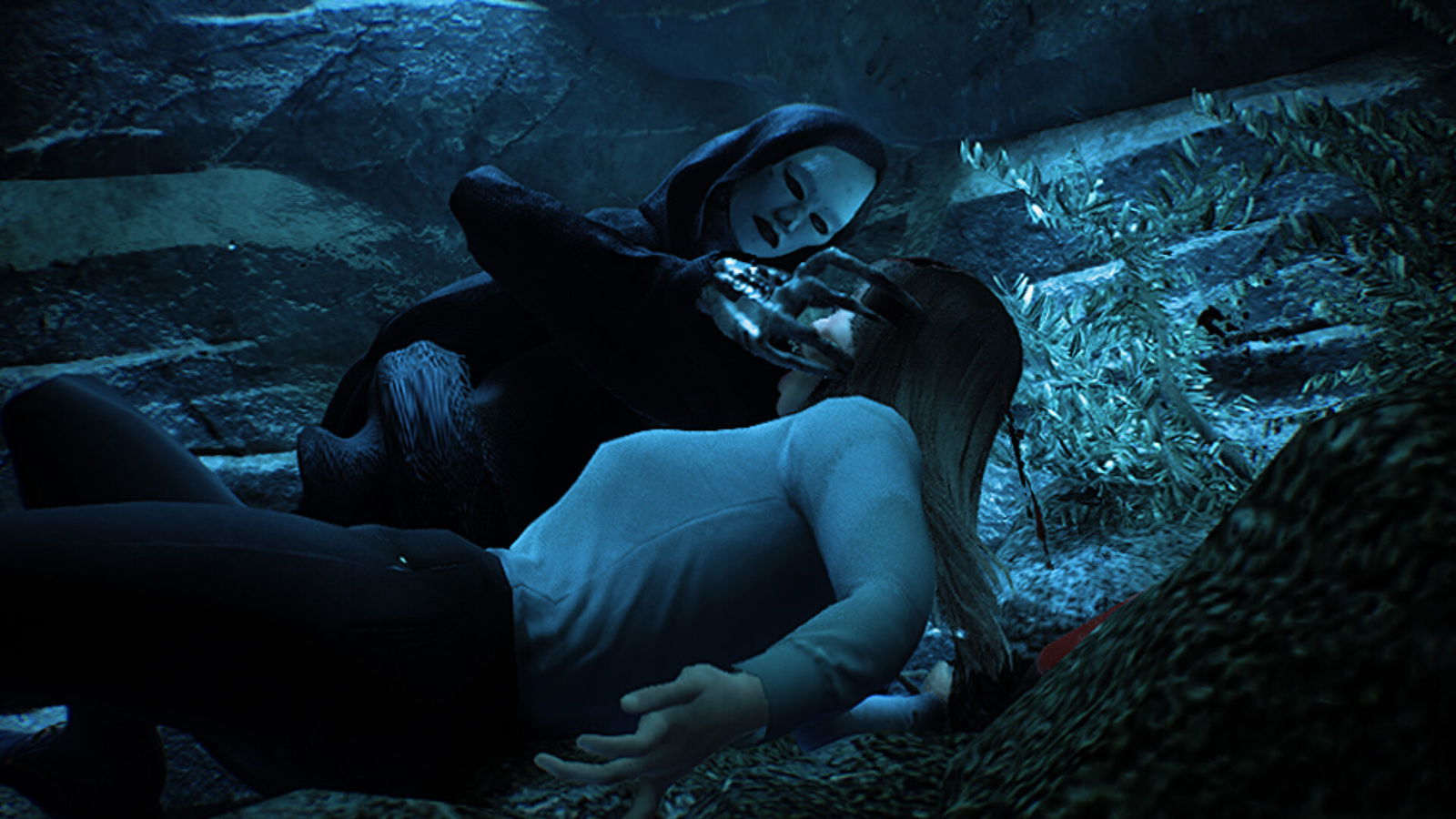
And I understand that turning abusive figures into literal monsters is part of the dramatization of themes that horror can utilize, but there’s a fine line between exaggeration and ridiculousness. Take Silent Hill 2, for example—all of the monsters are meant to reflect parts of its protagonist’s psyche. They’re amalgamations of flesh, subtly sexualized to give the player ideas of what might be going on with this guy. They’re not busty women in corsets, screaming about how “YOU’LL NEVER BE PERFECT,” and then turning into half-worm monsters who can summon goblins from swarms of gnats.
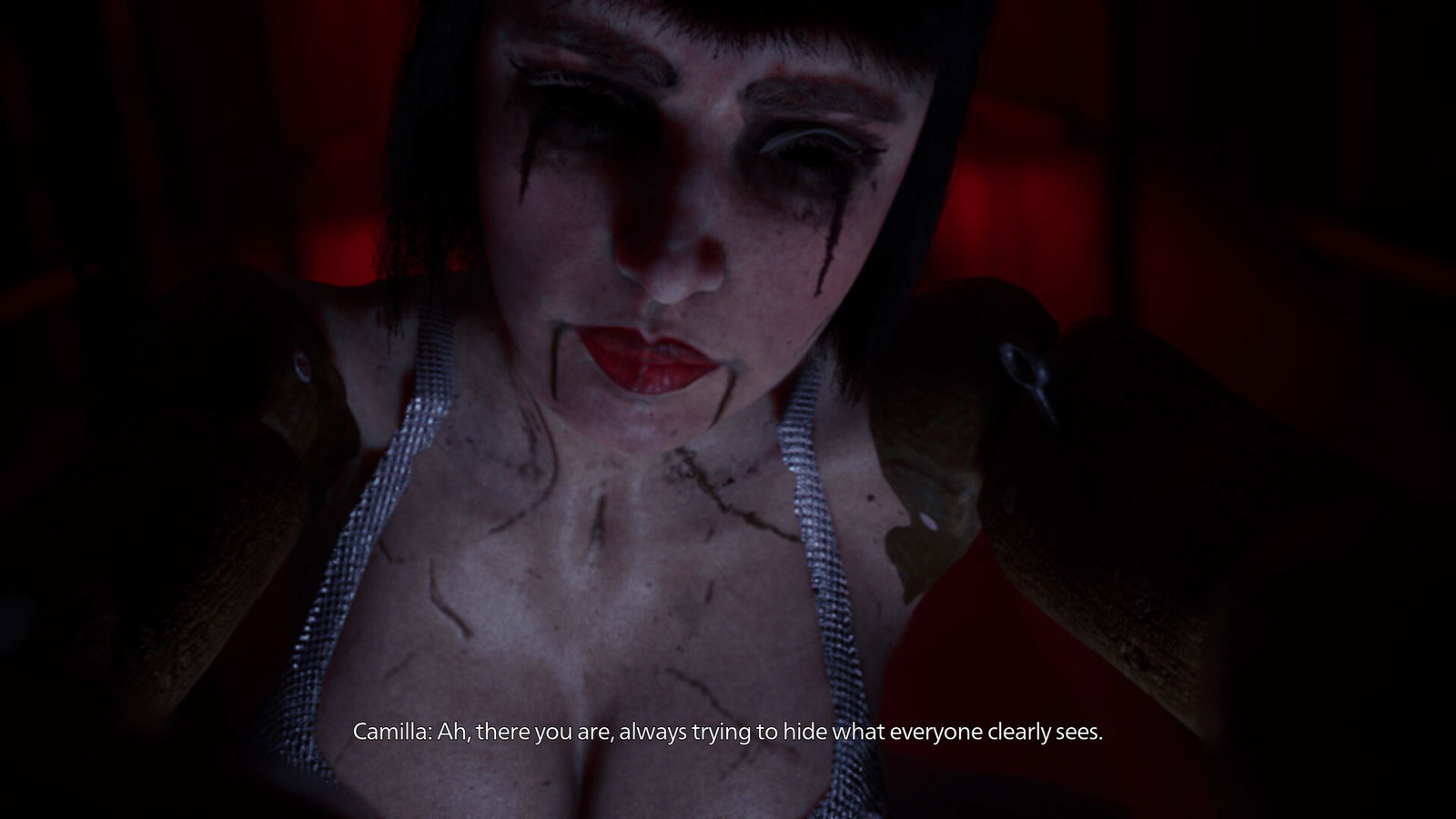
One of BrokenLore: UNFOLLOW’s other themes is body dysmorphia, which is a genuine issue a lot of young people face due to societal expectations, the way men/women are presented in media and advertising, and influencer culture. It’s not something you can boil down to writing the words “PIGGY” or “FATTY” on the walls, or backstory comics of cartoonishly evil bullies. By comparison, Consume Me wasn’t even a horror game, and it genuinely exhausted me from how miserable the experience around food and eating was, because it was real.
And it’s upsetting to me because BrokenLore: UNFOLLOW has one genuinely interesting idea that is kind of squandered on a single chapter. At one point in the game, while Anne is exploring a hospital, the player repeatedly receives comments from users as if they are watching a live stream. While these comments can be mildly supportive, they tended mostly toward the negative, even downright awful.
“Gameplay in BrokenLore: UNFOLLOW is as bog-standard as they come—just a collection of moments looking for keys to locked doors, broken up by obnoxious chase sequences.”
And in that moment, it really does a good job of highlighting the damaging effects of social media, particularly for those who try to make a career off it—as it’s suggested Anne did, building a small following as a gaming streamer. It’s just a shame Anne was also blasting mannequins with laser beams from her phone, effectively removing all the tension from the experience.
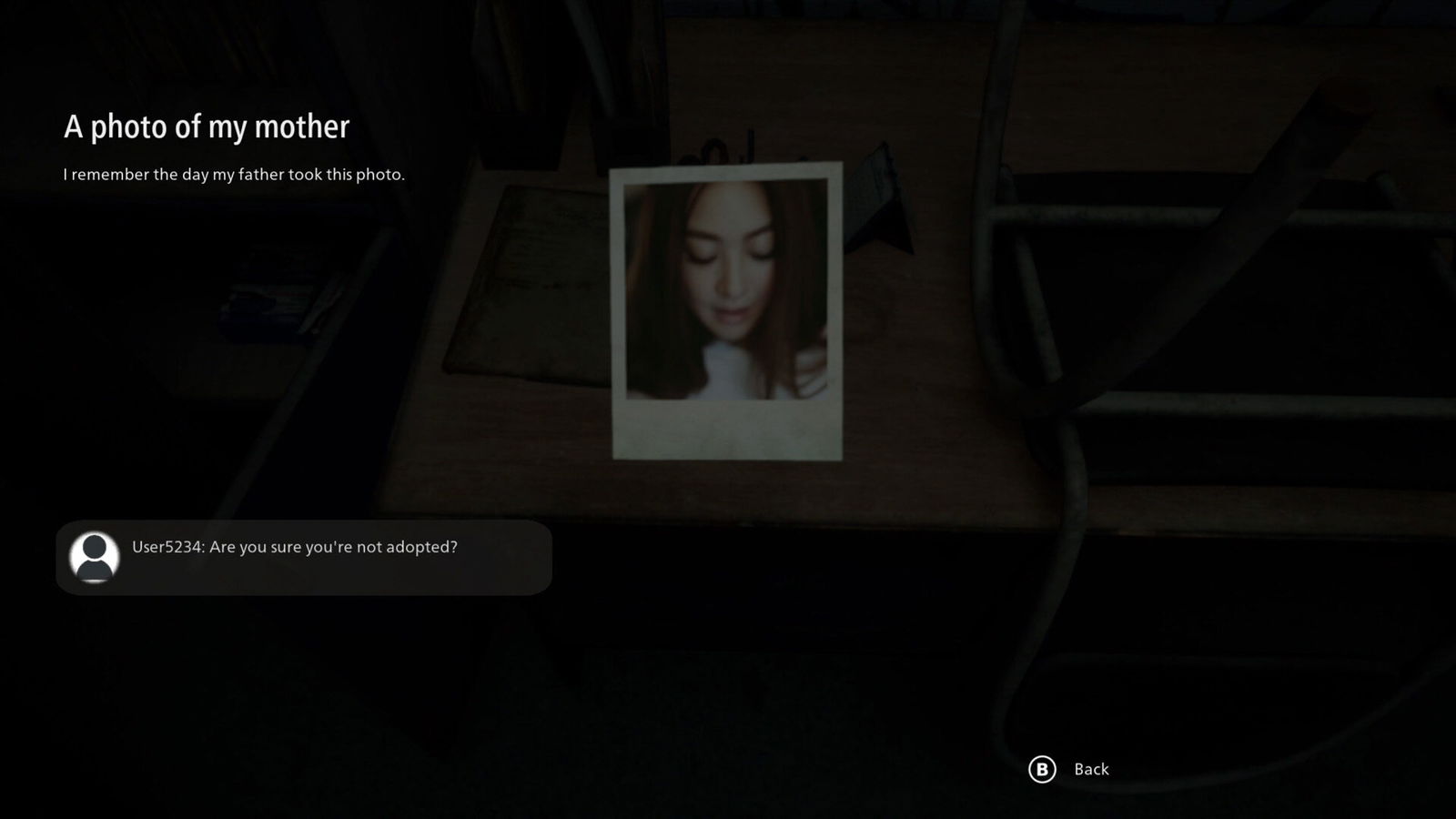
Instead, for most of the game, you just have a “Follower Count” that goes up if you find collectables, and goes down if you take too long trying to figure out puzzles, attaching a kind of timer to the whole thing and killing any sense of tension since it always feels like the game is kind of rushing you rather than letting you take in the atmosphere and building suspense.
And honestly, every other attempt BrokenLore: UNFOLLOW makes at capturing the “insidious influence of social media” just falls kind of flat. It’s a lot of very surface-level observations of seeming jealousy of bigger creators, which kind of feels at odds with the fact that real-life YouTubers are in the game.
That’s not to say that fame envy or imposter syndrome isn’t a thing, but reality has proven that platform holders are the main reason creators have to work as hard as they do and eventually burn out. But the game’s multitudinous mishandling of themes, coupled with any lack of subtlety or depth, just makes it eye-rollingly basic.
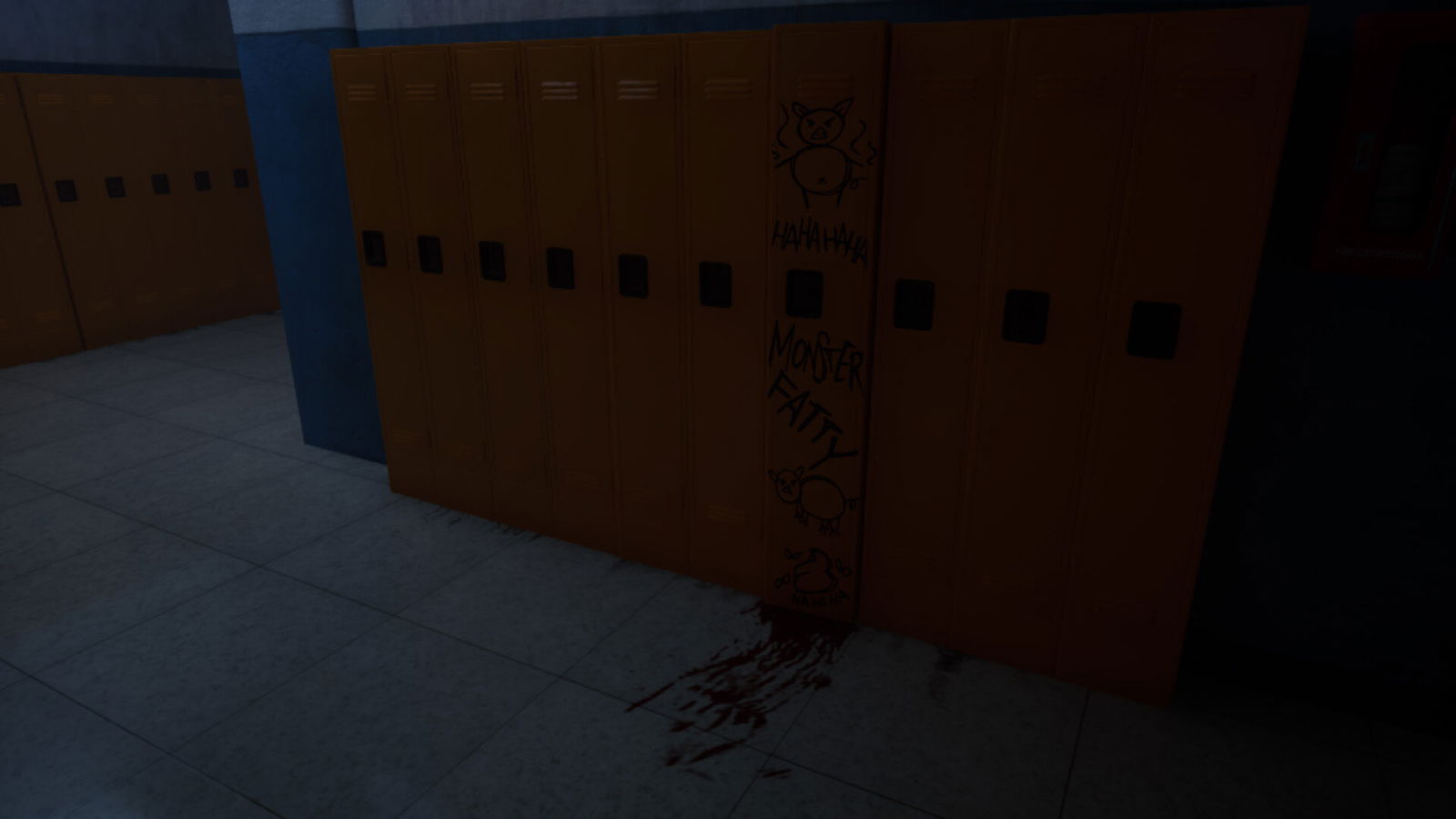
Gameplay in BrokenLore: UNFOLLOW is as bog-standard as they come—just a collection of moments looking for keys to locked doors, broken up by obnoxious chase sequences. Honestly, I was floored by just how quickly BrokenLore: UNFOLLOW threw a chase sequence at me when I started the game. The only other trick BrokenLore: UNFOLLOW has in its back is cheap jumpscares.
“Gameplay in BrokenLore: UNFOLLOW is as bog-standard as they come.”
Something I realized while playing was that it doesn’t know how to be scary; it only knows how to be startling. It’s a lot of silence and nothing happening, so when something eventually does jump out and yell “Boo,” followed by an ear-piercing horror sting, it inevitably makes you jump. And to borrow a line from Yahtzee, I get startled when my cat runs out in front of me, but that doesn’t make her the feline answer to Stanley Kubrick.
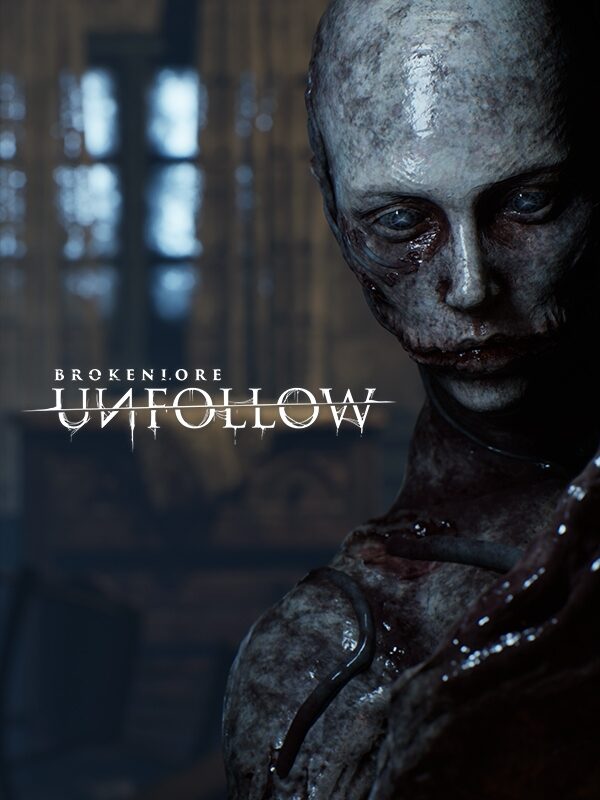
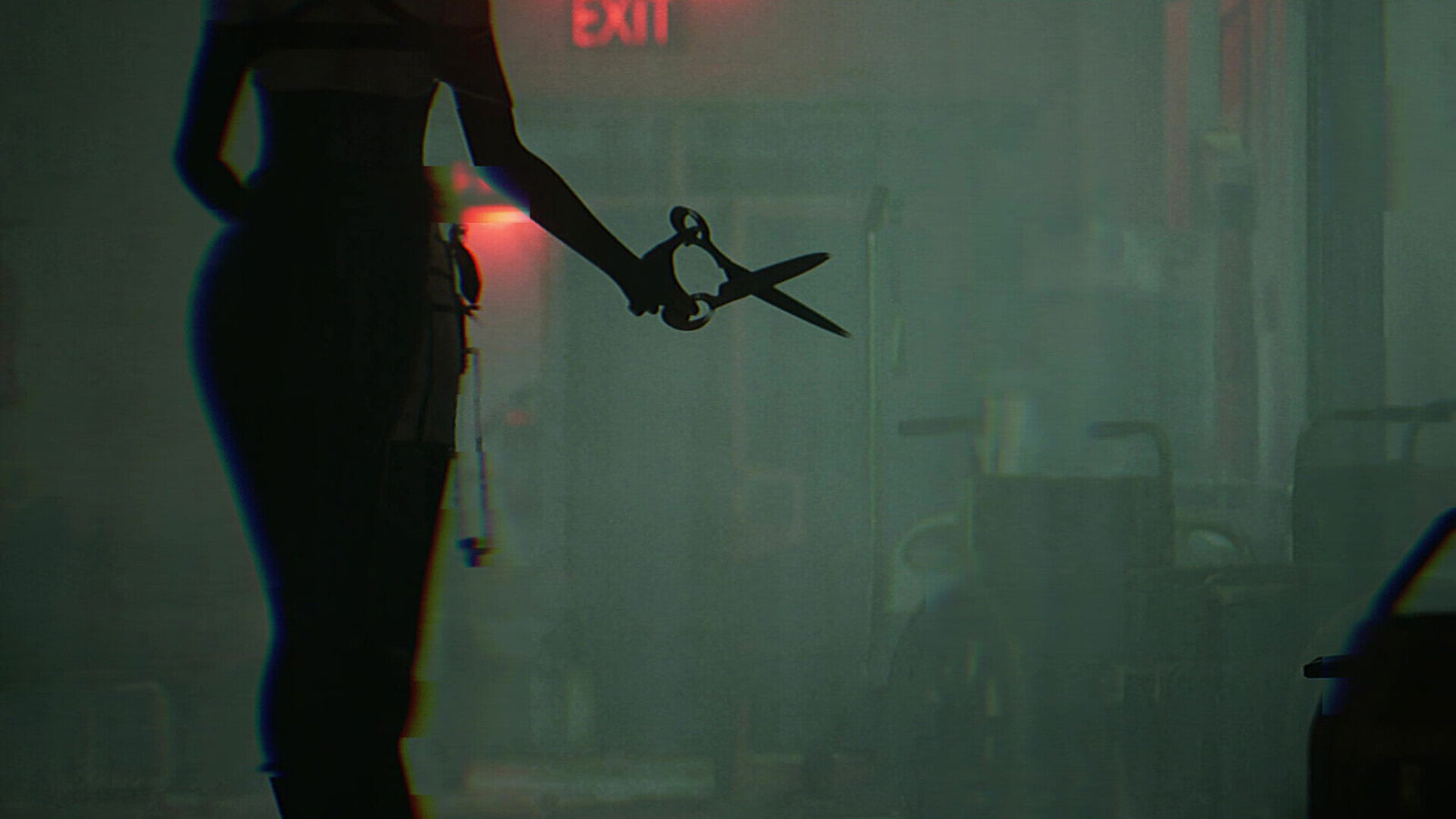
And it’s just not particularly interesting either. Its levels feel like a conga line of generic horror locations—would you be shocked to learn there’s a Backroom Pools area? The music that accompanies most of the chase sequences is obnoxiously loud and far too busy to be unnerving in any capacity. None of the “monster” characters are interesting enough to leave any lasting impressions, and it all just feels like it lacks any visual identity, looking more like a collection of stock Unreal assets.
I would say BrokenLore: UNFOLLOW was disappointing if this type of “horror” game wasn’t so commonplace. I’m sure the streamers it portends to will certainly get some excellent content from its collection of cheap jump scares and surface-level examination of themes, but for those who seek a deeper horror experience, you’ll definitely want to look elsewhere.