
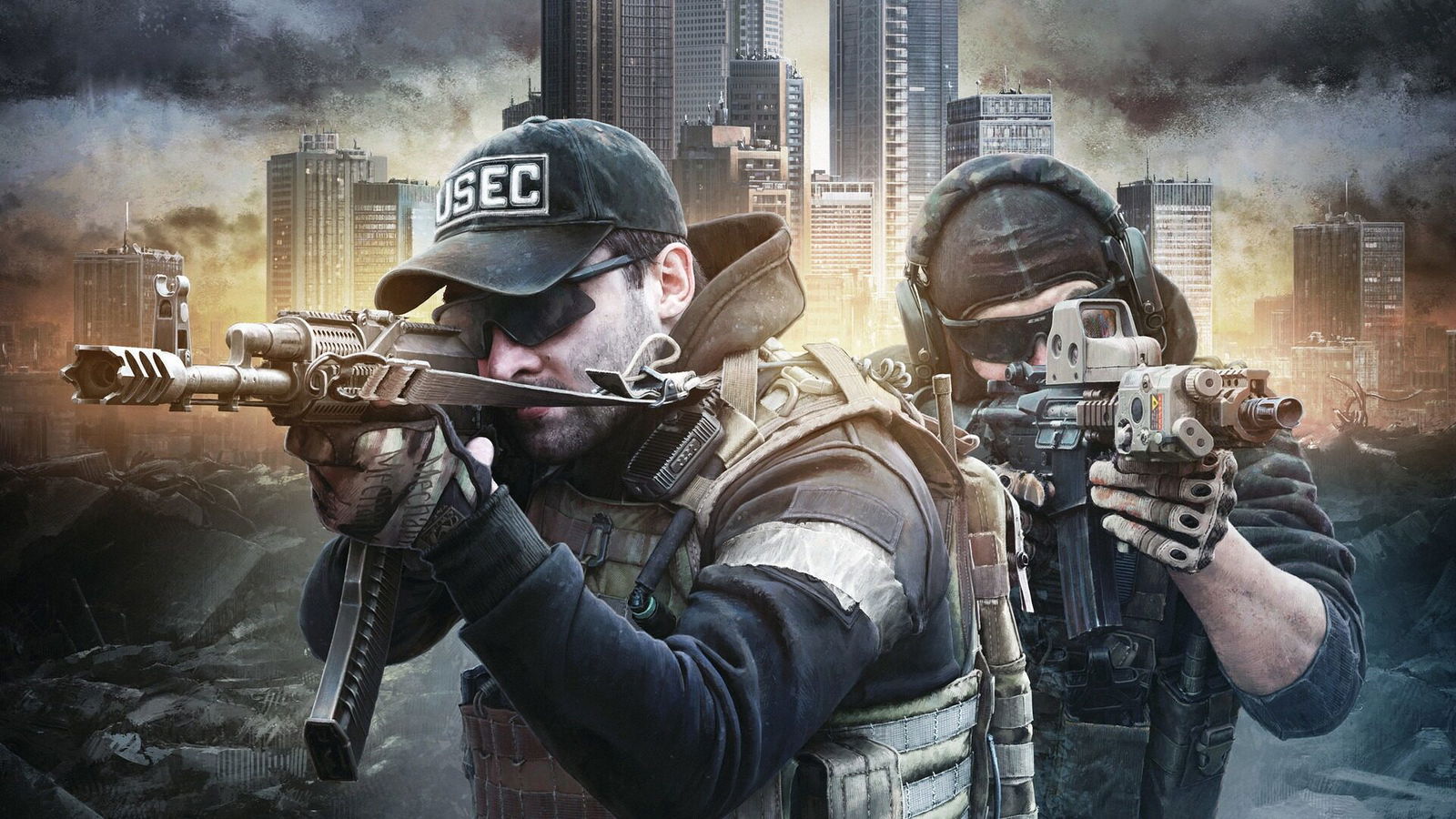


Escape from Tarkov, the granddaddy of extraction shooters, has finally ended its eight-year beta and launched version 1.0 on Steam. The debut was rocky. Authentication failures, matchmaking delays, and persistent launcher issues kept many players from getting into the game. The launch also triggered a wave of review bombing from angry fans upset about the new pricing structure and the fact that beta keys wouldn’t transfer to 1.0.
One week on, however, the servers have stabilized, launcher issues have been resolved, and fan ire has returned to normal levels. The 1.0 patch introduced a host of new and updated features, including a branching storyline with multiple endings, reworked maps, new weapons, and all-around technical improvements.
Escape from Tarkov 1.0 isn’t as polished as a AAA title, but considering its staggering mechanical depth and ambition, it’s damn good. It can be a little janky and under-optimized, but with the recommended 64 GB of RAM and a solid processor, the framerate stays steady and crashes are rare.
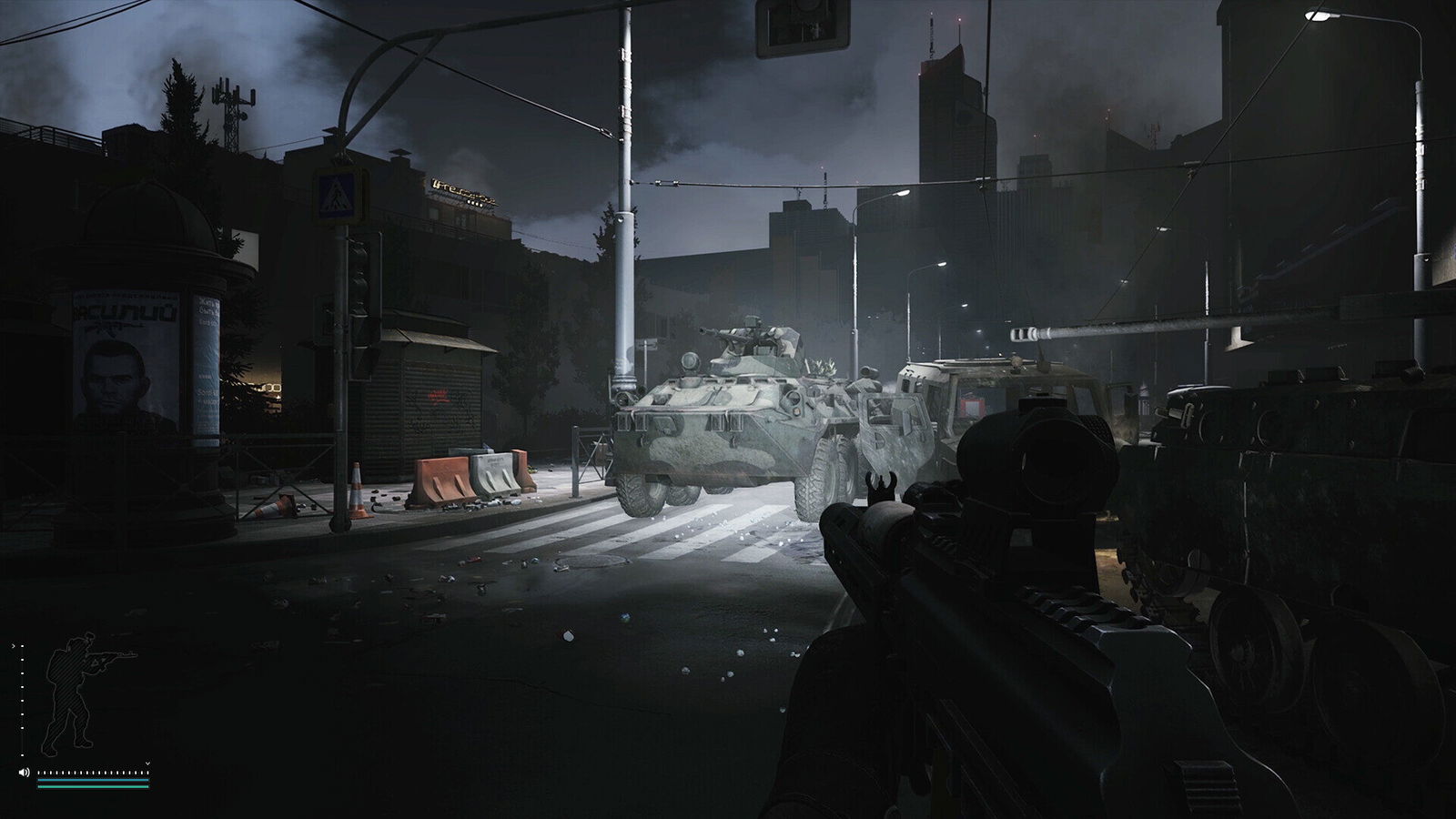
Basic Training
For the uninitiated, Escape from Tarkov is a hardcore tactical extraction shooter. Its core gameplay blends the deliberate first-person gunplay of ARMA III, Squad, and Ready or Not with the granular survival mechanics of DayZ. Its standout feature, though, is a gear-modding system so elaborate it basically functions as Car Mechanic Simulator for ammosexuals.
“Escape from Tarkov 1.0 isn’t as polished as a AAA title, but considering its staggering mechanical depth and ambition, it’s damn good.”
In Escape from Tarkov, players don the boots of a mercenary stranded in the ruins of the titular city. Unsurprisingly, your goal is to escape. To get your little army man home, he first must embark on a Slavic Odyssey that spans the fictional Russian territory of Norvinsk. Along the way, he’ll have to navigate Tarkov’s hierarchy of warlords, traders, and power brokers, killing at their behest and hoarding pilfered salami at his leisure.
The story in Escape from Tarkov is light but serviceable. It does just enough with its tale of blood thirsty mercenaries to keep things moving and to justify all your war crimes. But as a raid-based military shooter, none of it really matters. Character creation begins and ends with choosing a voice, a face, and one of two PMC factions—none of which have any impact on how the experience unfolds.
Stash Menu
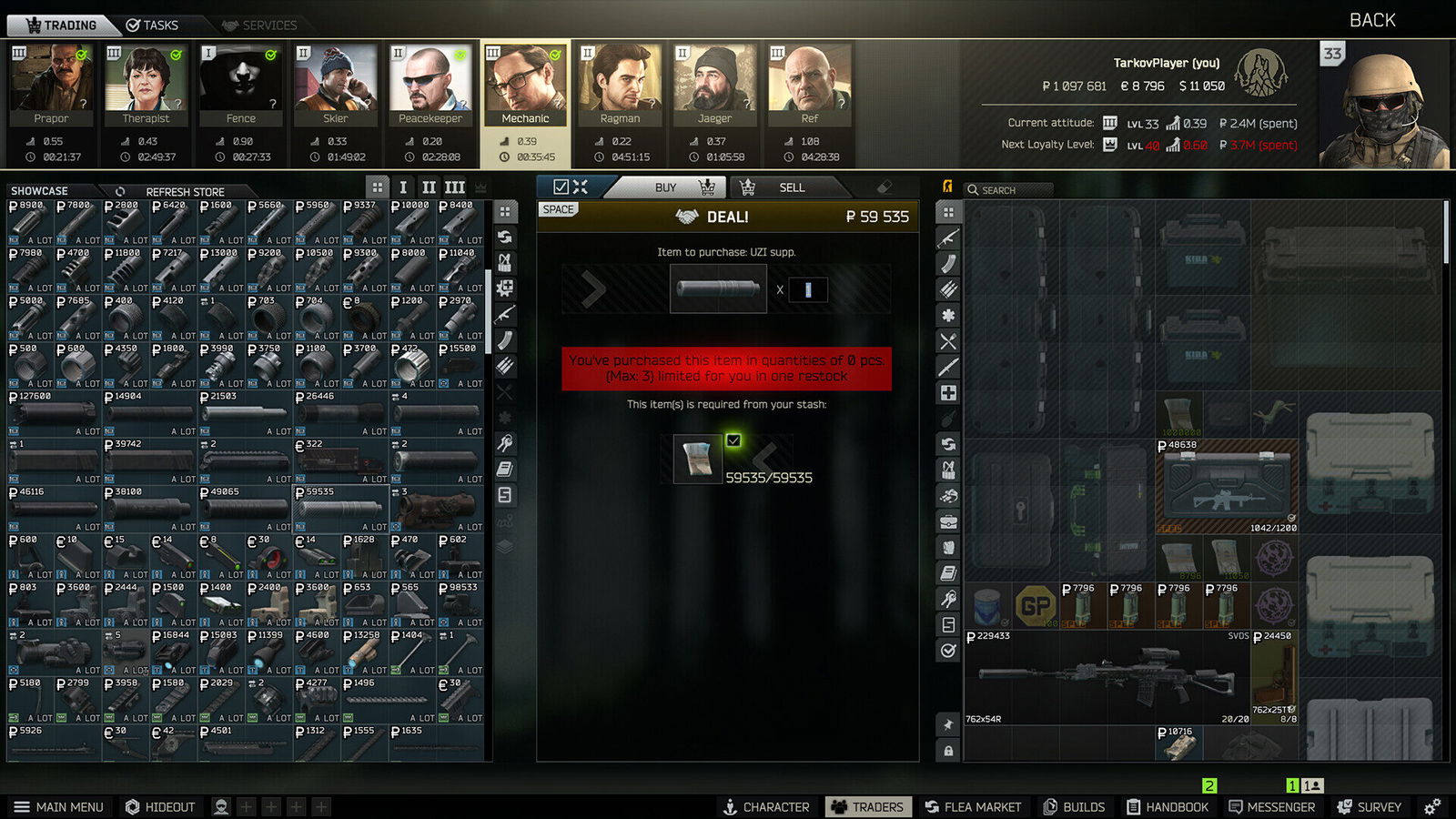
Gameplay consists of two phases: the stash menu and raids. Most of your time will be spent in the stash.
From the stash menu, players organize loot, fuss with gear, manage health conditions, build a hideout, and interact with merchants and quest givers. Many extraction shooters copy Tarkov’s menu system verbatim (I’m looking at you Arena Breakout), but none match its depth—especially for guns. Over 100 weapons, thousands of parts, 27 calibres, and 182 ammo variations (from my count) make even basic planning overwhelming.
Consider the humble AK‑47. Like in other shooters, you can swap the wooden furniture for modern parts. Unlike most games, though, the rifle can be fully disassembled and rebuilt from the receiver up. Charging handles, gas tubes, barrels, stocks, and sight posts can all be modded. Even your mods can have mods.
The Byzantine gun‑modding menu nests submenus inside parts that accept parts with their own submenus. These turtles go all the way down: scopes can have scopes, handles can have handles, and you can bolt as many flashlights onto your rifle as space will allow.
Making it all work takes patience. To attach an optic, for example, you need to pick one, acquire its base, fit the base to a compatible rail, attach the rail to the correct dust cover, find a handguard that works with that dust cover, buy a gas tube that fits the new handguard, remove the stock sight, and then hope to God you loaded the magazine with the right ammo and repaired the receiver before heading into battle.
One time, I forgot to do the last step, and my first shot stovepiped, jamming my expensive new weapon and getting me killed.
Life and Death
Hideout construction and health management are similarly dense, though a bit simpler. The hideout mostly requires scavenging junk during raids, while health management revolves around spending time or money to recover from injuries.
If your PMC dies on a raid, they return to base as a battered mess and need time to convalesce. You can wait out recovery—which can take up to 40 minutes—or patch them up with bandages, tourniquets, splints, med kits, and even canned herring to stave off hunger. You can run raids while injured, but it’s not recommended. Hurt characters grunt and cry, battle stress can cause tremors, and ignoring energy can leave them so exhausted that they literally drop dead—a condition to which I can fully relate.
Think of your PMC as a Tamagotchi with a drinking problem.
Raids
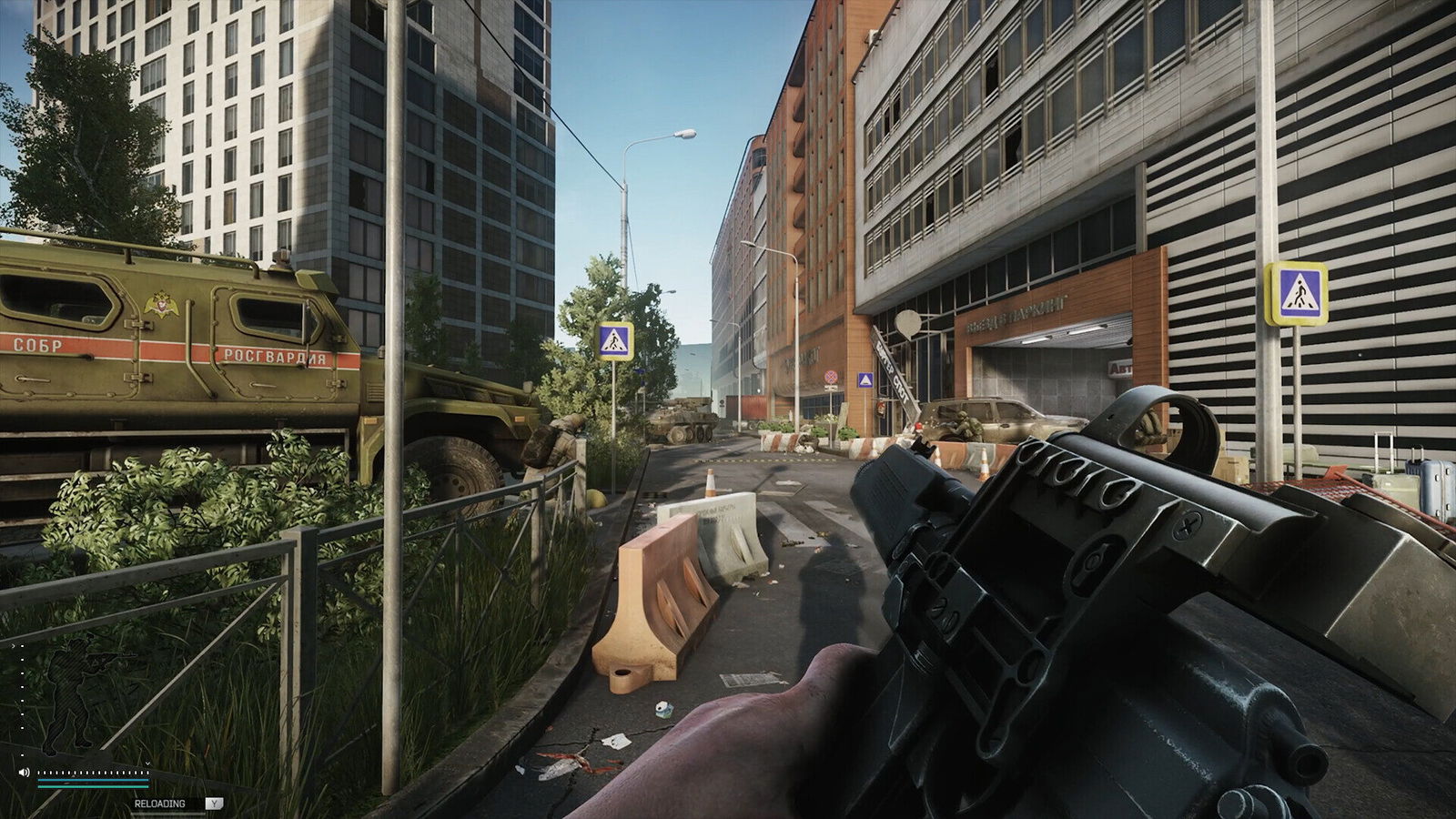
Raids are where Tarkov’s brutality truly shines. Players can join raids as either a PMC or a scav.
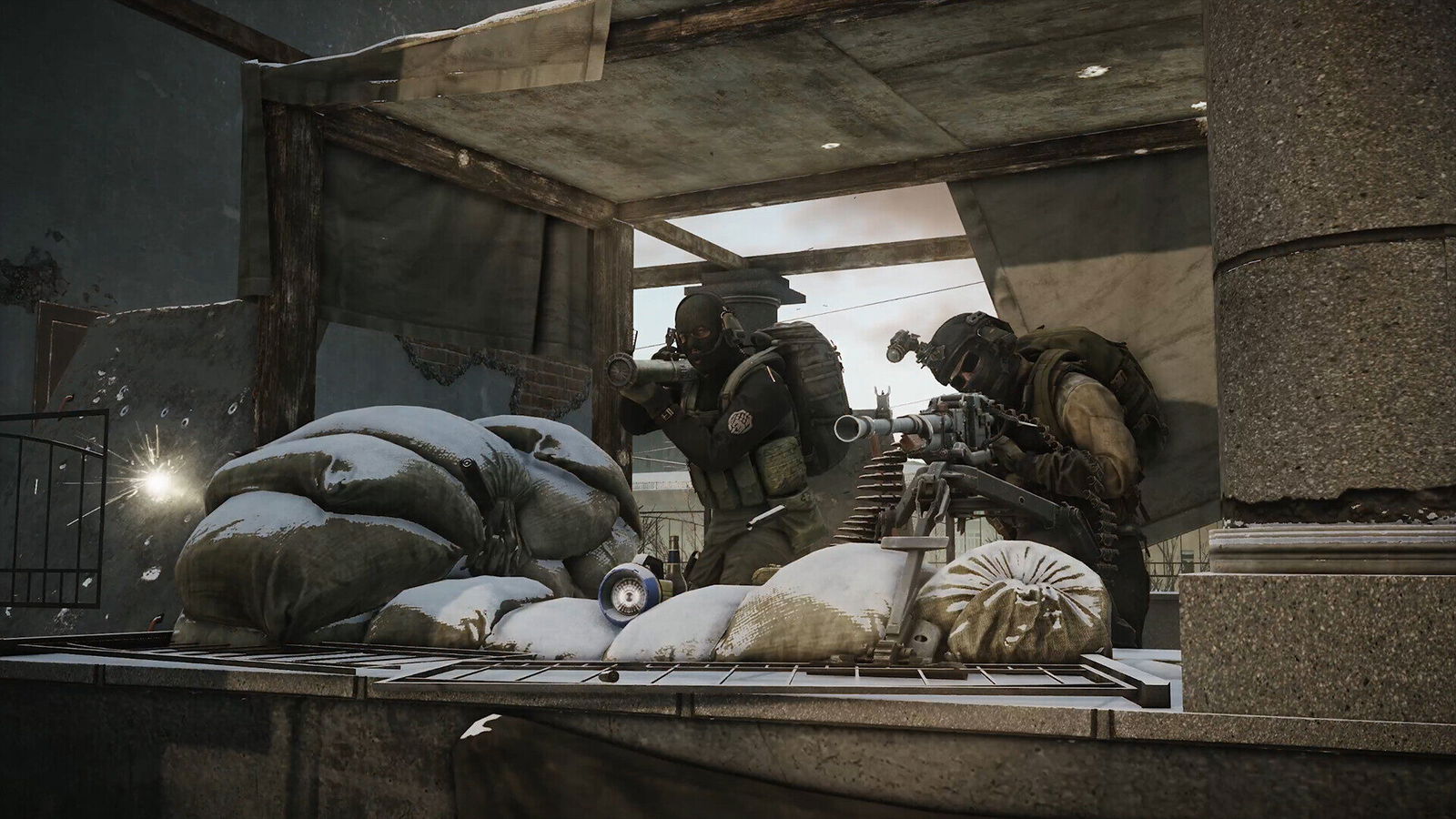
The PMC is your main character and enters at the start of a 40-minute-long raid. If you can survive the opening onslaught of PvP—where veteran players rush from spawn to spawn trying to streamline their loot runs—you’ll then be free to hunt scavs, collect treasure, complete missions, and, hopefully, make it to an extraction point.
“Escape from Tarkov isn’t just a gruelling game to survive—it’s deeply unfair, which is oddly part of its appeal.”
Scav runs are vulture play: you enter a match-in-progress as a nameless, hoodie-clad hooligan with randomized gear. Your job is to sift through the carnage left by PMC players and try to make it out without getting thrashed by the ultimo hombre or other player scavs.
You can play as a scav once every half-hour or so, usually when you can’t afford to heal your PMC. Scavving is technically PvP, but just because you can kill other scavs doesn’t mean you should. Killing them—especially player scavs—will make some shops more expensive to visit. It’s also just poor sportsmanship: no one goes dumpster diving because things are going well.
If you get too flashy with your loot, though, don’t be surprised when a fellow scav puts you down. Scavs are an unscrupulous bunch, and the promise of playing nice for better deals doesn’t always sway players who are perpetually broke… like me.
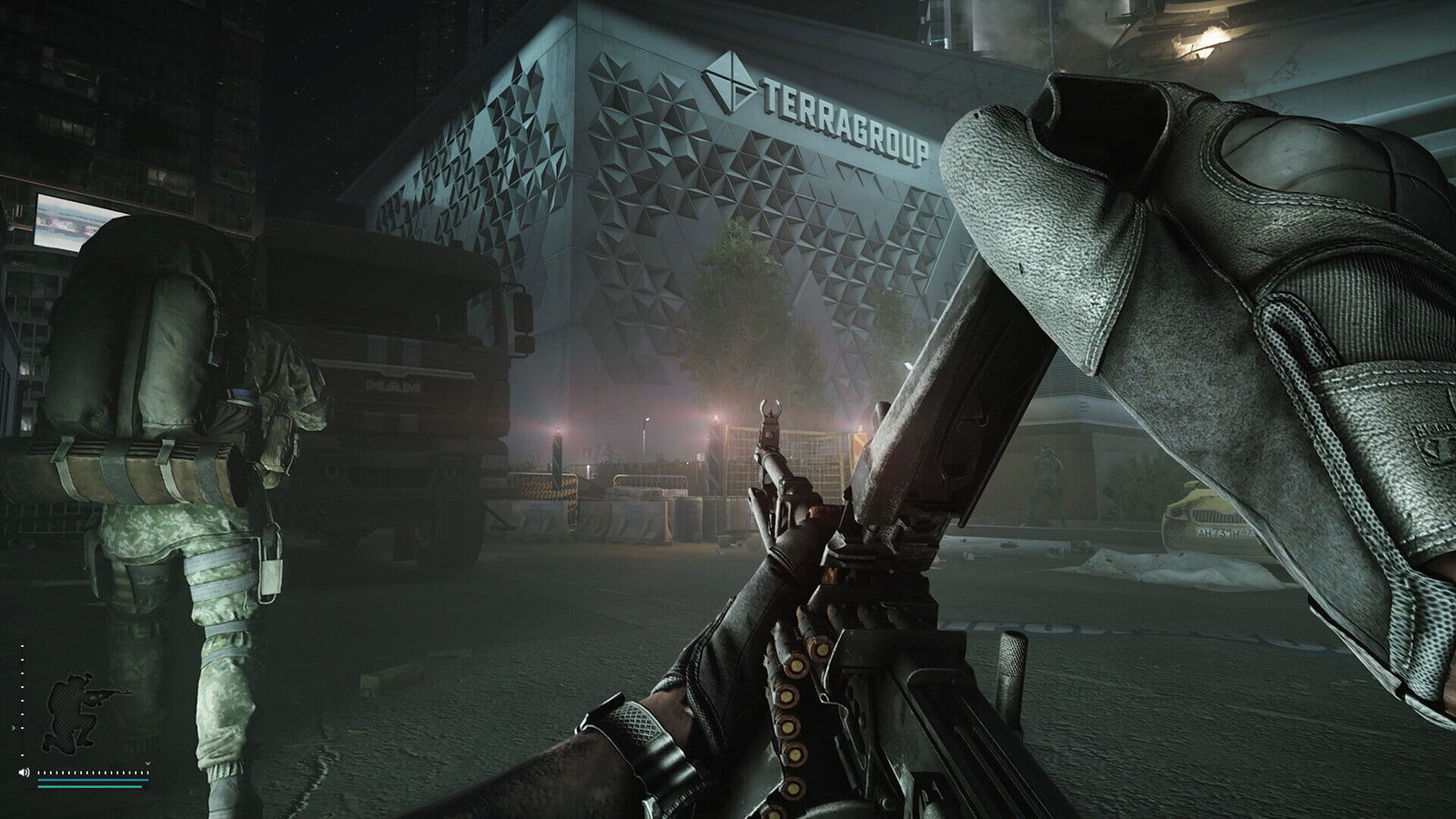
The best strategy? Keep your head down, pretend you’re AI, and give a friendly wiggle if things get tense. Who knows—maybe they’ll let you keep the dashing chapeau you just graverobbed.
The battlegrounds range from claustrophobic to immense. Survival depends not just on gunfighting skill but also on map knowledge, supply management, timing, and luck. On maps like “Woods,” even the craftiest strategists can be dropped by an AI sniper camping on the other side of the map. Sometimes, the best strategy is knowing where you’re not welcome.
Escape from Tarkov isn’t just a gruelling game to survive—it’s deeply unfair, which is oddly part of its appeal. Its quirks can be learned, and meta-knowledge is essential for developing viable plans, which is both very cool and incredibly frustrating for new players. Which brings me to the most important takeaway I can give you:
If you’re new to Escape from Tarkov, prepare to die. Death happens fast, and it happens a lot.
This is not a game that holds your hand. There are no maps, no HUD compass, no ammo counters, and no safe zones. Step out of bounds, and you won’t get a warning: you’ll set off a landmine or get shot. It won’t kill you, but it will damage your legs and force you to limp to exfil with a slow bleed.
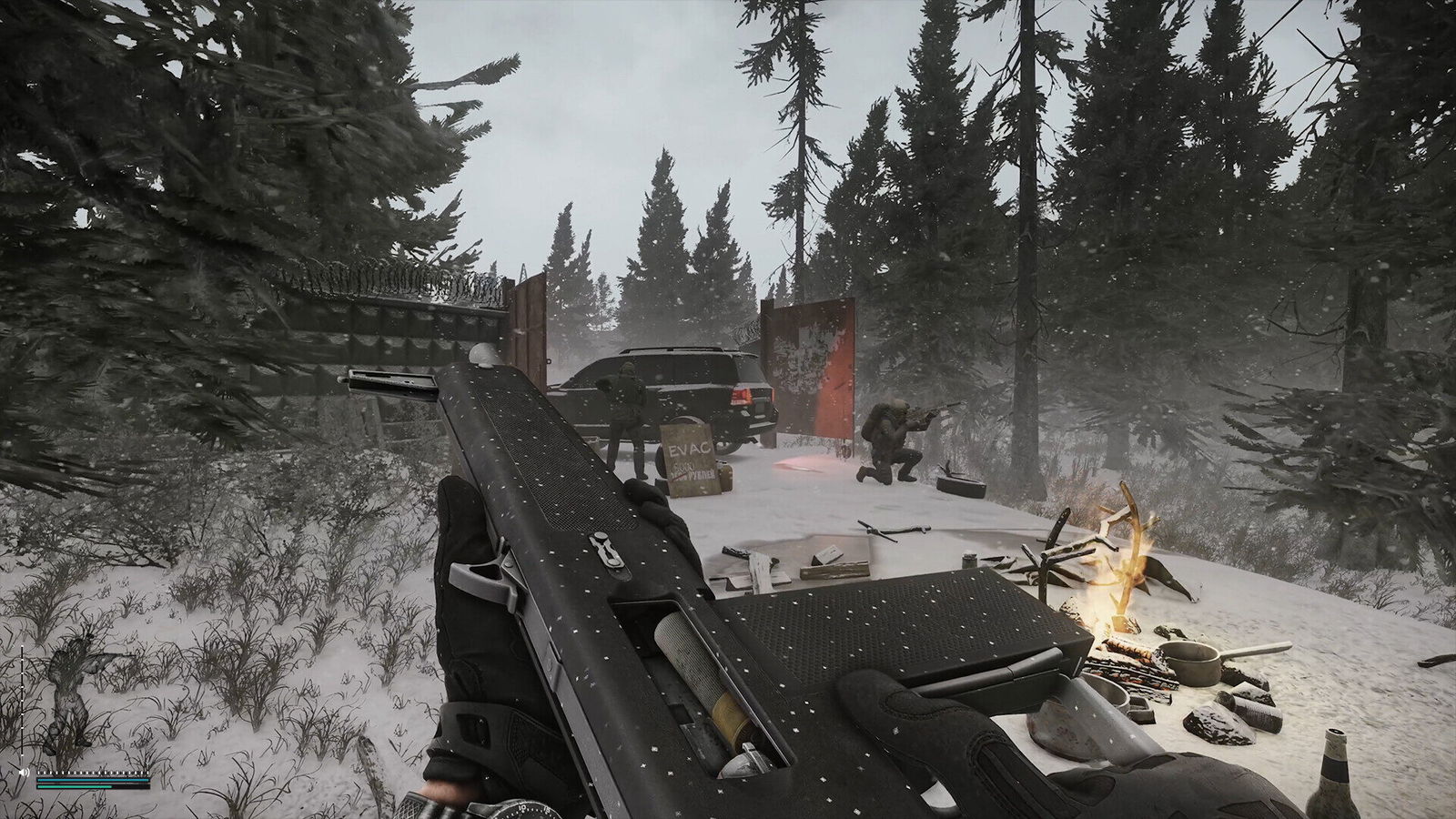
Combat is a trial-by-fire nightmare. Your enemies are obsessive psychopaths with thousands of hours in-game, who have been mastering these maps since 2017. For context: some players were exploring Tarkov back when PUBG was a new game and David Bowie was still alive.
The Rats Path To Valhalla
It’s one thing to learn the game’s systems; it’s another to survive them. But once you start actually extracting, Escape from Tarkov can be a hell of a good time. The key is letting go—accepting that failure is inevitable, your gear was only rented, and the only friend you can trust is the one you have the drop on.
To survive your opening days in Tarkov, it’s ok to be a rat. Even high-level players skulk around, adjusting their walking speed with their mouse wheel. Fully-kitted commandos are still going to get dropped by AI, or bleed out because they ran out of bandages. In this world, it’s perfectly fine to camp a dead body with the goal of making a second one. I’ve had five-minute-long standoffs with experienced players where both sides patiently waited for the other to swing the door. I died, by the way—but man, was it exciting.
“Escape from Tarkov demands constant attention; without it, your action-adventure experience can quickly descend into survival horror.”
I can’t think of another shooter where an entire battle can be won or lost on a single shuffle of the foot. The combination of a raid’s ticking clock, ever-escalating AI threats, dwindling supplies, and the drive to protect your loot makes each round unfold with the tension of the shootout from Heat. Escape from Tarkov demands constant attention; without it, your action-adventure experience can quickly descend into survival horror.
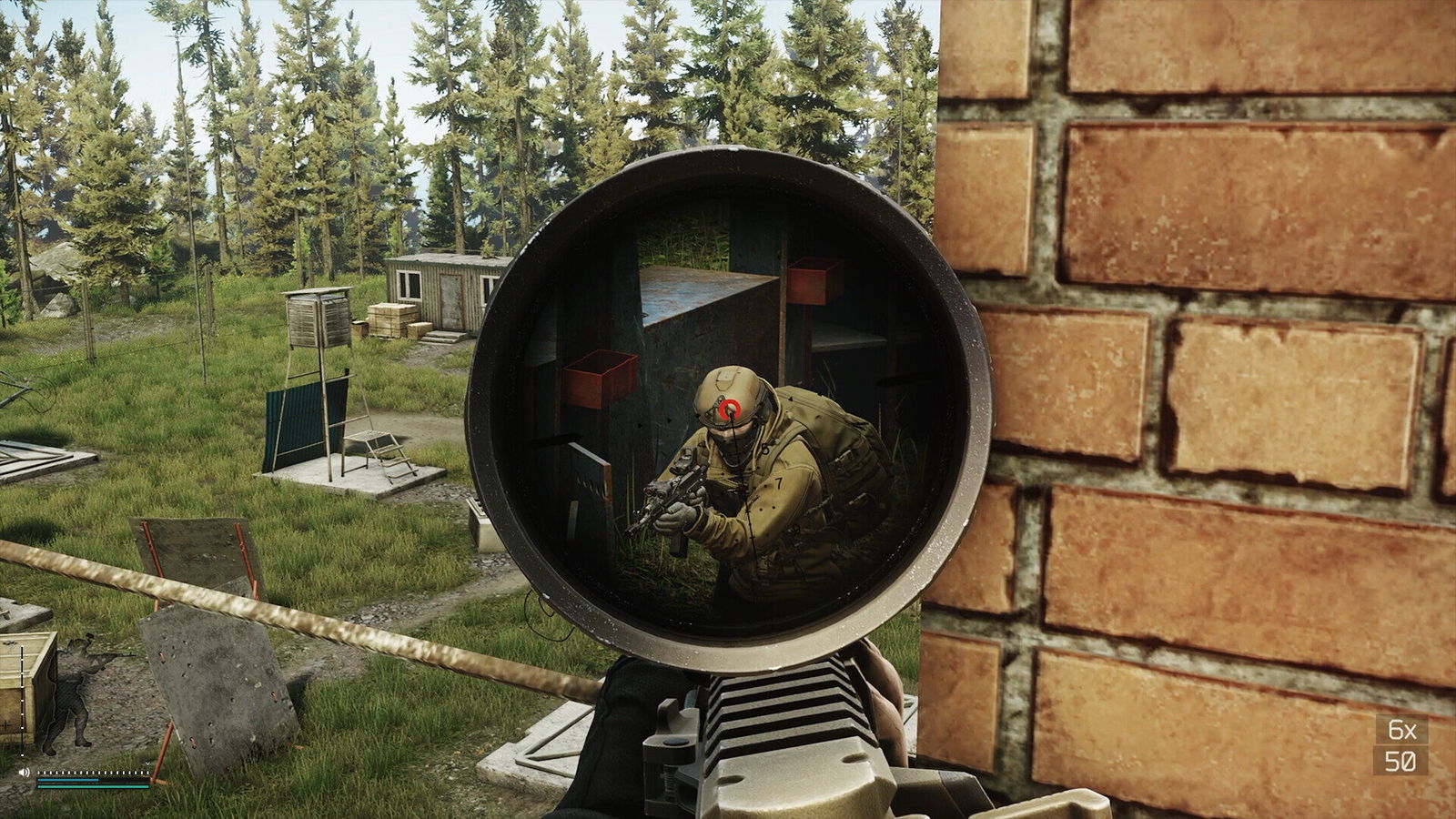
Goodluck
Escape from Tarkov is not for the faint of heart. Its systems are labyrinthine, its matches punishing, and its gameplay loop and community unforgiving. But it is one of a kind. With persistence, patience, and a few tears, new players can find a rewarding experience that’s worth the brutal learning curve. There’s a reason so many players have over 10,000 hours logged on their accounts. It’s like poker with guns. The best time to start raiding in Tarkov was seven years ago; the second-best time is now.
Now, if you’ll excuse me, I have to join a raid—my gear isn’t going to lose itself.