

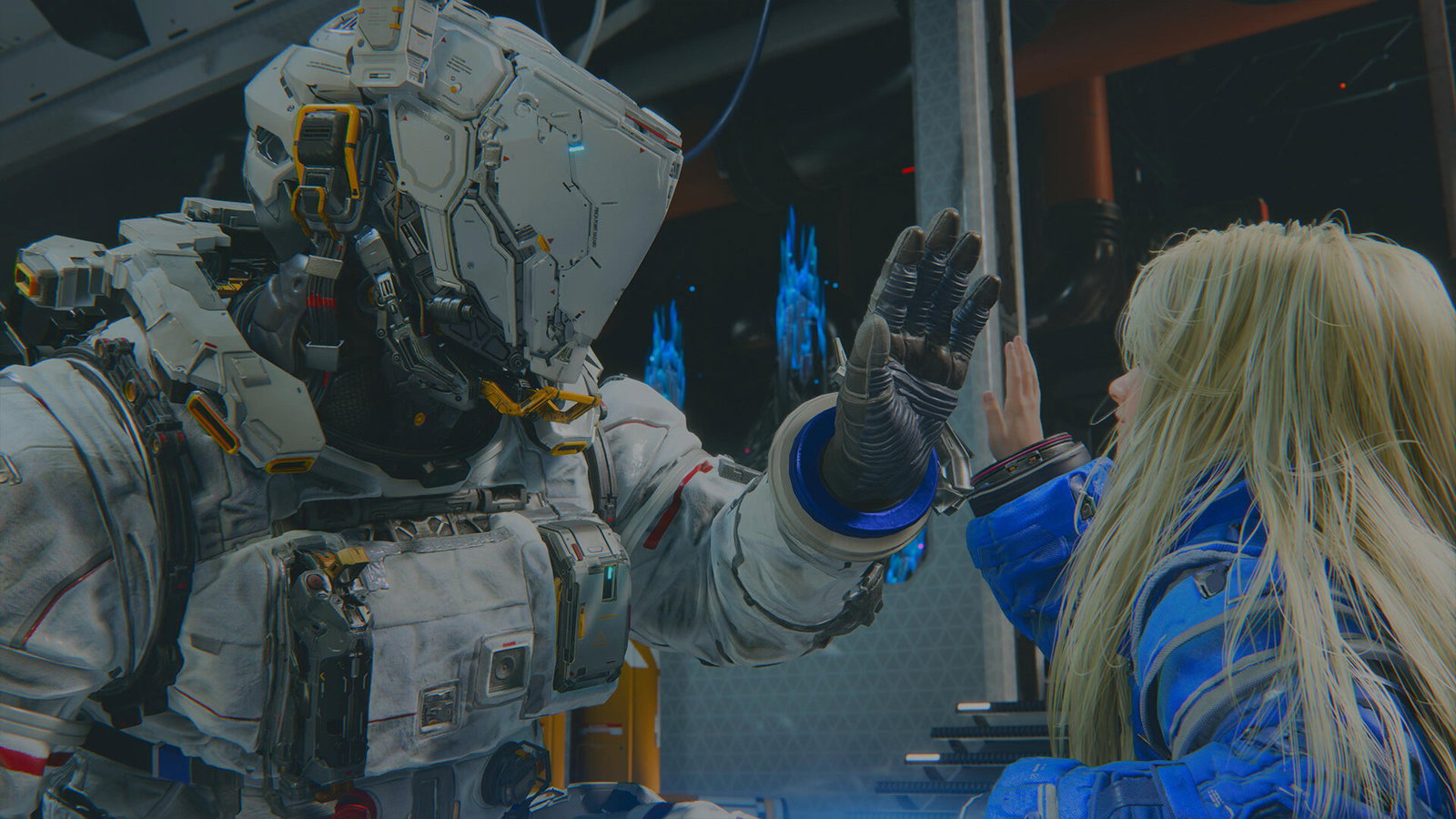
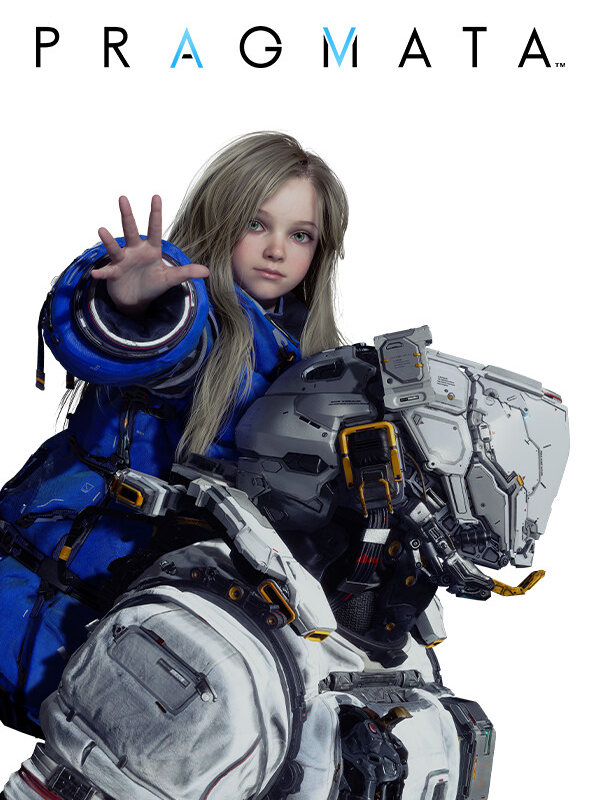

I was a little worried when I first booted up Pragmata that it would basically be the second half of Resident Evil 4, but in space. What I came away thinking was that Capcom, while getting a little too comfortable with its formulas, is open to some experimental gameplay mechanics. Pragmata is one of those games that feels like Capcom was previewing forever, trying to show people that it had something special up its sleeve. Now that it is finally here, it lands with a confidence that makes it clear they believed in their experiment.
What stood out is how well everything feels together once you have passed the opening tutorial. The early hours do a solid job of introducing the core loop without dragging things out. There is a rhythm to it that builds naturally, and once it clicks fully, I became lost in its world, wanting to collect and see everything Pragmata had to offer. I’m still surprised they made it so easy to get into the habit of shooting, moving and hacking all at the same time without feeling overwhelmed.

If you are familiar with any of the recent Capcom outings like Resident Evil Requiem or Resident Evil 4: Remake, then you should be immediately comfortable with the gunplay. There is weight to every shot, and enemy reactions sell the impact without turning encounters into a slog. It pairs nicely with the hacking system, which is where Pragmata really starts to carve out its own ideas.
Instead of treating hacking like a simple mini game or a quick time distraction, it becomes something you actively engage with in the middle of combat. You are constantly shooting and hacking all at the same time to open enemies up to deal more damage, and later, you can have nodes in the hacking that let you do stuff like confuse them, hack more than one enemy at a time, or heal yourself, along with a handful of other side effects.
It could have easily become overwhelming, but the game does a great job of slowly easing you into the dual-motion combat. Early encounters give you space to experiment, and by the time things ramp up, you have enough experience and tools to feel like you have a handle on things. There is a satisfying flow to choosing targets, opening them up, and capitalizing on those openings with well-placed shots and further hacking.
Platforming was originally something I was not looking forward to in Pragmata. With how short the boosters on your suit are, it felt like it was going to be more frustrating than anything, but with a well-placed upgrade, I was suddenly able to boost another time, immediately opening up more room for movement. Environmental design plays into this nicely, with areas that reward curiosity without feeling like they are trying too hard to hide secrets. By the end of the game, there were only a handful of secrets I was not able to easily get to with a few seconds of looking over the environments.
The upgrade systems tie all of this together in a way that feels rewarding without becoming overly complex. Money and upgrade modules are two separate upgrade types. With credits being more about upgrading what weapons you can set out with, and upgrades to your abilities, like hacking and traversal.
“Visually, Pragmata leans into its sci-fi setting with a clean, almost sterile aesthetic that works in its favour.”
Whereas the upgrade modules are all about your core systems like suit integrity, which will upgrade things like health and defence, while upgrading your main weapon will boost your damage, stagger and clip size. The last thing in this upgrade tree is Diana herself, which will give you boosts to all your hacking abilities, like how long enemies are left vulnerable or the hacking damage itself. It helps that the money and upgrade modules are paced well enough that you are almost always working toward something tangible.
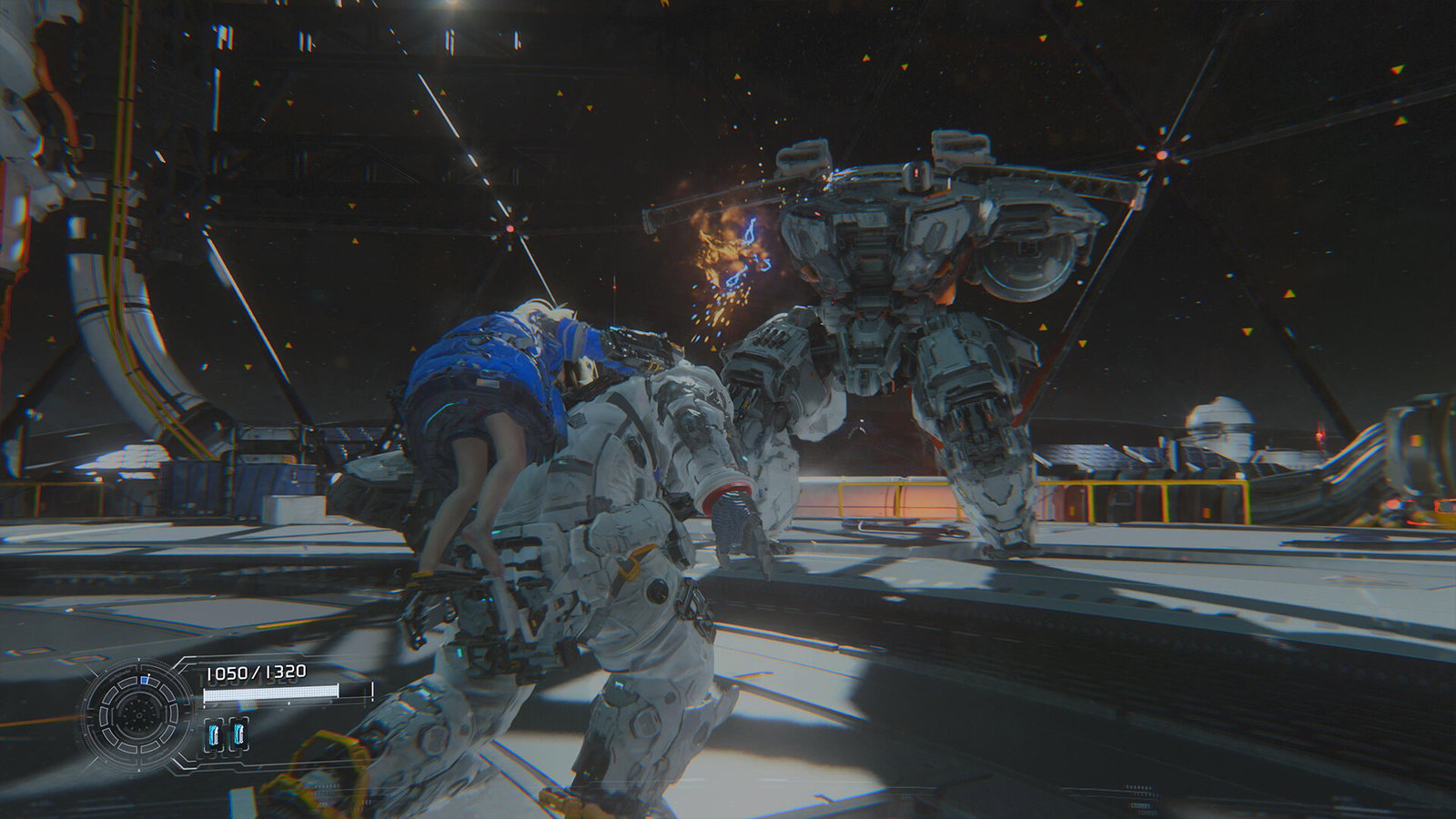
Visually, Pragmata leans into its sci-fi setting with a clean, almost sterile aesthetic that works in its favour. It’s also mixed with some incredible vistas, like at one point you come to a fake ocean and forest that are both equally breathtaking. Not to mention, one of my favourite things in sci-fi games is seeing Earth from a distance, and Pragmata doesn’t disappoint.
The voice work is a delight, with Diana’s V/O actress being a standout. Performances across the board are convincing, with a natural delivery that helps ground the more out-there Sci-Fi elements of the story. There is a sincerity to the dialogue that makes it easy to stay invested, even when the narrative leans into familiar territory. It is clear that a lot of care went into casting and direction, and it pays off in a big way.
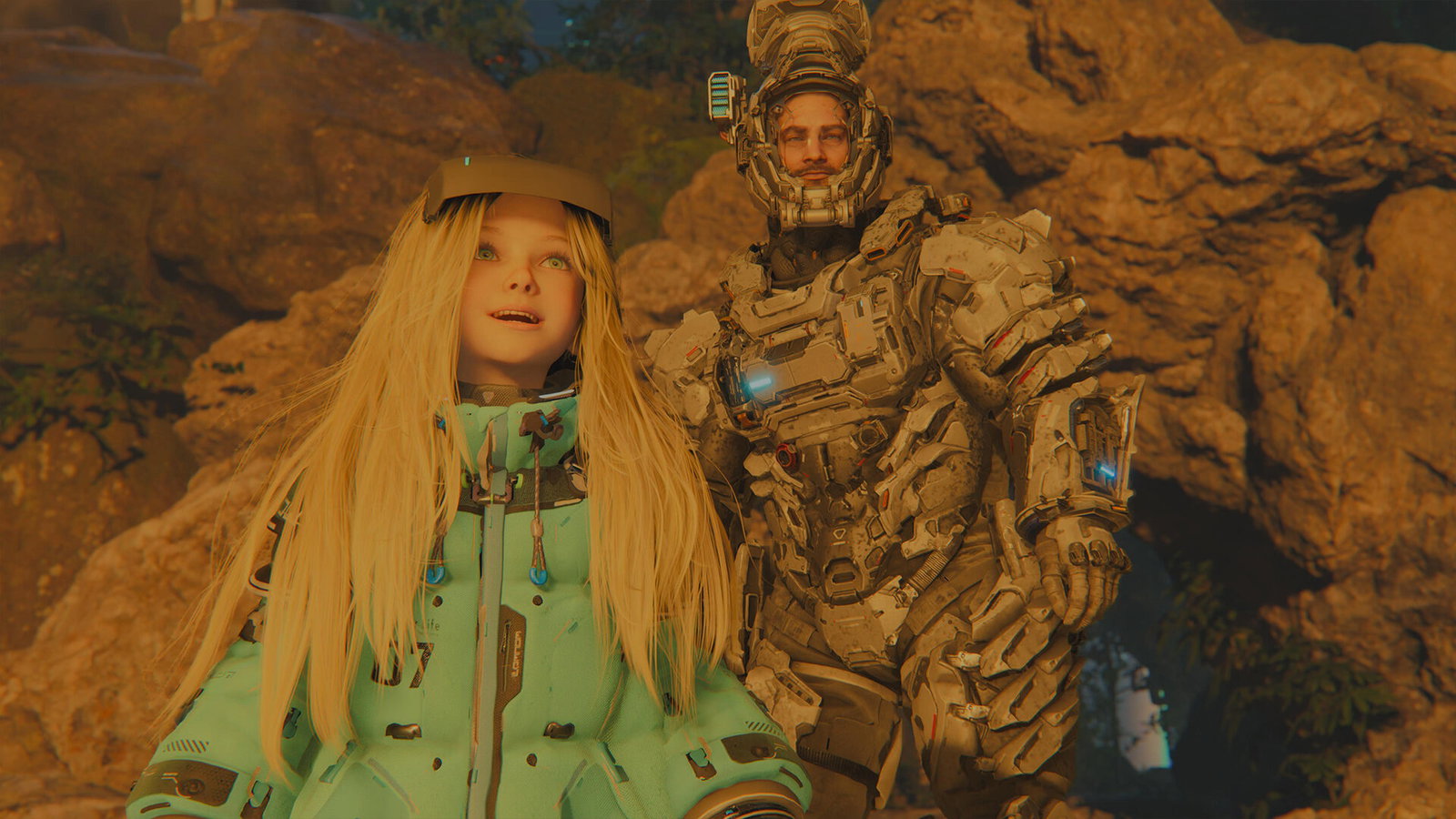
That said, the story is where things get a bit uneven. The core ideas are interesting, and some moments genuinely land, but the relationship at the centre of it all develops too quickly. Characters seem to gravitate toward each other without the kind of buildup that would make those connections feel fully earned. It does not ruin the experience, but it does stand out, especially early on when Hugh and Diana are seemingly best friends right off the bat, after Hugh makes it sound like he hates kids in the opening cutscene.

Some scenes aim for emotional weight, and while the performances help carry them, you can feel the missing steps in how those relationships were built. A bit more time spent establishing those bonds would have gone a long way. At times, these moments feel unearned, but I found that by about midway through, the relationship between the two really became caring, and by that point, it felt earned and helped the more poignant later scenes land.
“Pragmata feels like the start of something that could grow even stronger in the future, and, as it stands, it is already a memorable experience well worth your time.”
Even with that in mind, the overall pacing of the story holds up well by the end. It moves at a steady clip, introducing new mechanics and challenges just often enough to keep things fresh without pushing back against the player too hard. Each chapter brings something new to the table, whether it is a twist on existing systems or a completely new idea.
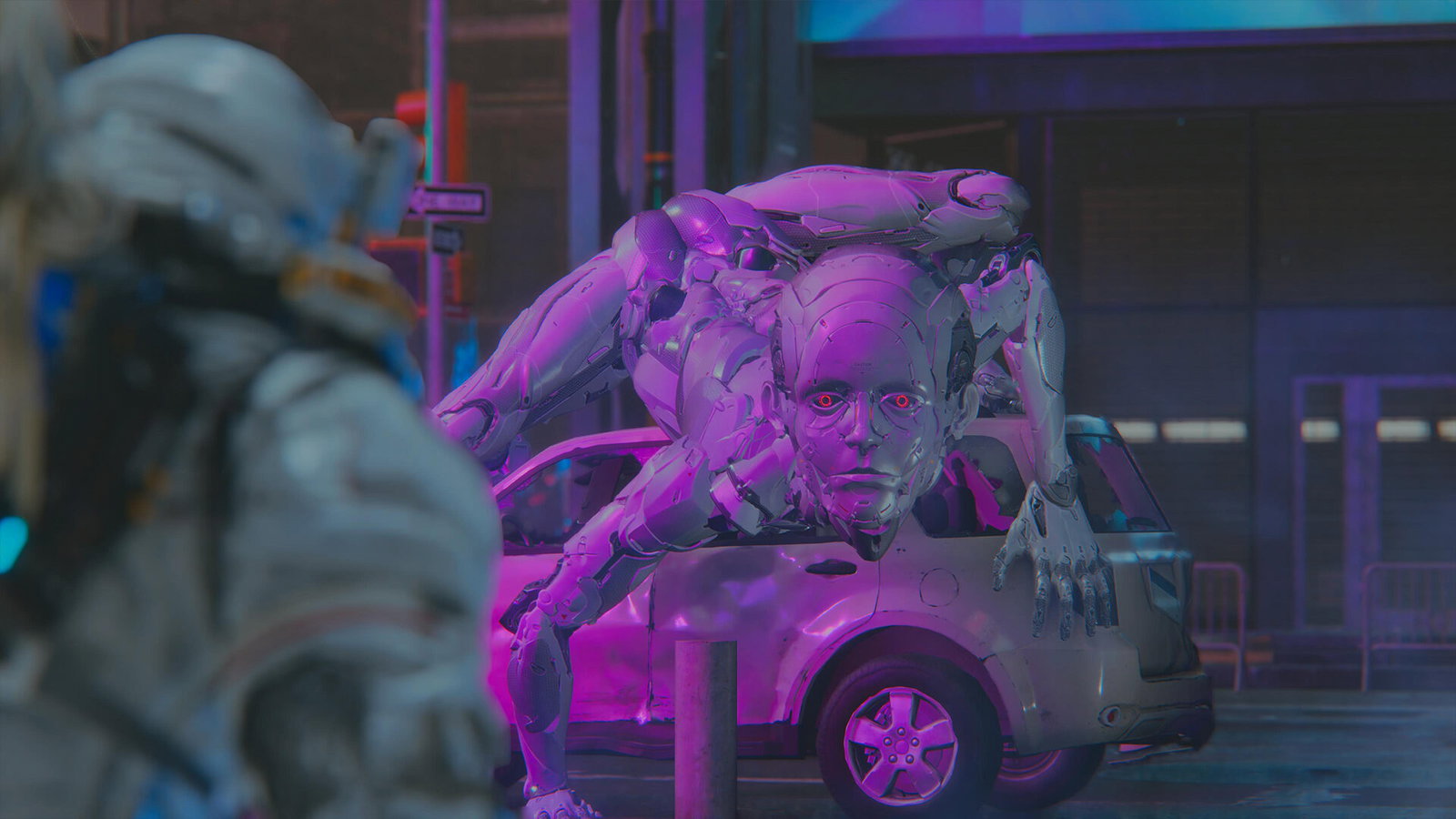
Enemy variety keeps combat engaging, with different robot types that require different approaches, and the interplay between shooting and hacking makes that clear. They don’t have the same layout between types, but one type will, for the most part, keep the same layout, and as you go, you kind of mentally have it in your head who is easier to hack to whittle the numbers down faster in a room full of robots. Boss encounters, in particular, do a good job of testing your understanding of the mechanics.
There is also confidence in how the game presents itself. It does not feel the need to over-explain or hold your hand beyond what is necessary. It trusts you to engage with its systems and figure things out, and that trust is usually rewarded. It is refreshing to play something that respects the player’s ability to adapt.
By the time the credits roll, Pragmata left me with such a strong impression. It’s a game that feels confident. Because if the hacking while shooting system didn’t work so well, the entire game, front to back, would have been a gruelling slog. But the combination of shooting, hacking, and platforming creates a loop that is easy to get invested in, while the progression systems give you a steady sense of growth. Add strong voice performances and a well-realized world, and it becomes clear that this is something special.
It may not hit every emotional beat as cleanly as it could have, but it gets enough right that those shortcomings are easier to accept. Pragmata feels like the start of something that could grow even stronger in the future, and, as it stands, it is already a memorable experience well worth your time.