

I was racking my brain trying to figure out where I had seen ROUTINE before reviewing it. It was one of those games that I only remembered in glimpses, and after doing a bit of digging, it turned out this game was announced at Gamescom all the way back in 2012—ending up in development limbo, but popping up here and there.
And if history has taught us anything, it’s that games with that kind of fraught development never end up any good, right? WRONG! Apparently, much like Team Cherry, Lunar Software spent that time being radio silent because they were making something that we’d actually want to play—and a horror game at that, which is no easy feat.
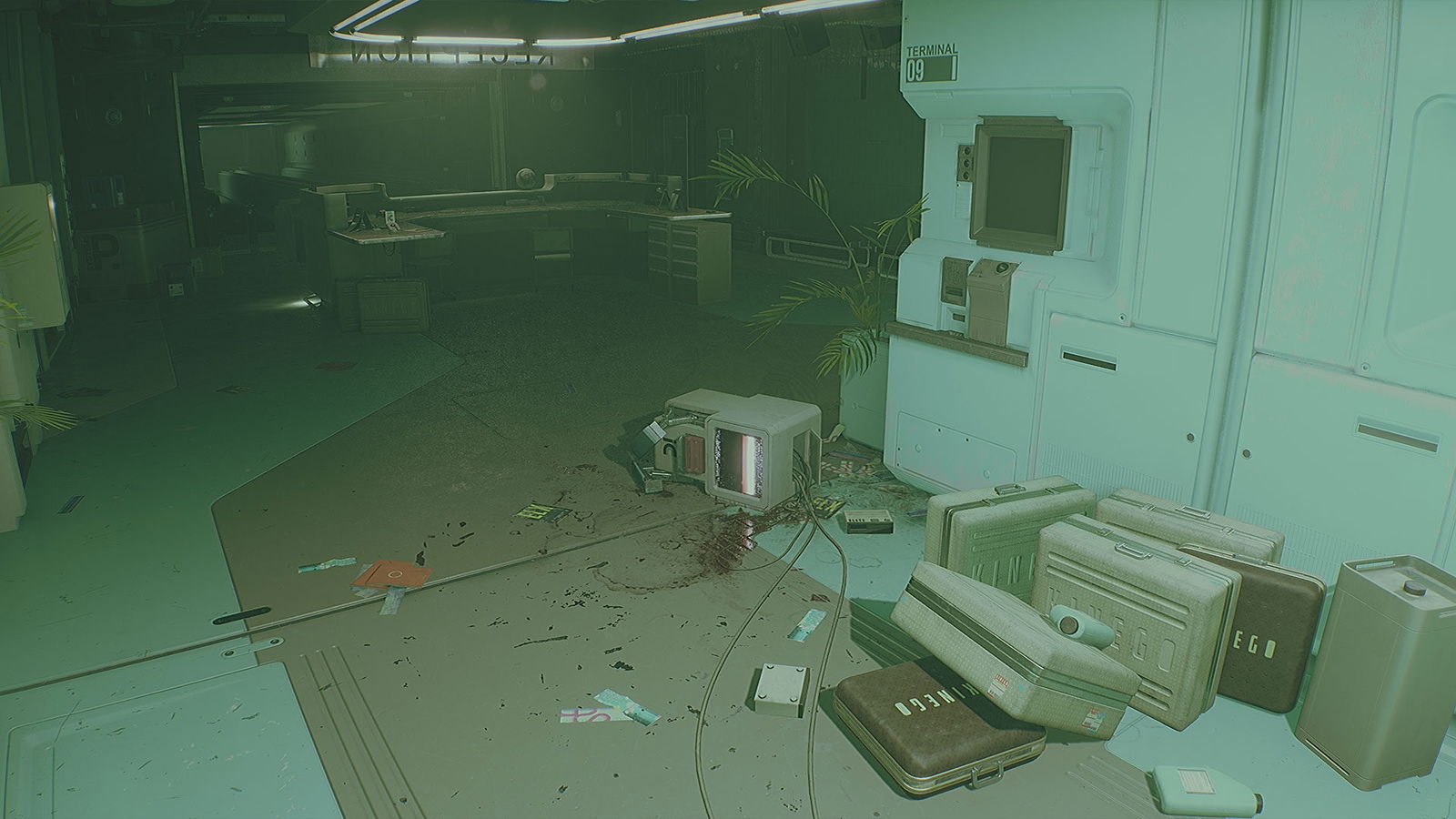
ROUTINE begins with the player waking up on an abandoned lunar facility with no clear idea of who they are or what has happened. There are some emails pointing to a recent lunar quake and a strange illness that seemed to spread through the colony shortly after. What’s more, there’s a suspicion that the company in charge was working harder to cover it up than they were to help.
As players progress through ROUTINE, they begin to encounter more questions than answers as communications between the colony’s inhabitants become fragmented and the lines between reality and illusion blur. It soon becomes clear that some force may be working against the player, and they must survive long enough to discover what it is and what truly happened.
The plot is genuinely intriguing. It avoids overwhelming the player with its themes and does an excellent job of building atmosphere while creating a sense of what this colony was like before and during the strange events. It uses both visual storytelling and text logs effectively, with the only signs of life in this otherwise dead colony found on the computers left behind.
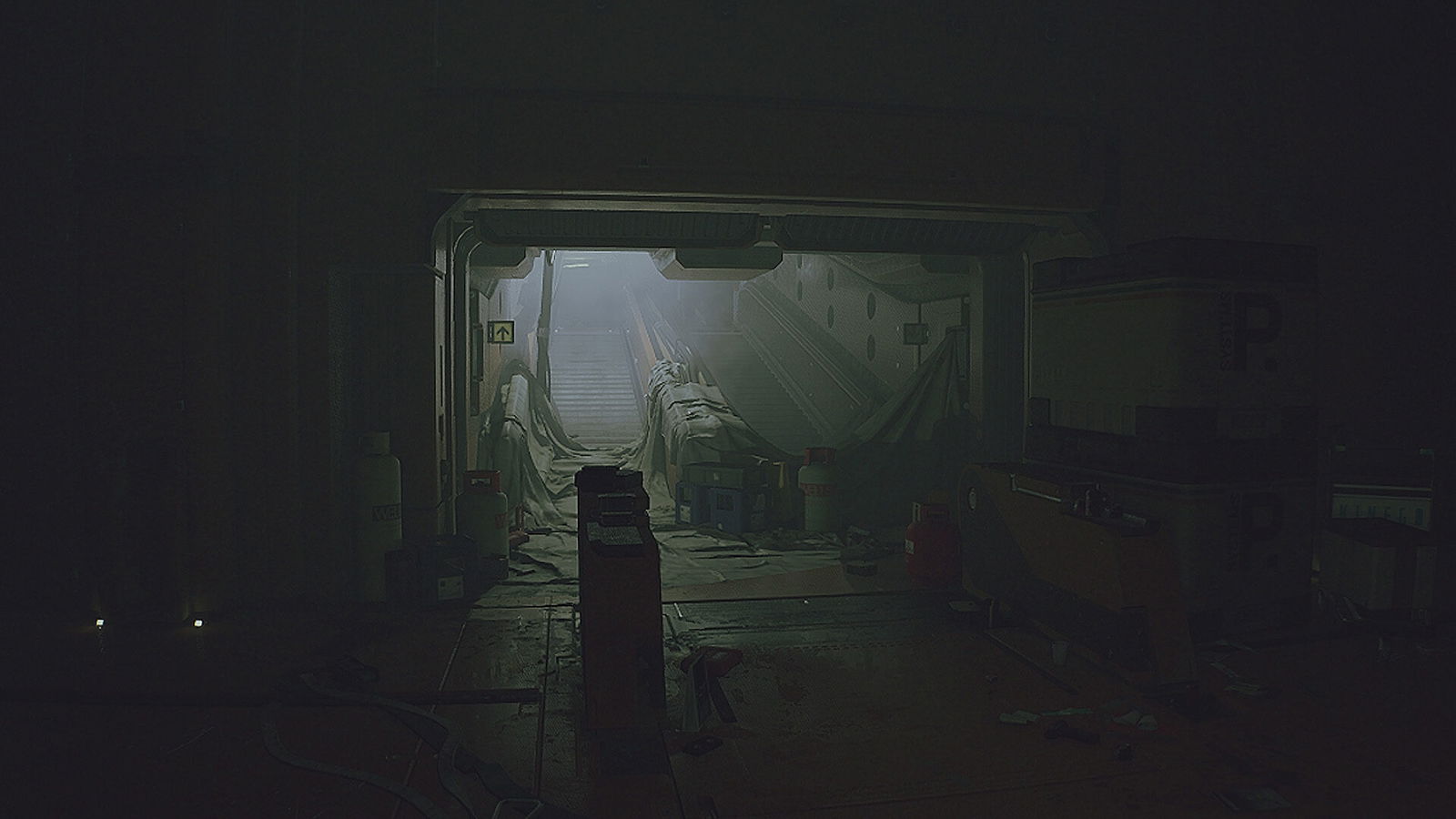
But ROUTINE excels at the fundamentals of a horror experience through gameplay that is tense, engaging and deeply absorbing. On the surface, it is straightforward. Players explore different areas of the lunar base in search of clues tied to the puzzles before them, allowing them to progress. However, it is the subtle ways that ROUTINE executes its gameplay that make it so captivating.
To begin with, players are not given any real form of HUD or information. There is no map, no objective list and no guidance. The game requires players to pay attention to spatial audio cues, environmental details, and to remember the layout of each area, or at least recall where hiding spots are located. The only interface available is the Cosmonaut Assistance Tool (C.A.T.), which functions as both a multi-tool and a last-resort weapon. I especially appreciate how the C.A.T. is implemented, because it gives ROUTINE a distinct and memorable identity.
“ROUTINE finds so many fun ways to make just the function of using old hardware a fundamental part of the horror experience.”
The C.A.T. is needed to interact with certain electrical equipment, which is usually just as simple as blasting them with the unit’s electrical overcharge, but sometimes requires connecting with certain computers. In order to do that, players need to first bring up the C.A.T. screen on any compatible computer, then press the link button on their device to establish a connection and run a diagnostic—all in real time.
And how you interact with every computer screen is incredibly intuitive. Rather than put players into a separate window, the computer’s screen becomes an extension of the cursor, which is not usually visible unless looking at usable objects. It gives players the sense that they’re still interfacing with a computer while never fully removing them from the world—and the potential danger.
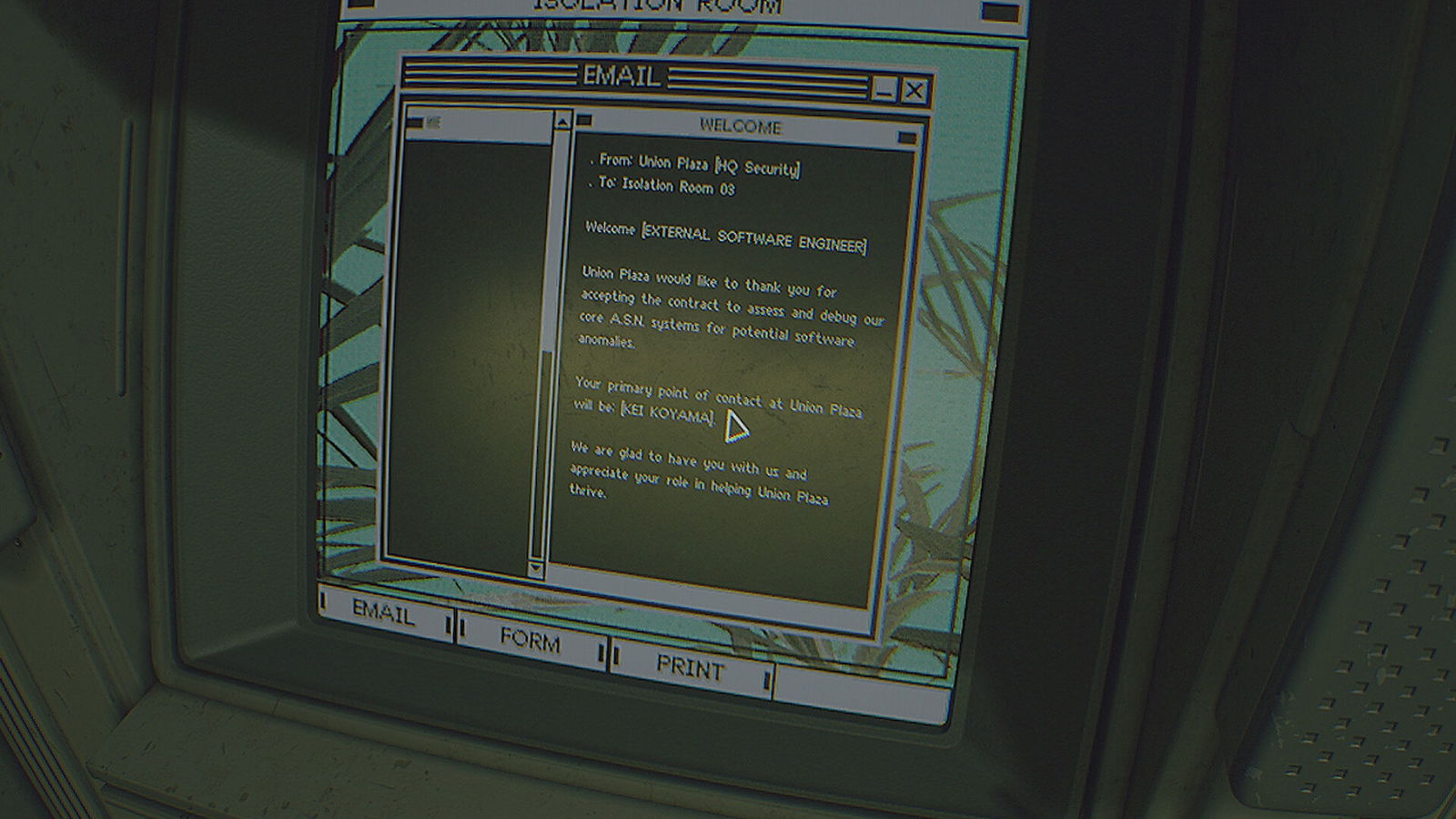
Now, remember how I said there was no objective menu? Well, that was only half true— at certain connection points, players need to use their C.A.T. to connect to the main network so they can access their objectives, notes and save the game. Plus, ROUTINE finds even more interesting ways to incorporate interaction with the C.A.T.
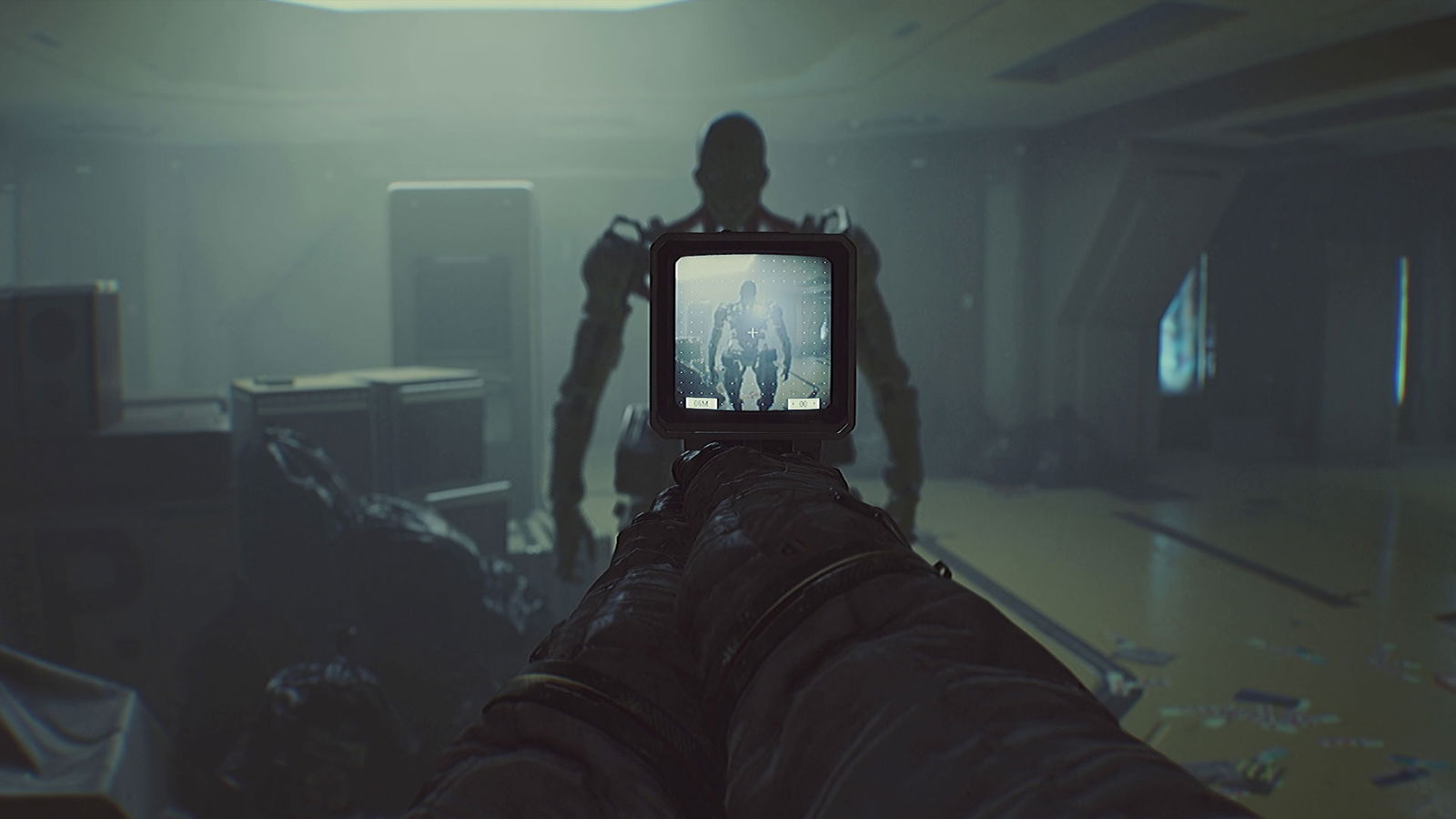
Because the game is aesthetically set in the 80s, the technology is super retro. As such, the C.A.T.’s “iron-sights” screen is essentially a 5Hz CRT and is subject to electrical interference. Wouldn’t you know that there’s a degauss button on the side of the C.A.T. that’s used to refresh the screen? It’s such a small detail, but it does a lot to not only immerse players deeper into the world but also create an increased sense of tension.
Speaking of which, early on, players get a combination flashlight and ultraviolet scanner for the C.A.T., but using it requires players to flip open the mod-port, which disables the electric overcharge function. What’s even more unnerving is that the flashlight isn’t used like normal horror games—where players get a circle of light directly in front of them. Instead, they need to aim down the sights, which changes the field of view, giving them light but making everything past the C.A.T. blurry and hard to decipher.
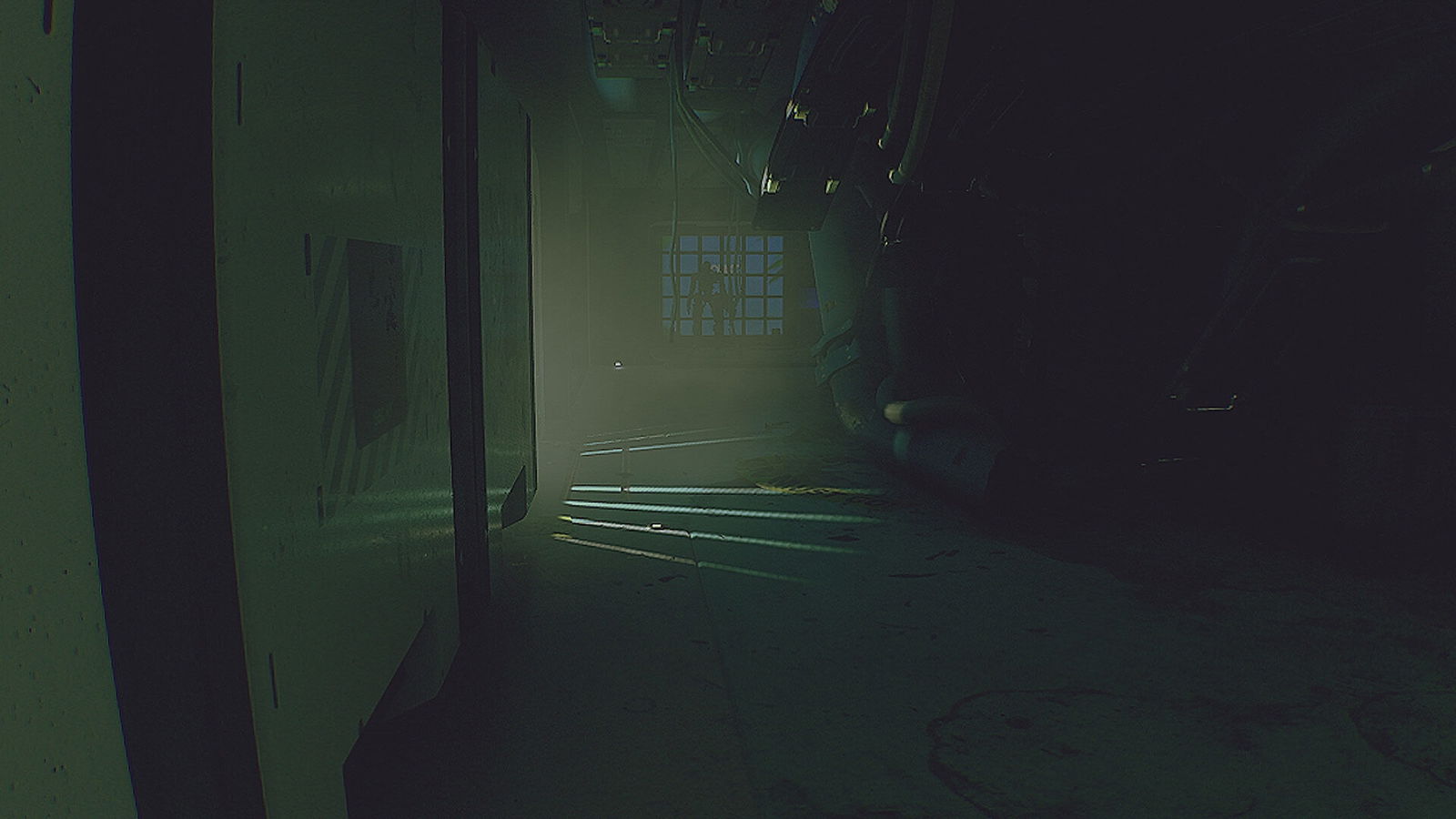
While players can partially rely on the C.A.T.’s screen to see things, it is also running on ancient tech, so the picture quality isn’t super reliable. ROUTINE finds so many fun ways to make just the function of using old hardware a fundamental part of the horror experience. But it’s not just the tech that’s helping you that keeps you on edge; there’s also tech that’s hunting you.
Intimidating humanoid robots known as Type-05s stalk the corridors, and while they’re not particularly abundant, they are used to incredible effect. They stomp loudly down the halls, constantly keeping players on edge, and if you manage to outrun being spotted, they’ll scan the area where you’re hiding with loud, off-putting electric thuds. What’s worse, the Type-05s will suddenly stop in place—the game explains they only function in brief bursts—so you’re never fully sure if one is stationary or just observing its surroundings.
“It does enough to be both an incredibly engaging experience and one that is genuinely tense and atmospheric.”
It does an excellent job of constantly keeping you on edge—listening for any little indication and looking around every corner. You’re constantly jumping at shadows or wondering if the loud stomping is coming from the old 80s speakers projecting their announcement recording, or if it’s a potential threat headed your way. I don’t think I’ve ever been jumpscared by stationary objects as much as I have in ROUTINE; it does such a good job of keeping you tense in the silence.
Visually, ROUTINE is fantastic. I feel like the retro futurist aesthetic usually lends itself to excellent horror, creating environments that are both familiar and somewhat alien. Not only that, there’s a kind of grunginess to the visuals that makes everything feel a bit unreal and dreamlike, which is contrasted by the Unreal Engine’s incredible detailing and lighting engine, really making the Lunar Base look and feel believably real.
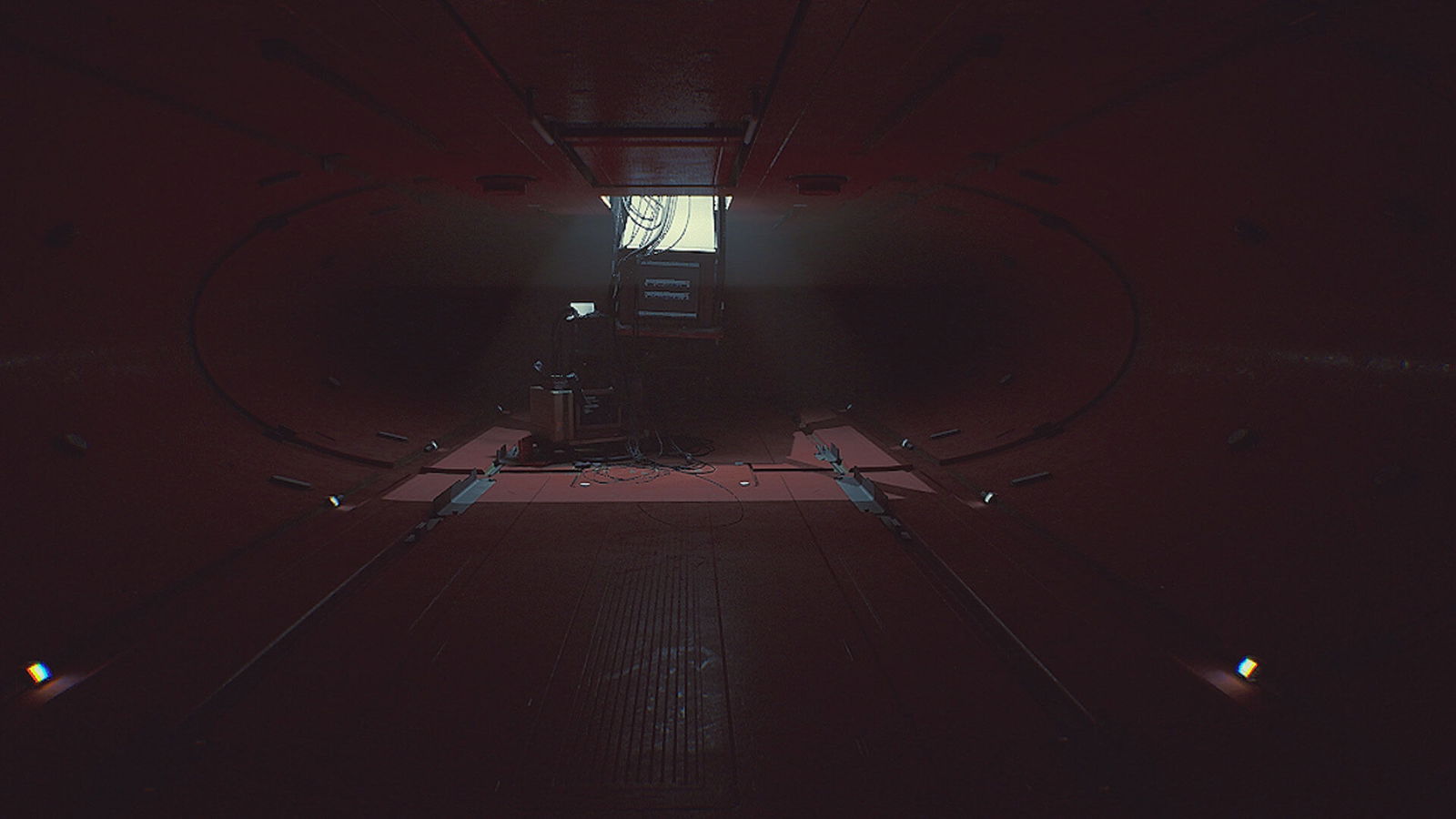
The visuals are backed by an eerie ambiance and the aforementioned excellent use of environmental sound. There’s a certain crunchiness to all the sounds that make things feel tangible and weighty. Furthermore, so much of the audio used for voices—be it from loudspeakers or the IC robots—has that incredibly bitcrushed Intellevision Intellivoice Module sound that is both charming and highly off-putting.
ROUTINE doesn’t exactly reinvent the wheel when it comes to horror games, but it doesn’t really have to. It does enough to be both an incredibly engaging experience and one that is genuinely tense and atmospheric. For a game that disappeared for so long, I’m glad it returned with a vengeance—definitely check this out!