
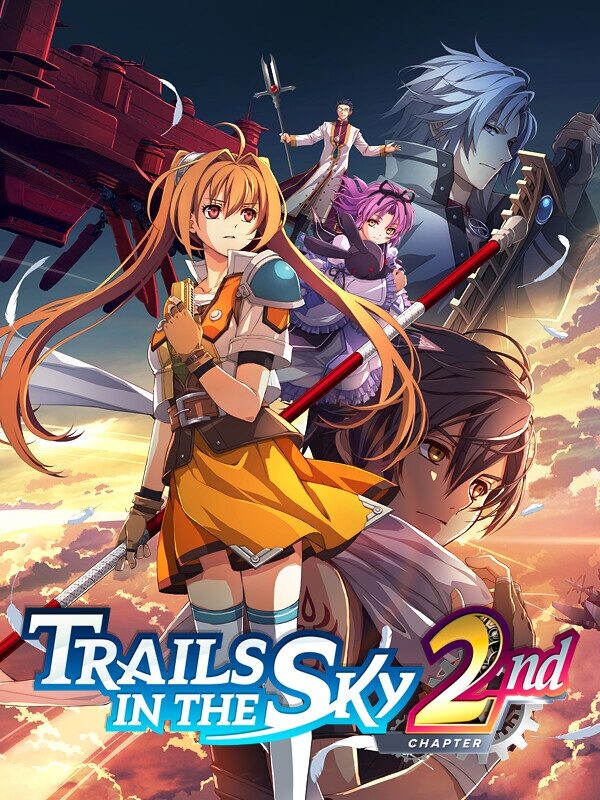

Trails in the Sky 2nd Chapter picks up right where Trails in the Sky 1st Chapter’s remake left off, with one of the biggest gut-punches in JRPG ending cliffhanger history. It wastes no time making that cliffhanger feel worth the wait, either. Trails in the Sky 1st Chapter was a charming, more leisurely introduction to Liberl and the deep political intrigue brewing before the sequel. It was built on small-town-feeling errands and a slow-burn setup, and it worked because it was setting the table for the true intrigue of the series that is on full display here. The Legend of Heroes: Trails in the Sky SC’s remake feels like it’s finally serving the meal.
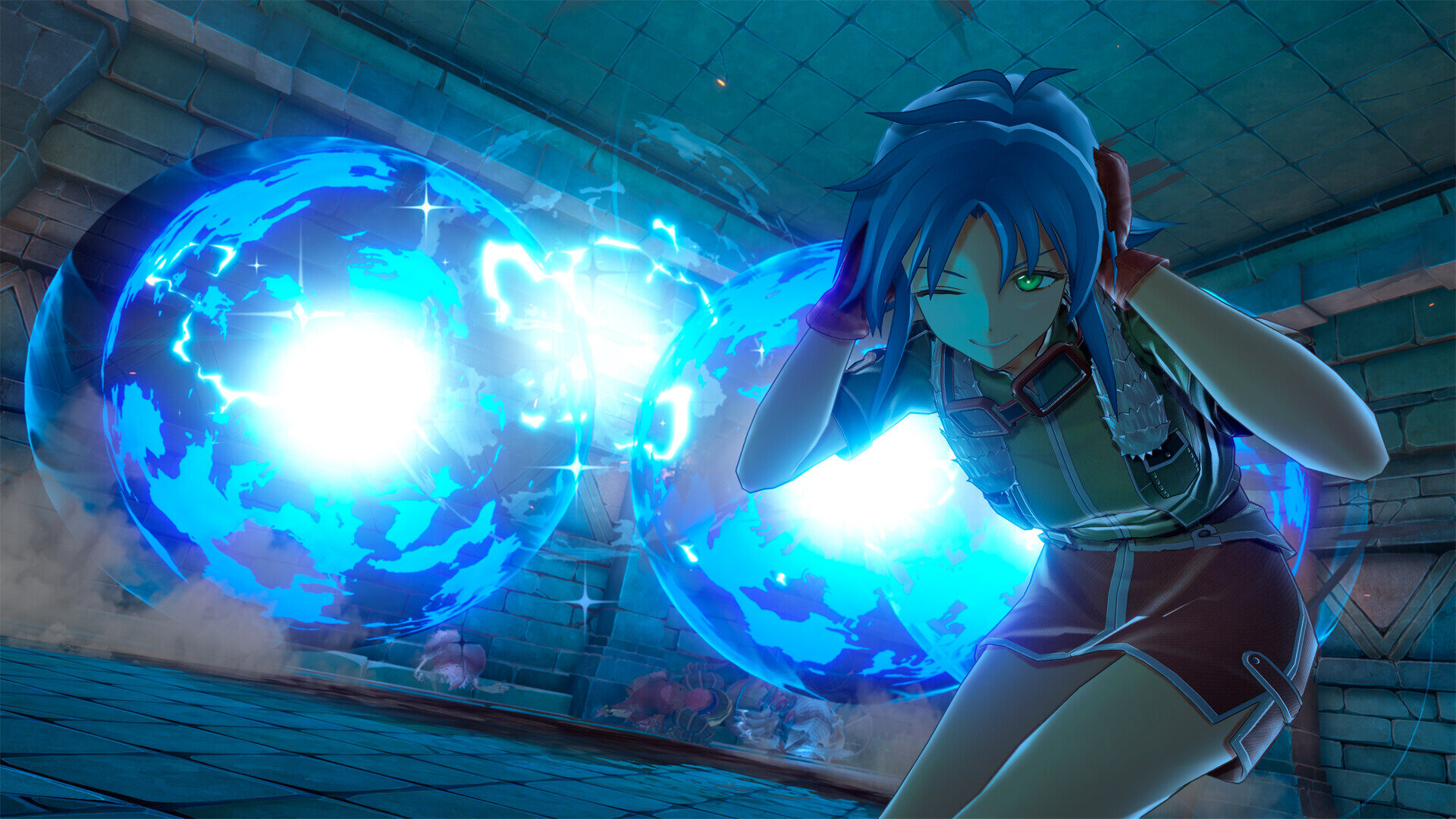
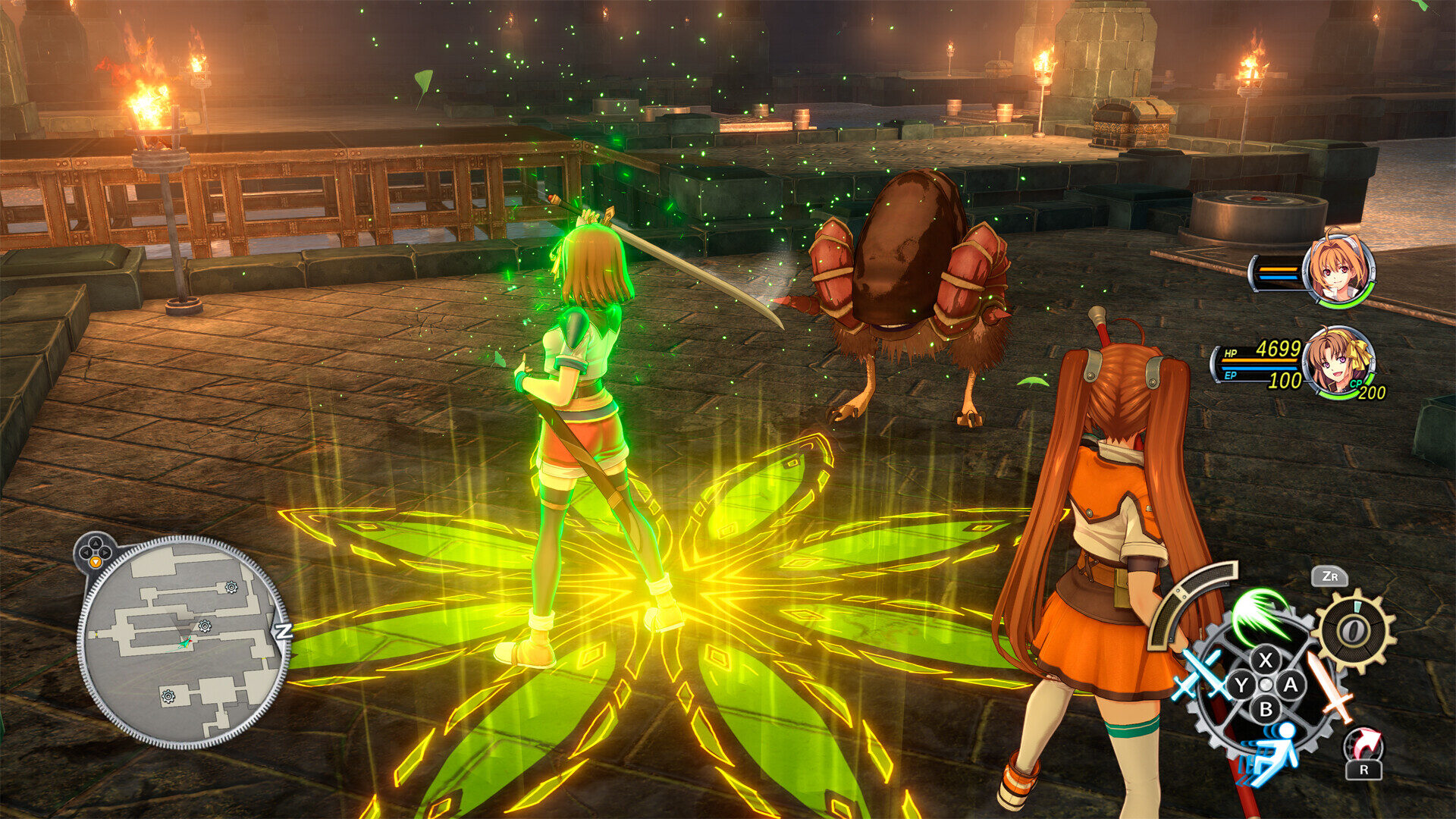
Combat carries over the hybrid system introduced in 1st Chapter’s remake: that blend of old-school turn-based Orbment strategy, quartz loadouts, Arts chaining, turn order manipulation, with an actively directed positioning system that lets you move characters around the battlefield before locking in commands. It clicks in a way that feels more confident this time around, and encounter density is tuned so you’re rarely wading through filler fights just to get back to the plot.
One thing I genuinely love, and this is very much a me thing rather than a mechanical critique, is how committed this world is to justifying itself. Early on, Estelle ends up with a new orbment, which resets a lot of what you’d built out by the end of Trails in the Sky 1st Chapter. Instead of that just being a quiet gameplay reset the way so many sequels handle it, the game actually roots it in the story.
It’s not just restarting at level zero; you start at level twenty-five, with next to no abilities, but it’s tied directly into what’s happening to Estelle and Liberl at the start of the game. That’s such a small thing on paper, but it’s exactly the kind of care that makes me want to defend this series to people who think JRPG worldbuilding is just lore dumps. Zemuria as a setting has this obsessive internal logic where nothing happens just because the genre expects it to, and getting to watch that play out again through a fresh coat of production values is honestly one of my favorite parts of playing this.
“One thing I genuinely love, and this is very much a me thing rather than a mechanical critique, is how committed this world is to justifying itself.”
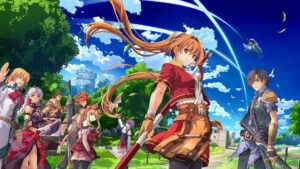
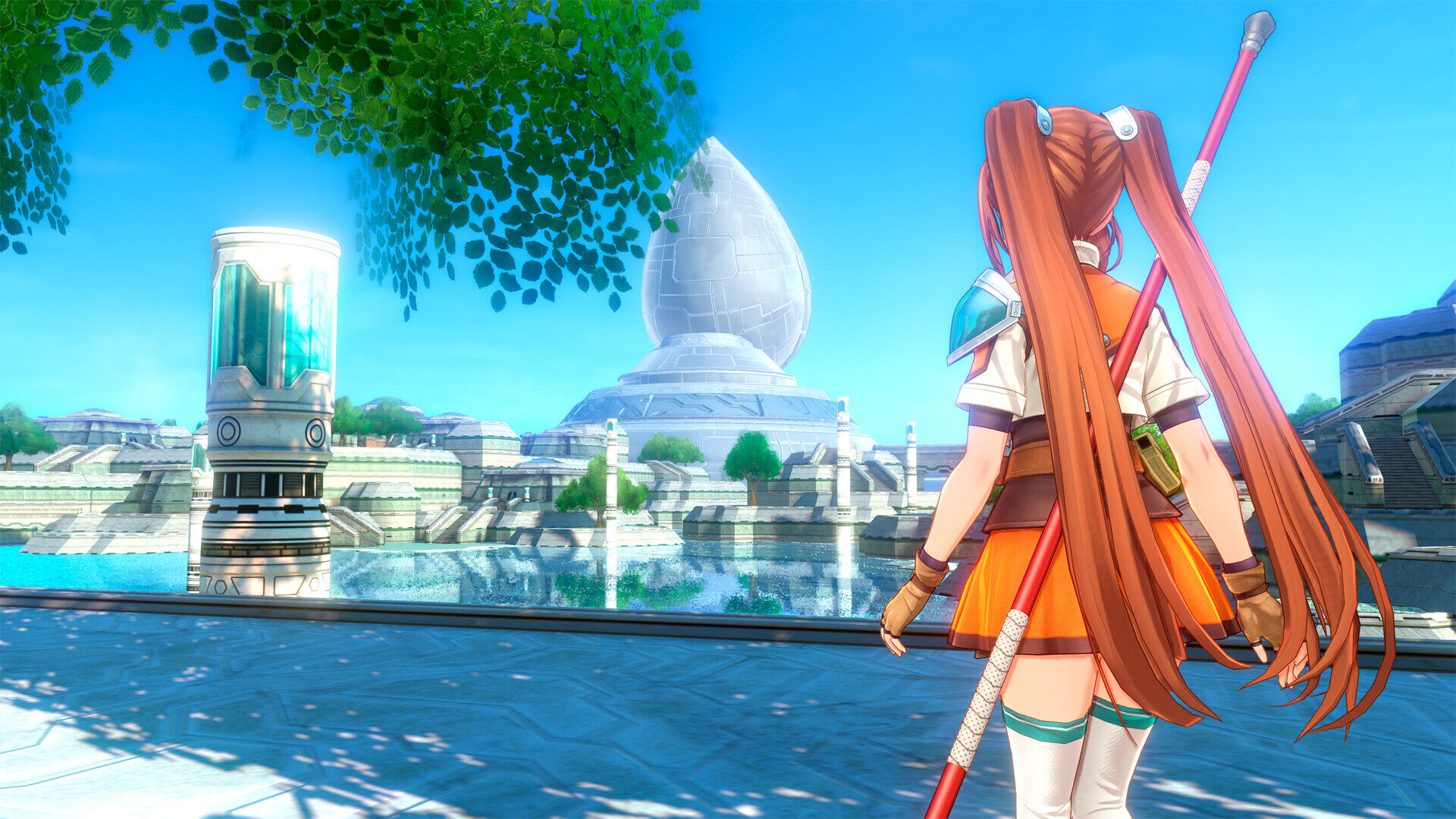
Visually, this is essentially identical to the 1st Chapter remake: same art direction, same character models, same environmental style, same UI, all carried over wholesale. Given how directly Trails in the Sky 2nd Chapter continues that story, it makes sense that Nihon Falcom didn’t reinvent the visual identity here, and Liberl still looks good: Grancel’s cathedral district, the mining regions, the coastal sprawl near Bose, but don’t go in expecting a graphical leap on top of what First Chapter’s remake already delivered, because there isn’t one.
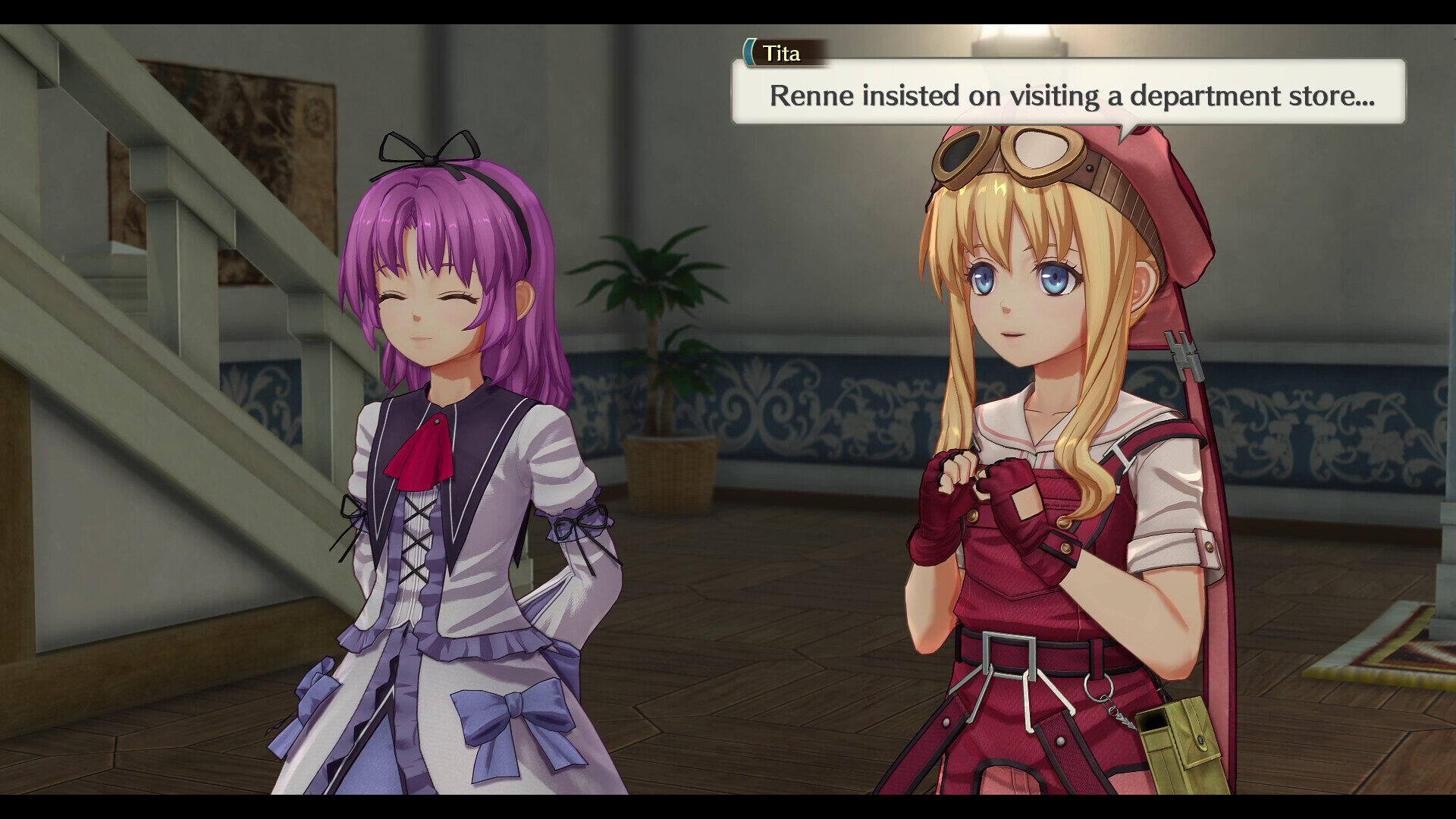
That being said, something to remember is that the original release of Trails in the Sky 2nd Chapter, titled Legend of Heroes: Trails in the Sky SC, was on the PS Vita in 2015 in English, so the visual upgrade is huge for the game, and if you played the original, you are basically playing a whole new game. With that, cutscenes carry a real weight, which matters a lot for a game whose entire back half leans hard on dialogue-driven emotional beats, but that’s a credit to direction and voice work more than anything new happening on the visual side.
The English voice cast deserves huge credit here because they do a great job of handling a story that swings these radical changes from political conspiracy to grief to coming-of-age moments, and they manage it without tipping into melodrama or, on the other end, flatness. Joshua’s arc in particular felt like it needed to thread this impossible needle of performance, and the entire cast nailed it.
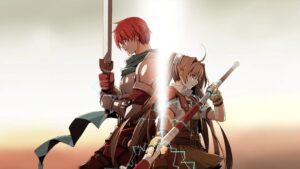
Trails in the Sky 2nd Chapter does something smart that a lot of RPGs take for granted: it treats its cast like an ensemble instead of a protagonist with accessories. Kloe, Agate, Tita, Zin, the whole Bracer Guild roster, they all feel like fully fleshed-out characters with intriguing pasts and goals, and the remake leans into that by giving quieter character moments more visual room to breathe.
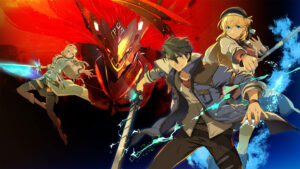
There’s a late-game stretch this series is known for putting players through the wringer over, and over a decade later in the remake, this moment still lands. Between the voice acting, the updated animation work, and a soundtrack that’s been rearranged rather than simply remastered, it all comes together to make a moment plenty of longtime fans already know is coming still hit like a gut punch.
That said, if you thought the political drama part of the first game was a bit much, you might want to turn away because, particularly through the midgame, the sheer density of everything, particularly lore and political exposition, can feel like homework if you’re not fully locked into Zemuria as a setting. Thankfully, I have always been a sucker for a well-told political drama. And Trails in the Sky 2nd Chapter ramps up its difficulty considerably compared to FC, especially in a back-loaded stretch of boss encounters that can feel like a wall if you haven’t been keeping up with your builds along the way.
“It’s rare for a remake to actually improve on the goodwill built by its predecessor rather than just coasting on it. Trails in the Sky 2nd Chapter does that…”
None of that meaningfully dents what’s been built here, though. As someone who enjoys this series at a casual pace rather than treating it as a full-time obsession, I went in expecting a solid follow-up to Trails in the Sky 1st Chapter’s and came out the other side understanding exactly why this entry has the reputation it does. It’s rare for a remake to actually improve on the goodwill built by its predecessor rather than just coasting on it. Trails in the Sky 2nd Chapter does that, and it stands as one of the stronger JRPG remakes I’ve played this generation, and a real high point for the series.