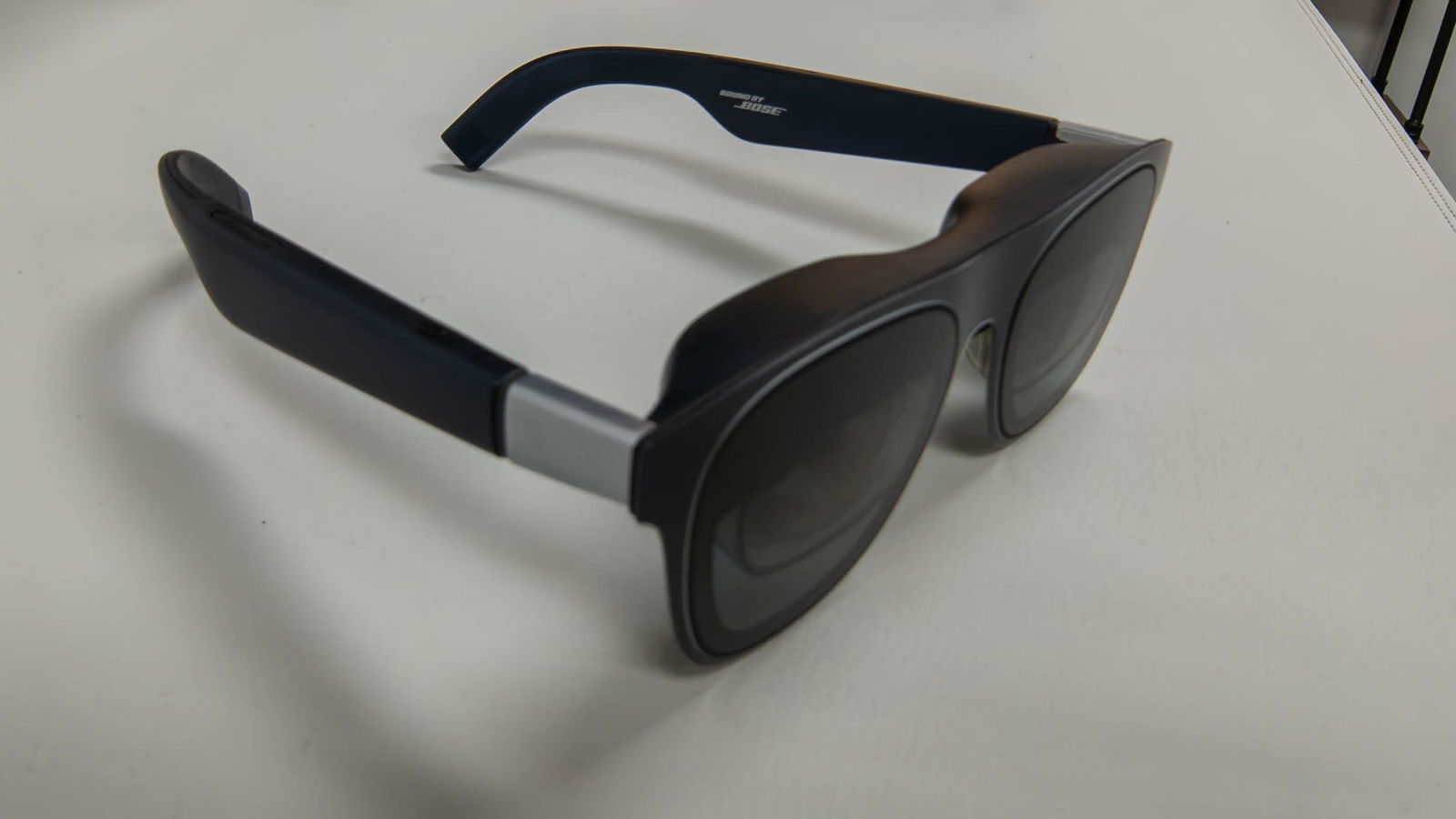


The XREAL 1S AR glasses have made me a believer in the potential of augmented reality, more so than any other product currently on the market. I have long struggled with both AR and VR. For whatever reason, I either find them awkward to use or become physically ill, with little middle ground between the two.
I have tried many systems over the years, ranging from multiple generations of Oculus headsets to the HTC Vive, along with more ambitious concepts that never reached a wide audience, including the StarVR headset. That changed after spending meaningful time with XREAL’s glasses and, for the purposes of this review, the new XREAL 1S.
After using the latest iteration of the ecosystem, I can confidently say the XREAL 1S delivers one of the strongest AR experiences available today, with a noticeable gap between it and the competition. It offers a practical, visually impressive wearable display experience, while remaining portable and easy to use on the go, a combination that makes it especially compelling.
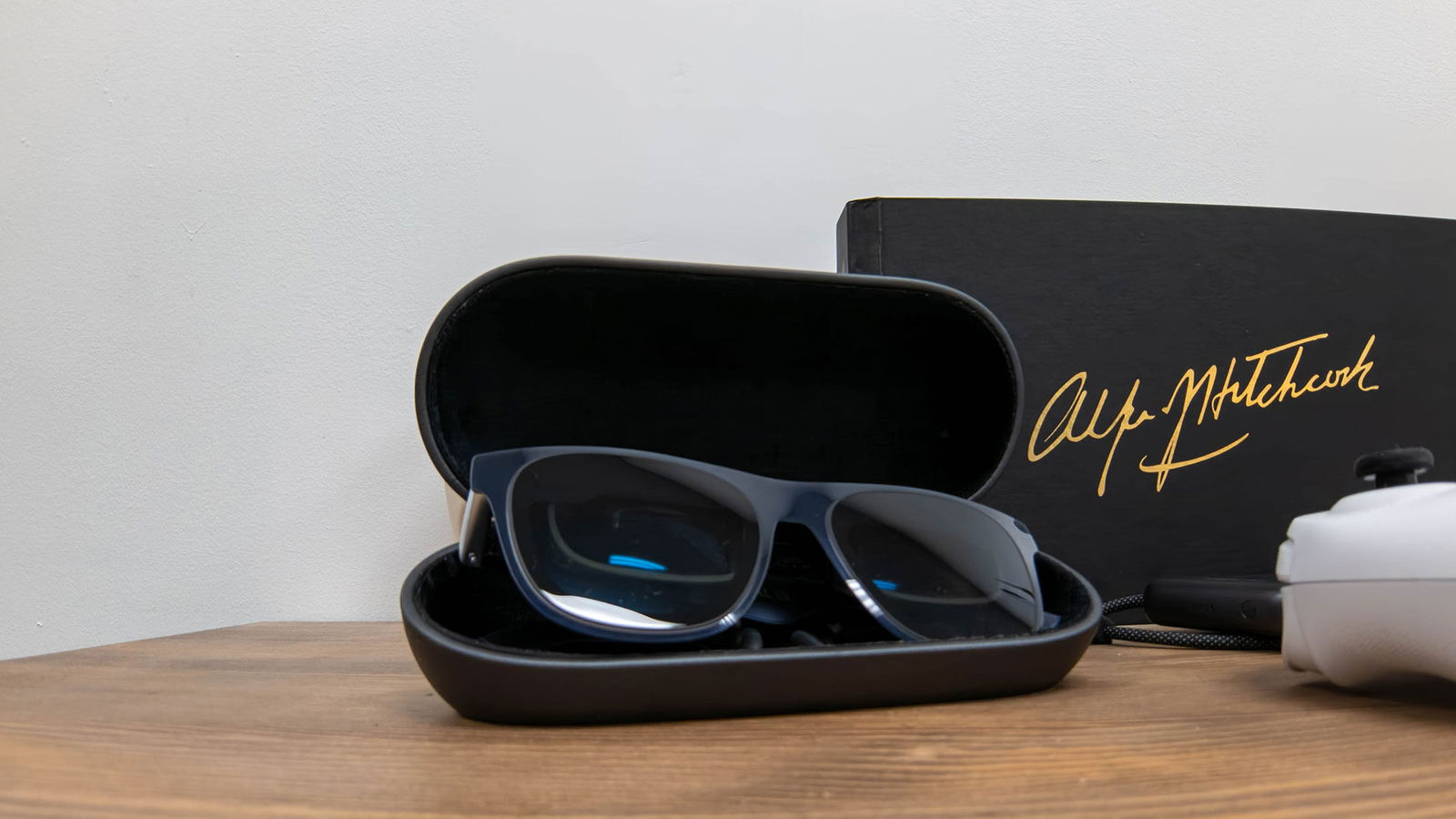
So what exactly is the XREAL 1S, and why should AR and VR enthusiasts care? The XREAL 1S is a mid-generation refresh of the company’s One Series, replacing the original XREAL One with a device that feels less like a prototype and more like a polished consumer product. At US$449, it retains the relatively accessible price point of its predecessor while delivering meaningful internal upgrades and a noticeably more refined overall experience.
In practice, the XREAL 1S functions like a personal home theatre or workstation, or whatever else a user chooses to do in a virtual space, all within an extremely portable form factor. The device shifts viewing away from the confines of a smartphone or laptop screen and into a large virtual display that feels surprisingly natural. Whether navigating a busy commute or settling in for a private film screening, the glasses create a personal theatre that remains anchored in the user’s field of view without fully disconnecting them from the real world.
Out of the box, the XREAL 1S is an impressive piece of hardware, showcasing a level of craftsmanship that balances technical fidelity with practical usability. Powered by the proprietary XREAL X1 Spatial Computing Chip, the glasses use Sony 0.68-inch Micro-OLED displays that deliver 1200p Full HD resolution, a noticeable step up from the previous 1080p standard.
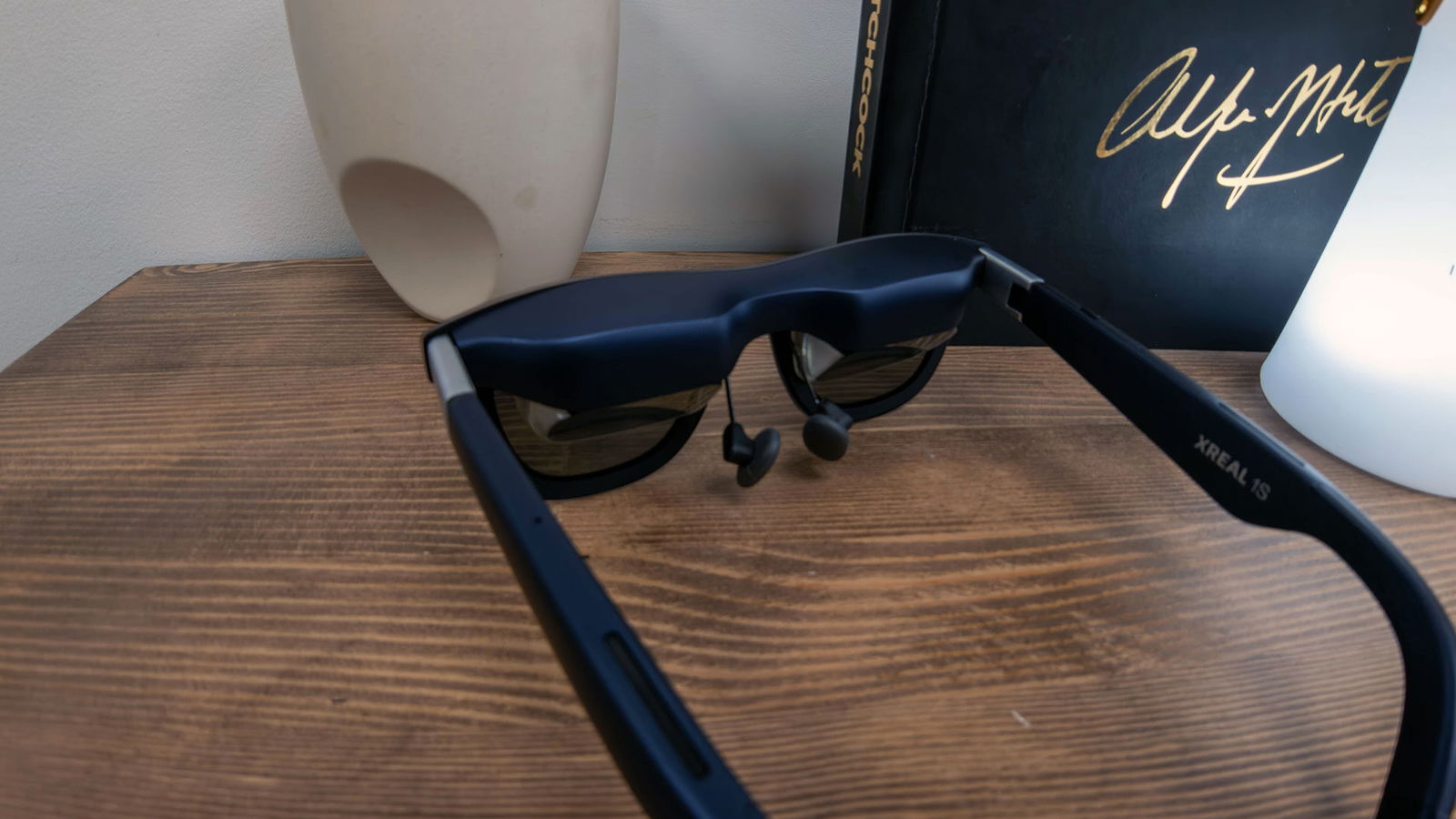
This increase in pixel density, combined with a 120-hertz refresh rate and peak brightness of 700 nits, results in a smoother, more immersive experience, with text remaining crisp even in challenging lighting conditions. The field of view has also been expanded to 52 degrees, creating a broader canvas for the virtual 171-inch screen that anchors the overall experience.
“With everything on offer, the XREAL 1S is capable of far more than basic media consumption…”
The new 16:10 aspect ratio is particularly well-suited to productivity tasks, providing just enough additional vertical space to make reading documents or browsing the web feel less cramped and more natural. Colour accuracy has been tuned to cover 108 per cent of the sRGB spectrum, producing vibrant, saturated images that stand out against the darkened backdrop created by the electrochromic dimming system. The feature automatically adapts to ambient light, allowing for smooth transitions between indoor and outdoor environments while maintaining visual clarity without the need for manual adjustments.
For me, as strong as the new hardware specifications are, it is the comfort of the XREAL 1S that truly sets it apart from the competition. The glasses use a lightweight 82-gram frame that distributes weight evenly across the nose and ears, resulting in a fit that remains comfortable even during extended sessions. The design feels broken in and well-suited to long-term use, supported by TÜV Rheinland certifications for eye comfort that help reduce the strain often associated with prolonged screen time.
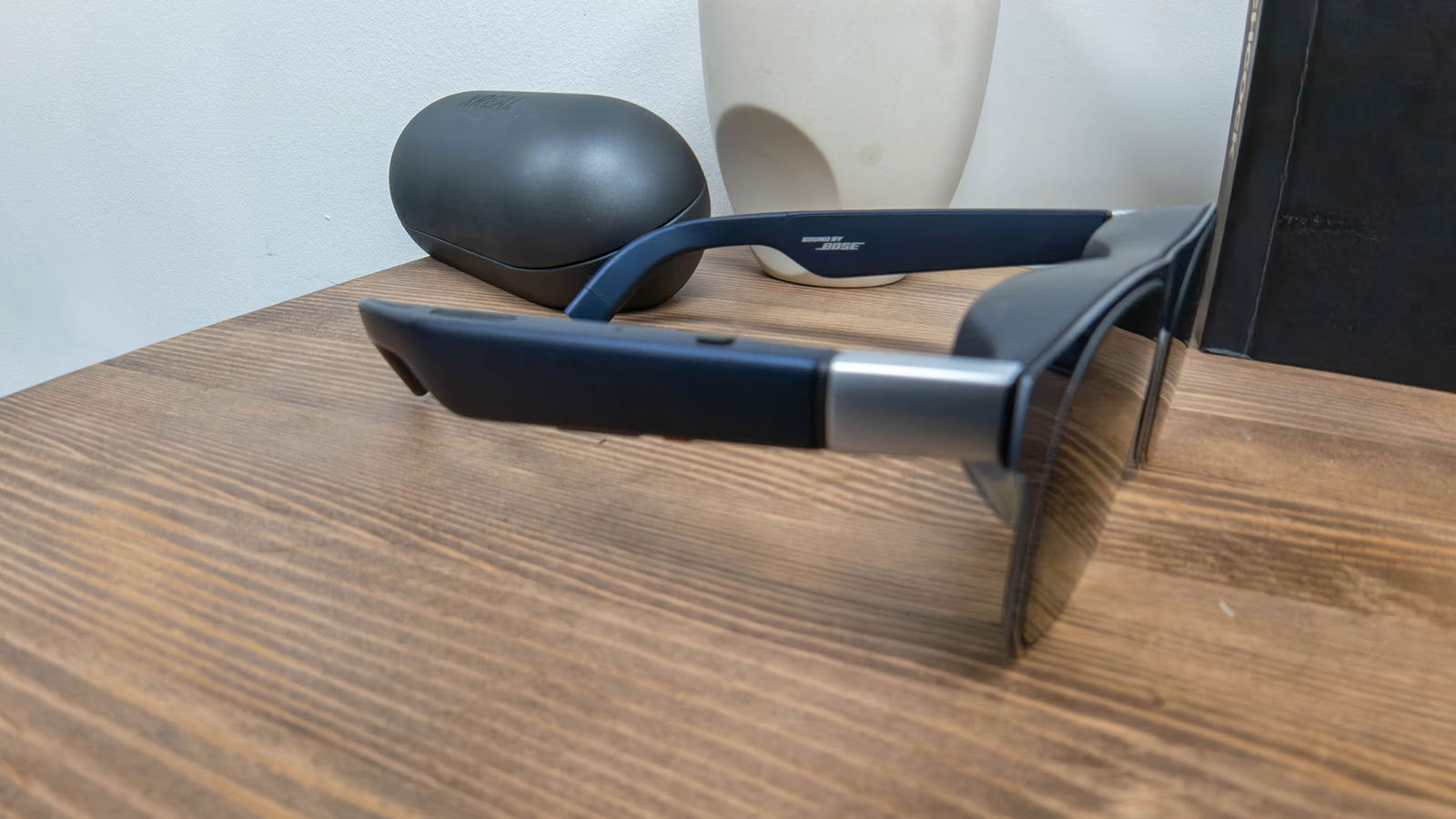
The audio experience matches the visual quality through integration with Bose. Speakers tuned by Bose engineers deliver rich, directional sound with surprising depth, without the isolation of over-ear headphones, allowing users to remain aware of their surroundings while staying immersed in their content. While the audio does not replace a high-end pair of dedicated headphones, it is far better than expected and plays a key role in keeping the overall package compact and highly portable.
“…it is the comfort of the XREAL 1S that truly sets it apart from the competition.”
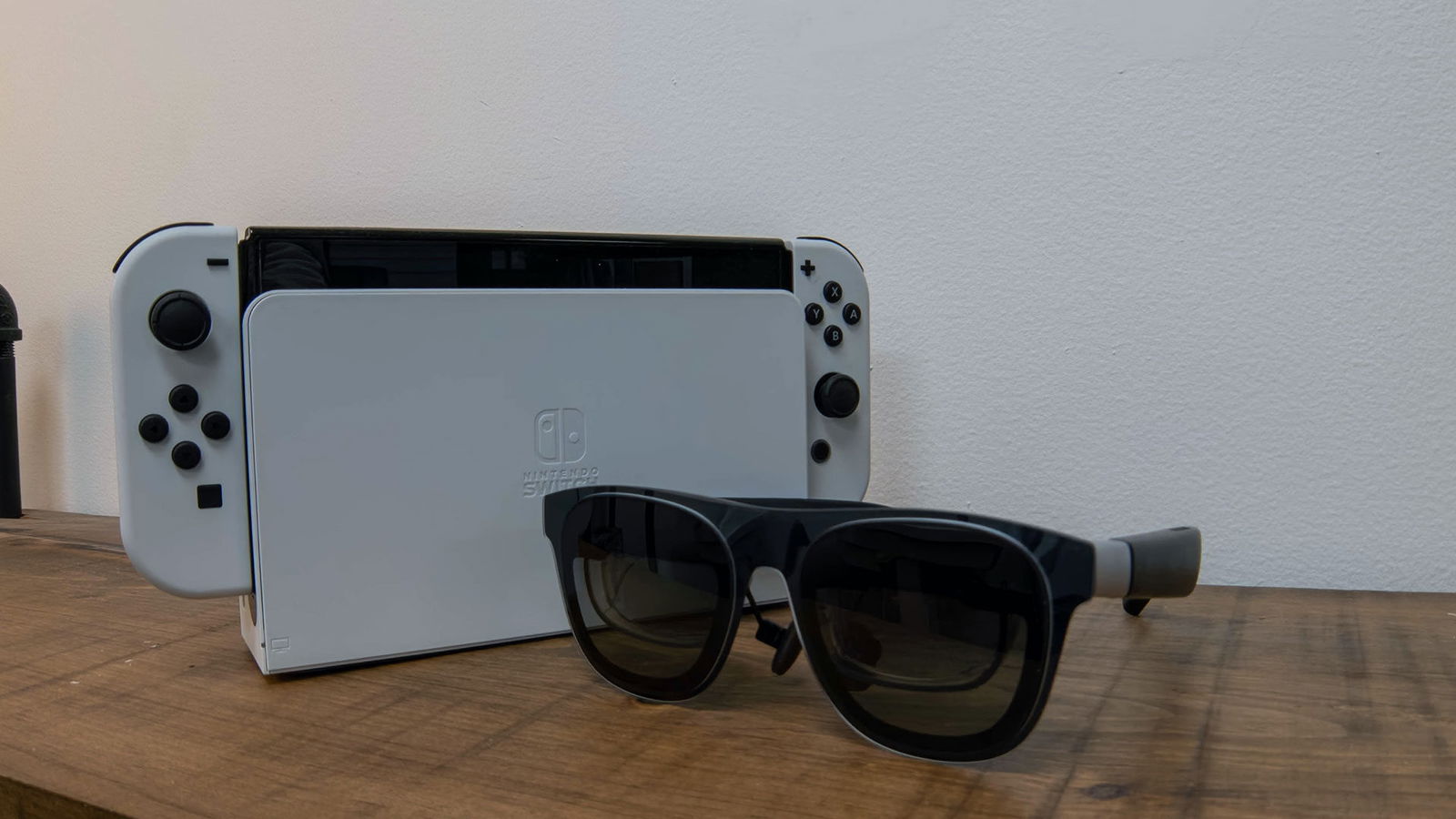
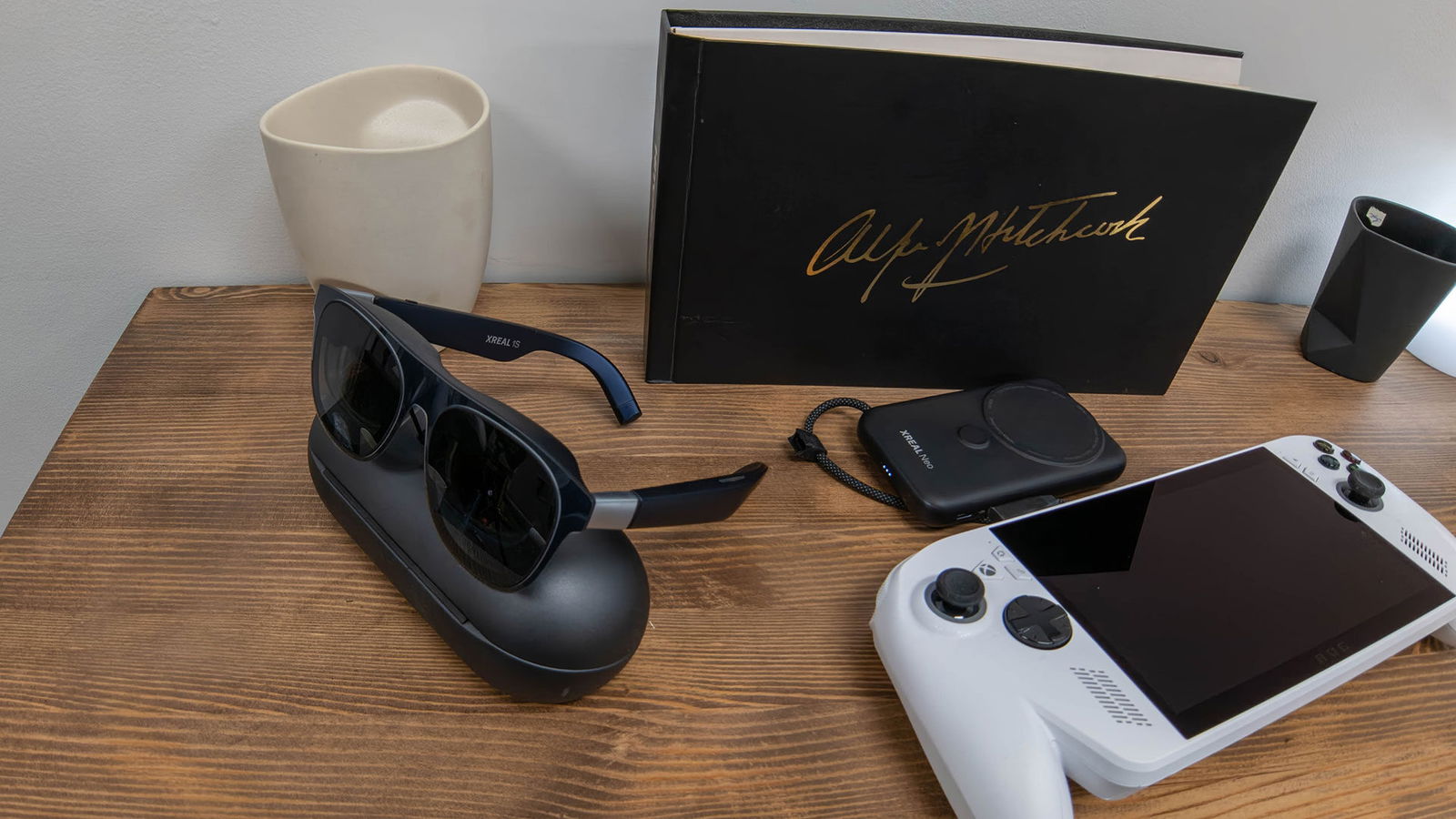
With everything on offer, the XREAL 1S is capable of far more than basic media consumption, but one of its strongest use cases is gaming in a way that would be difficult to replicate without AR glasses. Because the device is lightweight and comfortable to wear for extended periods, it works especially well for gaming while travelling. Pairing the glasses with a handheld such as the ROG Ally or even the Switch 2 (I will touch more on this in a bit, don’t worry) allows users to sit back and enjoy games as if they were playing on a large screen.
It is not exactly the same as gaming from a couch in front of a television, but the experience comes impressively close. The simulated big-screen effect feels comfortable and visually convincing, making long sessions both practical and enjoyable.
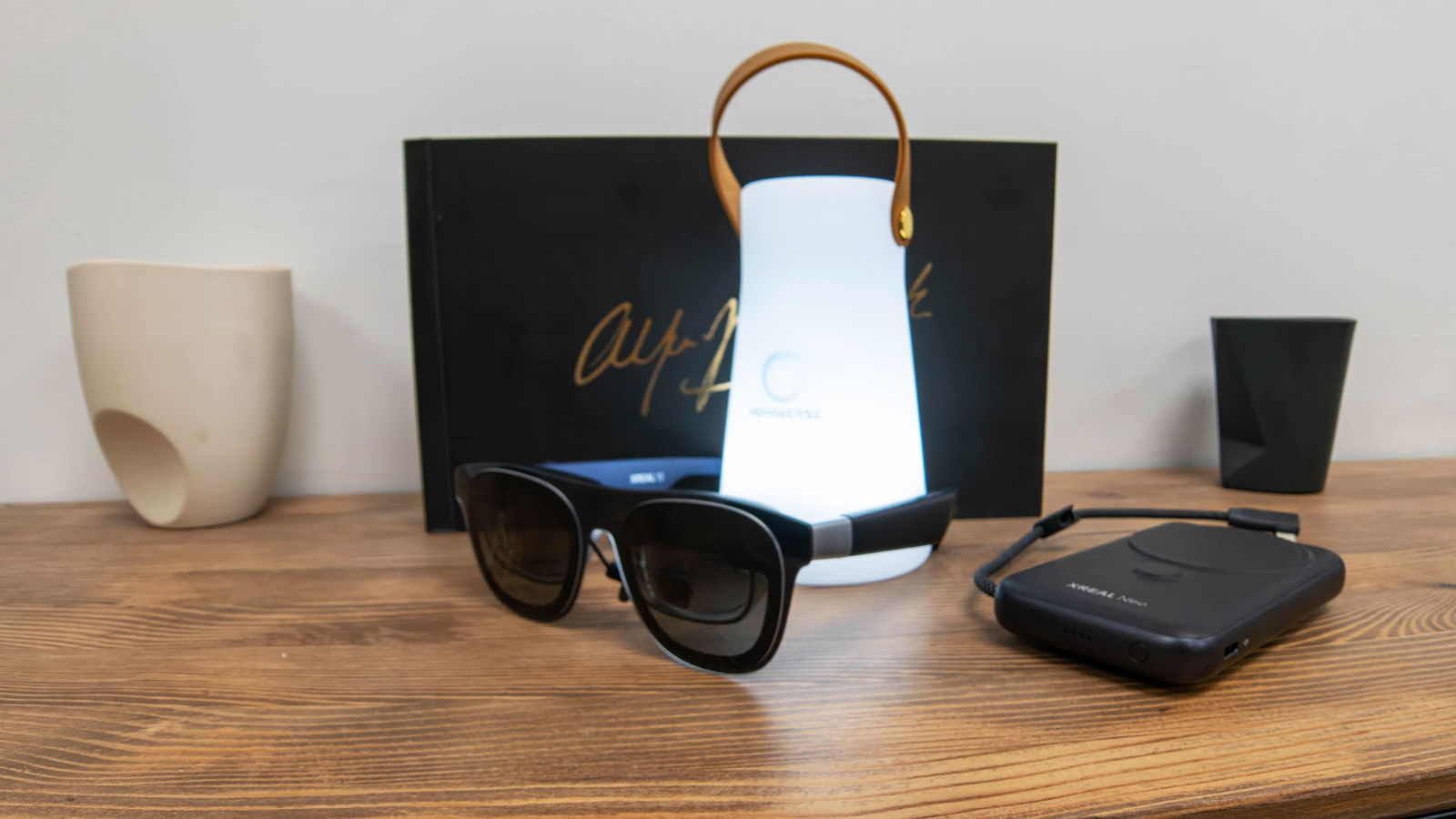
A display of this calibre, however, is only as useful as the device powering it, and this is where the new XREAL Neo accessory comes into play. Launched alongside the glasses at US$99, the Neo is a compact power hub designed to address the battery limitations common to the category. Functioning as both a 10,000-milliamp-hour power bank and a DisplayPort video hub, it allows users to connect handheld systems such as the Steam Deck or the ROG Ally without draining their internal batteries. The result is a more refined portable gaming setup, ensuring the “infinite screen” experience is not cut short by a depleted power source.
The Neo is particularly impactful for Nintendo Switch 2 owners (I told you I would get back to this). By removing the need for a traditional dock, it enables the console to output video directly to the glasses at 1080p and up to 120 hertz, performance levels that the handheld’s built-in display cannot match. The system requires minimal setup but delivers substantial flexibility, effectively turning an economy-class seat or hotel room into a functional gaming station.
Beyond the hardware, the XREAL 1S introduces “Real 3D,” a feature that uses the X1 chip to convert standard 2D content into 3D in real time. Unlike earlier implementations, which often required specific file formats or proprietary players, this version works natively across streaming services, games and personal videos. The result is a sense of depth that feels natural rather than forced, adding immersion to content that was never designed with 3D in mind. Combined with the hardware upgrades, the feature points to a company that is paying close attention to how users actually consume media.
Even without Real 3D enabled, watching movies and other content on the XREAL 1S is an impressive experience. It feels far closer to watching a large-screen television than viewing media on a phone, while also being noticeably more comfortable. At home, a traditional TV still makes more sense in most situations, but having a similar cinematic experience on a plane is genuinely compelling. The understated design also helps, particularly when compared with more conspicuous headsets such as Apple Vision Pro.
I went into this review expecting to enjoy the XREAL 1S, but not to this extent. The experience has made me far more confident in the potential of AR than I was before testing the glasses. Being able to wear them for extended periods without feeling confined or uncomfortable is a meaningful breakthrough, especially given how quickly many headsets leave me needing to stop after only a few minutes. Taken together, that comfort and versatility amount to a strong recommendation.
The XREAL 1S and Neo combination succeeds where many AR and VR headsets have fallen short, advancing the technology without losing sight of everyday utility. It would have been easy to chase higher theoretical specifications or more complex, untethered computing designs, but XREAL instead focused on the most immediate friction points: display quality, comfort and battery life, and did so effectively.
The result is a product that feels familiar in day-to-day use while still delivering something genuinely forward-looking. For those who have been waiting for augmented reality to move beyond novelty status, the XREAL 1S presents a persuasive case that the future of personal displays is already here, and small enough to slip into a pocket.