
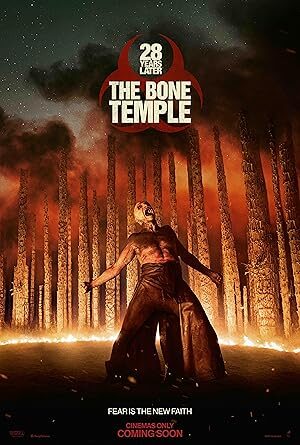

28 Years Later is a film I haven’t stopped thinking about since I reviewed it back in June, to the point where it’s easily remained one of my favourite films of last year. Danny Boyle and Alex Garland’s return to their iconic zombie franchise took a measured direction, blending its zombie-killing thrills with an oddly compassionate rumination on death and isolationism. But as I expected, despite the commercial success, the audience response was polarizing to say the least. The second part in the planned trilogy, 28 Years Later: The Bone Temple, was filmed back-to-back with its predecessor and continues the last film’s thematic throughline, but it also takes fascinating new directions of its own.
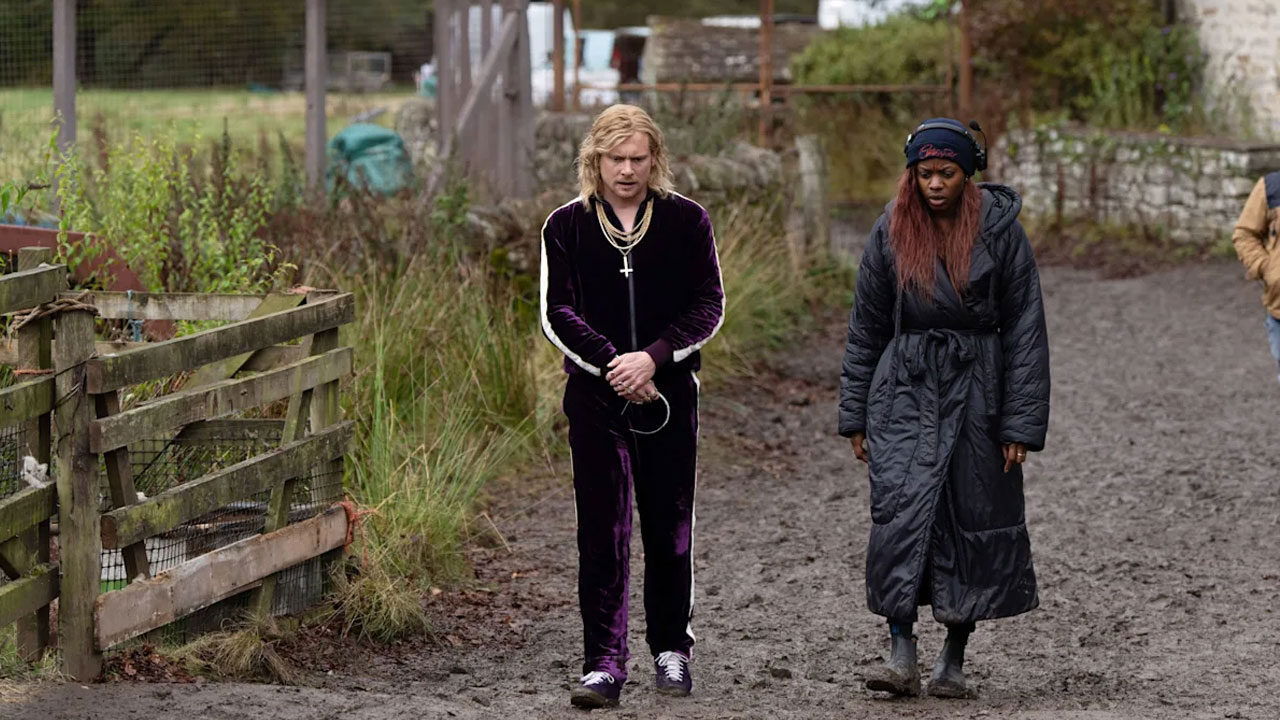
The Bone Temple kicks off just a few moments after the ending of 28 Years Later. 12-year-old Spike (Alfie Williams), grieving the loss of his mother and disillusioned with his island home, is exploring the British mainland on his own when he’s accosted by “Sir Lord” Jimmy Crystal (Jack O’Connell) and his cult of acrobatic, tracksuit-wearing psychopaths all named after himself. Spike manages to kill one of them in self-defence, but as a result is now forcefully inducted into their ranks and made to take part in the violent rampage this gang of killers inflicts on not just the infected, but to any other survivors they come across.
“28 Years Later: The Bone Temple is maybe the darkest and most brutal installment in the franchise, but it’s also the funniest, and it’s just as compassionate as its predecessor.”
In my review of 28 Years Later, I said that the Jimmys’ over-the-top introduction felt out of place with the rest of the film I had just seen. I’m glad to state I was wrong about that, because every scene that the Jimmys were on screen, I was completely on edge. Given how impressed I was with Alfie Williams’ performance in the last film, I was a bit disappointed that he took a backseat this time around. However, from the moment Jack O’Connell steps on screen as Sir Lord Jimmy Crystal, it’s easy to see why he essentially takes over as the film’s lead.
Similar to his fantastic performance in Sinners, Jack O’Connell simply takes command of the screen whenever he appears. Far from a two-dimensional villain, Crystal–whom survived the events of Years’ opening scene–is someone who was warped not just by the first outbreak or his father’s teachings but by his stunted youth and his idolization of both Teletubbies and infamous British presenter (and predator) Jimmy Savile, The end result is this swaggering-yet-delusional, devil-worshipping maniac who sees his cult as his “fingers”. With the exception of Erin Kellyman’s Jimmy Ink, the rest of the Jimmys revel in the chaos just as much as their leader; each of them is creepier and more dangerous than the infected.

Alex Garland returned to write The Bone Temple, but Danny Boyle has instead passed the directorial baton to Nia DaCosta, who does a great job following through on Years’ thematic heft while not just simply replicating what Boyle did prior. I did miss the grunginess of Anthony Dod Mantle’s iPhone-shot cinematography, but DaCosta and cinematographer Sean Bobbitt still beautifully capture the desolate British landscape that, while more traditional, still feels in lockstep with the newly established world-building of the last film. That’s not to say it’s just vistas of forests and villages. Even with a lower body count, The Bone Temple is easily the most gruesome installment of the series, especially in the opening.
“I still found myself so fascinated and impressed by the creative risks both these films have taken.”
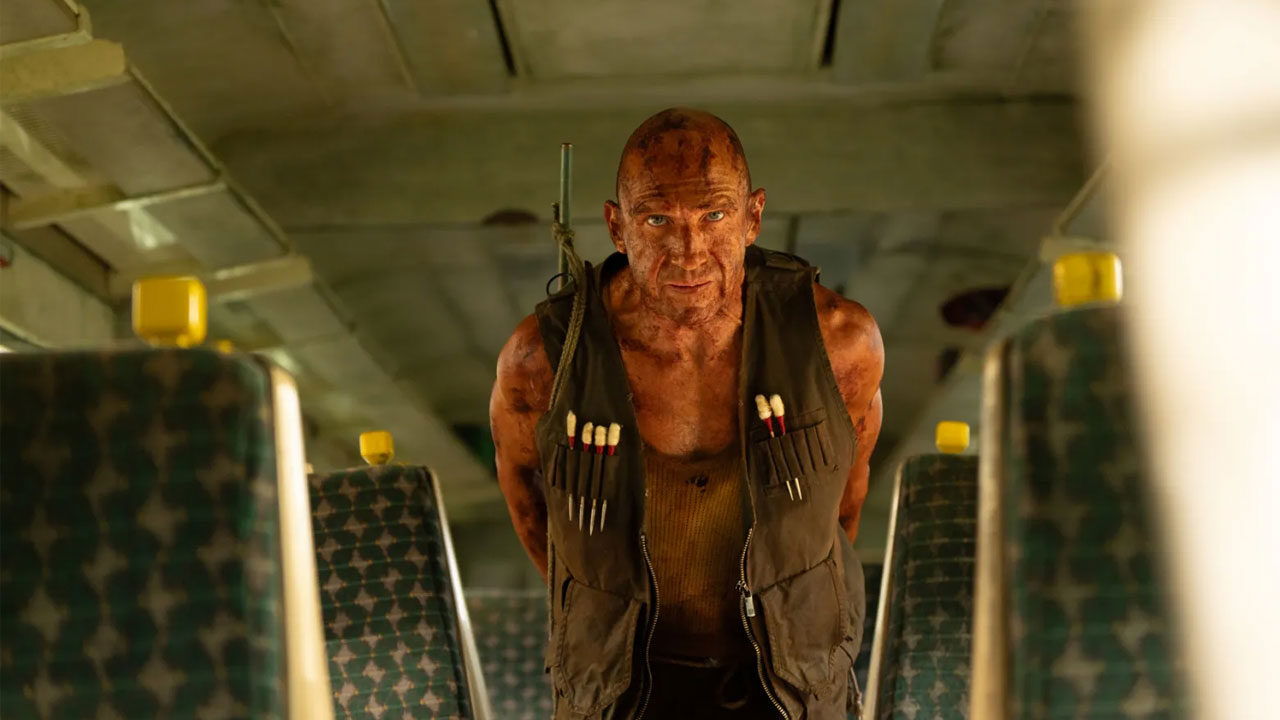
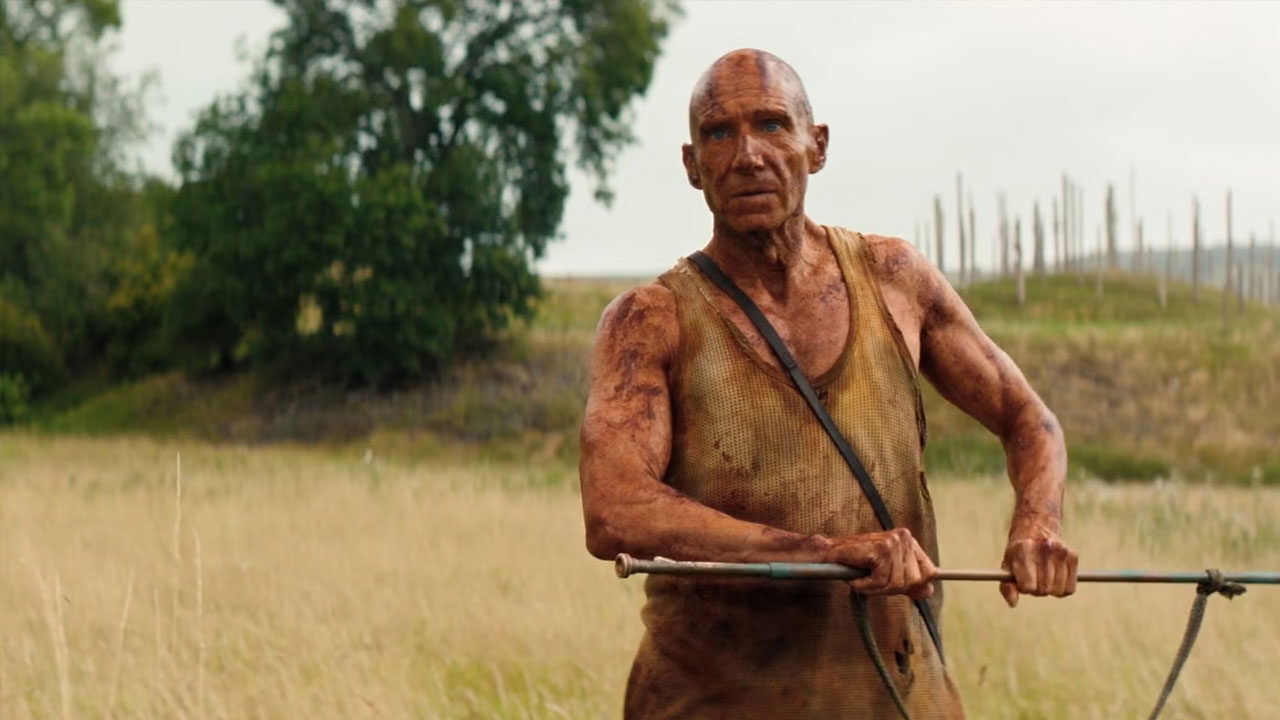
While the Jimmies represent humanity at its most nihilistic, Dr. Ian Kelson (Ralph Fiennes) embodies it at its most compassionate. Kelson, whom Spike befriended in the last film, has made a very interesting discovery. Through the use of a sedative he crafted that’s helped him survive through post-apocalyptic Britain, he somehow manages to form an unlikely bond with the hulking Alpha infected he calls Samson (Chi Lewis-Perry). That faith in his new bond leads him to believe the Rage virus may be more treatable than he expected. Kelson is given much more screentime following his late introduction in Years, and his connection with Samson gives rise to The Bone Temple’s funniest and most heartfelt moments.
As expected, Ralph Fiennes gives a tremendous performance here, but I was especially impressed by Chi Lewis-Parry’s, which gives a giant, naked “zombie” a level of emotional depth that caught me completely off guard. Sure enough, Kelson and Crystal’s conflicting worldviews will eventually reach a collision course, with Spike caught right in the middle. It leads to a third act that’s truly unlike anything I would have expected from this franchise.
28 Years Later: The Bone Temple is maybe the darkest and most brutal installment in the franchise, but it’s also the funniest, and it’s just as compassionate as its predecessor. Even though I enjoyed the film slightly less than 28 Years Later, I still found myself so fascinated and impressed by the creative risks both these films have taken. The film doesn’t address every loose thread from the last film (We don’t get any update about Spike’s father or the uninfected newborn baby Spike left back the island), but it does end on a very exciting note, setting up the recently-confirmed third chapter and heralding the very long-awaited return of 28 Days Later protagonist Jim. We thankfully won’t have to wait 28 more years to see it.