
Over the past couple of years, Hollywood has gone out of their way to elevate January’s reputation as a dump month by releasing some great films, and it’s been working. However, we’ll still get an annual reminder of the old status quo and get an absolute trash heap of a film. This year, that “honour” goes to Mercy.
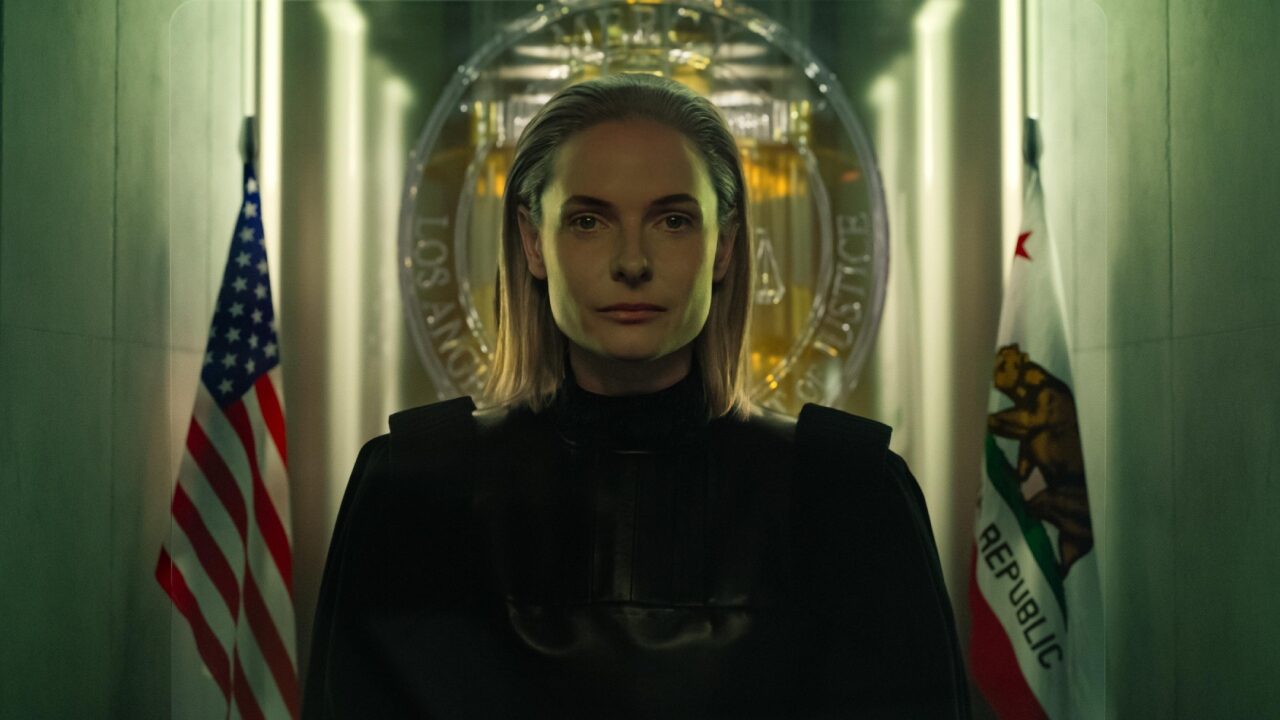
Taking place in the year 2029, the skyrocketing crime rate in L.A. has forced a complete upheaval of the city’s justice system, in the form of the Mercy Capital Court. The ludicrous program is set up as such: Abiding by the idea of “guilty until proven innocent,” Capital offenders are strapped to a chair in front of an AI judge (Rebecca Ferguson) and are given just 90 minutes to prove their innocence or else they’re executed on the spot.
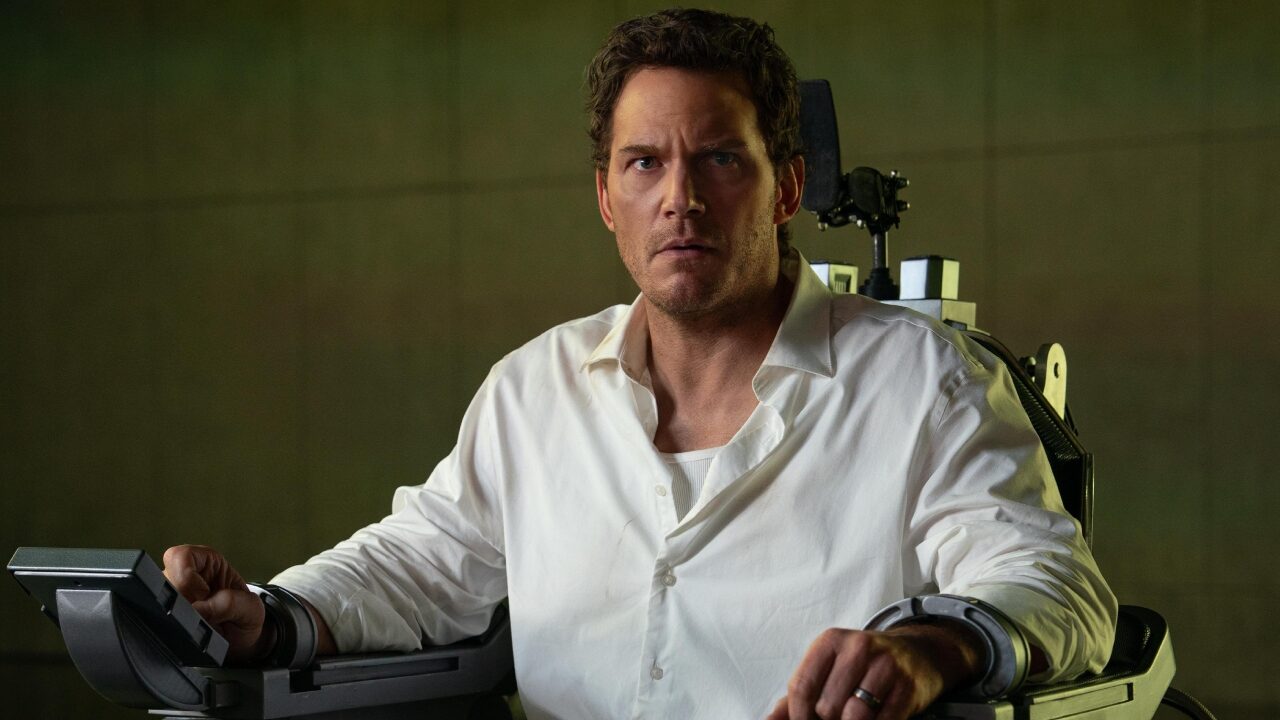
Enter police detective Chris Raven (Chris Pratt), an early proponent of the program who suddenly wakes up in the chair and discovers his wife Nicole (Annabelle Wallis) has been murdered. Not only that, but there’s a whole mess of circumstantial evidence from their strained marriage that points to him as the prime suspect. Through the use of recordings and video calls, Chris has a very limited amount of time to figure out who the real killer is before it’s too late.

Director Timur Bekmambetov is no stranger to the screenlife genre, having spent the majority of the past decade producing nearly every single major release. The one thing to note is that the screenlife format has only worked to great effect in the case of small-scale thrillers like Searching and Missing. One could even make the argument for the Unfriended films being effective, solid web-based horror flicks. However, the moment a screenlife film goes for something high-concept or big-budget, it falls flat on its face. Case in point: Last year’s disastrous War of the Worlds.
Right off the bat, it hurts that Chris Pratt is giving a career-low performance throughout the entirety of the film. Granted, Marco van Belle’s awful script does him no favours, but for the entire runtime of Mercy, Pratt is just plain lifeless. There’s no charm or even any interesting characteristic to his character or his performance, one that’s especially made bare since he spends most of the movie by himself, acting against screens.
Similarly, Rebecca Ferguson has likely collected the easiest paycheck of her career. She gives a relatively stronger performance than Pratt as the emotionless artificial intelligence Judge Lennox, but there’s no intrigue to her character either. Kali Reis has the most “active” performance as Chris’ partner, Jaq Diallo, as she represents Chris’ eyes on the ground, but she’s also given nothing to really chew on.
Speaking of the script, as the mystery unfurls, there are reveals that bring about major plot holes that the all-powerful AI should have noticed much, much sooner than the film does. In fact, I clocked the culprit within seconds of their appearance, and the film doesn’t even attempt to cast doubt outside of distracting you with a dozen other things at once.
“Marco van Belle’s awful script does him no favours, but for the entire runtime of Mercy, Pratt is just plain lifeless.”
Additionally, it’s baffling that Mercy is so visually unpleasant to watch, considering the biggest strengths of Bekmambetov’s earlier films (like Wanted and the Day Watch/Night Watch duology) are their wild visuals. The screenlife aspect means that most of the film makes use of smartphone cameras, drone footage, police body cams and such. The problem is that it makes half the film look like it’s shot on 720p, rather than futuristic technology. There’s an occasional action sequence to break up the procedural aspects, but those are all awash in some pretty awful visual effects.
I can’t say I was completely miserable watching Mercy, because there were a few moments that felt like they might hit the “so bad it’s good” range. That aforementioned villain reveal in the third act suddenly ramps up the stakes to an unreasonable level that I started unintentionally laughing at points. The film is also mercifully brief, the judge’s timer operating in real time. However, the moment the film truly lost me was in its ending at the very last second.
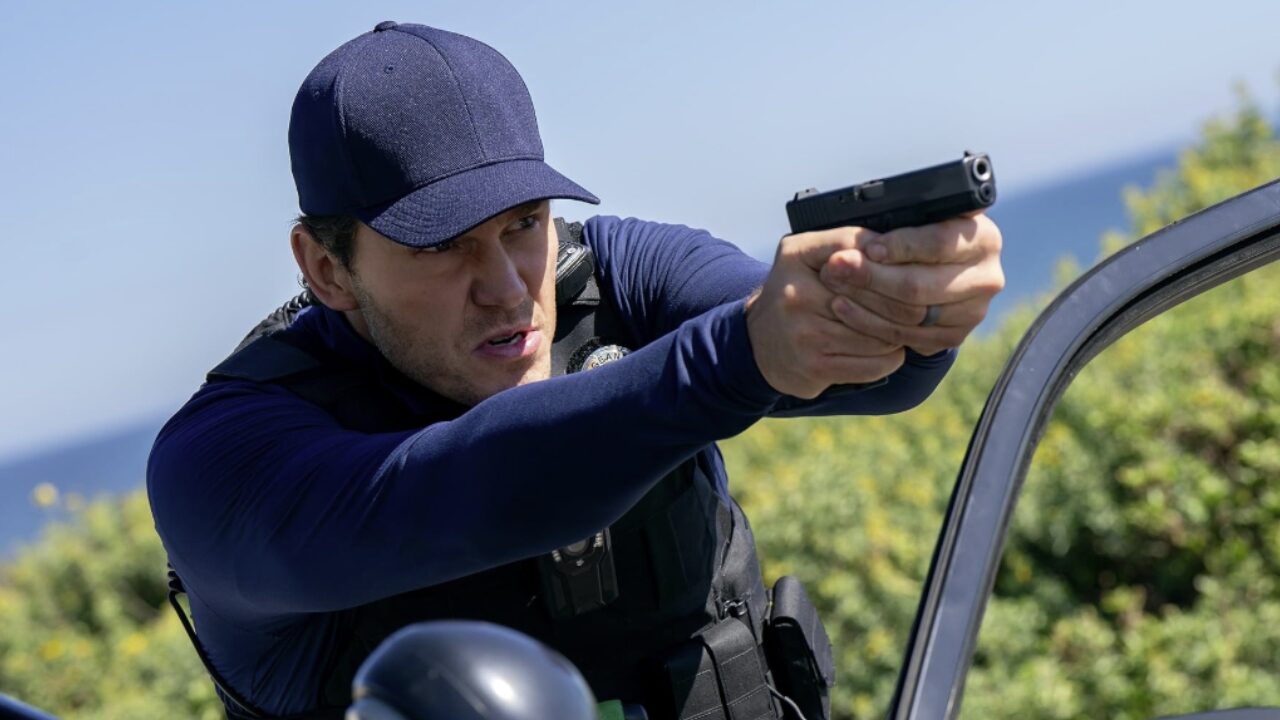
Most of the film attempts to echo Minority Report in terms of criticizing a seemingly “perfect” method of justice. However, while I won’t state what happens, Chris Pratt delivers a line that reveals the film’s parting message to be one of pro-AI. That it, like humanity, “just makes mistakes”, but we all have the capacity to learn from them.
Not only does that go entirely against the film we just saw, but it’s also wildly irresponsible, too, in the age of misinformation we currently live in because of AI. We’re already living in a world where we regularly see the harmful effects of AI, both on an environmental and cultural level. Ending a film with the copaganda equivalent of “AI ain’t that bad, guys” left a rancid taste in my mouth.
Overall, Mercy is an early contender for my personal “Worst of the Year” list. It’s an abject failure on every level. If anything, I just wish I were in that chair, if only to free me from ever seeing this again.