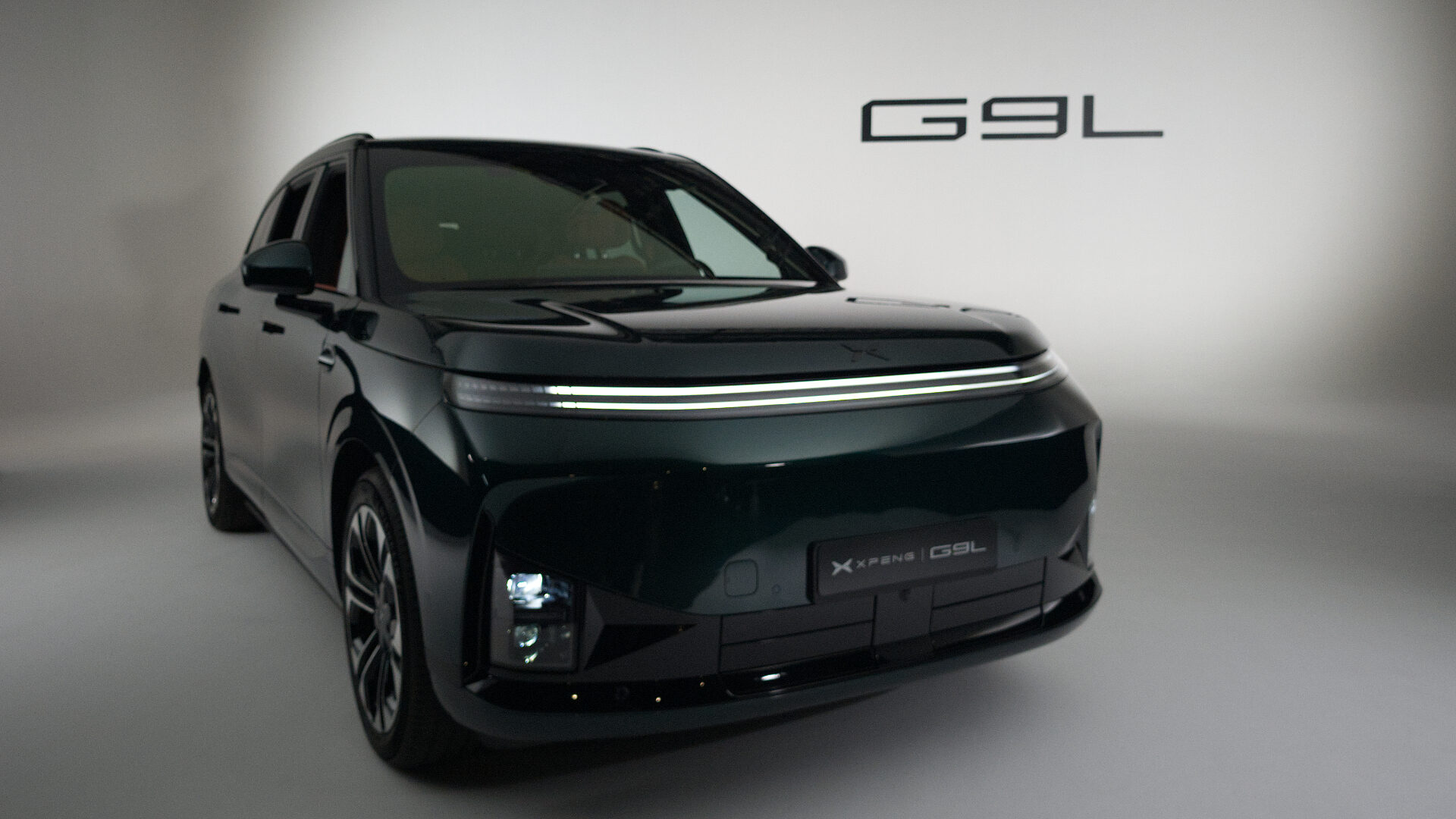
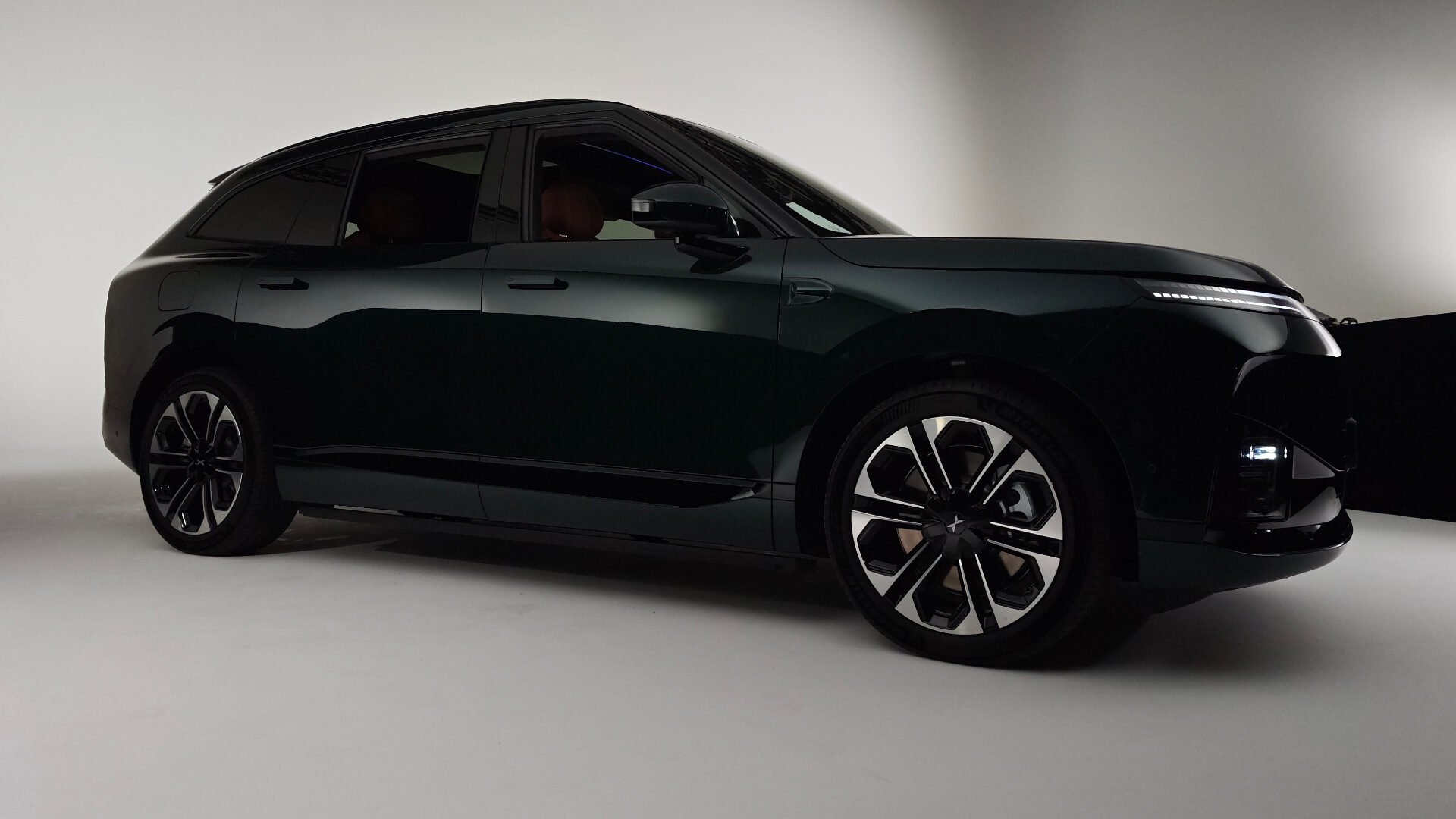
The Paris Motor Show is here, and XPENG is taking the opportunity to showcase the G9L, its flagship electric SUV that packs a lot into its design and aims squarely at the luxury SUV market.
With plans to build the vehicle in Europe and introduce its latest next-generation driver assistance system, the XPENG G9L is shaping up to be an impressive SUV. Priced from €74,990, the G9L headlines XPENG’s presence in Paris. The SUV comes with nine airbags as standard, automatic emergency braking at speeds up to 150 km/h, and stability support after a tire blowout. XPENG says the G9L underwent three years of testing across 26 countries and regions, logging more than 6.74 million km.
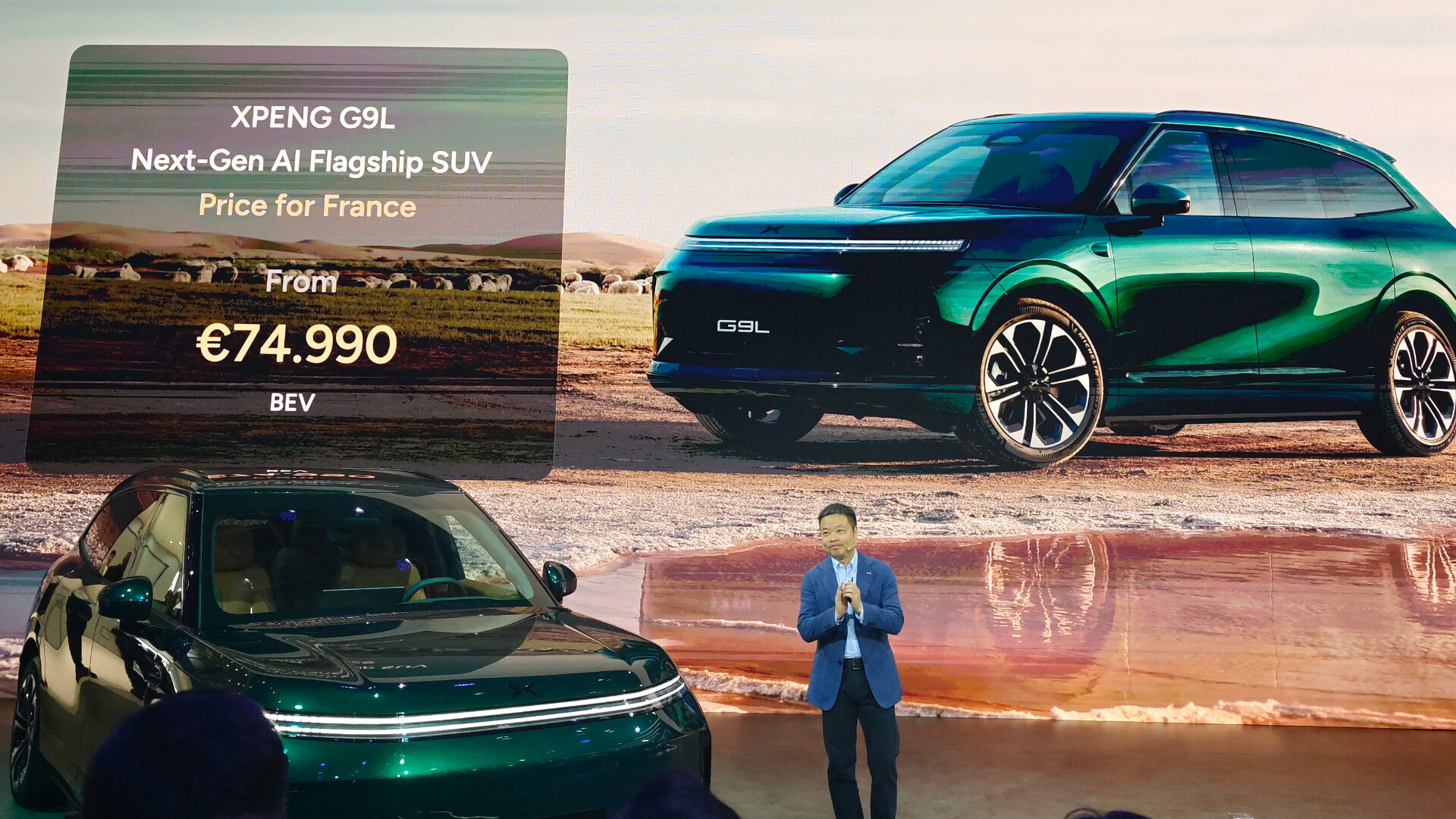
Buyers can choose between six- and seven-seat configurations, with XPENG’s AI-Adaptive front seats included. EV variants deliver up to 591 km of WLTP range, while an 800-volt architecture with 5C charging technology promises a 10% to 80% charge in as little as 11.7 minutes. Following a production trial at Magna’s facility in Graz, Austria, the G9L is set to become the fourth XPENG model built in Europe.
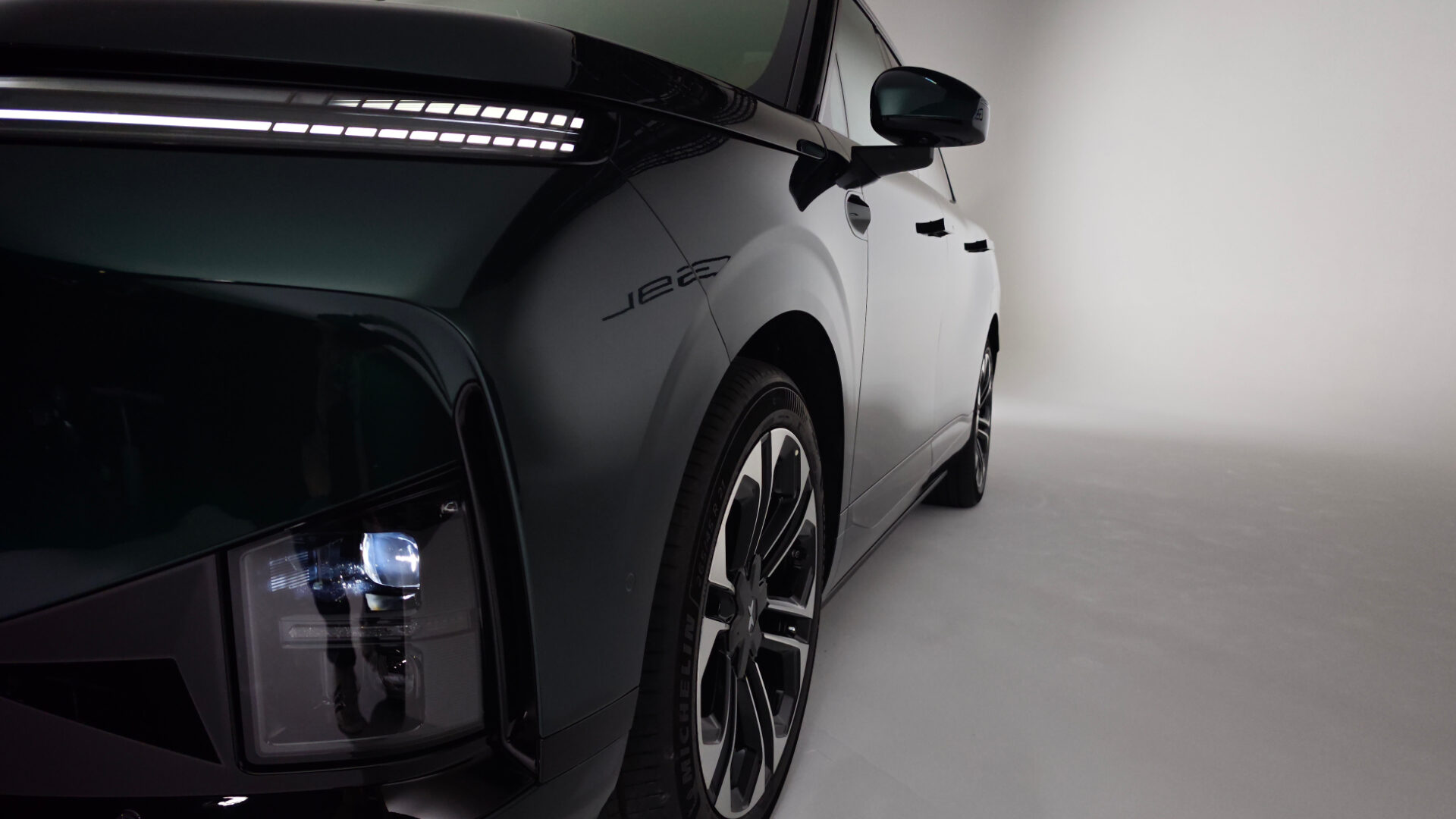
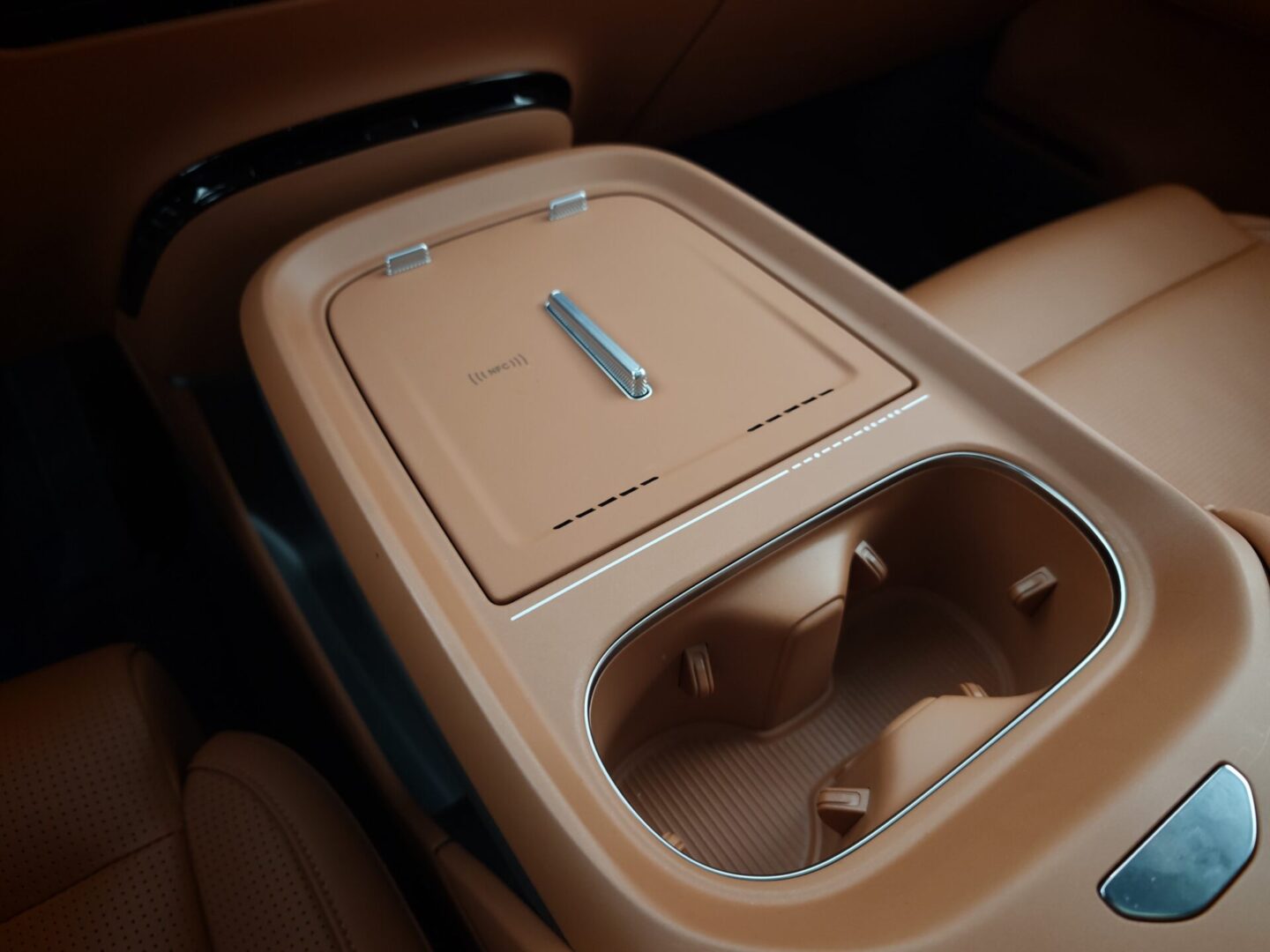
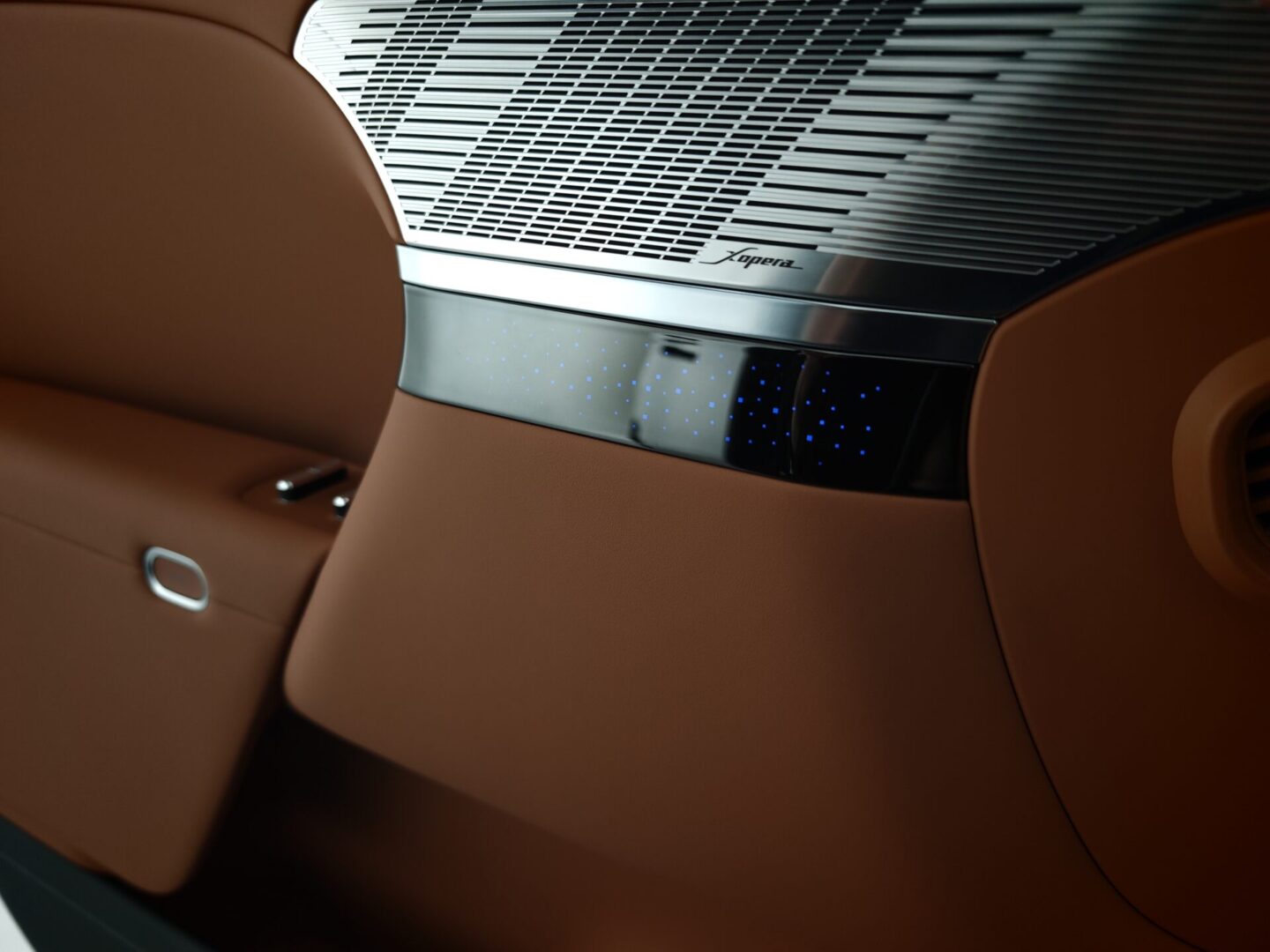
Looking at the SUV, the XPENG G9L is striking, with a range of features aimed at delivering a genuinely luxurious experience. These include a refrigerator for rear passengers, a large entertainment display, comfortable seats that adapt to the occupant’s body, a large front infotainment system and plenty of space for luggage. It also packs an impressive range of safety features designed to help keep occupants protected while on the road.
The show also marked the announcement of the first large-scale European test-ride campaign for XPENG Next Generation Pilot (NGP), powered by the company’s VLA 2.0 system and proprietary Turing AI chips. According to XPENG, VLA 2.0 can retain up to 30 seconds of contextual information and predict how a traffic scenario may unfold up to six seconds in advance. In Paris, the system was demonstrated on roundabouts, narrow streets and routes involving motorcycle traffic and pedestrian crossings.
NGP also features in the show’s official Autonomous Lab, where XPENG is one of only two participating automakers, alongside Tesla. The company aims to become the first certified automaker to meet UNECE UN Regulation No. 171, Series 02, a move that would support the global rollout of its driving software. While CGMagazine didn’t get a chance to test the self-driving at the Paris Motor Show, journalists who did get time in the car found it very impressive, especially in how well it handled busy downtown Paris streets.
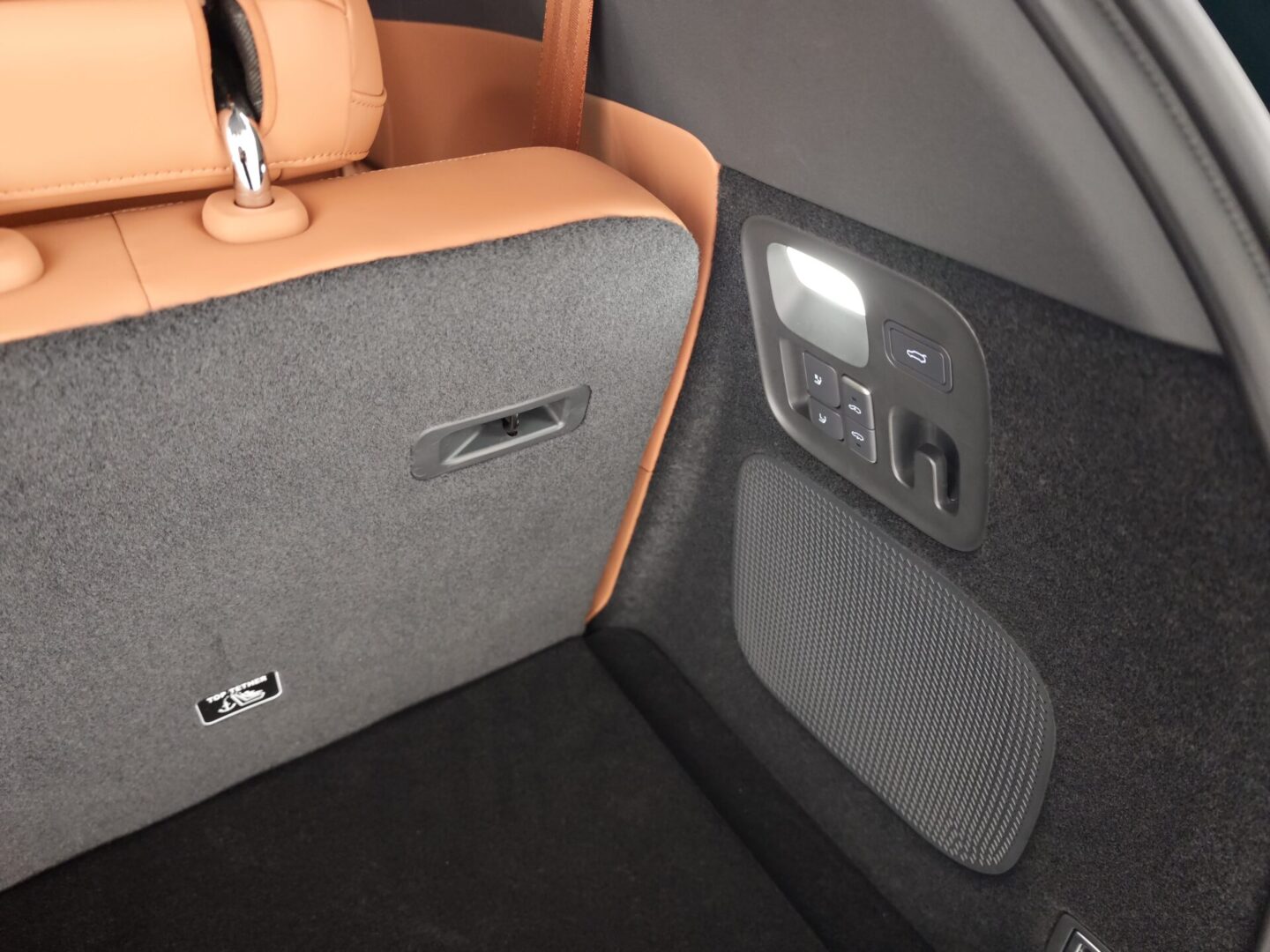
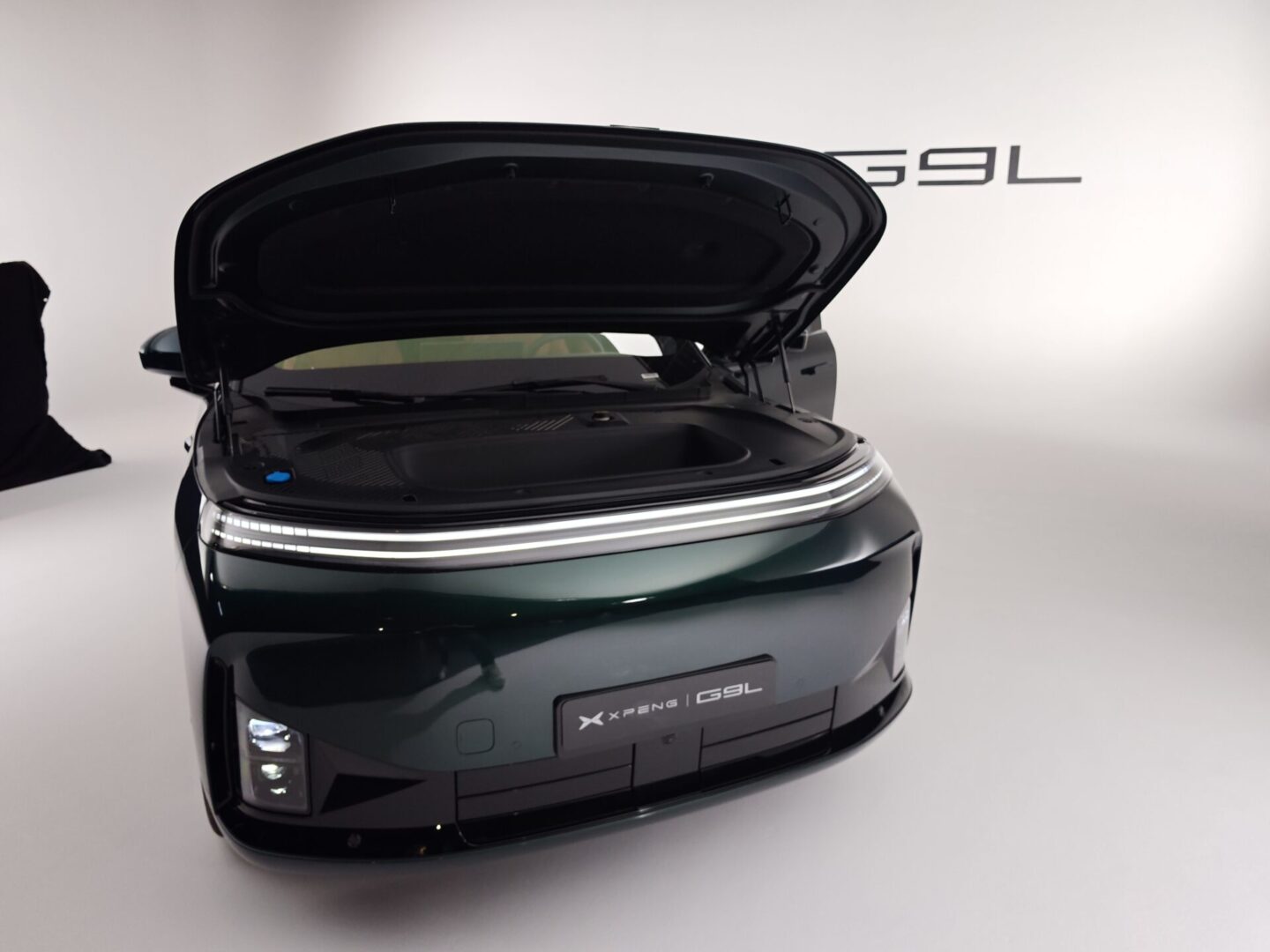
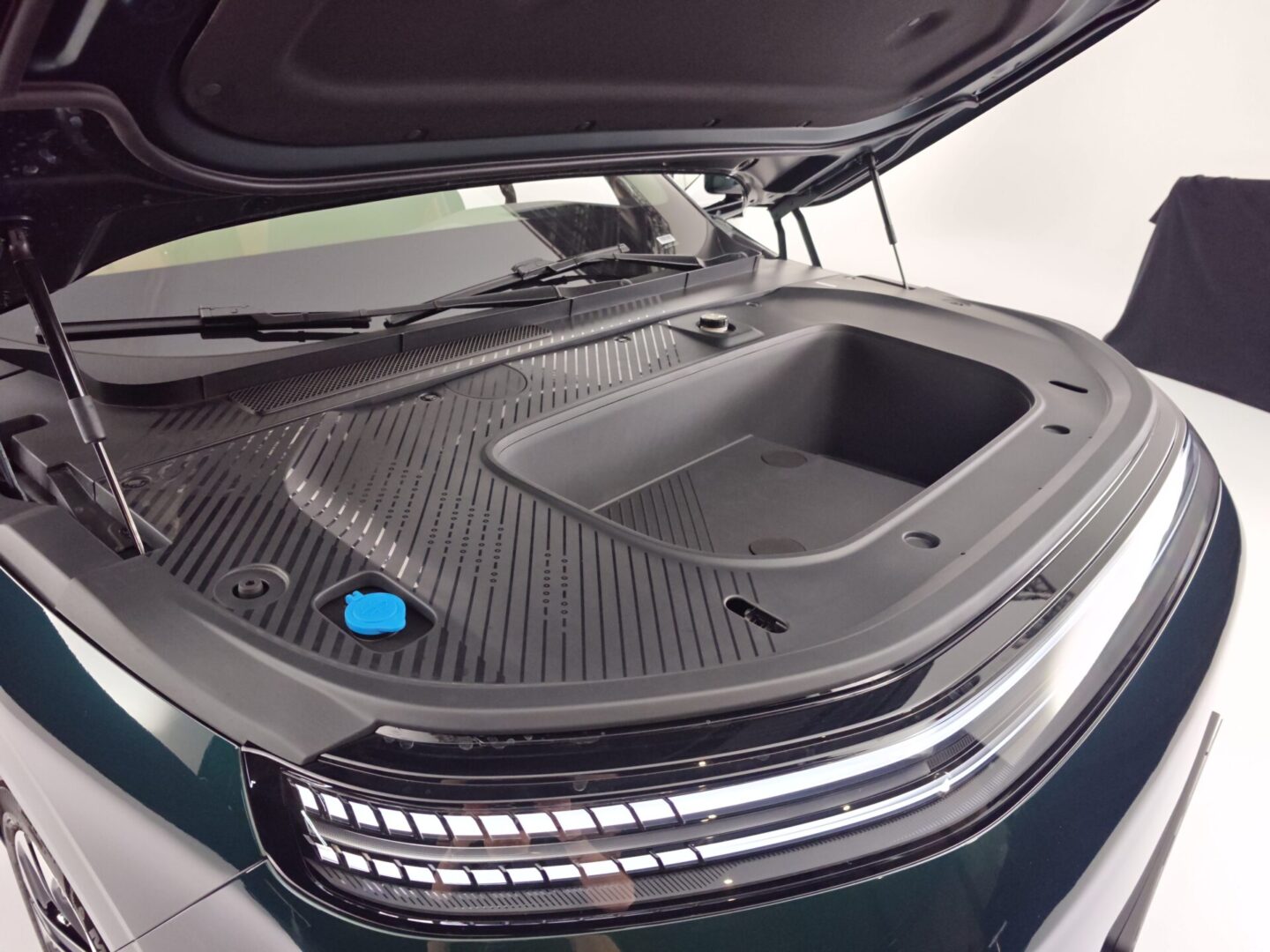
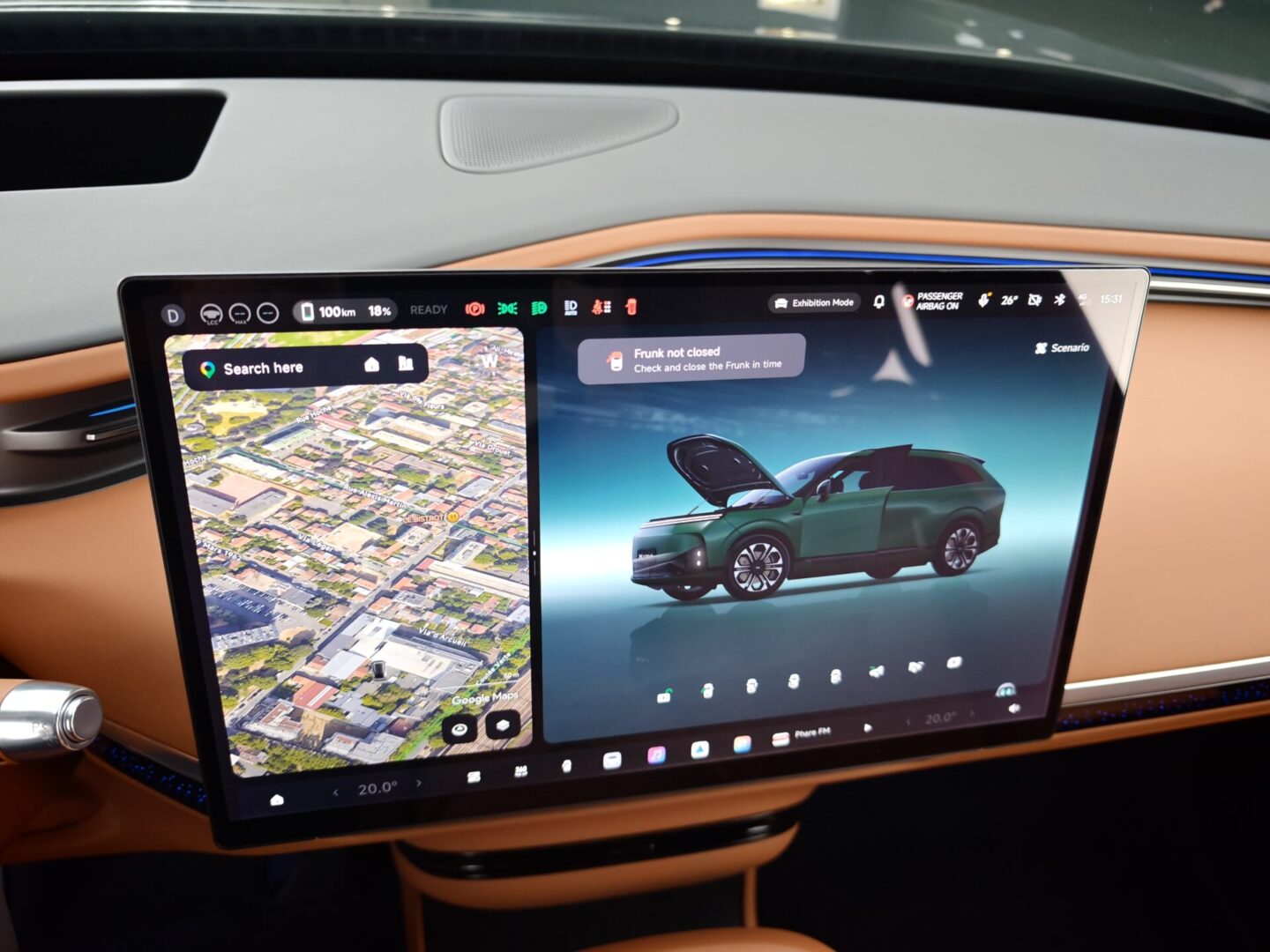
Beyond cars, XPENG turned its 1,008-square-metre stand in Hall 6 into what it calls a Physical AI Museum, displaying 11 vehicles alongside a Land Aircraft Carrier flying vehicle and two IRON humanoid robots, which are planned for a global rollout in 2027. With so many established European performance and luxury brands on display, including Mercedes-Benz, Volkswagen and Renault, I was impressed by how striking XPENG’s offerings were, delivering genuinely distinctive vehicles that stood out on a crowded show floor.
The announcements align with XPENG’s “In Europe, For Europe, With Europe” strategy, which relies on its European R&D centre and Austrian production that began in the third quarter of 2025. Globally, the company operates across 82 countries and regions. There is no word on a rollout to Canada or other parts of North America, but if we hear anything, we will update the story accordingly.