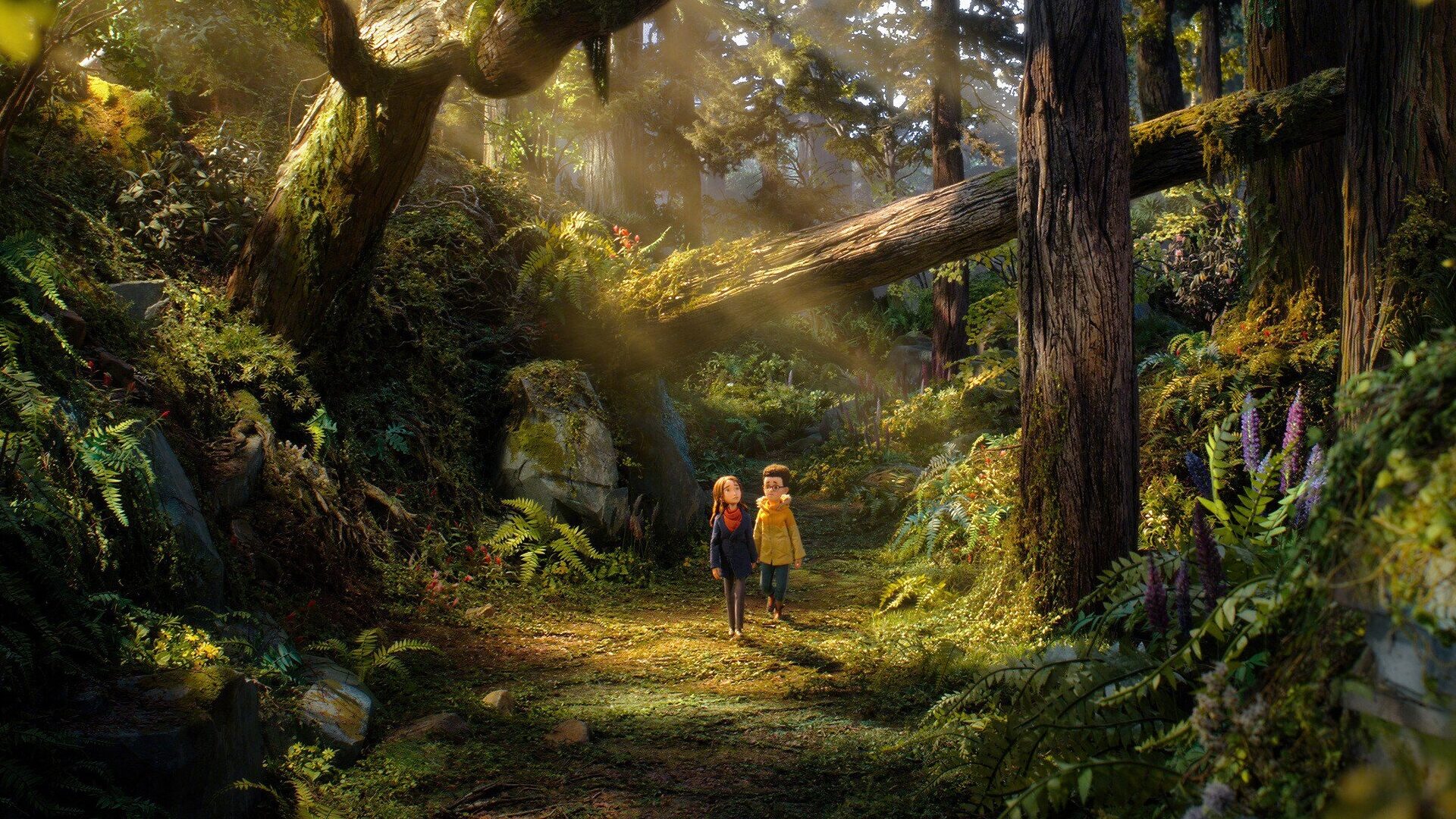
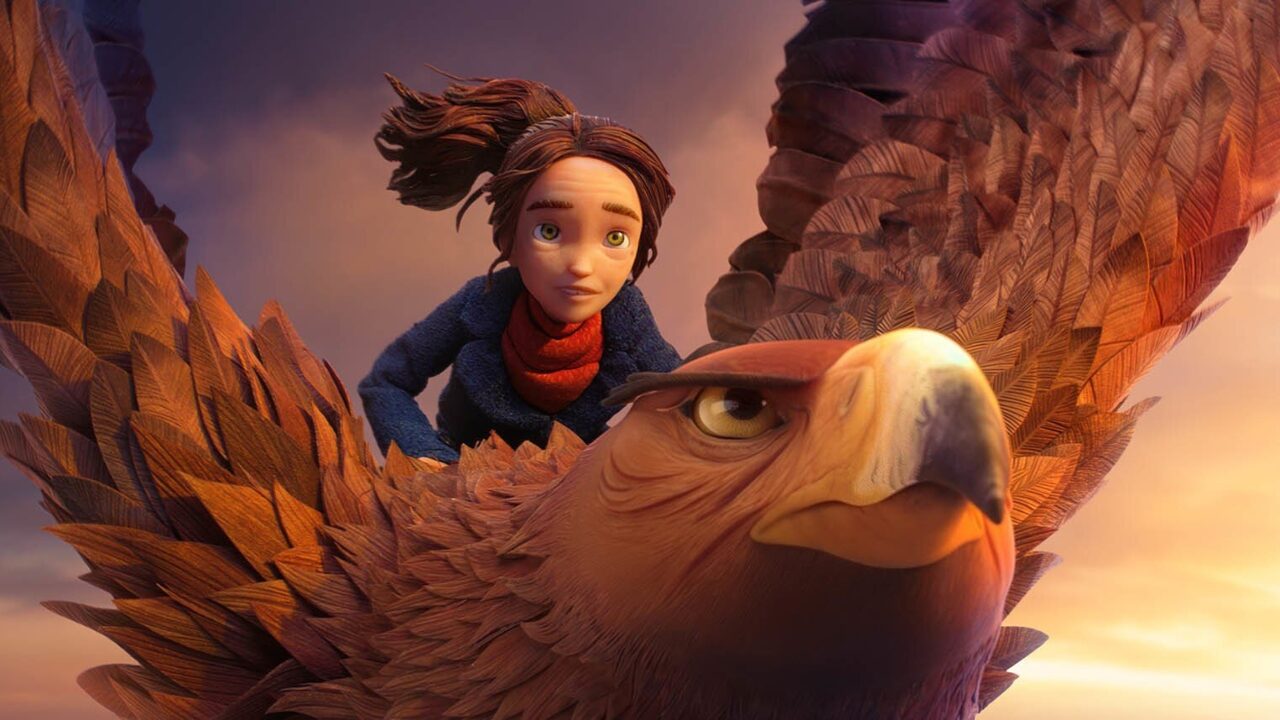
The same team behind Coraline, LAIKA Studios, brings their latest stop-motion animated film, Wildwood. The fantasy-adventure feature comes in at a runtime of 132 minutes, breaking the record for the longest stop-motion animated film of all time—previously held by Guillermo del Toro’s Pinocchio at 117 minutes. This flick contains 165,000+ individual frames, with each second representing 24 individual physical adjustments and photographs—with intricate shots said to have taken about 15 minutes to an hour just to move a single frame.
Wildwood is a monumental technical and visual achievement, and I could hear it from everyone who has worked on it. At the Wildwood: Inside the Performance special exhibit in Toronto (open during TIFF 2026), I spoke with the head of animation at LAIKA, Brad Schiff. Schiff told me about how Wildwood would not have been possible without Coraline, ParaNorman, The Boxtrolls, Kubo and the Two Strings, and Missing Link. He spoke about how every film leading up to this stop-motion goliath laid the building blocks to create this film.
After dropping by the special exhibit, CGMagazine was able to sit down with Schiff and Canadian actor Jacob Tremblay (The Little Mermaid, Luca), who plays Curtis Mehlberg, to discuss their work on Wildwood. We discussed why Wildwood is coming out now after having the IP rights for about 16 years, the voice acting behind the film, and why the runtime is fairly high for a stop-motion project like this one.
Brad and I already talked about how LAIKA’s production on Wildwood started five years ago, but the studio owned the IP for 16 years—
Jacob Tremblay: That’s crazy. I was three years old when you guys started!
LAIKA has made multiple films since Coraline blew up the world, and all of that was basically R&D for Wildwood. So, what was that “Aha!: moment that this was the right time to start that production journey for Wildwood?
Brad Schiff: Yeah, it’s interesting. I found out that we were doing this film about two weeks before the world shut down. We wouldn’t have been able to make this film before; it’s so big in scope. I think Travis felt good and felt that this was the right time to make the movie. He felt that we had learned what we needed to learn in the previous five films, and we were able to incorporate all of that stuff because every film was R&D for the next one. We’ve built a library of talents and technologies to be able to make this epic adventure. The boss says, “We’re making this movie,” and we’ll figure out how to do it.
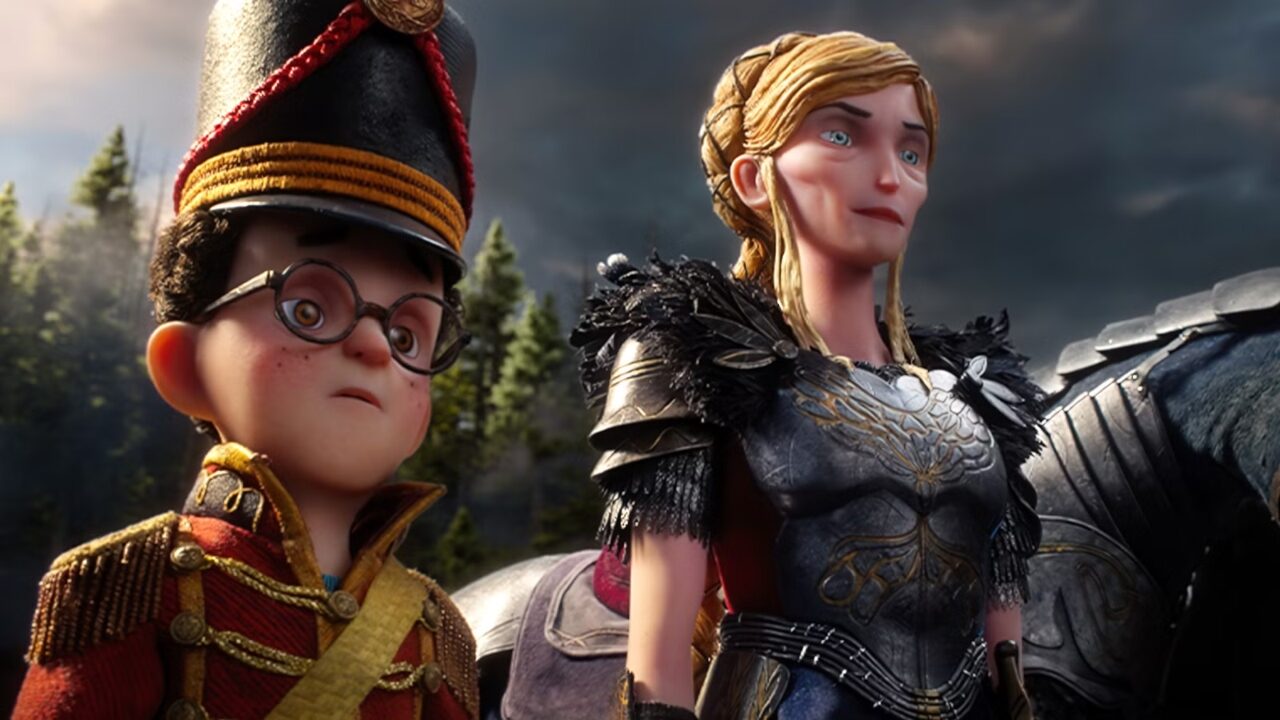
Right. And from your point of view, Jacob, what was the moment that drew you to Wildwood?
Jacob Tremblay: I grew up watching LAIKA’s films, so getting to be a part of that would be amazing. Coraline was such a huge part of my childhood. The script was really something different. I didn’t expect it to be very different from what they’ve done before. I really wanted to be a part of this world and see what they’re able to create from this because that’s what’s fascinating to me. And also getting to visit the LAIKA studio eventually, that was very important to me as well.
And now I’m curious how it all works together, as we’re speaking. For stop-motion animation, what comes first: the voice acting or the animation?
Jacob Tremblay: I recorded my part in 2021, so about five years ago. [LAIKA will] start getting to the animation around the mouth movements after we do all the lines. For me, it was interesting because so much time had gone by since then. Then, I wasn’t really too much a part of the process in between then and now. So I’ve just been kind of learning about what they were doing this whole time just recently, and I’m fascinated by all of it.
Brad Schiff: Yeah, we have to have the voice talent. The voice actors do the recordings first because we need to do the lip sync for the characters, and we need to make them look like they’re saying what they’re supposed to be saying and feel their breaths and emotions. It’s all based on what Jacob and the rest of the voice talent does.
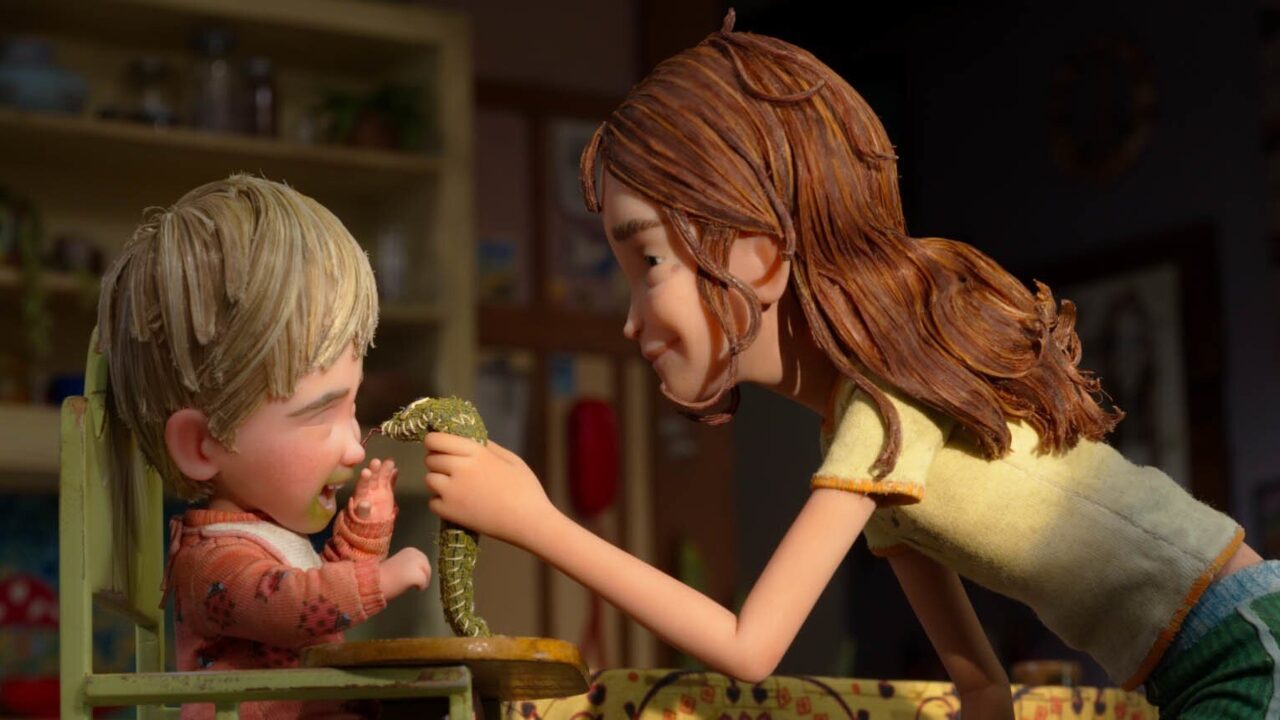
Amazing! Now, delving into the story, is Wildwood just based on the first of three books?
Brad Schiff: It’s just the first one. Thank goodness, or we’d be shooting until I was 90 years old.
Yeah, it’s a pretty thick book. And speaking of big, Wildwood is breaking the record for the longest stop-motion feature length. Did that come naturally? Or were there cuts to get it down to what we’ll be seeing?
Brad Schiff: Well, I think when we make the film, there’s the script. Then, we build an animatic, which is the film and storyboard form, and that’s how long the film needed to be. The film demanded to be that length, and everything is locked. We don’t change things. It’s not like, “Oh, hey, let’s change the ending or let’s deviate from here.”
It takes a long time to do because the animation is straightforward. We start to shoot shots based on the animatics on the storyboard panels. You start replacing the storyboard panels with real shots, and eventually you wind up with the film. But I think the story needed to be told at that length.
I like that; you don’t compromise. You’re getting every shot that you can. It can be different to reshoot live-action versus stop-motion. Actually, were there any reshoots?
Brad Schiff: Yeah, we reshot a few shots, not many. I would say under 10; the animators are very good. And Travis [Knight’s] direction is stellar. He has an incredible way of painting a picture with words, so the animators have a really good sense of what they’re doing. The only things that didn’t work were a couple of shots at the end that just felt like they needed to be redone—and we redid them. But not very many. There’s nothing left on the cutting room floor, and we don’t shoot extra footage. It’s too arduous a task to do that.
Awesome. Thank you again so much for both of your time.
Wildwood is in theatres on October 23, 2026.