


Gaming has become a distinctly digital experience. You can download a new title in minutes, switch between devices and access huge libraries without keeping physical discs on your shelf. Behind those simple interactions are increasingly sophisticated systems designed to make gaming faster, more accessible and easier to navigate.
The technology behind modern gaming

Today, your gaming experience depends on far more than the game itself. Newzoo forecasts that 3.7 billion people will play games globally in 2026, highlighting the enormous scale of the technology supporting modern gaming. Account systems, cloud infrastructure, content libraries, payment technology and security features all need to work together whenever you log in or start playing.
Some of this technology is developed specifically for consumer gaming, while other elements come from B2B software designed to help companies build and operate digital services. You may never see these systems directly, but they can influence how quickly a game loads, how smoothly your account works and how easily you can find new content.
This behind-the-scenes technology has become increasingly important as gaming moves further away from a single console or computer. Players now expect their accounts, purchases and preferences to remain accessible across different devices and services.
Why your gaming interface matters
A game’s graphics and mechanics might receive most of the attention, but the interface surrounding them can have just as much influence on your experience. Menus, search tools, libraries and account screens need to make large amounts of information easy to navigate.
Think about opening a digital game library containing hundreds or thousands of titles. If you cannot quickly find something you want to play, the size of the catalogue becomes less useful. Good interface design helps turn a large amount of content into something you can explore without unnecessary friction.
The same principle applies to mobile gaming, where smaller screens require interfaces that make controls, menus and information accessible without overwhelming you. As more gaming takes place across different devices, consistency has become an important part of the experience.
How game libraries are becoming easier to explore

Digital distribution has changed how you discover games, so as we rely less on a physical store or a limited collection at home, you can browse extensive catalogues from a console, computer or smartphone.
That creates its own technological challenge, where a modern gaming service needs to organize large amounts of information while helping you find relevant titles. Categories, recommendations, search functions and filters can all make a difference when you are deciding what to play next.
Behind the scenes, these features depend on databases and content-management systems that can process information quickly; the more content a platform offers, the more important that underlying organization becomes.
What happens when everyone logs on?
Gaming technology also has to cope with sudden changes in demand, where a major game release, seasonal event or popular online title can attract huge numbers of players within a short period.
For you, the result should ideally be simple: you log in and play. Behind that experience, however, servers, databases, networks and security systems may all be handling activity simultaneously.
This is one reason a platform provider can be important to the gaming industry. Providers can supply some of the infrastructure required to operate digital services at scale, allowing the consumer-facing experience to remain focused on games, content and usability.
Gaming across more devices
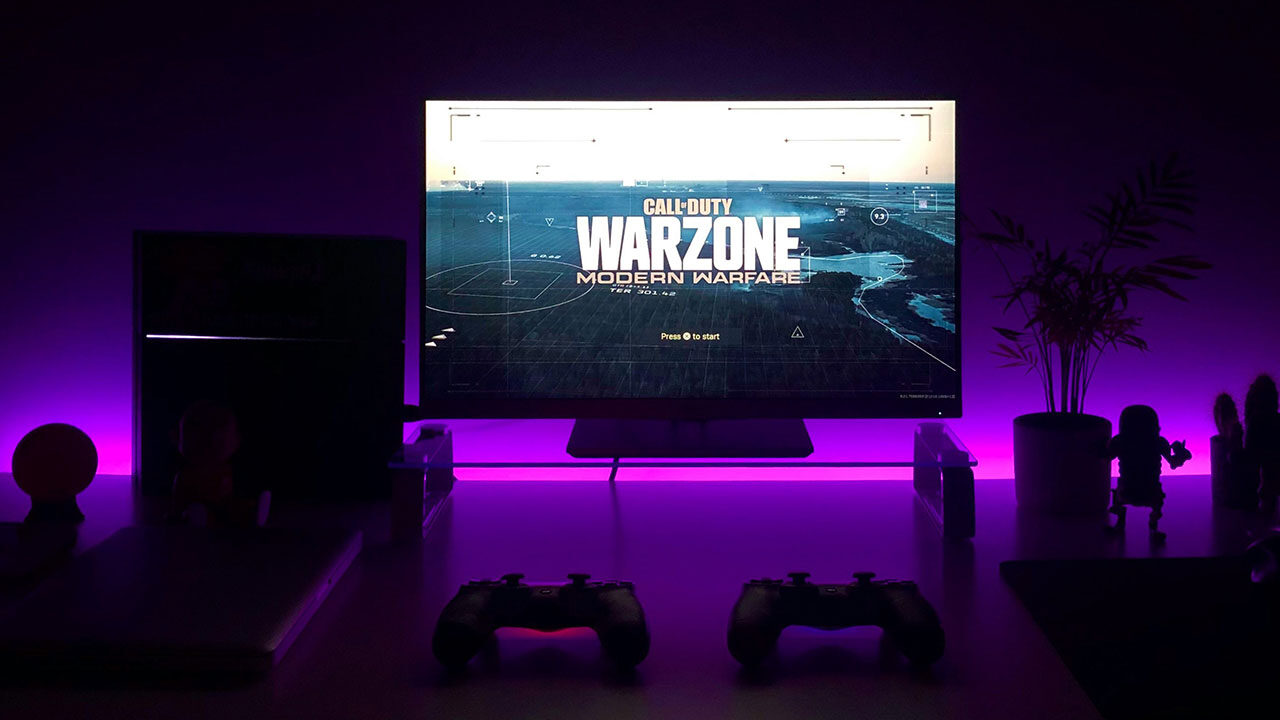
The distinction between different gaming devices has also become less rigid, where you might play on a console at home, use a computer for another title and turn to a smartphone when you are away.
That creates higher expectations for digital services, where players increasingly want their accounts to be accessible wherever they play, with familiar settings and information available across supported devices.
Developers must think beyond a single screen: performance, interface design, account synchronization and accessibility all need to work together if a service is going to feel consistent across different forms of consumer technology.
What could come next for gaming?
The direction of gaming technology is increasingly defined by convenience. Players have become accustomed to digital libraries, rapid downloads, connected accounts and services that are available whenever they want to play.
That does not mean every technological development needs to be complicated, and often, the most useful improvements are the ones you barely notice: a faster menu, a more reliable login, a better search function or a game that loads without unnecessary delays.
As gaming continues to develop as a form of consumer technology, those small improvements can have a substantial effect on how you discover, access and enjoy games. Ultimately, the technology may remain largely invisible, but its influence is already part of everyday gaming.