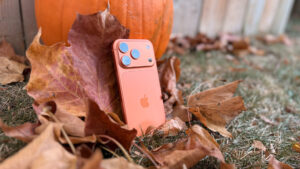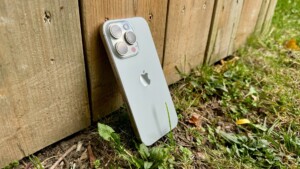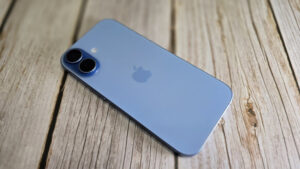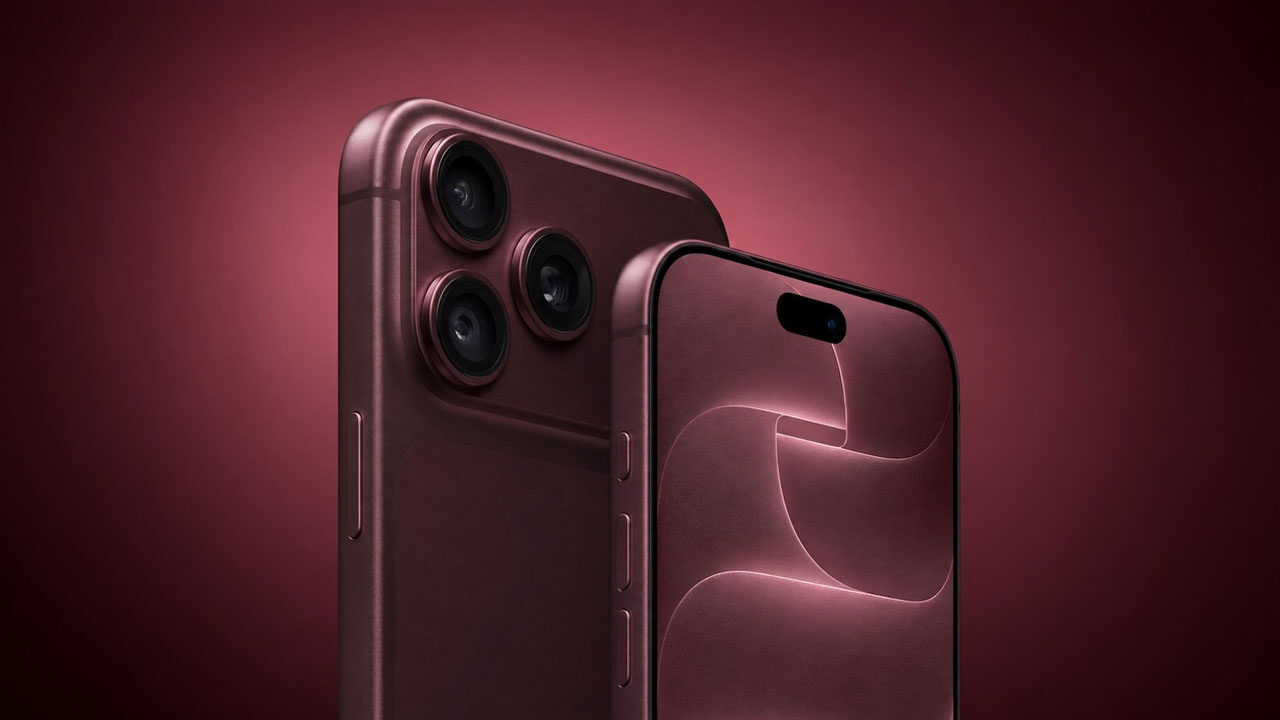


While the iPhone Fold turned heads at the company’s big fall showcase, my eyes were firmly on the iPhone 18 Pro. I’ve been a convert to Apple’s Pro line for five years now, so each fall I’m curious to see what they have in store for this flagship model first and foremost—even if the company is making waves with less conventional designs like last year’s iPhone Air.
Looking at this year’s model, Apple’s iPhone 18 Pro puts the truth to the old adage, “little by little, one goes far”—compared to its predecessor, there isn’t much that’s overtly new and sparkly. However, looks may be deceiving; there may not be an overt revolution, but there is a small but mighty evolution in the phone’s internal workings, and it could win over some of the most stubborn holdouts to smartphone photography (or maybe even their Apple Intelligence network).
iPhone 18 Pro: Specs & Design
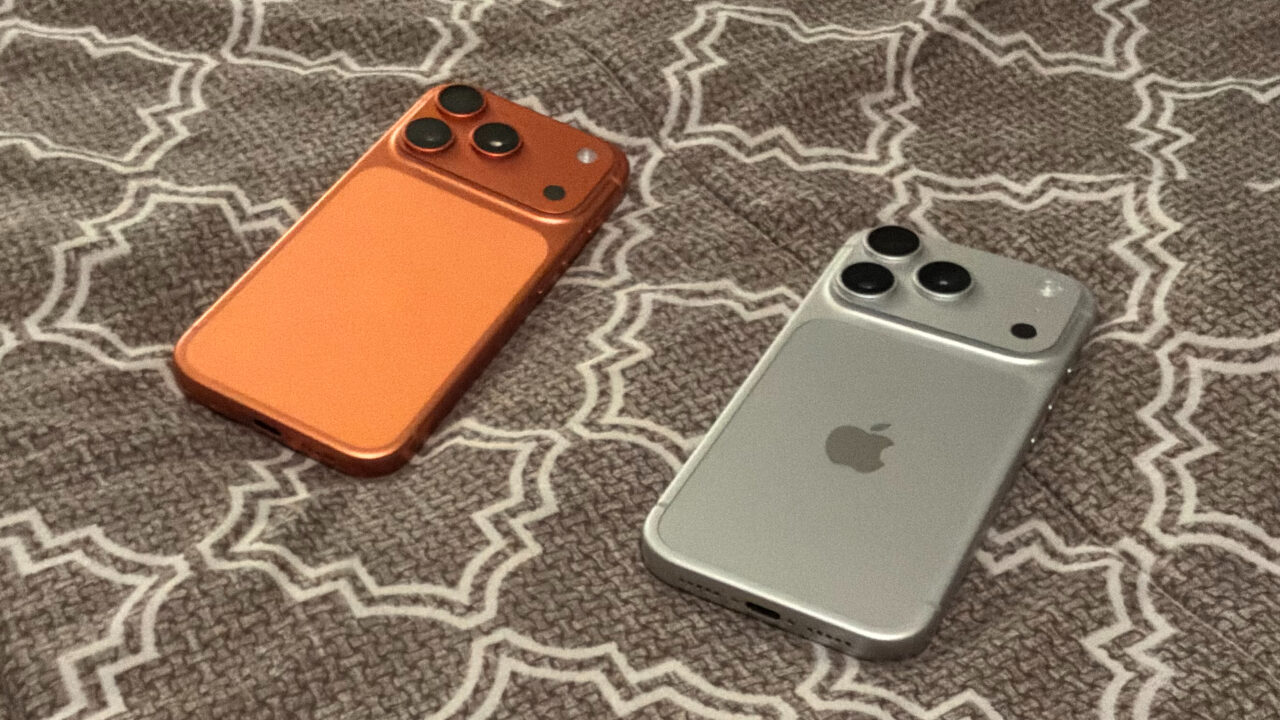
Once again, the latest generation of Apple’s high-end smartphones isn’t drastically stepping out of the shadow of the previous iteration in design or specifications… but that doesn’t make it any less compelling. The 17 Pro’s form factor, with the wider “plateau” on the back of the device for the camera array, makes a triumphant return in this iPhone 18 Pro. Its physical casing uses the same aluminum underbody and Ceramic Shield backing, with Ceramic Shield 2 on the front, delivering the same physical durability.
While the physical space of the 6.3″ Super Retina XDR display remains about the same, the way it is applied has improved—most notably in the Dynamic Island. This intuitive little facet of the display, hiding “within” the front camera’s cutout, can now support up to three Live Activities at once, all while not taking up any additional space on the physical display itself.
“I soon found that the iPhone 18 Pro is one of the most power-efficient Apple devices I’ve used thus far.”
Hold one in each hand, and you probably can’t tell the new iPhone Pro from its predecessor, but the specs under the hood have taken a step forward. This year’s processor, the A20 Pro chip, includes a 6-core CPU, a 7-core GPU with Neural Accelerators (up one from the 17 Pro), and a dual 16-core Neural Engine, doubling the Pro line’s dedicated processing for artificial intelligence and/or machine learning tasks.
Perhaps most important, however, is the expanded battery. This is one area where I’ve seen steady year-over-year growth, as Apple races against increasing power demands from these devices, and the iPhone 18 Pro feels like it’s reached the next precipice on this steep, steep climb. Apple rates it at 34 hours of streamed video playback, up 3 hours from last year.
Now, admittedly, that doesn’t sound impressive on paper; it’s a tough stat to track accurately and meaningfully, since so many variables affect battery drain, and this is the standard Apple uses to quantify it as best they can. However, upon testing the device personally, I soon found that the iPhone 18 Pro is one of the most power-efficient Apple devices I’ve used thus far. The battery had considerably more juice left at the end of the day, consistently over several days after a plethora of different uses. I even felt more comfortable setting the screen slightly brighter than my usual energy-conscious level, yet the drain remained remarkably reduced.
Mileage will vary from person to person, and I did push it into the red on occasions with just my regular daily usage, but I’m quite impressed (and frankly relieved) with the improvement in this crucial department. And much of this was observed before the Adaptive Power settings could really take root, so I expect the battery could get even better balance over time. Luckily, Apple’s Fast-charge tech has users covered in an emergency—with the right charger, it can pull in up to 50% in about 15 minutes, which is a lot of usage.
iPhone 18 Pro Camera


Perhaps the single-biggest innovation on the iPhone 18 Pro is the new Variable Aperture—coincidentally, one of the teeny-tiniest aspects of the smartphone’s physical design.
With it, Apple takes your phone a little closer to a DSLR camera’s territory, adding a traditional, mechanized aperture to the 48MP Fusion Main camera. Made up of six polymer blades, each about the size of a human hair, this variable cover changes the amount of light entering the camera, enabling four aperture modes: ƒ/1.48, ƒ/1.8, ƒ/2.8, and ƒ/4.0. If you look right down the barrel of that Main camera as the aperture changes, you can see the physical cover shift—if you’re looking for it explicitly anyway.
This setting is covered by the automatic shooting modes, but savvy users can manually set these “f-stop” values in the Camera’s Pro mode to experiment. Shifting to ƒ/4.0 can bring out background details when you have a closer subject, so if you want to get creative with a portrait, you can either use that setting and make the background more prominent, or deliberately set to ƒ/1.48 and keep the focus on the subject.





Where most people will probably see an uptick in picture quality is in low-light conditions, which have always been a pain with smartphone cameras. This is great news for taking pictures inside at night, but also a potential game changer for iOS’ Night Mode. The amount of time it takes to take a picture of the night sky can be drastically reduced, making it all the more useful for those great astronomical photo ops.
Pro controls also received an expansion, allowing users to control shutter speed and white balance, or even view histograms to track tonal distribution in real time. This panel has considerably expanded, offering iPhone 18 Pro users a veritable toybox of DSLR-worthy features.
iPhone 18 Pro: Application


As mentioned earlier, the A20 chip doubles the Neural Engine processing for the iPhone 18 Pro, and for good reason: Apple strove to increase the effectiveness and presence of Apple Intelligence with this year’s model, as well as across iOS 27. This, I feel, is a double-edged sword. The upside is that it comes with Apple’s commitment to on-device processing, handling tasks without sending data away from your phone as much as possible (or using Private Cloud Compute for larger tasks). It feels like the only oasis of security in the slippery landscape of AI… and even that isn’t much consolation.
Siri has been upgraded in iOS 27 to become more context-aware, meaning that you can in theory ask it specific questions and have it pull answers from your conversations or other Apple apps. You might ask it what your significant other said you need to pick up from the grocery store on your way home, or inquire about something detailed in a work event on your Calendar. Thanks to the on-device processing and security processes, this capability is restricted to iOS family apps, so Siri checks Messages but not Facebook Messenger.
Sounds helpful, right? Even as someone who remains skeptical about Apple Intelligence, and especially about other AI platforms out there, I could see the appeal of being able to pull up such reminders while I’m hands-free. However, despite this being a feature of Siri and Apple Intelligence, it still relies on ChatGPT to pull off those requests, despite having that dual 16-core Neural Engine onboard the iPhone 18 Pro. This was a major selling point of this year’s phone and OS update, but it’s just not for me if I’m required to hand off to another AI service.
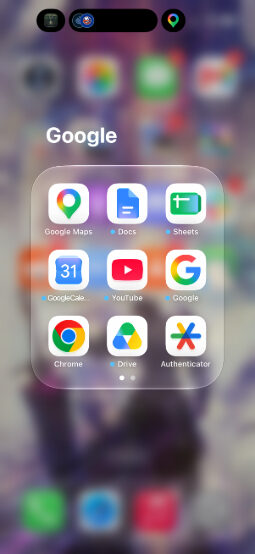

In other areas, that Neural Engine is put to better use, such as the Photos app. The post-processing capabilities have increased significantly; the new Reframe or Extend options can redefine a shot’s perspective after you’ve taken it, while the Clean Up tool can remove that pesky obstacle from the background. I’ve seen some examples of these tools at work that were genuinely impressive, achieving some convincing results that shouldn’t be possible. I’ve also seen it produce the same uncanny and potentially problematic results as other genAI image manipulation models. Used for good, like retouching a simple photo for the family scrapbook, these could be welcome tools, but the potential for misuse outweighs the benefits.
“It should be no surprise by now that the iPhone 18 Pro, true to its epithet, is a top-of-the-line smartphone.”
Luckily, one of the iPhone 18 Pro’s cleverest features in this department is here: the Apple Reference Image. This opt-in feature adds a Reference mode to the repertoire of Camera modes, and essentially takes a copy of the original data from the Main camera sensor as a sort of “digital negative.” It then lives alongside the original HEIF image and can be used to verify the authenticity of the image. Of course, this comes at the cost of larger file sizes, and only works when you’ve opted in and used that Reference mode, but it’s a step in the right direction for virtual accountability.
Moving beyond Intelligence-related affairs, the iPhone 18 Pro has a further redesigned thermal management system to help keep your device cool while under sustained use. The A20 is paired with the biggest thermal path that Apple has put into one of these smartphones yet, and estimates it enables up to a 40% gain in efficiency—keeping the chip at a better temperature for better, longer usage. For the most part, I found that this extensive internal redesign pays off, but that the phone did still get warm occasionally.
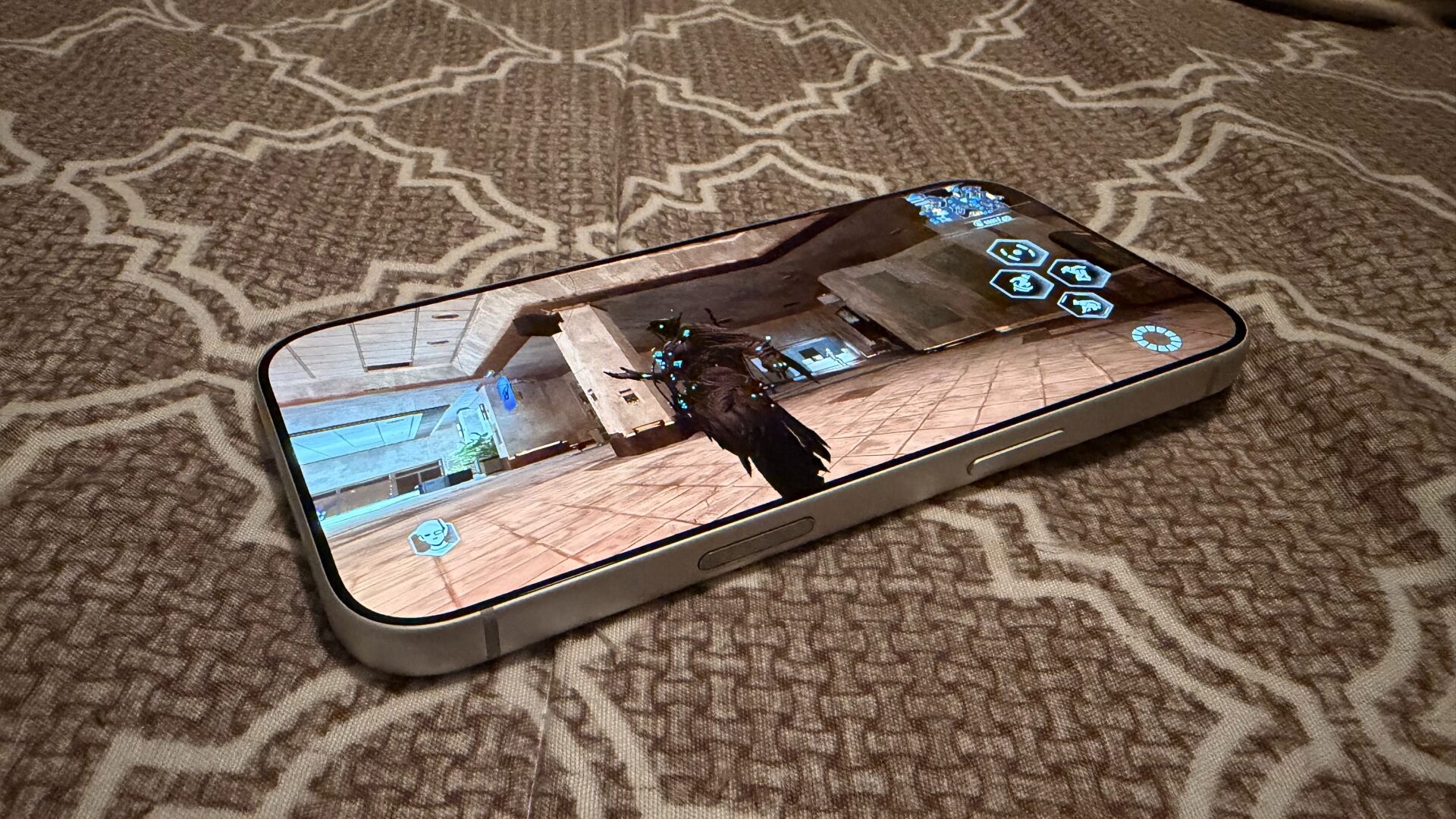
Again, personal mileage may vary. I most often felt a tangible heat through the official silicone case while pushing the phone for testing, like playing games on high brightness for extended periods. That heat was more palpable with the case off, as well. Given the size of the thermal chamber, I expected not to feel any warmth before the ten-minute mark, and instead it kicked in as early as a couple of minutes. However, I saw no signs that the processing or performance was suffering from the heat. The last few generations have been considerably cool for all the power they contain, and this year’s model keeps that streak alive.
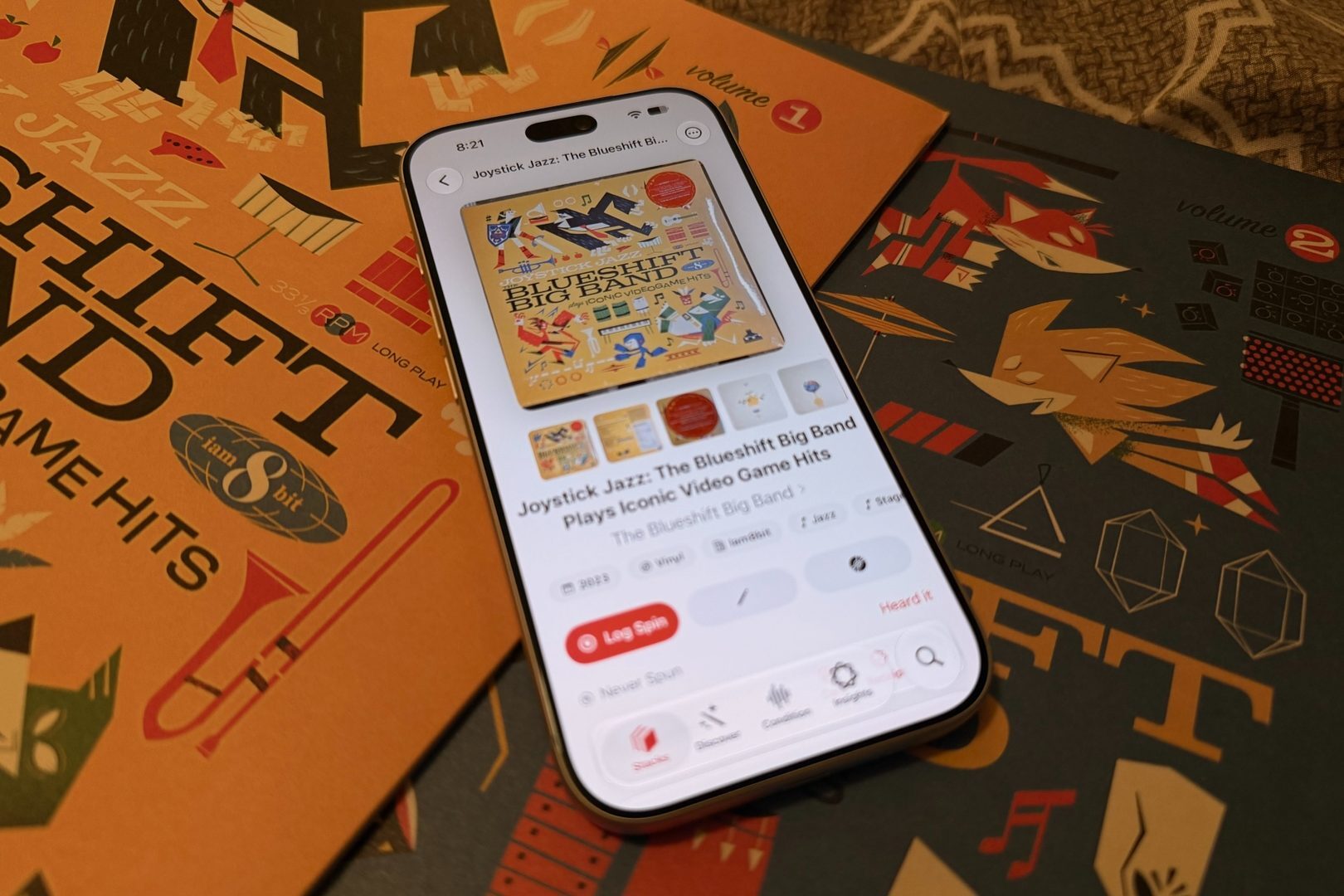
That increase in onboard neural processing does come in handy with some new iOS 27 features. The Liquid Glass display feels a little more useful on iPhone 18 Pro, system pop-ups interfere less, and app performance is all-around smoother by a small margin. Some apps tap into this potential in unexpected ways too—with perhaps the most unexpected being Spinstack, which can assess a record’s condition just by “listening” to it or grading the playing surface, or just help make listening recommendations.
And much like l said of the 17 Pro, the smartphone has what it takes to be a formidable gaming system… but the library still leaves something to be desired. Titles like Genshin Impact and Warframe run great (without spiking the phone’s temperature too much), but might be more desirable to play elsewhere unless you have a dedicated controller, and finding a new mobile-specific game always feels like teetering precariously close to the edge of the cliff that is monetization. The technology is here, and I keep waiting for the library to rise up to meet it with a true killer app that isn’t addled with microtransactions and ads.
Conclusion
Small technicalities about thermal dissipation and Apple Intelligence aside, it should be no surprise by now that the iPhone 18 Pro, true to its epithet, is a top-of-the-line smartphone. Apple has proven the chops of this tier of devices for several years in a row now, and the 2026 edition has all the power users need to stay at the cutting edge of today’s applications. It may not have much of a leg up on the prior model, but if you’re still a couple generations behind—maybe waiting for your two-year cell contract to end before you upgrade—you’ll see a good leap forward in the latest Pro.
Where it really shines is in the camera. If you’re a serious photographer who still prefers DSLRs, this is the smartphone you should be considering. Its bells and whistles are great for point-and-click users, but if you take the time to dig into the settings, there’s a wonderland of settings to help you capture the shots of your dreams without carrying around a kit bag of lenses. Combined with the potent video options added over the past couple of iterations, the iPhone 18 Pro should be the standard for content creators, from veterans to aspiring upstarts. That Pro moniker isn’t just for show in this department.