


Random number generation is the invisible mathematics behind drop rates, gacha pulls, procedurally generated worlds and online casino spins. While the systems may differ, they all rely on similar principles of probability and randomness. Understanding how these systems work can change how you interact with games and platforms that rely on chance.
Every time a chest drops a rare weapon in Diablo IV, a wish produces a five-star character in Genshin Impact, or a pokie pays out at an online casino, random number generation plays a role. A random number generator (RNG) produces values that help determine the outcome based on the rules and probabilities built into each game. Players never see these calculations directly, but they influence everything from reward screens to the results of individual spins.
iGaming game developers such as Pragmatic Play and NetEnt create titles for online casino platforms like Vegastars casino, which advertises access to more than 6,000 pokies. These games use RNG systems to determine outcomes, drawing on many of the same mathematical principles found in traditional video games. However, the specific algorithms, probabilities and certification requirements can differ significantly between gaming and casino platforms.
What Is RNG and How Does It Work?

At its core, a random number generator (RNG) is a system that generates sequences of numbers designed to appear unpredictable, providing the foundation for countless mechanics built around chance.
Video games and many online casino platforms use pseudorandom number generators (PRNGs), which take a starting value called a seed and process it through a deterministic algorithm. The output appears random to the player, but the sequence can be mathematically reproduced if the seed and algorithm are known.
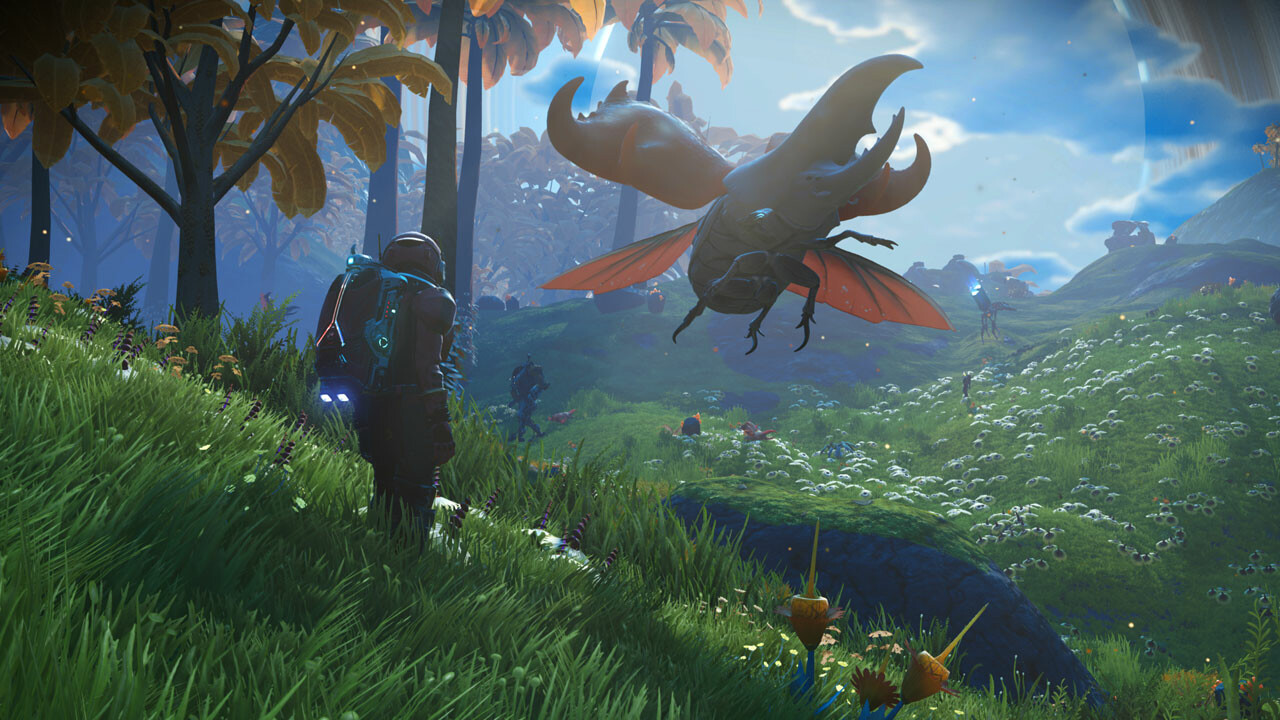
For game developers, this is incredibly useful. Procedural generation in titles like No Man’s Sky and Minecraft depends on seeded RNG to create enormous playable worlds from relatively compact code. Roguelikes like Hades II and Dead Cells use similar systems to rearrange levels and encounters with each run. This underlying process, taking a seed and generating a sequence of numbers, powers everything from item drops and critical hit chances to spawn locations and loot tables across the industry.
A 2018 study published in PLOS ONE by researchers David Zendle and Paul Cairns found a connection between loot box spending and problem gambling behaviour among a large sample of gamers. The research highlighted concerns about the similarities between randomized reward systems in video games and conventional gambling products, particularly when players spend real money for a chance to receive valuable or desirable rewards. While the findings established an association rather than direct causation, they raised important questions about how these mechanics affect player behaviour.
Gacha and Loot Boxes: RNG as Monetisation
Gacha games took RNG out of the background and placed it at the centre of their business models.
In Genshin Impact, each wish on a character event banner has a base 0.6% chance of producing a five-star character. The pity system guarantees a five-star character within 90 pulls, although it will not necessarily be the featured character. Similar systems have become common across the genre, with Granblue Fantasy helping popularize the concept in 2016 through its own system, which allows players to exchange 300 pulls for a selected reward.
Pity is an interesting piece of game design because it does not necessarily change the underlying random number generator. The algorithm can continue producing numbers as usual, while the game’s reward rules adjust the probability of receiving a particular item or guarantee an outcome after a set number of unsuccessful attempts. It is essentially a safety net built into a probabilistic system. Honkai: Star Rail also uses what players call soft pity, where the odds of receiving a five-star character are believed to increase after roughly 73 unsuccessful pulls rather than jumping directly to 100% at the final threshold.
Different implementations, but the same underlying principle.

The numbers involved are enormous. According to Sensor Tower, Genshin Impact generated approximately $2 billion US in mobile player spending during its first year, driven largely by its gacha system. A 2020 study by David Zendle and his colleagues found that 58% of the 100 top-grossing games on Google Play and 59% of the top-grossing iPhone games contained loot box mechanics of some kind.
These systems differ from standard game rewards in one important way: money. Players can grind for in-game currency, but the gacha model also gives them the option to spend real money on additional pulls. Each pull involves an RNG-driven outcome, while the developer sets the drop rates and reward rules that ultimately influence both the player’s experience and the game’s monetization model.
| RNG Application | Example | Player Control | Transparency |
| Procedural generation | No Man’s Sky, Minecraft | Seed selection, world rerolls | Fully visible to player |
| Loot drops | Diablo IV, Destiny 2 | Farming routes, difficulty tiers | Drop rates sometimes published |
| Gacha pulls | Genshin Impact, Honkai: Star Rail | Pity system, banner selection | Rates disclosed (often by law) |
| Online pokies | Certified casino titles | Denomination, game selection | RTP and volatility published |
| Competitive multiplayer | Crit chance, weapon spread | Loadout, positioning | Rarely disclosed |
The table above is worth examining for a moment. The underlying principle of RNG is similar across each example, but the implementations are not necessarily identical. A pseudorandom number generator (PRNG) produces a number, and the system maps that number to a possible outcome. What changes is the context surrounding it, including who controls the parameters, how much information the player receives and whether real money is directly at stake.
The Research Behind the Overlap
Researchers have started examining loot boxes and gacha systems through a similar lens to the one used to study conventional gambling products. Dr. Luke Clark, a gambling researcher at the University of British Columbia, has spent years studying the relationship between video games, randomized rewards and gambling behaviour.
In a 2025 longitudinal study published in BMC Psychology, researchers Lucas Palmer, Gabriel A. Brooks and Luke Clark followed young adults aged 19 to 25 in British Columbia over six months to examine whether loot box engagement could predict later participation in real-money gambling. The findings suggested that greater loot box spending and risky engagement were associated with a higher likelihood of starting to gamble and spending more on conventional gambling at follow-up. While the study did not establish a direct causal relationship, it added to growing research examining the connection between randomized video game rewards and gambling behaviour.

The regulatory response has varied considerably between countries. Belgium treats certain paid loot boxes as gambling under its existing laws, while the Netherlands has taken a more complicated approach. In 2022, the country’s highest administrative court ruled that loot boxes in FIFA did not constitute a separate game of chance requiring a gambling licence. Meanwhile, the U.S. Federal Trade Commission reached a $20-million US settlement with Cognosphere, the company behind Genshin Impact, in January 2025 over allegations involving children’s privacy, misleading purchasing practices and inadequate disclosure of the odds of obtaining rare prizes. The regulatory picture continues to evolve, with governments increasingly examining how chance-based monetization should be handled in video games.
Where Game RNG and iGaming RNG Diverge
Despite the shared mathematics, there is one important difference: regulation. In regulated gambling markets, casino RNG systems are generally subject to external testing and certification requirements. Independent testing laboratories examine the algorithms, verify that outcomes follow the intended probability distributions and check whether a game’s theoretical return to player (RTP) matches its design. In jurisdictions such as Great Britain, applicable casino games must undergo this testing before becoming available to players.
Video game loot boxes, by comparison, face a less consistent regulatory environment. Developers generally control their reward tables, drop rates and pity systems, although some jurisdictions require probability disclosures and impose additional consumer protections. The level of independent oversight varies, and the rules governing changes to reward probabilities are not the same everywhere. While both industries use RNG technology, the oversight surrounding those systems can be very different.
This difference is one reason the regulatory conversation continues to return to a central question: if the mathematics are similar and some of the psychological effects on players overlap, should the rules governing these systems become more closely aligned?

What RNG Means for Gamers and Pokie Players
Knowing how RNG works does not allow you to predict the outcome of an individual pull or spin. Understanding the system, however, can help you make more informed decisions about how you engage with it:
- Published drop rates describe probabilities, not guarantees about what will happen during a particular session.
- Pity timers can limit long losing streaks or increase the chances of receiving certain rewards, depending on how they are implemented.
- RTP figures for games in regulated casino markets are subject to independent testing, while loot box probabilities are generally disclosed by developers without the same universal certification requirements.
- With independent RNG events, a previous loss does not make the next attempt more likely to win. However, systems with pity timers or changing probabilities can alter the odds based on previous attempts.
- Spending more money does not give players control over an RNG. It generally provides additional attempts, although some games use mechanics that change the probabilities or guarantee rewards after a certain number of pulls.
For gacha players, loot grinders and pokie players alike, the underlying lesson is similar. These systems are designed to produce outcomes according to defined probabilities over time. Individual results will always vary, and understanding that uncertainty is important, particularly when real money is involved. The excitement of an unexpected reward can be compelling, but it should never be confused with a reliable way to obtain a particular outcome or make money.