
In today’s esports-driven entertainment landscape, top gaming competitions attract millions of viewers across the globe and continue to grow year after year in both scale and production quality. Major tournaments in games like tactical shooters, MOBAs, and battle arenas are scheduled almost year-round, making it difficult for fans to keep track of everything without a structured system. Without proper planning, it becomes easy to miss important matches, key playoff games, or even entire tournament stages due to overlapping schedules and different time zones.
At the same time, esports content is highly engaging and fast-paced, encouraging fans to follow multiple events simultaneously across different platforms. This creates a constant balance between excitement and overload, where viewers must choose what to watch and what to skip. This is why structured time management tailored specifically to gaming schedules has become increasingly important. In this article, we explore how to organize your free time effectively so you can enjoy esports competitions without stress, confusion, or information overload.
Understanding esports schedules and global tournament flow
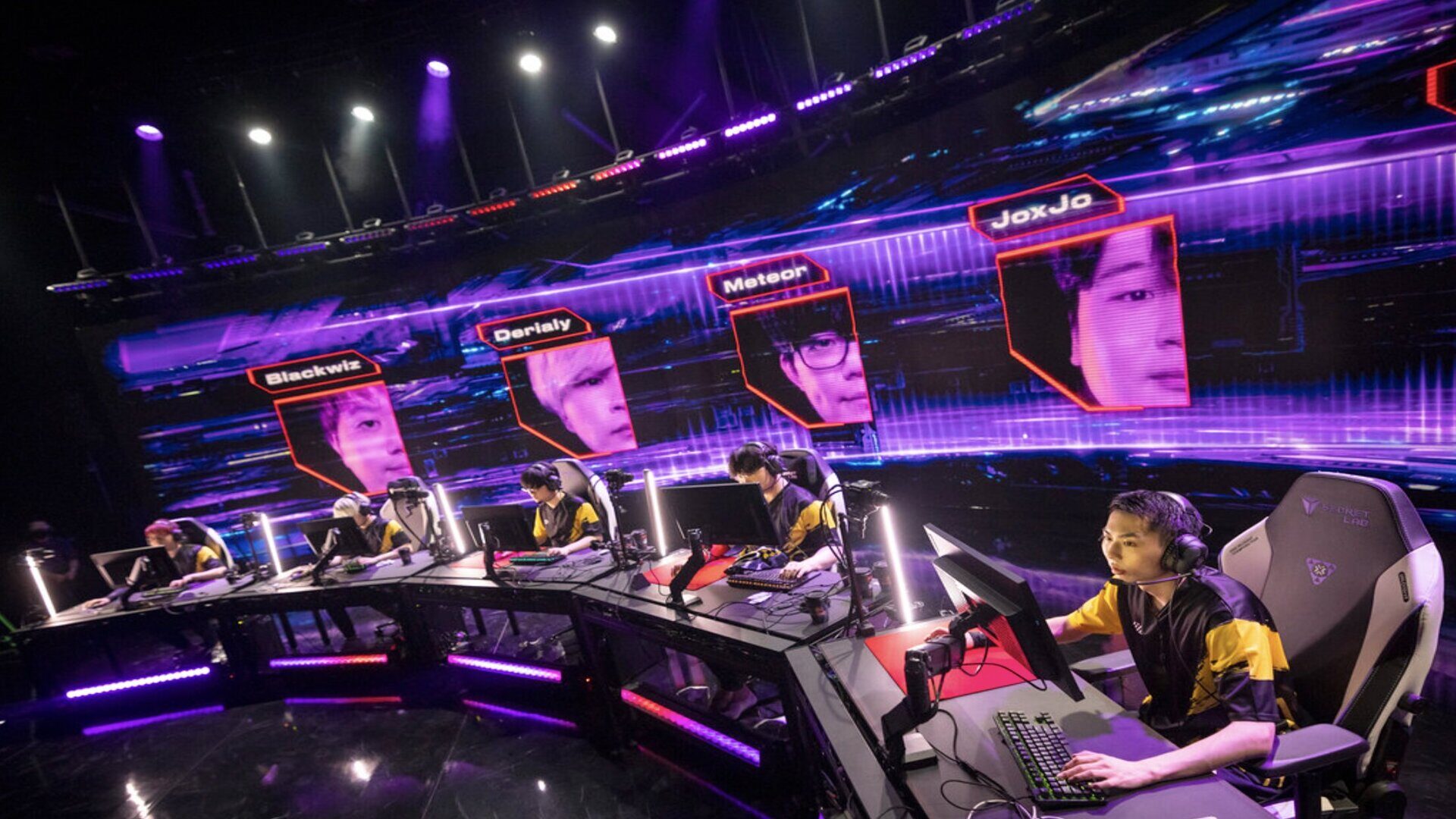
Modern esports calendars are extremely dynamic and complex, especially in titles like VALORANT, where regional leagues, international events, and qualification stages often overlap throughout the competitive season. Fans need to follow multiple time zones, match formats, and playoff structures to fully understand how each tournament progresses from group stages to finals. This makes scheduling not just helpful but essential for anyone who wants to follow the competitive scene seriously.
One of the most effective ways to stay organized is by tracking official tournament calendars and structured esports platforms that consolidate match information in one place. When planning your viewing routine, utilizing a professional vct schedule 2026 helps fans understand upcoming matchdays, playoff brackets, and key competitive milestones in advance. This is especially useful when following structured leagues like the VALORANT Champions Tour, where matches are distributed across multiple weeks and regions.
Having a clear overview of upcoming events allows fans to make smarter decisions about what to watch live and what to catch later through highlights or recaps. It also helps reduce stress caused by last-minute scheduling confusion and improves overall enjoyment of the competitive experience.
Building a personal esports viewing schedule
Creating a personal viewing schedule is one of the most practical ways to enjoy esports consistently without missing key events or feeling overwhelmed by constant updates. Instead of randomly checking streams or scrolling through highlights, fans can allocate specific time slots for live matches, analysis, and post-game reviews. This structured approach helps transform esports viewing into a controlled and enjoyable routine.
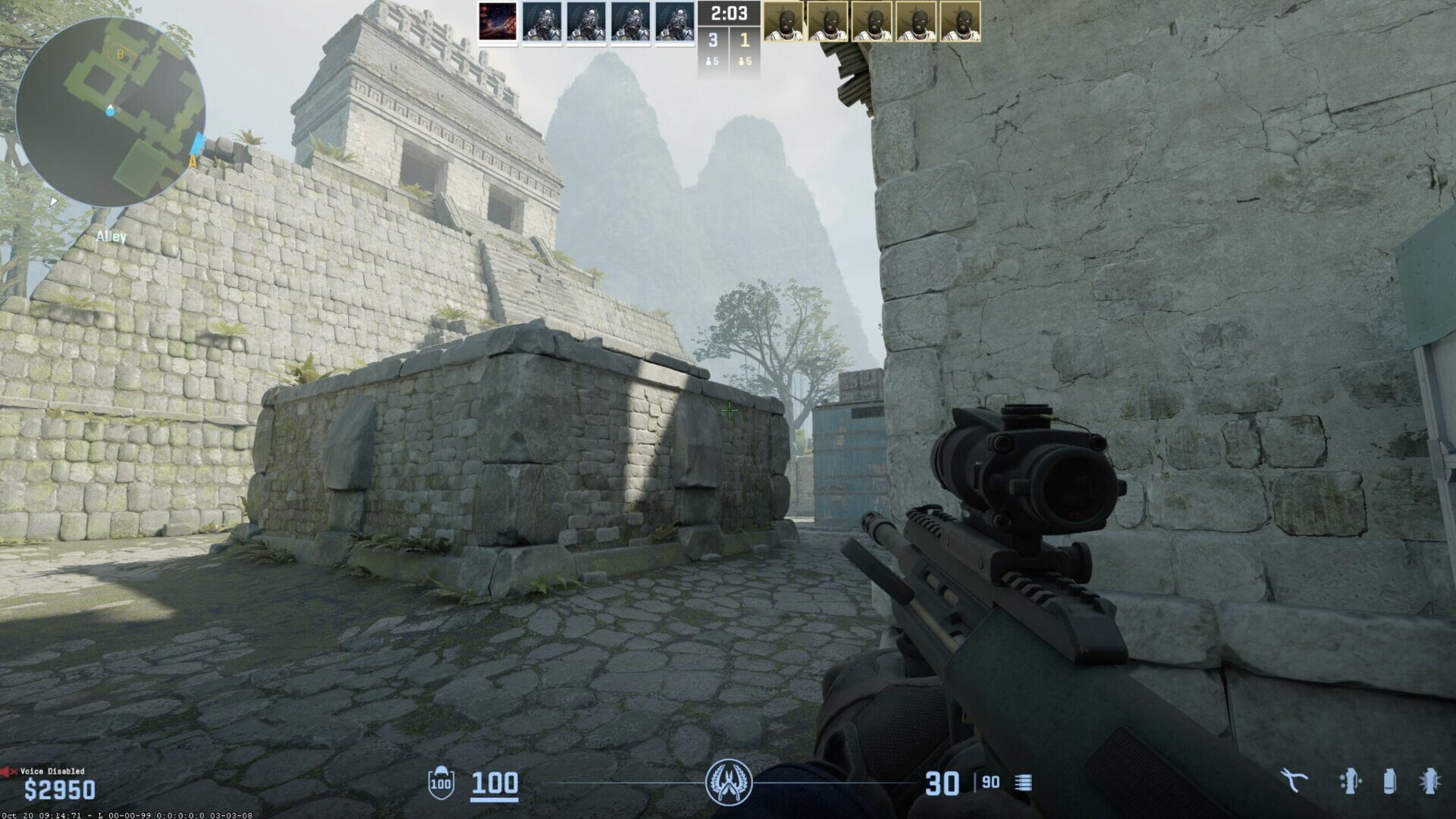
This method is particularly useful for competitive titles like Counter-Strike 2, where tournaments often run for several consecutive days with multiple matches scheduled per session. By planning ahead, viewers can prioritize high-impact games such as elimination matches, semifinals, and grand finals while skipping less critical early-stage games if necessary.
A well-organized schedule also helps maintain a healthy balance between esports and daily responsibilities such as work, studies, or personal activities. Fans can align match viewing with free evenings, weekends, or breaks, ensuring that gaming content enhances their lifestyle rather than interfering with it. Over time, this creates a sustainable and stress-free way to enjoy competitive gaming.
Many fans also use digital calendars, mobile apps, or reminder systems to track match timings and receive notifications before important games begin. This is especially helpful when dealing with international tournaments where time zone differences can easily cause confusion or missed matches.
Prioritizing matches, teams, and tournaments
With so many esports events happening simultaneously across different games and regions, it is essential to prioritize what truly matters to each viewer. Not every match carries the same level of importance, especially in large tournaments that include group stages, qualification rounds, playoffs, and finals. Understanding tournament structure helps fans decide where to focus their attention.
Many fans choose to follow specific teams or regions based on personal interest, competitive history, or favourite players. For example, well-known organizations such as Fnatic and G2 Esports regularly participate in major international tournaments and attract global audiences due to their consistent presence and competitive legacy.
By narrowing focus to selected teams or leagues, viewers can reduce information overload and develop a deeper understanding of gameplay strategies, team coordination, and evolving meta trends. This selective viewing approach also makes esports more engaging, as fans become emotionally invested in specific storylines and rivalries.
Balancing esports with daily life and productivity
While esports is exciting and highly engaging, it is important to maintain balance between competitive viewing and everyday responsibilities. Without proper time management, fans may find themselves staying up late for matches, constantly checking updates, or losing focus on work and studies. Over time, this can negatively impact productivity and overall well-being.
One effective strategy is setting clear boundaries for esports consumption. For example, limiting live viewing to selected key matches while watching highlights or summaries for others helps maintain balance. This ensures that fans stay informed without sacrificing rest, focus, or daily responsibilities.
Another useful method is organizing esports activities into dedicated time blocks rather than spreading them throughout the entire day. This allows viewers to fully focus during specific periods and then disengage when needed, creating a healthier consumption rhythm. By maintaining this structured approach, esports remains an enjoyable and sustainable hobby rather than a source of stress or distraction.
Developing long-term esports viewing habits
Organizing free time around esports competitions is not just a short-term tactic but a long-term habit that evolves with experience and consistency. Fans who develop structured routines find it easier to follow multiple tournaments across different seasons without feeling overwhelmed by constant changes in schedules or formats.
It is also important to regularly adjust viewing habits as the esports landscape evolves. New games, updated formats, and shifting competitive priorities may require changes in how fans allocate their time. Flexibility ensures that viewers remain engaged without losing control over their schedule.
Over time, combining scheduling, prioritization, and balance leads to a stable system for enjoying esports content. This transforms viewing from random consumption into a structured and meaningful experience that fits naturally into daily life.
Organizing free time around top gaming competitions requires planning, prioritization, and consistent time management strategies. By understanding tournament schedules, creating personalized viewing routines, and maintaining balance between esports and daily life, fans can enjoy competitive gaming in a more structured and sustainable way. Utilizing reliable digital resources for tournament updates helps simplify this process by offering clear access to upcoming matches and key events. Ultimately, the best approach is a balanced one — staying fully engaged with esports while maintaining control over time, productivity, and overall lifestyle quality.