

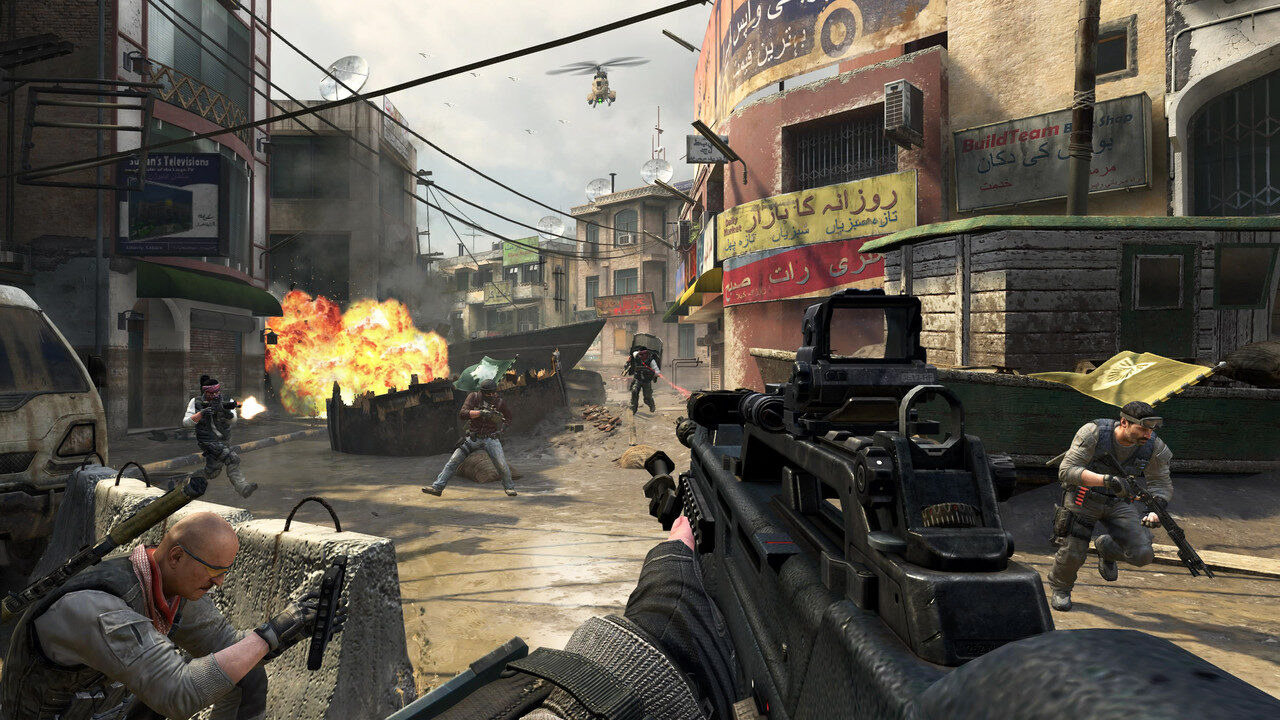
Some games become remembered for their stories, characters or visual achievements, yet others become important because they change how players experience gaming together. Released in 2012, Call of Duty: Black Ops II arrived during a period when online multiplayer was becoming more competitive, more personalized and more connected.
The game introduced systems that encouraged players to experiment, improve and build their own approach to every match. If you played multiplayer during this era, you probably remember the importance of finding the right class setup, learning popular strategies and competing against players who pushed you to improve.
The scale of that experience was reflected in the game’s success, as Black Ops II went on to become one of the best-selling Call of Duty titles ever, with more than 30 million copies sold worldwide. The game became part of that experience because it offered a level of control and competitive structure that helped define what many players expected from future online shooters.
Black Ops II introduced a new level of multiplayer freedom
Call of Duty: Black Ops II launched with a different approach to class creation that gave players more control over how they prepared for battle. Treyarch introduced the Pick 10 system, allowing you to select weapons, attachments, perks and equipment based on your preferred style. This gave players greater flexibility because every choice carried a cost, encouraging careful planning before entering a match.
The system helped move multiplayer progression toward personal strategy. You could create a fast setup focused on movement, build a defensive class for holding positions or design a balanced option that supported objective-based play. Each decision influenced how you approached a match, so your loadout became an extension of your own habits and preferences.
This level of customization became one of the game’s most influential features. Later shooters continued developing similar systems because players had become accustomed to having meaningful choices before they joined a multiplayer session. More than a decade later, Black Ops II still attracts players online, which has also brought renewed attention to security issues affecting its older multiplayer systems. Ultimately, the game showed that preparation could be just as important as reaction speed once the match began.
Competitive gaming became easier to access
Black Ops II arrived during a period when competitive gaming was gaining more attention from mainstream audiences. The introduction of League Play gave players a structured way to test their skills through ranked matches, competitive rules and skill-based progression. This helped create a clearer connection between casual multiplayer and organized competition.
For many players, this was their first experience with a more serious competitive system. You could enjoy traditional public matches before stepping into a mode that focused on teamwork, communication and improvement. The structure encouraged players to analyze their performance and develop stronger habits over time.
The game also changed how rewards worked through Scorestreaks, where players could earn rewards through capturing objectives, defending areas and supporting teammates, where success depended on something beyond simply achieving the highest number of eliminations. Overall, this encouraged a wider range of playstyles because every contribution could influence the outcome of a match.
A community built around long-term engagement
One reason Black Ops II remains memorable is the community that developed around it. Players shared strategies, created gameplay content, competed in tournaments and formed groups that returned regularly for matches. The game became more than a collection of online modes because it gave players reasons to keep improving and interacting.
You might remember watching skilled players demonstrate advanced techniques, learning map routes from experienced competitors or joining friends for regular sessions after school or work. These routines helped create a strong connection between players and the game, allowing the multiplayer experience to remain relevant years after release.
The growth of content creators also helped expand the game’s influence, where players could watch others compete, discover new tactics and develop their own skills through shared knowledge. This relationship between playing, viewing and learning became a defining feature of modern gaming communities.
The challenges of keeping classic multiplayer alive
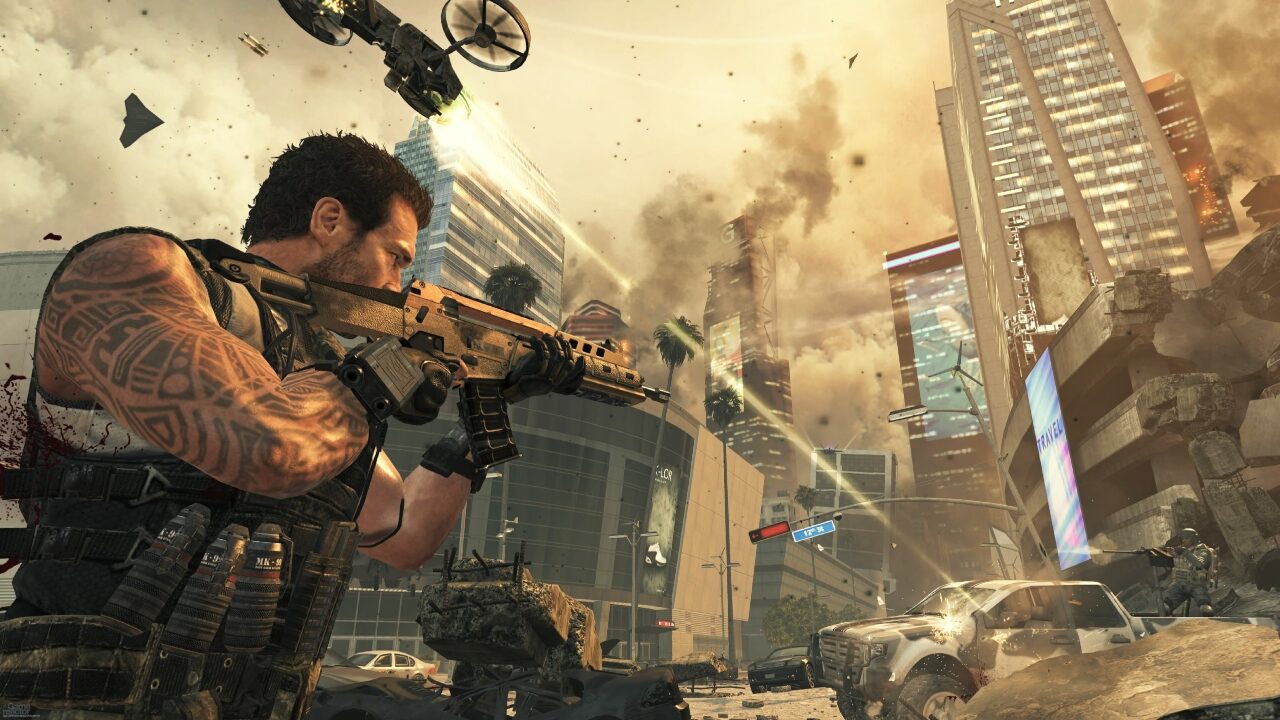
The continued interest in Black Ops II has also highlighted the difficulties of maintaining older online games. Recent security issues affecting the PlayStation versions of the game have shown how classic multiplayer titles can face problems years after launch, with some players reporting account disruptions, unusual activity and other issues linked to hackers.
These incidents demonstrate that successful online games require continued attention long after their original release. Older titles were built during a different period of gaming, so protecting their communities decades later can present new challenges; however, the fact that players continue returning shows the strength of the original multiplayer design.
The renewed attention surrounding Black Ops II also reflects how much value players place on classic gaming experiences. People are willing to revisit older titles when the gameplay remains engaging, competitive and memorable, even when technical problems appear over time.
The influence still seen in modern shooters
Many features that players expect from current multiplayer games can be connected to ideas that Black Ops II helped popularize. Customized loadouts, ranked systems, objective-focused rewards and long-term progression are now common parts of competitive shooters across the industry.
The game demonstrated that multiplayer success requires more than exciting weapons or fast-paced action. Players need systems that reward creativity, encourage improvement and give every match a sense of purpose. When you return to a multiplayer game repeatedly, those details often determine whether the experience remains enjoyable.
Black Ops II also showed the importance of balancing accessibility with depth. New players could jump in and enjoy the action, but experienced competitors could spend hundreds of hours refining strategies and mastering mechanics. Overall, that balance became a valuable lesson for future multiplayer developers.
Why Black Ops II remains important today
More than a decade after release, Black Ops II continues to attract attention because it represented a major moment for online multiplayer. The game combined customization, competition and community engagement in a way that influenced how many players viewed multiplayer experiences.
Its lasting reputation comes from the memories created around it as much as its individual features. You can still see its influence when players carefully design their classes, compete through ranked systems or gather around a game that rewards dedication and teamwork.
The recent discussions surrounding its return to modern platforms also show that players still value the experience. Black Ops II remains significant because it helped demonstrate what online multiplayer could become, creating a foundation that continues to influence competitive gaming today.