
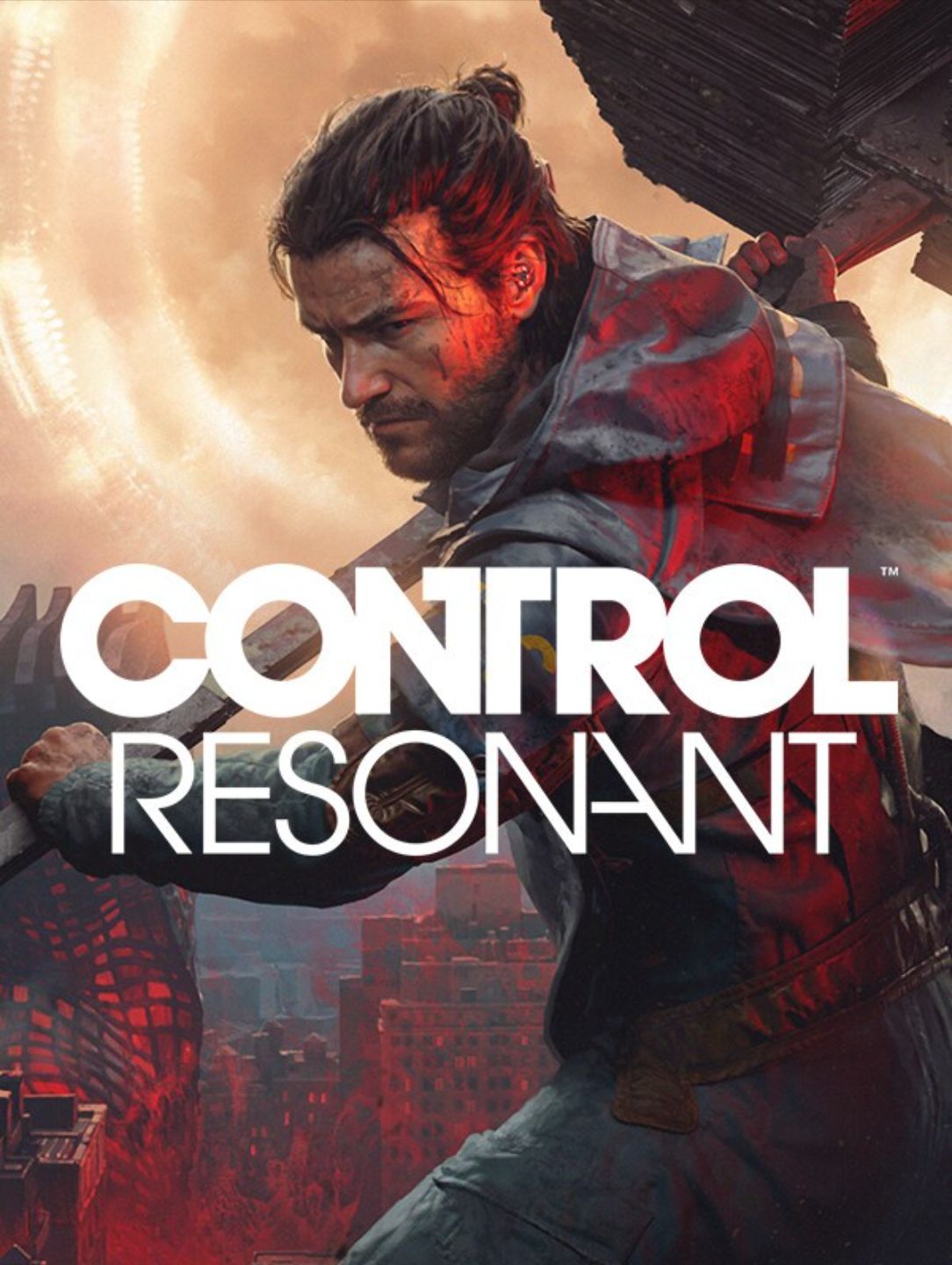

I’ve replayed CONTROL more times than I can count. Something about the Oldest House and Jesse’s journey through looking for her brother and battling the hiss really hits. It doesn’t hurt that the combat and traversal mechanics in it are awesome, not to mention the Ashtray Maze alone being this amazing standout moment where all the elements of the game come together in this amazing, musically charged set piece. So when CONTROL Resonant was set to come out, I was really excited to see how they would expand upon what I consider to be one of the best games of its generation, and what a supercharged X-Files game would be like.
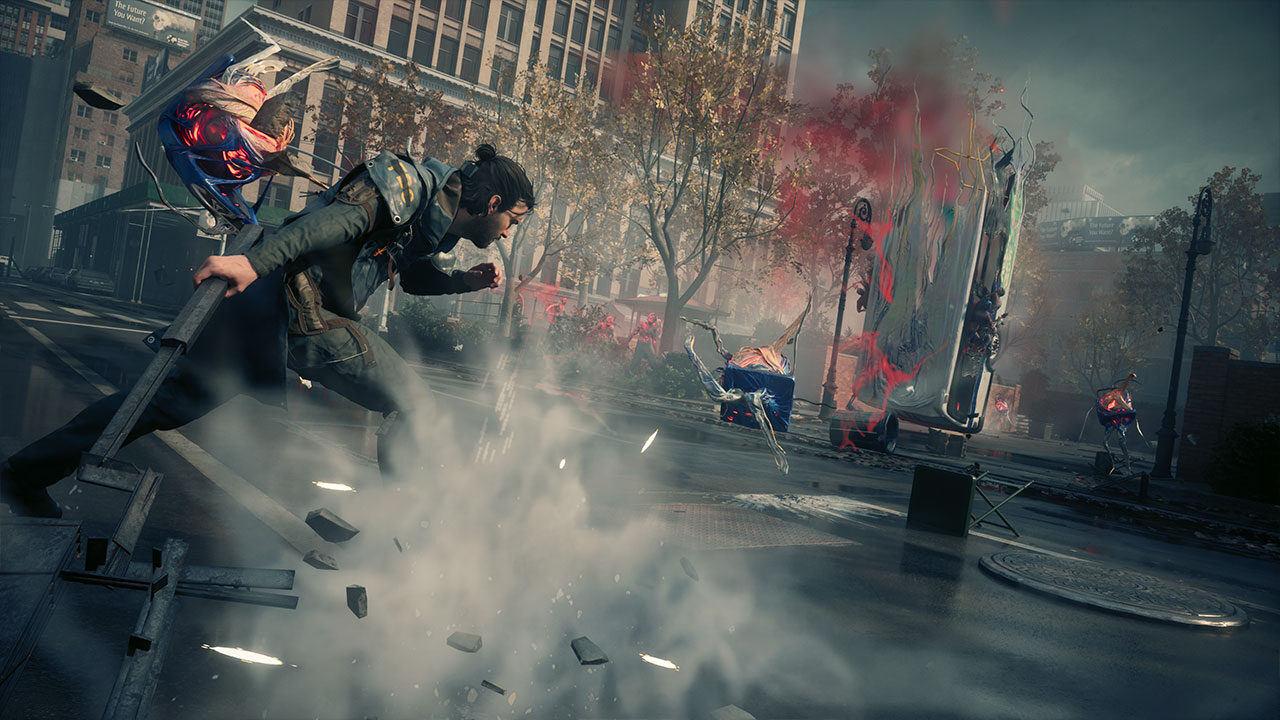
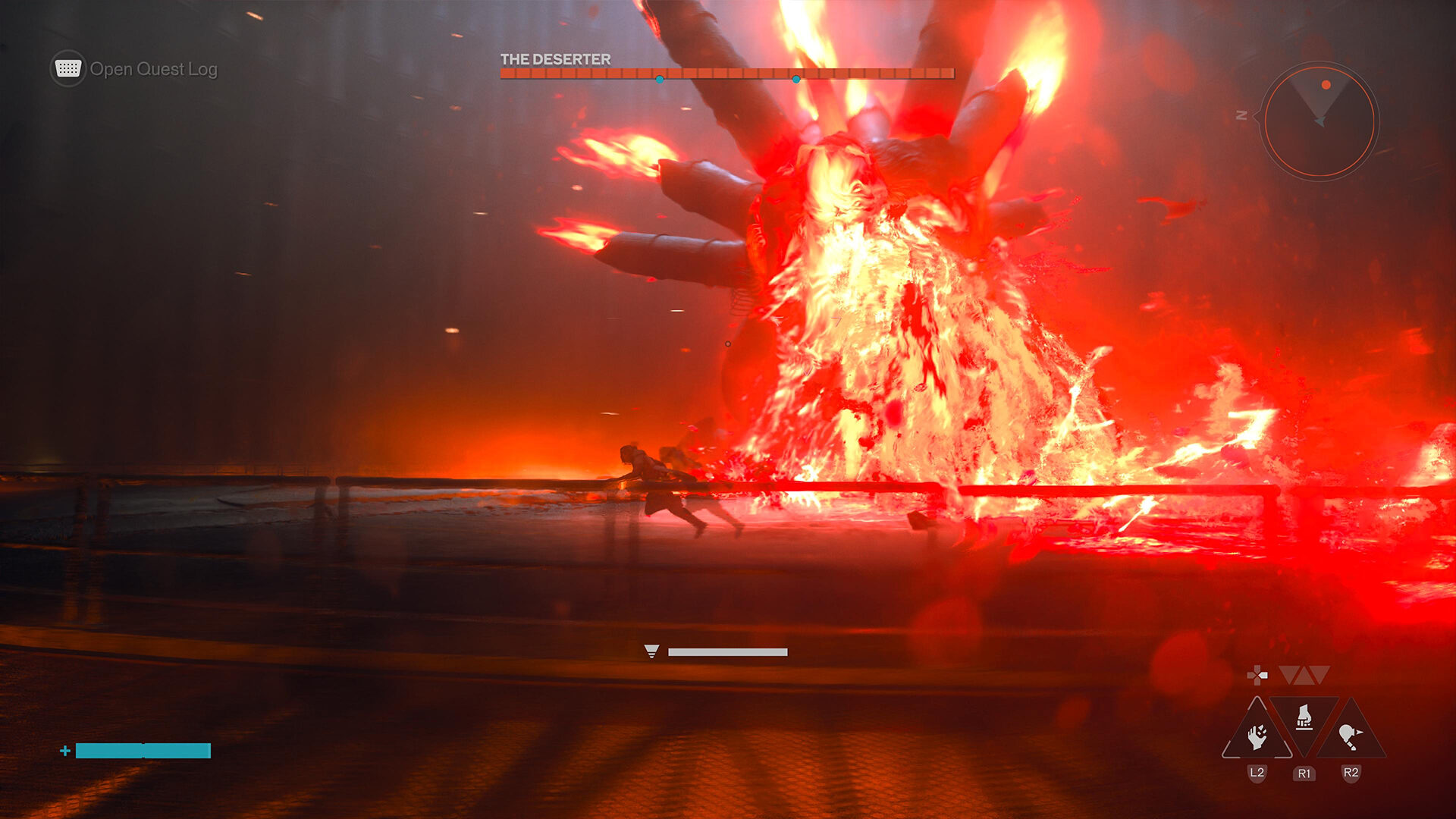
The combat is the obvious place to start, because it’s the thing Remedy changed the most and the thing I have the most complicated feelings about. Jesse’s psychokinetic toolkit is gone, replaced with Dylan’s much more physical, much more aggressive melee-first approach. Rather than swapping between full weapon load-outs on the fly, Dylan works off a set of three quick attacks and three heavy attacks that you choose between and slot in, then chain together in combos alongside his powers. It’s interesting that early on, there is a real weight to the combat and each feels like it lands with momentum. Remedy has leaned hard into something closer to Devil May Cry or Platinum’s back catalogue than anything in CONTROL’s more tactical shootouts, and again for the first several hours, that shift in identity is exciting rather than alarming.
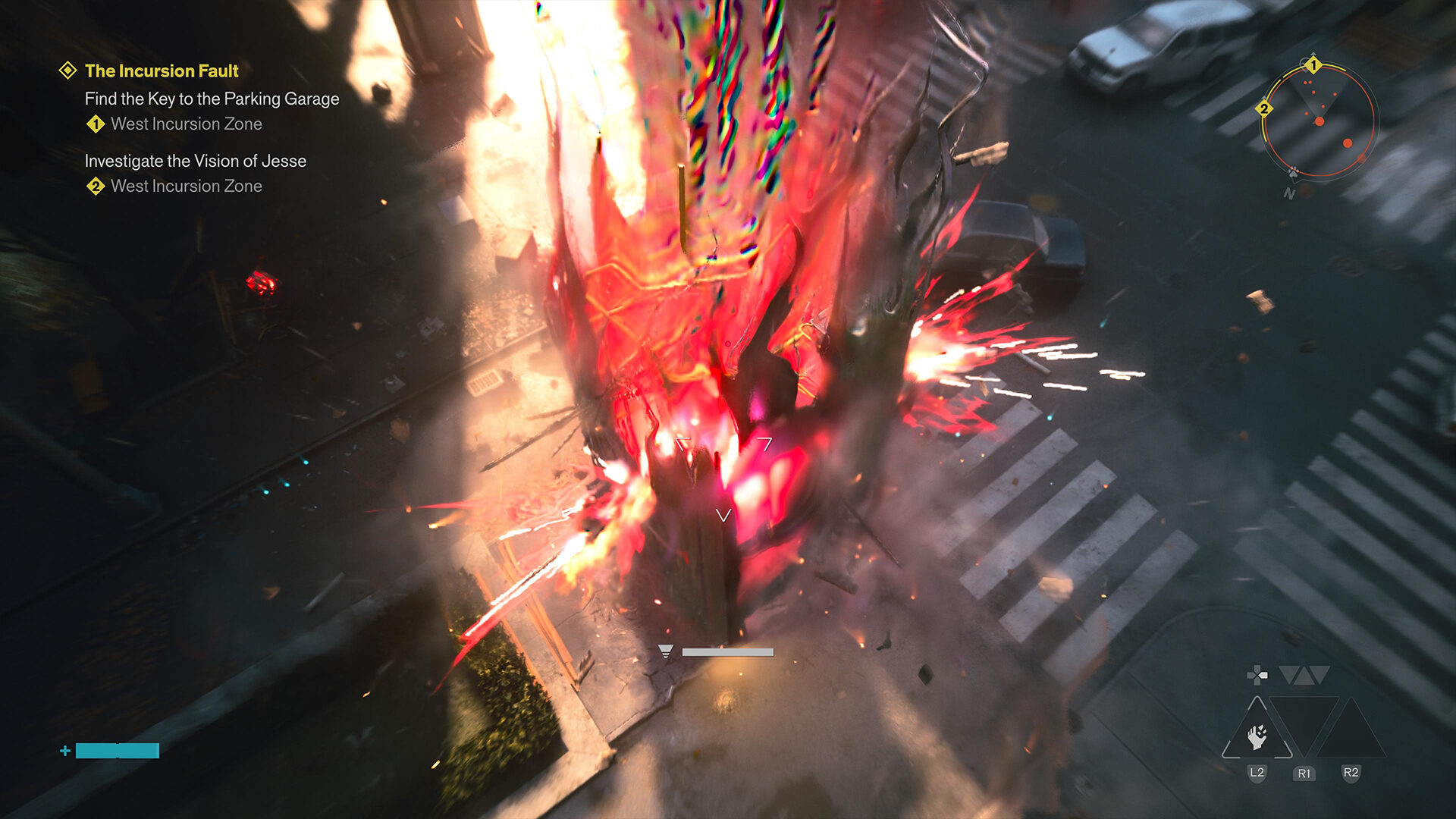
The problem is that CONTROL Resonant never really builds on that opening idea. The combat that feels fresh in hour two feels almost identical in hour twenty, just with bigger numbers attached to it. But, and this is especially noticeable during boss fights and later combat arenas, extended fights start to feel like they’re testing my patience rather than skill, with just the amount of hits it takes to take some enemies down, and what should be a moment-to-moment thrill ride slowly curdles into something closer to a chore. I wanted to love swinging Dylan through a horde of Aberrants right up until the 40th time I did it in an alley or on a rooftop that looked exactly like the last one.
“Story and character work is where CONTROL Resonant still feels unmistakably like a Remedy game, for better and for worse.”
That repetition bleeds into the abilities: Dylan earns his combat powers by taking down Resonants that are the bosses of this world, and upgrading his abilities and weapons happens in The Gap, a psychic space that plays almost exactly like Alan Wake 2’s Mind Place. It’s a smart, series-consistent way to house a much deeper build system than CONTROL ever attempted, split across Combat Abilities, Weapon Upgrades, and Talents, and I respect Remedy fully committing to the action-RPG structure it only flirted with in the original game. But respecting the system on paper is different from being excited by it in your hands. Too many of Dylan’s powers are reskins of things Jesse could do. I kept waiting for one ability to make me sit up the way Levitate or Seize did the first time I used them in CONTROL, and it never quite happened.
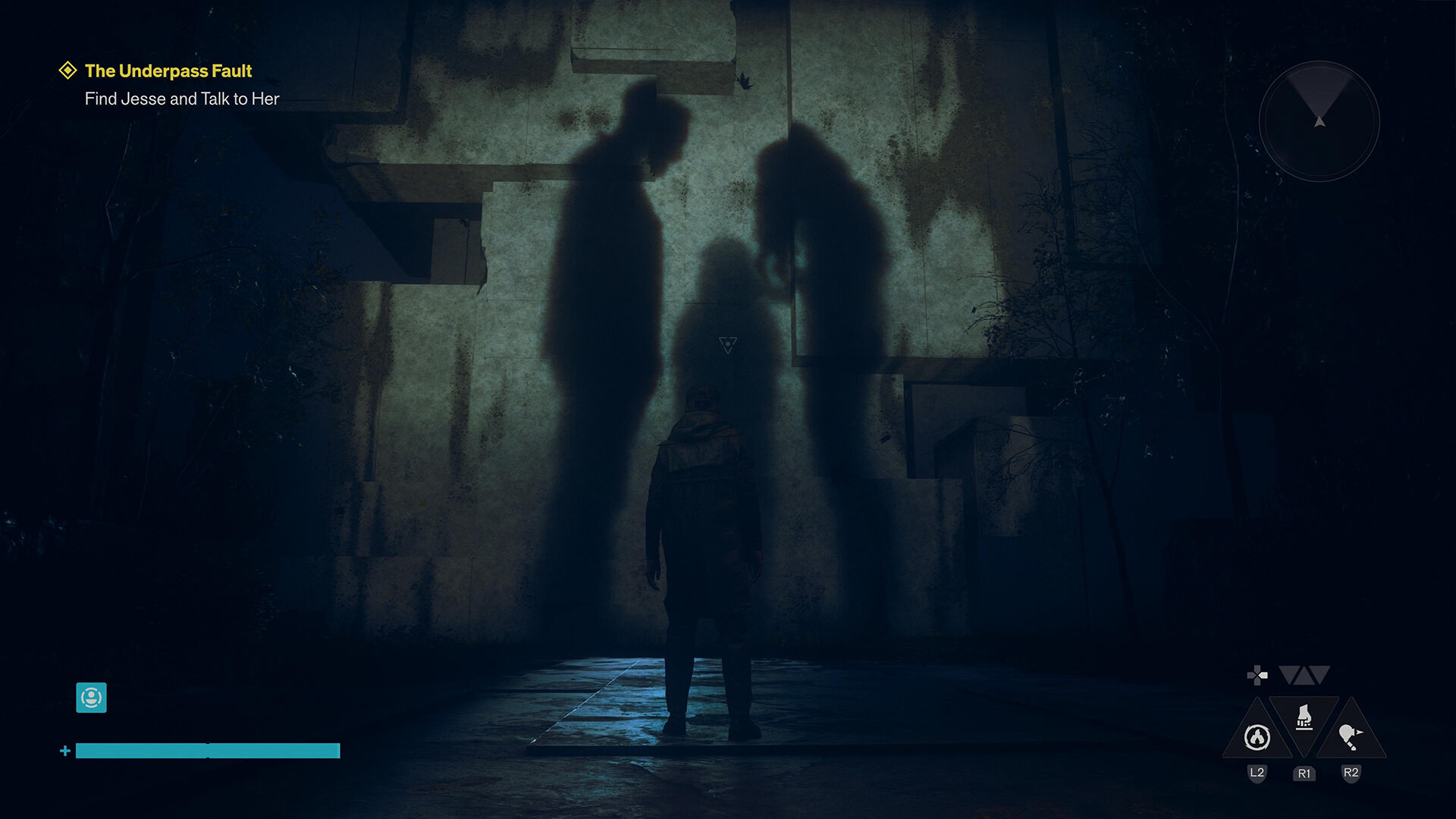
It also doesn’t help that during the game you will come across these Fault areas where you need to do some form of platforming puzzle, learning more about your past with Jesse, but during the first three of these you unlock traversal abilities; after that, the others you don’t gain any sort of power-up, and this is where the game could have really pushed the power sets further. Sure, the gravity-flipping mechanic is interesting, if not an easy way to get confused, but it’s one of the first you get, so instead of pushing Dylan further, it just leads to the feeling that they ran out of ideas.
Upgrading Dylan’s kit of quick and heavy attacks has the same issue. There’s genuinely more room to specialize than the Service Weapon ever offered, letting you lean into a preferred rhythm of light strings and finishers rather than being locked into one tool for the whole game. But variety isn’t the same as depth, and reshuffling which attacks I had equipped rarely changed how a fight actually played out. Upgrading an attack makes the number bigger; it doesn’t meaningfully change the rhythm of combat the way a great upgrade tree should.
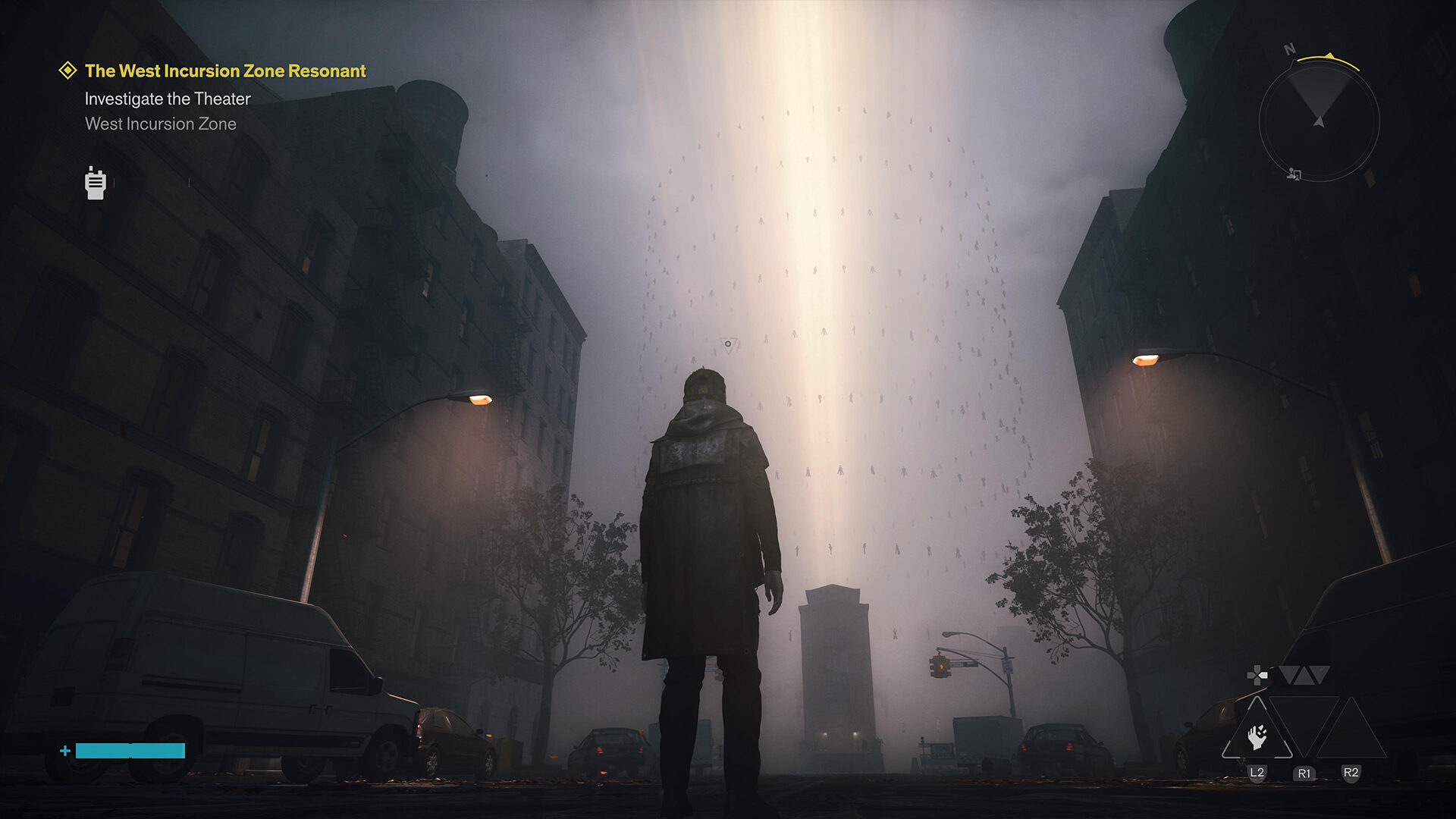
What CONTROL Resonant does improve on the original is the map, and I want to give credit where it’s due. Remedy has openly acknowledged that navigation in the original CONTROL was a mess, and they’ve clearly put real effort into fixing that here. The world is organized around large, distinct zones rather than one sprawling open world, with clear markers for main missions, side quests, and these quick activities that let you raise the level of the zone you are in to get better items in shops, better enemy material drops, and, on the odd occasion, outfits.
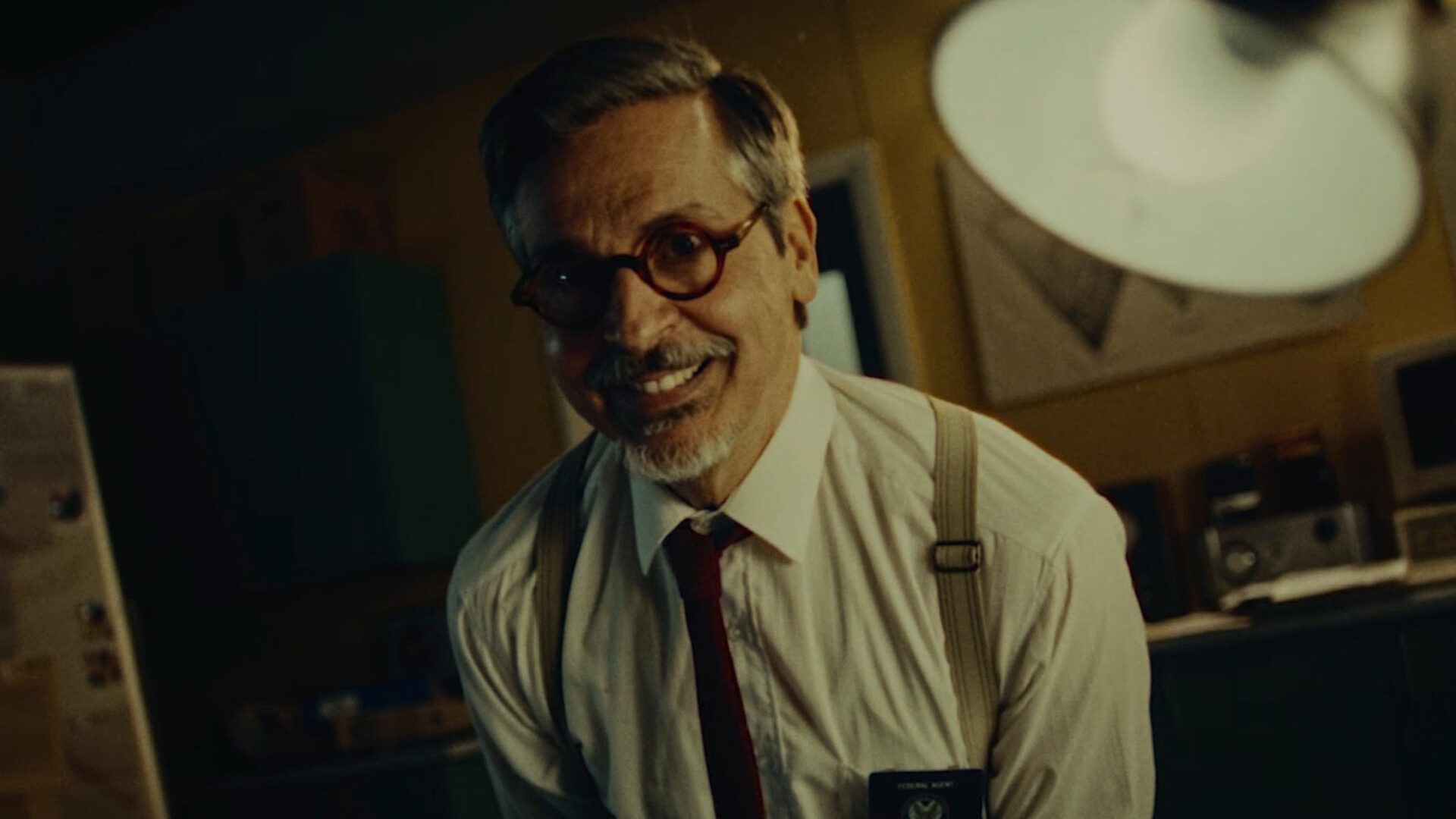
Roughly an hour or two into the story, the world opens up in earnest, spilling out into multiple zones players can tackle in whatever order feels most compelling, hopping between one area’s dangling threads and another’s before diving back into the main path. The side quests themselves land somewhere between quirky and genuinely strange. They’re a highlight, full of the kind of off-kilter FBC bureaucratic humor that made the original game’s side quests so memorable, and exploring them nets you resources, permanent health upgrades, and the odd Artifact for fine-tuning a build. I just wish the mechanical payoff for finishing them felt as satisfying as the writing that surrounds them.
“CONTROL Resonant isn’t a bad game by any means, but for the first time it is a Remedy game that feels like someone trying to imitate its own legacy…”
Story and character work is where CONTROL Resonant still feels unmistakably like a Remedy game, for better and for worse. Dylan is a strong lead, and the FBC’s rogues’ gallery of oddballs remains as strange and endearing as ever. There’s a scene roughly midway through the campaign, one I won’t spoil, that landed with more emotional force than almost anything else Remedy has written, Alan Wake 2 included. It’s the kind of moment that reminds you why this studio’s character work has stuck with players for years, and it’s genuinely the best thing in the entire game.
Unfortunately, the same can’t be said for the finale. The last chapter grinds every ounce of the game’s momentum to a halt, drags on way longer than the story can justify, and resolves in a way that is supposed to have this huge emotional impact, but because of the grind to a halt that happens right before it, it lands flat given everything building up to it. It’s a strange, deflating way to close out a campaign that otherwise understands pacing reasonably well, and it left me more frustrated than satisfied walking away from the credits.
Then there’s the music, which might be the single biggest disappointment for me personally. Every Remedy game of the last several years has delivered one of those transcendent, “step away from the controller for a second” musical set pieces: Alan Wake 2’s Herald of Darkness, the original CONTROL’s Ashtray Maze, even the farmhouse concert from the first Alan Wake. It’s become a signature, a moment you know is coming and still can’t wait for.
CONTROL Resonant clearly knows this too, and it tries, repeatedly, to recapture that lightning. One early sequence, a strange musical detour through a maze of warped living rooms, kitchens, and bedrooms during a mission called the Sinkhole, comes closest, and it’s one of the better stretches in the game precisely because it’s the rare moment where Dylan isn’t fighting anything at all. But Resonant attempts that same trick three or four separate times across the campaign, and outside of that one sequence, none of them land the way they should. When you’ve set a bar that high across three previous games, falling short of it repeatedly stings in a way it wouldn’t for a studio with a less impressive track record.
CONTROL Resonant isn’t a bad game by any means, but for the first time it is a Remedy game that feels like someone trying to imitate its own legacy rather than making a wholly compelling continuation of the Remedy-verse. There is a lot to love here: strange, funny FBC lore, an emotionally moving midpoint, a smarter map than what came before it, and side quests with real personality. But the combat loop wears thin early on, the powers don’t awe or surprise, and the late-game screeching halt undercuts a story that had been building toward something incredible.