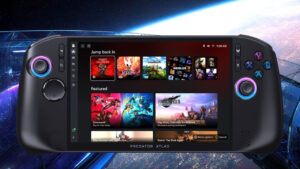


A player-focused look at modern gaming platforms, from usability to overall experience.
The Expanding Gaming Landscape
The gaming world has grown into something pretty hard to pin down these days. It’s no longer just consoles or PC setups like it used to be. Between mobile apps, cloud services, and everything in between, players now have more options than they probably know what to do with.
According to the Entertainment Software Association, the number of people playing games continues to rise year after year. That alone says a lot about how much the space has expanded—but also why choosing a platform now feels a bit more complicated than it once did.
What Players Actually Care About
Most players aren’t really thinking about architecture or technical design when they sign in. They just want things to work. A platform feels “good” when it loads quickly, doesn’t get in the way, and lets you jump into a game without thinking too much about menus or setup screens.
When that doesn’t happen, it stands out immediately.
Performance Sets the Tone

Performance plays a huge role here. Even small delays or awkward navigation can break immersion faster than expected. And as games get bigger and more detailed, expectations around speed and responsiveness have quietly gone up with them.
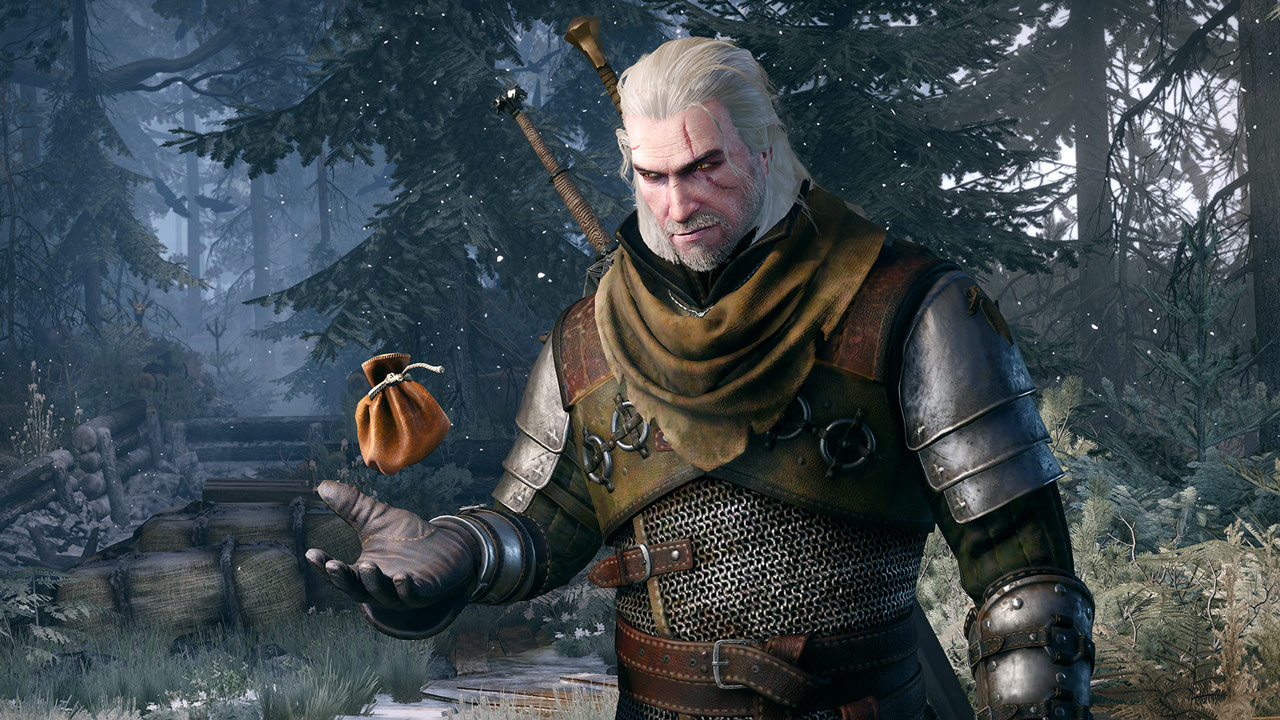
Some of that shift is visible in the kinds of games people now expect to see across platforms. Titles like The Witcher 3: Wild Hunt or Cyberpunk 2077 have set a kind of informal standard for depth and presentation, even if not every game reaches that level.
Social Play as the New Default
Social features have also become part of the default experience. It’s almost strange now when a platform doesn’t include friends lists, messaging, or easy sharing tools. For many players, gaming is just as much about staying connected as it is about playing itself.
Simplicity Matters More Than Ever
There’s also something to be said about simplicity. Overdesigned menus or too many layers between the player and the game tend to get in the way. The best systems usually don’t feel impressive at first glance—they just feel easy to use without thinking about it.
Gaming Across Devices
Mobile play has added another layer to that expectation. People don’t stick to one device anymore, so switching between phone, console, or PC without losing progress has quietly become something players assume will be there.
How Players Compare Platforms
When people are comparing platforms, they often rely on outside guides or reviews. Sites like CGMagazine’s gaming section help fill in that gap, especially when someone is trying to figure out what actually fits their style of play. You also sometimes see comparison lists like “best online casinos in Australia” floating around, which is more of a reminder of how wide the comparison culture around digital entertainment has become than anything else. In the end, though, most players tend to come back to the same basics: does it run well, and is it easy to actually use?
Trust, Stability, and Consistency
Security and reliability matter too, but from a player’s point of view, it usually shows up in simpler ways—like whether accounts feel safe, progress sticks, and crashes are rare enough not to think about.
Features That Support Healthier Play
More platforms are also quietly adding features that encourage breaks or help manage playtime. It’s becoming more common, though not always something players actively look for at first.
Final Thoughts
At the end of the day, what seems to matter most isn’t how advanced a platform looks on paper. It’s whether it gets out of the way and lets you play without friction. The platforms people stick with are usually the ones that don’t make you think too hard about them at all.