

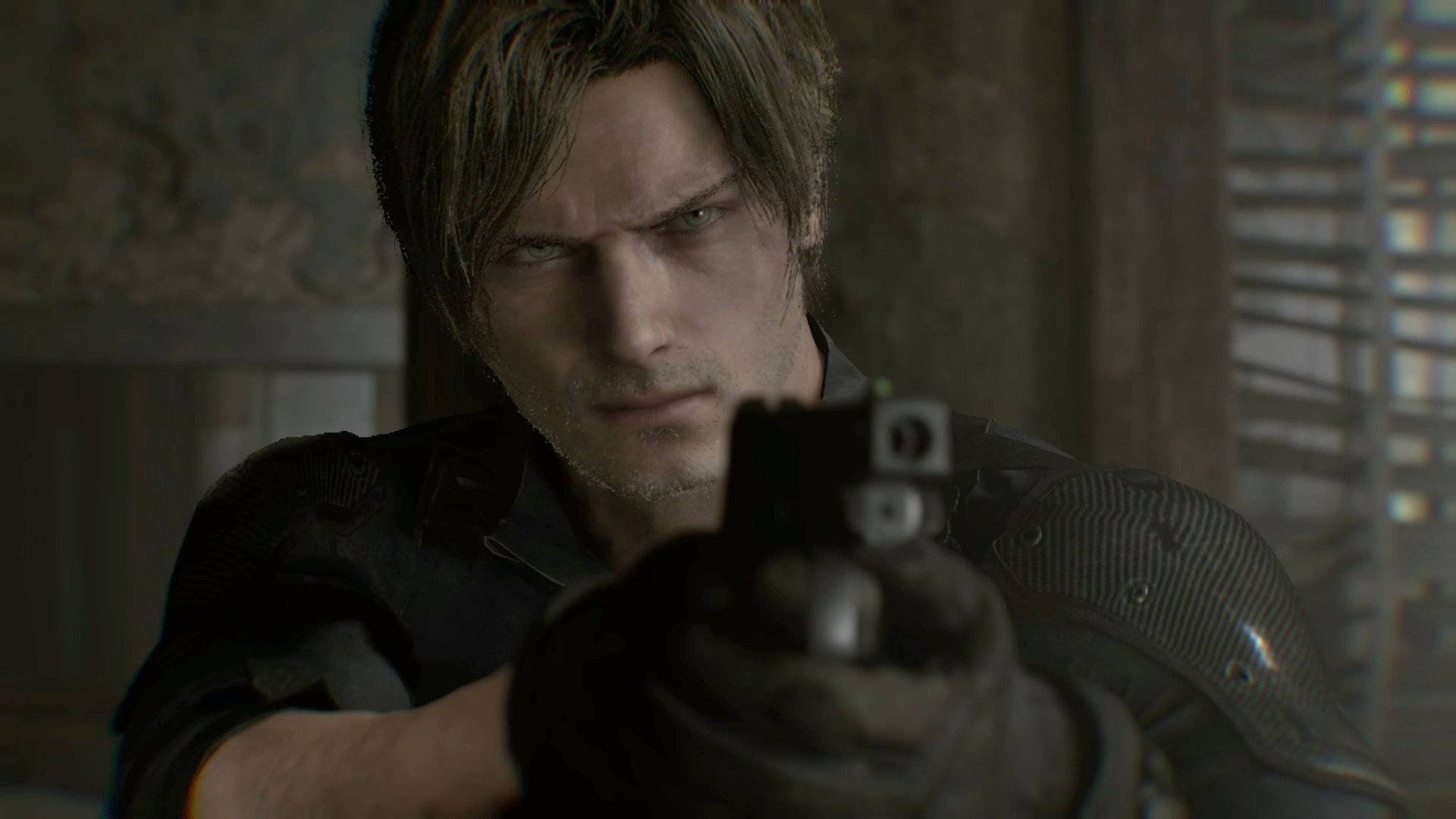
The scariest moment in a horror game is rarely the jump scare. It is the long, quiet stretch before it, when the corridor stays empty a beat too long and every instinct screams that something is coming. Resident Evil Requiem seems built entirely around that principle: the idea that dread is a resource, and the way it is doled out matters just as much as the monster at the end of the hall. From its restructured content plan to the nuts and bolts of its survival systems, the game treats tension as something to be carefully managed rather than dumped all at once.
Dread as a Design Philosophy
Capcom has spent years learning how to stretch a single feeling across an entire experience. Anyone who played the eighth mainline entry remembers how the castle section teased safety, then yanked it away, while the infamous house sequence swapped combat for pure, unfiltered panic. Requiem leans harder into that rhythm. Ammunition is scarce, sightlines are deliberately obstructed, and the audio design does an enormous amount of heavy lifting, seeding unease long before anything actually threatens the player.
What sets the game apart is how consistently it applies this idea. Rather than front-loading its biggest set pieces, Requiem spaces them so that the calm stretches carry weight. That empty room becomes a threat in itself, because the game has trained you to distrust silence. This restraint is the throughline connecting every part of the design, and it explains why the release strategy has drawn so much attention.
A Reworked Release Strategy
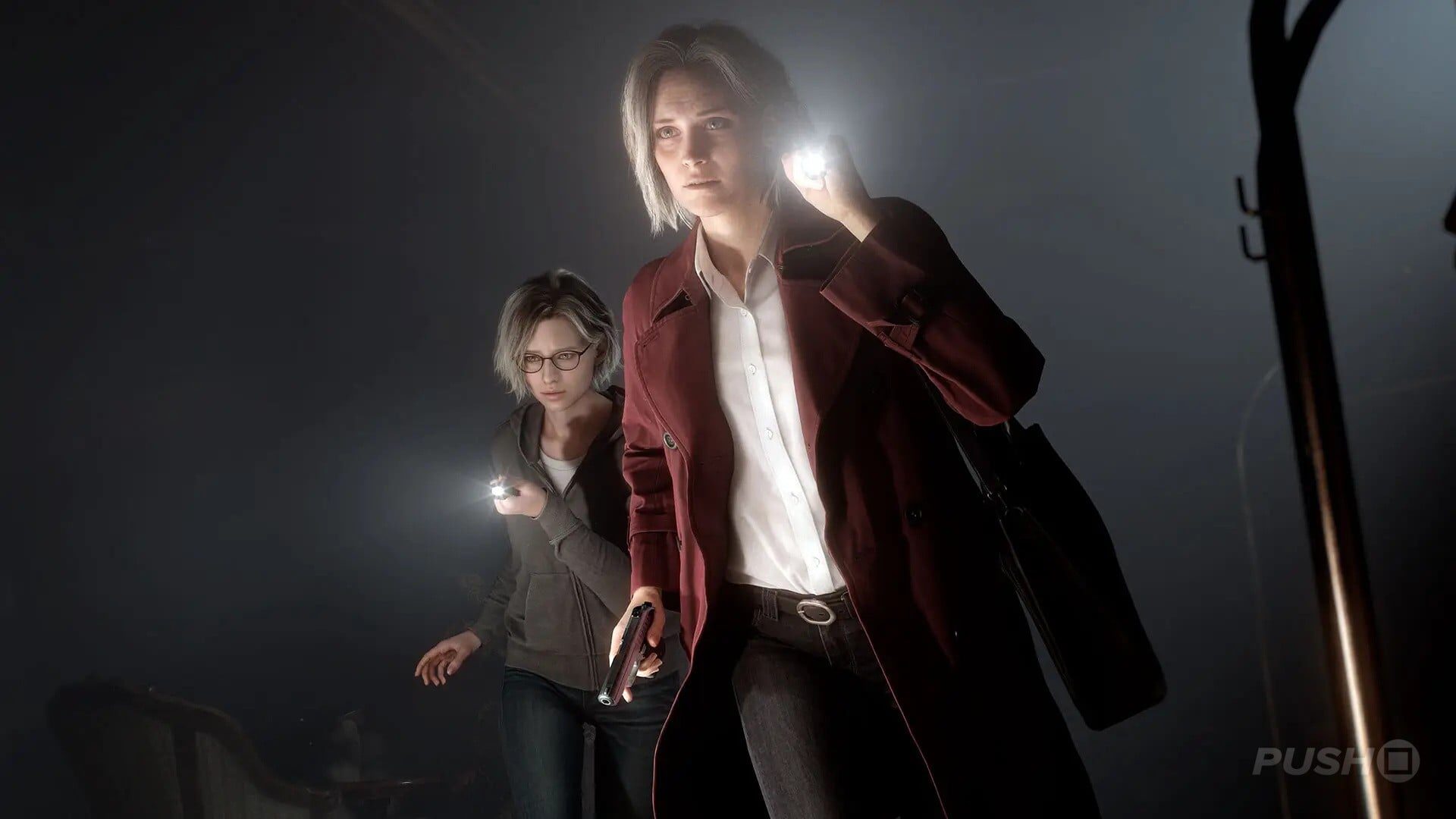
The standout change is how additional content reaches players. Instead of a single massive expansion months after launch, Requiem rolls out smaller, tightly focused chapters that slot into the main story like missing puzzle pieces. Each one reintroduces uncertainty into an experience players thought they had mastered. Just as the map starts to feel familiar and safe, a new segment reshapes a known area, plants fresh threats, and quietly resets the sense of dread.
It is a clever way to keep tension alive over a long tail. Veterans of the series know the strange comfort that sets in once a location has been fully explored and every enemy pattern memorized. By feeding new material into that comfort zone in measured doses, the game refuses to let that safety become permanent. The pacing of the drops mirrors the pacing inside the game itself: never too much at once, always leaving room for anticipation to build.
Survival Systems That Keep You Guessing
Underneath the release plan sits a survival loop engineered for the same effect. Inventory space is tight, healing items are precious, and the game rarely tells the player exactly how much danger is nearby. That uncertainty is the point. Developers have long understood that horror lives in the gap between what a player knows and what they fear, a subject explored thoughtfully in this look at the balancing act of tension in horror design.
The resource scarcity ties directly back to the guiding idea of dread as something rationed. When bullets are limited, every encounter forces a judgment call: fight, flee, or gamble on slipping past unseen. That decision-making mirrors the appeal of other high-stakes leisure pursuits — the same nervous calculation that draws people to competitive shooters, to a tense tabletop showdown, or even to reviews ranking the top bitcoin casinos for anyone who enjoys a bit of risk in their downtime. In Requiem, that tension never fully releases, which keeps the survival loop feeling sharp long after the opening hours.
Learning From the Series’ Own History
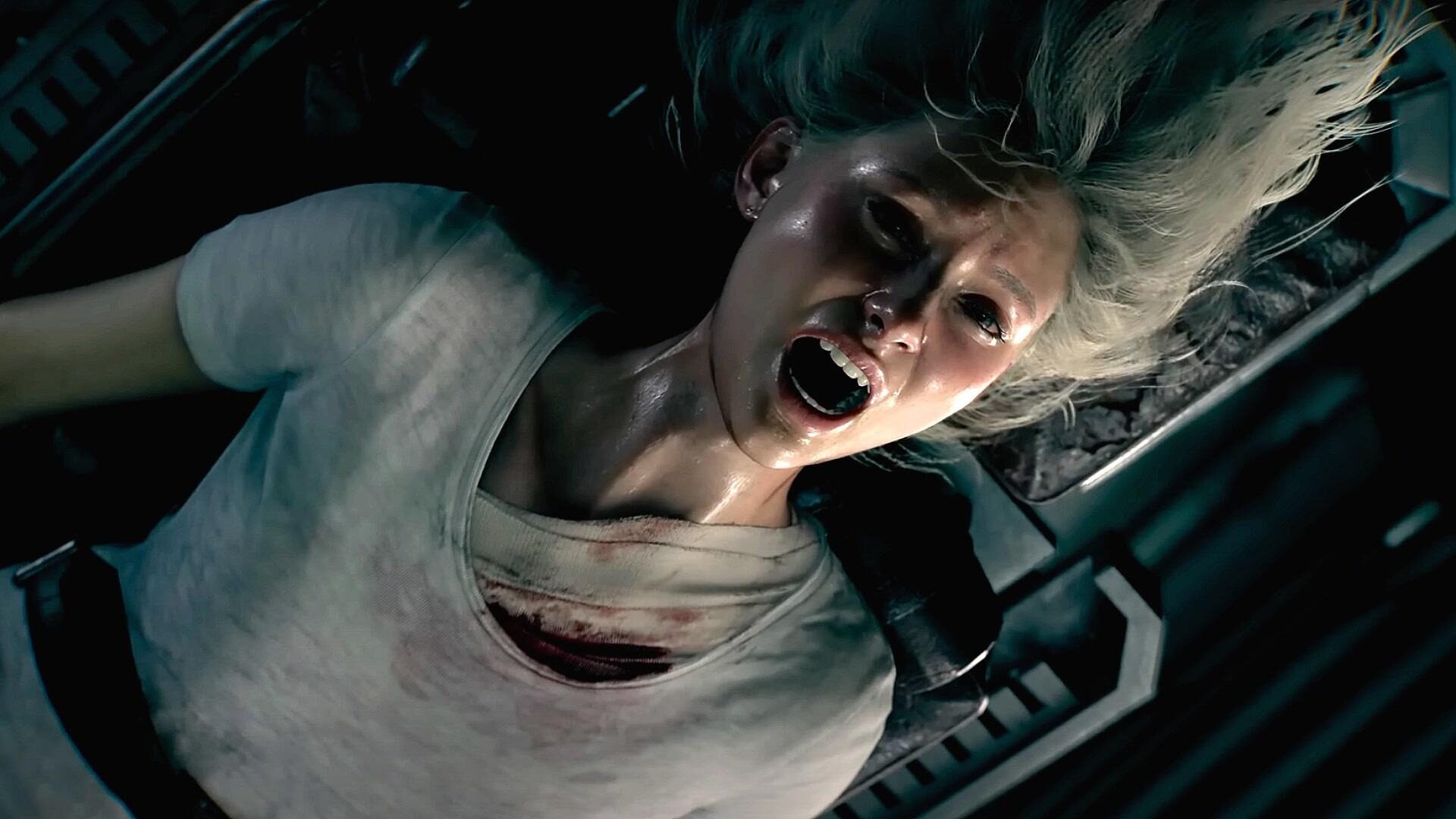
None of this appeared out of nowhere. The franchise has been refining its approach to fear across decades of releases and remakes. Academic work such as this comparative study of remakes breaks down how Capcom reshaped pacing, camera work, and enemy placement when it rebuilt older entries for modern hardware. Those lessons are visible everywhere in Requiem, from the way it frames a doorway to how it delays the reveal of a new enemy type.
The result is a game that feels aware of its own lineage. It borrows the claustrophobic inventory management of the earliest titles, the cinematic staging of the more recent remakes, and the shifting environments that made Village so memorable. Each of those ingredients supports the central goal: keeping the player perpetually off balance, never quite certain when the next quiet moment will curdle into chaos.
Why the Approach Works
Tie it all together and a clear picture emerges. The chapter-based content plan, the miserly survival economy, and the deliberate silences are not separate features. They are three expressions of one idea — that fear thrives on control, on the careful withholding and release of pressure. A jump scare startles for a second. A well-managed sense of dread lingers for hours, colouring how a player approaches every corner and every locked door.
That is the quiet ambition behind Requiem. It does not simply want to frighten players once and move on. It wants to keep them uneasy across an entire campaign and beyond, using its release rhythm to extend that unease into the weeks and months that follow launch. For a series that helped define survival horror, it is a fitting evolution: proof that the space between scares can be just as terrifying as the scares themselves, provided a studio knows exactly how long to let the silence stretch.