
Starting a game studio without outside funding has never been straightforward, but the options available to small teams in 2026 look genuinely different from five years ago. Getting a game in front of real players, building a sustainable revenue base, and iterating without a publisher’s timeline attached are all things a two-person team can pull off now. The infrastructure has caught up with the ambition.
Here is a look at the routes that actually work.
Itch.io
Itch.io remains the purist’s starting point. Developers set their own revenue split with the platform, right down to zero, and have complete control over pricing. The community genuinely seeks out experimental work, and pay-what-you-want models work here in ways they struggle elsewhere.
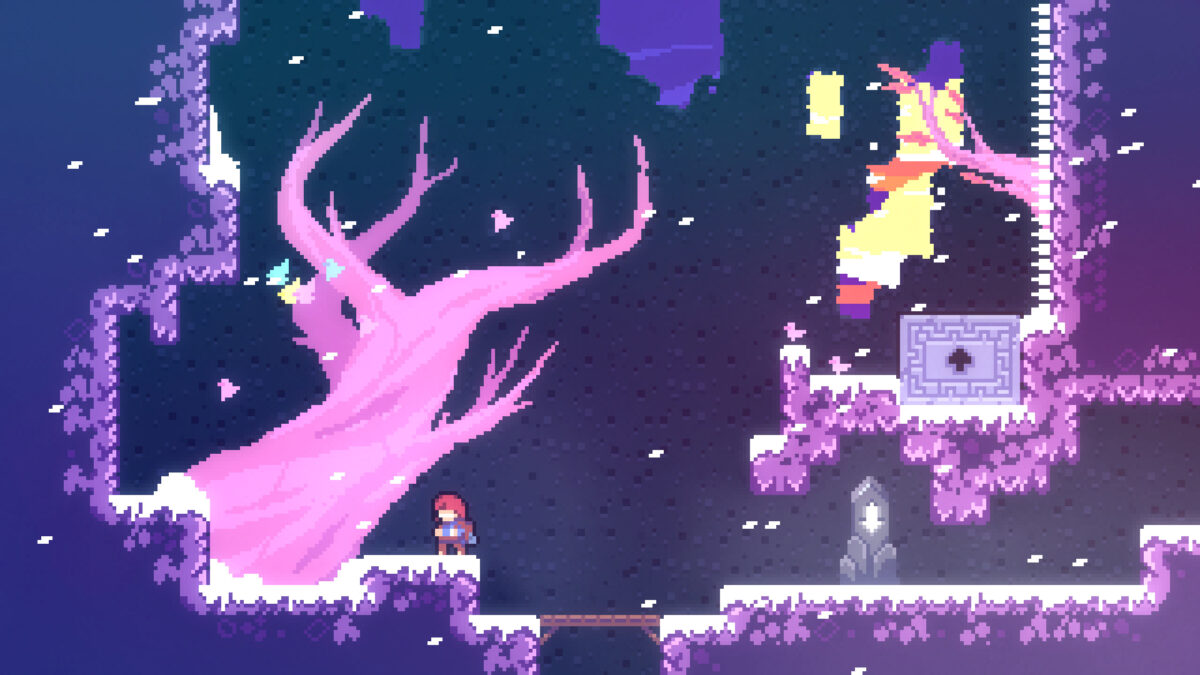
Game jams hosted on itch.io have launched real careers, not because the prizes are meaningful, but because the visibility is. Celeste started as a four-day jam project before becoming one of the most acclaimed indie games of the decade. A well-placed entry can land a studio on the radar of players, journalists, and other developers who otherwise would never have found them.
The ceiling is low if you are chasing revenue. But itch.io is where you prove the concept, build the mailing list, and find out whether anyone actually wants what you are making. It is the cheapest market research available.
Steam Early Access
For studios with something substantial to show, Steam Early Access remains the most established path to meaningful revenue before a full launch. The built-in audience is enormous, and players on Steam have a reasonable tolerance for unfinished work, provided it is communicated honestly.
The catch is that Early Access carries real reputational stakes. Launching too early, going quiet for months, or failing to deliver on a roadmap leaves a permanent mark on the store page. Reviews do not reset.
A page that converts well needs a trailer, screenshots, a clear pitch, and a build that can hold up to streaming. Early Access rewards studios that are already reasonably far along, not those just starting out.
Kickstarter
Kickstarter remains viable, though the dynamics have shifted. The era of a pitch video and a dream raising hundreds of thousands of dollars is largely over for studios without an existing audience. What works now is community-first campaigns, where backers are people who already know the studio’s work and want to fund the next thing specifically.
That makes Kickstarter less of a discovery tool and more of a conversion tool. If you have built a following and those people want to see the project finished, a campaign can turn that goodwill into a development budget. Yaldi Games’ cozy life-sim Out and About is a clean example of this working: the campaign finished at over 370% funded, raising more than £134,000 on the back of an audience that was already bought in. Without that foundation, the numbers rarely work.
Stretch goal structures also deserve scrutiny before launching. Over-promising scope in exchange for backer tiers is one of the cleaner ways to turn a successful campaign into a nightmare.
Poki
Poki sits in a different category because the support it offers goes beyond distribution. It is one of the biggest gaming websites in the world, and it functions more like a publishing partner than a storefront.
The most concrete example is the Poki Playtesting Tool. Developers can run 500-player tests twice daily, with video footage of real sessions and drop-off data showing exactly where people leave. That kind of feedback loop normally requires a publisher relationship or a dedicated user research budget.
Beyond playtesting, Poki provides QA support, optimization feedback, and user acquisition for games that make it onto the platform. Defold has a native Export to Poki button. Unity WebGL builds are supported. Studios that have gone through the process describe it as closer to having a technical partner than submitting to a marketplace.
The platform is curated rather than open submission, so getting on it carries weight. Studios under ten people have built their entire businesses here, without outside investment and without app store fees. Games need to work in a browser and suit the session lengths web players actually have. For studios building in that space, what Poki offers is genuinely hard to find elsewhere.
Picking a Lane
None of these are mutually exclusive. A game might start as an itch.io jam entry, run a Kickstarter once it has an audience, and land on Steam when the scope justifies it. The browser and PC markets are not in competition either.
The more useful question is what the studio actually needs right now. Validation: itch.io. Revenue from a strong build: Early Access. Converting an existing audience into funding: Kickstarter. Infrastructure and real player data without a publishing deal: Poki.
The tools are there. The harder part, as always, is making something people want to play.