

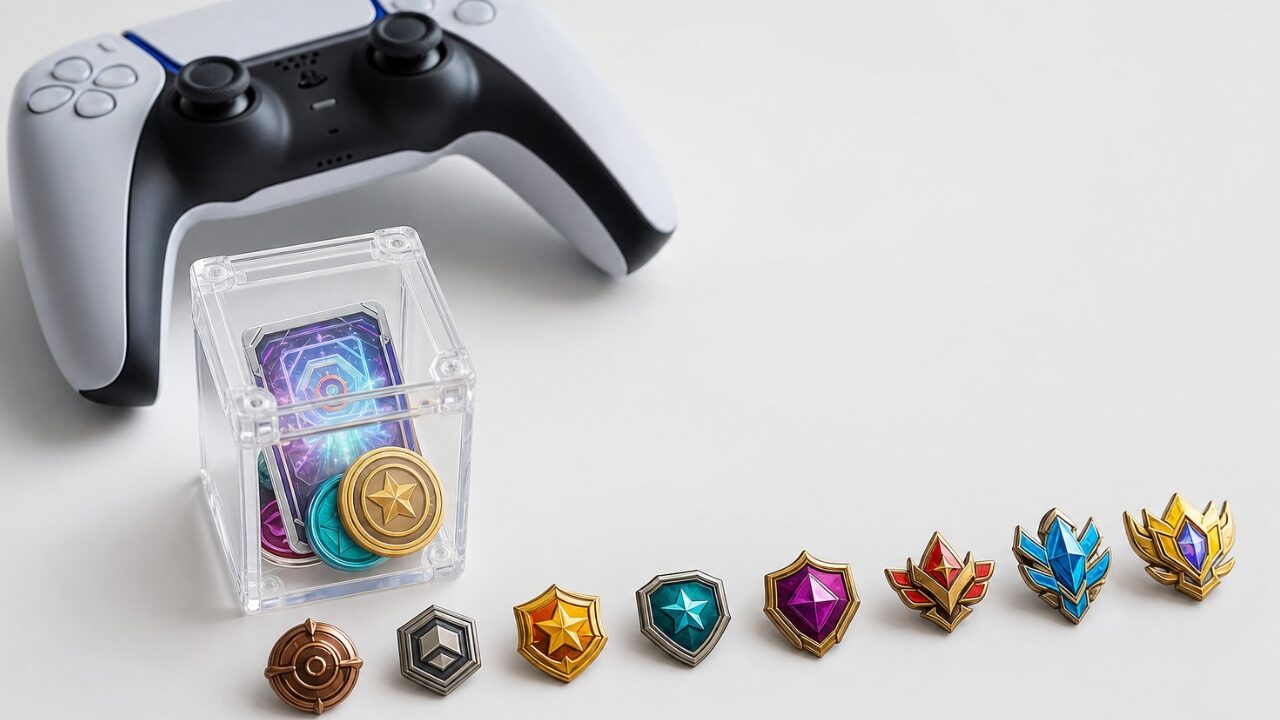
In-game reward systems have reshaped how you experience online gaming, weaving incentives into every session. Evolving from simple bonuses to sophisticated progression models, these systems are now central to player engagement. Understanding their development sheds light on why they remain a critical part of game design and player satisfaction.
As online platforms have competed to hold your attention, reward systems have become a defining feature of game communities and long-term engagement. Whether you explore seasonal updates or daily login bonuses, the drive to earn unique items or status creates extra layers of motivation. Some players turn to guides like how to play penny slots to understand how variable reward concepts can influence excitement and engagement in gaming. Recognizing these patterns helps explain the broader appeal and persistence of structured in-game rewards systems.
The shift from basic unlocks to persistent progression
The beginnings of in-game reward systems were straightforward, focusing on activities like completing a level to earn points, unlocks, or visual badges. These features provided simple recognition and quick feedback for your achievements, but they did not always keep players returning day after day.
Developers soon added daily login streaks, tiered badges, and broader achievement systems that tracked your efforts across activities. This progression-based approach created ongoing goals, encouraging you to keep playing in order to reach specific milestones over time.
As these systems matured, platforms standardized progress tracking across multiple games, making it possible for you to compare achievements with friends and the wider community. The shift gave in-game rewards systems added value, cementing them as key drivers of long-term involvement.
Seasonal content and live service models transform engagement
The modern live service approach changed how rewards are structured, introducing seasonal progress paths, limited-time events, and rotating challenges. With these updates, in-game reward systems became more dynamic, offering new objectives at regular intervals and keeping gameplay experiences fresh.
The battle pass format is now a cornerstone of seasonal design, letting you earn cosmetic items, upgrade tokens, or exclusive bonuses in proportion to your progress throughout the season. This model creates anticipation for the next unlock, supporting a steady rhythm of engagement.
Limited-time events further energize participation, encouraging you to play during special windows to collect unique rewards. By combining seasonal content with recurring challenges, in-game reward systems continually present you with new incentives and time-limited opportunities to advance.
Random elements, virtual economies, and player trust
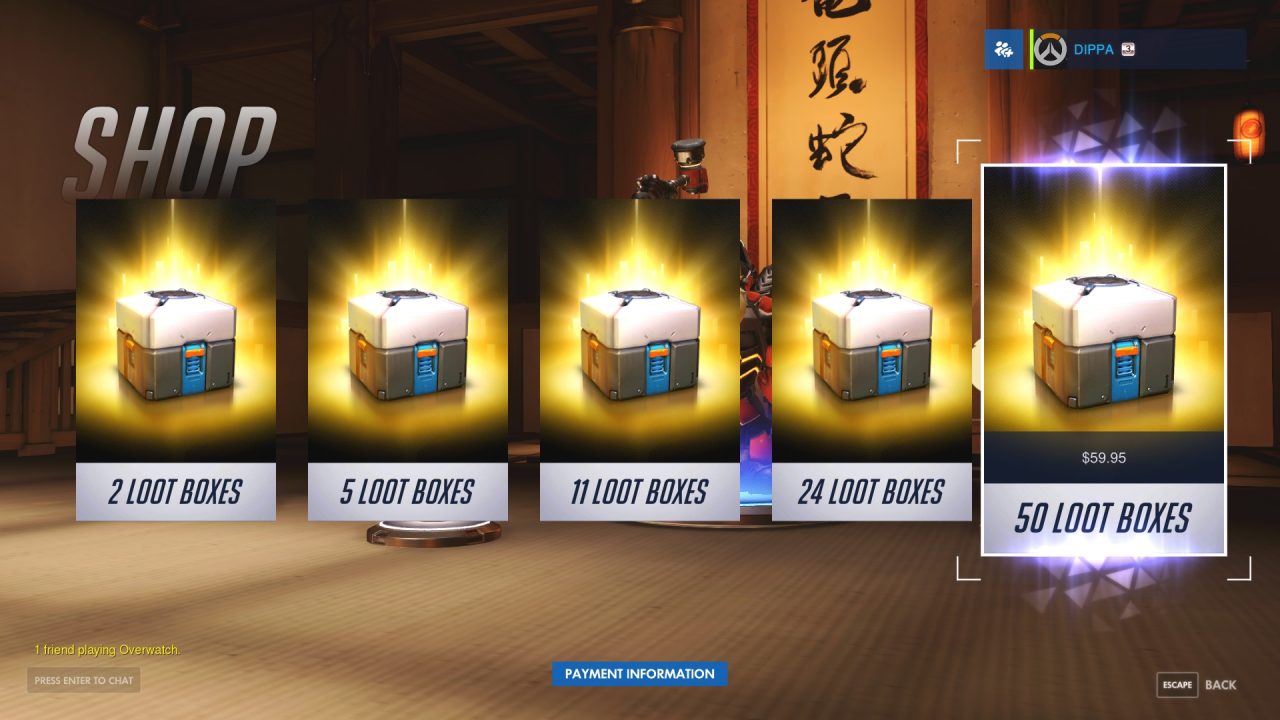
Randomized mechanics such as loot boxes or reward chests add another dimension to in-game reward systems, introducing unpredictability and variety. These features can heighten excitement by turning each reward into a moment of chance, yet they also raise questions around fairness and disclosure.
Industry standards increasingly require clear communication about drop rates and odds, aiming to build trust as you navigate virtual economies. Soft currencies and premium currencies are often featured alongside randomized rewards, each serving distinct functions within an integrated economic system.
You encounter storefronts built around carefully managed “sinks” (ways to spend) and “sources” (ways to earn), balancing currency inflows so progression feels satisfying. In recent designs, developers seek equilibrium between transparency, value perception, and enjoyment, and in-game reward systems play a leading role in these adjustments.
Game studios monitor player sentiment and spending behavior, using examples from a range of online gaming scenarios to understand the differences between pure chance and predictable progression in wider online game design. Sustaining engagement is closely linked to ensuring that rewards feel both attainable and meaningful within carefully managed economic loops.
Personalized rewards, player experience, and future directions
With player data now informing modern design, in-game reward systems have become more adaptive. You might see challenges that adjust to your skill level or segmented tracks that provide relevant bonuses based on your playstyle, all refined through active experimentation.
This focus on personalization extends to account-wide unlocks and cross-progression rewards, allowing you to carry achievements across titles or devices. By giving you more control over which rewards to pursue, designers aim to reduce grind and respect your time, balancing engagement with accessibility.
As these systems evolve, they increasingly account for fairness, perceived value, and cognitive load. Developers explore how to provide attainable goals without overwhelming you or making progression feel like a chore, prioritizing enjoyment as much as reward collection within complex in-game reward systems.