
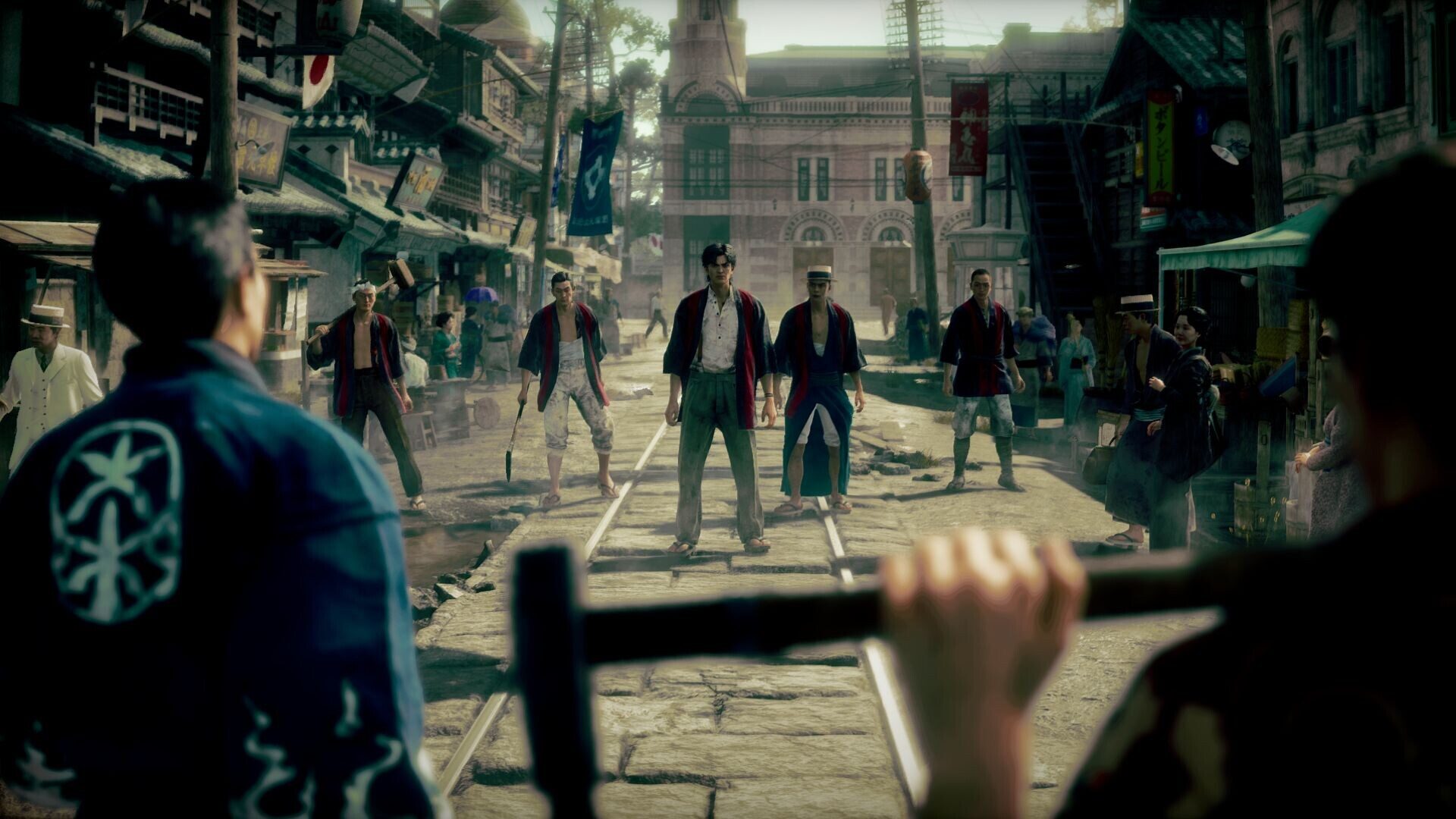
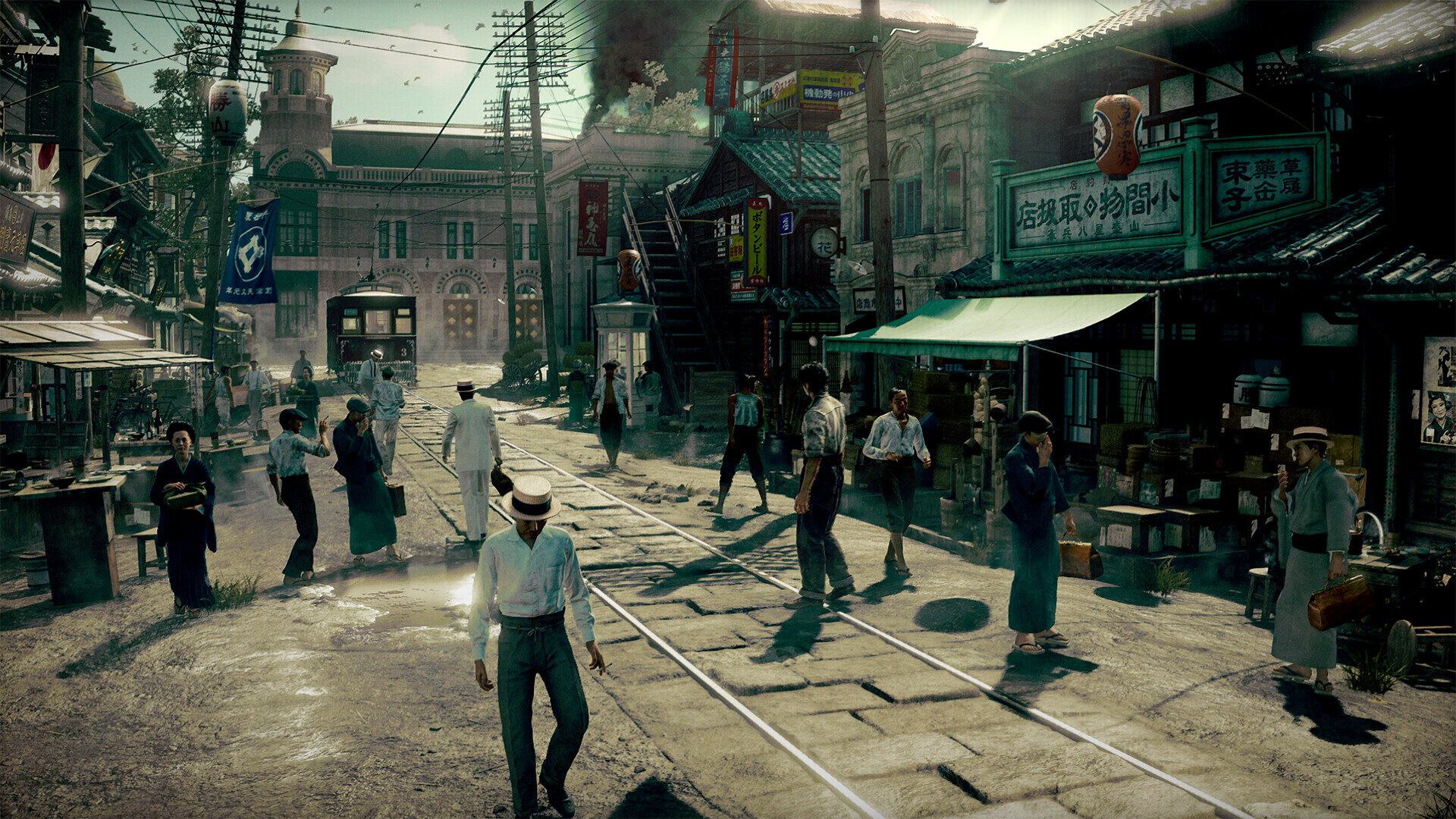
Going into Summer Game Fest, I figured I’d walk away from STRANGER THAN HEAVEN talking about the setting. That’s usually how it goes with Ryu Ga Gotoku Studio. This is a team that has made a career out of building places that feel real, from the neon sprawl of Kamurocho to the tourist glitz of Sotenbori to the sun-bleached streets of Hawaii. Every trailer for this game has leaned into a strange, unplaceable atmosphere and a timeline that jumps around in ways nobody has fully explained yet. All the ingredients were there for the mystery and the world-building to be the headline.
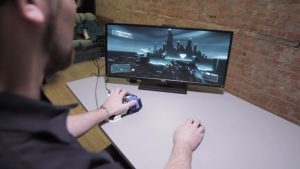
Instead, I sat through a combat demo and came out the other side thinking almost exclusively about the controller in my hands, and that’s not something I expected to write, and it’s not something I expected to feel. But the control scheme that I learned during my STRANGER THAN HEAVEN preview might be the single most interesting thing I saw all week, and I say that fully aware of how many big-budget announcements were competing for attention in the same room.
Here’s the thing about action games: they tend to run on a shared mindset of how a controller should work and feel. A face button for your light attack, another for heavy, dodge and maybe, if we are lucky, a jump. Then some combination of triggers and face buttons layered on top for special attacks. You learn the grammar once, and you can basically read every game in the genre from then on.
STRANGER THAN HEAVEN feels less like an arcade action game like the previous Yakuza games, and more like a FromSoftware game.
The control scheme maps each trigger to one of your character’s hands. Left bumper and trigger control the left side of the body, right bumper and trigger control the right. On paper, that sounds like the kind of idea that could easily become a mess, something that would take some controller retraining, and some luck. In practice, once you actually get a controller in your hands, it settles in fast and feels natural almost immediately.
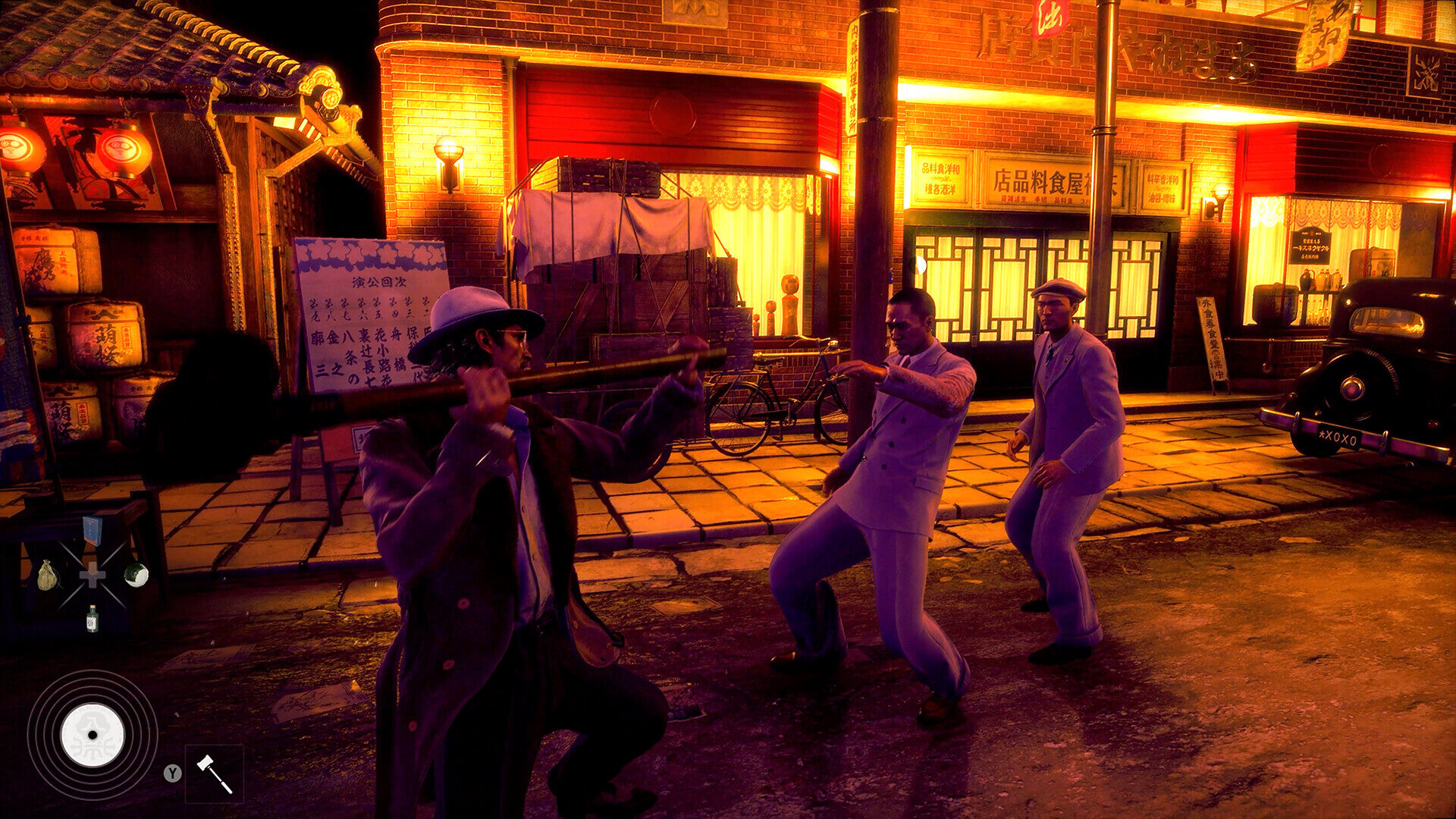
What that control scheme does to combat encounters is hard to overstate. In the three fights I got to play through, combat stopped feeling like wildly flailing or tapping and started feeling like there was actual strategic positioning you could take. You can jab with one hand to create space and follow up with a heavier strike from the other. A grab doesn’t have to end where it starts; it can roll straight into something else depending on what you do next. There’s a constant, low-level decision-making process running through every exchange, and it never really lets up.
I went in braced for a learning curve, trying to learn this different control scheme wrapped around a Yakuza game. Watching the trailers, I assumed there’d be a period of trying to wrap my head around this possibly awkward control scheme. But that didn’t really happen. It took maybe a minute for the logic of it to click, and once it did, the relationship between movement, spacing, and individual attacks felt intuitive in a way that reminded me, oddly enough, of Dark Souls, not in tone or pacing, but in that specific sensation of a system that rewards attention.
There’s a difference between a mechanic you notice and a mechanic you stop noticing. Plenty of games never get past the first stage. You’re aware of the system at all times, consciously working around its edges instead of through them. The good ones eventually vanish into the background, and what’s left is just you making choices. From what I played in this demo, STRANGER THAN HEAVEN is the latter, and it might get there faster than most.
“But the control scheme that I learned during my STRANGER THAN HEAVEN preview might be the single most interesting thing I saw all week…”
That matters because of what usually happens to action games over a long playthrough. You find the combo that works, and you lean on it. Encounters start to blur into repetitions of the same back-and-forths with enemies. The two-handed system here seems built specifically to resist that. Because each hand is doing something independently, there isn’t a single dominant string to fall back on. Every fight I played through had a genuine unpredictability to it, not because I lost control, but because there were simply too many responses at any given moment for a pattern to fully form.
Games that make you feel strong are common. Games that keep me actually engaged, moment to moment, are rarer. STRANGER THAN HEAVEN is aiming for both, and based on what I saw, it isn’t far off.
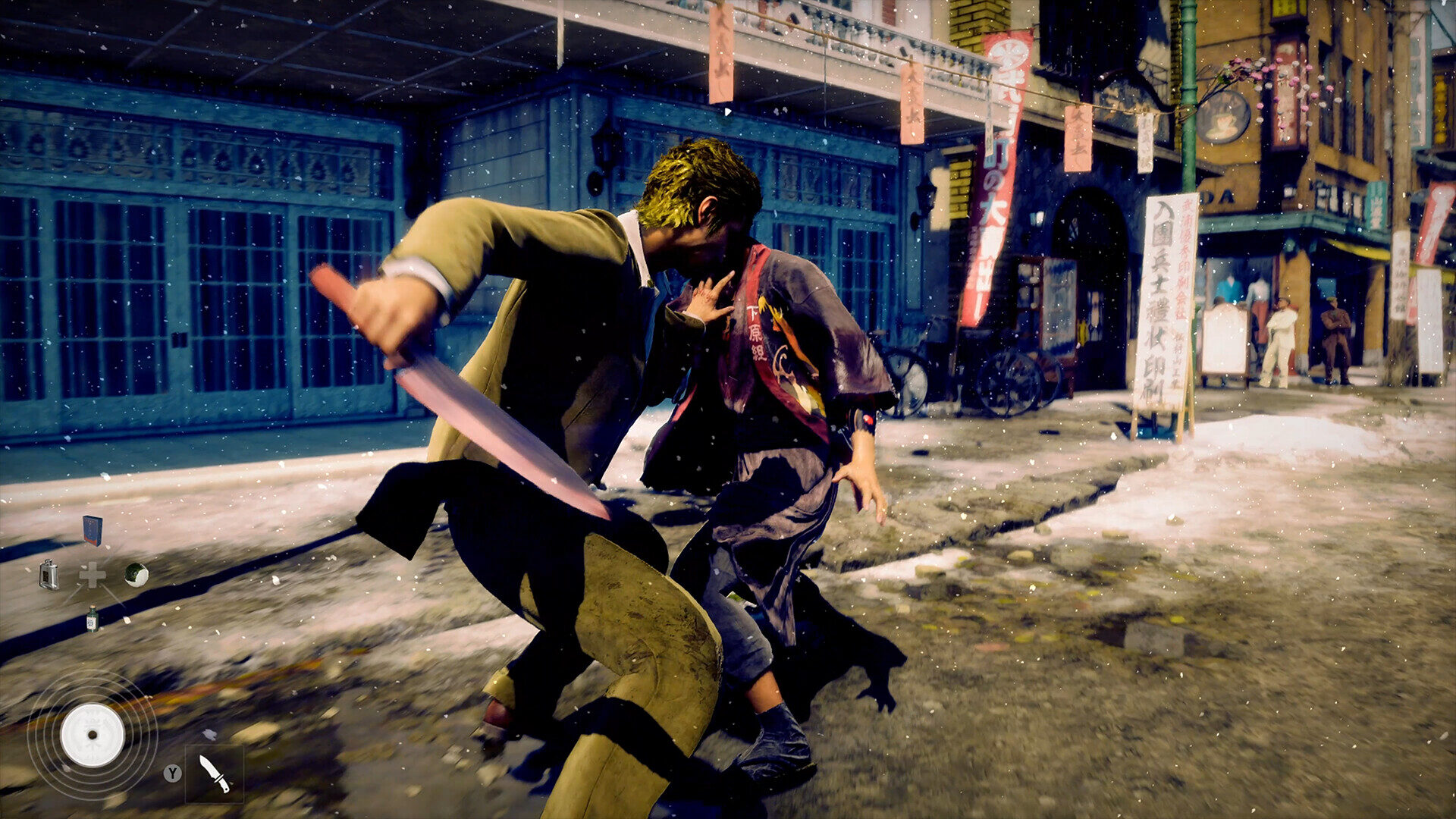
The physicality and brutality on display help sell it. RGG Studio has always had a gift for making violence look like it hurts, and that carries over here in full force. Hits land with weight, enemies react as they mean it, and the fights themselves have a scrappy, unpolished quality that suits the game’s tone. These don’t read as choreographed martial arts showcases. They read as people trying to survive something that could go sideways at any second, and the independent-hand control scheme only shows that chaos in a good way.
It would have been easy for RGG Studio to build another excellent, familiar action game and call it a day. Nobody would have pushed back on that. Instead, they built something that risks alienating players in the first ten minutes for the sake of a system that pays off over the long haul. That’s a harder sell, and a much more interesting one.
I came into this preview expecting the setting and the mystery to be the takeaway. They’re still there, and they’re still compelling. But it’s the combat that’s stuck with me since the demo ended, and it’s the reason STRANGER THAN HEAVEN just jumped several spots up my most-anticipated list.
STRANGER THAN HEAVEN launches January 15th, 2027, on PlayStation 5, XBOX Series X|S, and PC.