

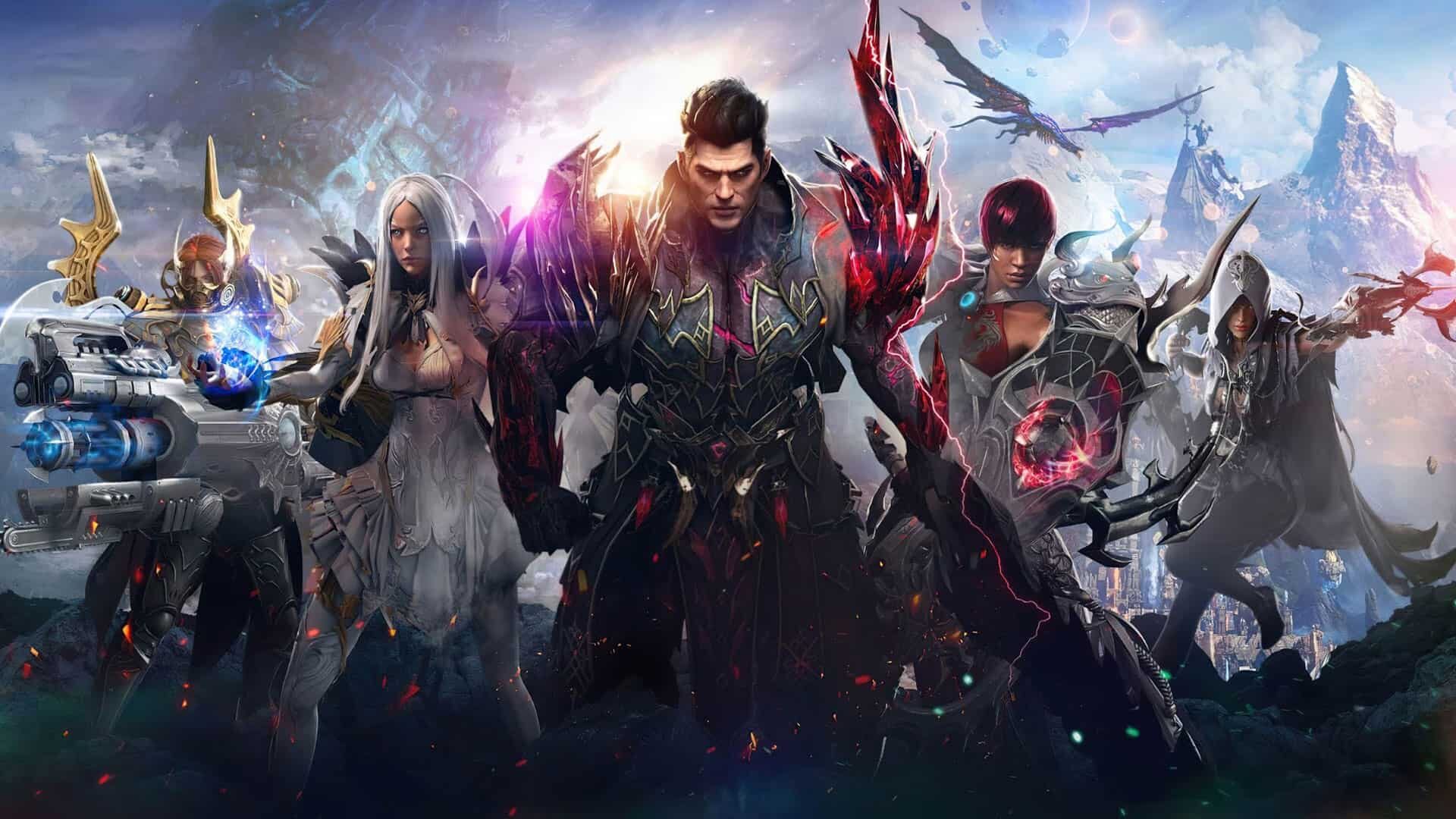
Online gaming has evolved dramatically over the past decade. What was once largely limited to PCs and consoles connected to basic multiplayer servers has become a sophisticated digital ecosystem powered by artificial intelligence, cloud computing, advanced graphics, high-speed networks, virtual reality and increasingly intelligent security systems. In 2026, technological innovation is not simply improving games, it is changing how they are developed, distributed and experienced.
Artificial Intelligence Is Transforming Gaming
Artificial intelligence is one of the most important technological developments affecting online gaming. Developers are increasingly using AI throughout the production process, including for programming, quality assurance, character behaviour and content creation. Research from Boston Consulting Group indicates that around half of game studios are now using AI in some part of development, while thousands of games on Steam disclose AI applications.
AI is also changing the experience for players. Traditionally, non-player characters (NPCs) operated according to predetermined scripts. New AI systems can make characters more responsive to player behaviour, potentially creating conversations, strategies and reactions that feel less predictable.
Another important application is personalization. AI can analyse gameplay patterns and adjust recommendations, matchmaking and difficulty levels. Instead of delivering exactly the same experience to every player, future online games can increasingly adapt to individual preferences and abilities.
Cloud Gaming Removes Hardware Barriers

Cloud gaming is another major advancement. Rather than requiring a powerful computer or console to process a game locally, cloud platforms can perform much of the computational work remotely and stream the results to a player’s device.
This creates significant opportunities for accessibility. Players may be able to access demanding games using relatively inexpensive hardware, provided they have a sufficiently fast and stable internet connection. According to BCG’s 2025 gaming survey, 60% of players had tried cloud gaming and 80% of those respondents reported a positive experience.
Cloud technology also makes game distribution more flexible. Players can potentially move between computers, smartphones, tablets and other compatible devices while retaining their accounts and progress. As infrastructure improves, the distinction between traditional console gaming and cloud-based gaming is likely to become increasingly blurred.
Faster Networks Improve Multiplayer Experiences
Online gaming depends heavily on network performance. Improvements in broadband, Wi-Fi and mobile connectivity are therefore directly influencing multiplayer experiences.
Lower latency means that actions can be transmitted between a player’s device and game servers more quickly. This is particularly important for competitive games, where even small delays can affect the outcome of a match. Faster networks also support larger multiplayer environments, real-time communication and cloud-based gaming.
The development of 5G and future network technologies could further expand mobile gaming and make sophisticated online experiences possible in more locations. The European Commission identifies low-latency, high-throughput networks alongside cloud-edge computing, AI and extended reality as important foundations for future virtual worlds.
Virtual and Augmented Reality

Virtual reality (VR) and augmented reality (AR) are also pushing online gaming toward more immersive experiences. VR headsets can place players directly inside digitally created environments, while AR overlays digital elements onto the physical world.
Although VR has not replaced conventional gaming, technological improvements are making immersive experiences more sophisticated. Better displays, tracking, processing power and interaction systems allow developers to create increasingly convincing virtual environments.
The broader development of extended reality is also significant beyond gaming. The European Commission describes virtual worlds as persistent immersive environments combining technologies such as 3D, XR, AI, cloud computing and other digital systems. Gaming is one of the areas helping to drive these technologies forward.
Advanced Graphics and Real-Time Rendering
Graphics technology continues to advance rapidly. Modern graphics processors can produce highly detailed environments, realistic lighting and sophisticated visual effects. Ray tracing, for example, can simulate the behaviour of light to create more realistic reflections, shadows and illumination.
At the same time, technologies such as AI-assisted upscaling allow games to deliver high-quality images while reducing the amount of processing required to render every pixel natively. These developments are particularly valuable for online games, where developers want impressive visuals without sacrificing performance.
Cross-Platform Gaming
Another important development is the growth of cross-platform gaming. Players are increasingly able to participate in the same online communities regardless of whether they use a PC, console or mobile device.
Cross-platform progression can also allow players to maintain accounts, achievements and purchases across multiple devices. This creates larger player communities and reduces the barriers created by different hardware ecosystems. BCG identifies the convergence of console, PC and mobile platforms as one of the major forces shaping gaming’s next phase of development.
Improved Security and Fair Play

Technology is also being used to make online gaming safer and fairer. Advanced anti-cheat systems can analyse player behaviour and identify suspicious patterns, while machine-learning tools can help detect bots, cheating software and other forms of manipulation.
Security technology is particularly important as online games become increasingly connected and valuable. Account protection, encryption, identity verification and fraud detection all play a role in protecting players and developers.
The Future of Online Gaming
The next generation of online gaming will likely be defined by the combination of these technologies rather than by any single innovation. AI can create more dynamic experiences, cloud computing can make games accessible across devices, faster networks can improve multiplayer performance, and VR and AR can make digital worlds more immersive.
At the same time, technological advancement creates challenges involving privacy, cybersecurity, intellectual property, responsible AI and the quality of rapidly generated content. BCG notes that the increasing use of AI could produce enormous quantities of new games and content, making discovery and curation increasingly important.
Ultimately, technology is making online gaming more accessible, connected and interactive. As these innovations continue to mature, the definition of what it means to play a game online is likely to change considerably. The future could bring virtual worlds that are more responsive, personalized and persistent than anything available today, turning online gaming into an increasingly sophisticated form of digital entertainment and social interaction.