

In-game physics has changed how players understand digital worlds. Older games often used simple tricks to make action feel believable. A bridge collapsed because a developer planned it. A barrel rolled because an animation said so. Nothing truly reacted to the player.
Modern game physics works differently. Objects collide, break, fall, bounce, float, and explode with far more freedom. Real-time simulations now help virtual worlds feel alive, unstable, and responsive. This shift changed gameplay, level design, animation, and player expectations.
From Illusion to Interaction
Early game worlds were built around scripted events. Developers created fixed outcomes for specific moments. A wall cracked only when the story needed it. A door opened in one exact way. A character fell using a prepared animation.
These methods were not weak for their time. They helped games run on limited hardware. Designers could control pacing, drama, and performance. Every event stayed predictable, which made testing easier.
Still, scripted physics had limits. Players could often sense when the world was fake. If a crate could move in one scene but not another, immersion broke quickly. The environment looked interactive, yet it rarely behaved that way.
Why Scripted Events Worked So Well
Scripted events were useful because they gave developers control. A dramatic explosion could always look cinematic. A collapsing floor could always support the story. Nothing unexpected ruined the scene.
These systems also saved memory and processing power. Old consoles and computers could not calculate complex motion every frame. Developers had to fake weight, impact, gravity, and momentum with clever shortcuts.
A scripted approach is usually offered:
- stable performance during action scenes;
- predictable animations for important story moments;
- simpler testing across different hardware;
- stronger control over visual timing;
- fewer random bugs during gameplay.
Because of these benefits, scripted design remained common for years. Even today, many games still combine planned sequences with dynamic physics.
As real-time simulations became more advanced, developers increasingly relied on accurate physical models to make virtual environments behave believably. Growing complexity has also made game physics an important area of study for students who want to understand how these systems are built and applied. While working through challenging topics in motion, force, and collision, some learners use physics assignment help to clarify difficult concepts and connect theory with practice. Increasing overlap between education and game development highlights how closely modern simulations are tied to real scientific principles.
The Rise of Physics Engines
As hardware improved, developers started using physics engines. These tools could calculate movement, force, mass, and collision during gameplay. Instead of animating every object by hand, teams allowed systems to solve motion automatically.
A physics engine can decide how a box slides down stairs. It can calculate how a vehicle reacts after hitting a wall. It can also control how debris spreads after an explosion. These reactions happen while the player is playing.
This change gave games a stronger sense of material reality. Wood, metal, glass, cloth, and water could behave in distinct ways. Virtual objects no longer felt like painted scenery.
Rigid Bodies, Collisions, and Momentum
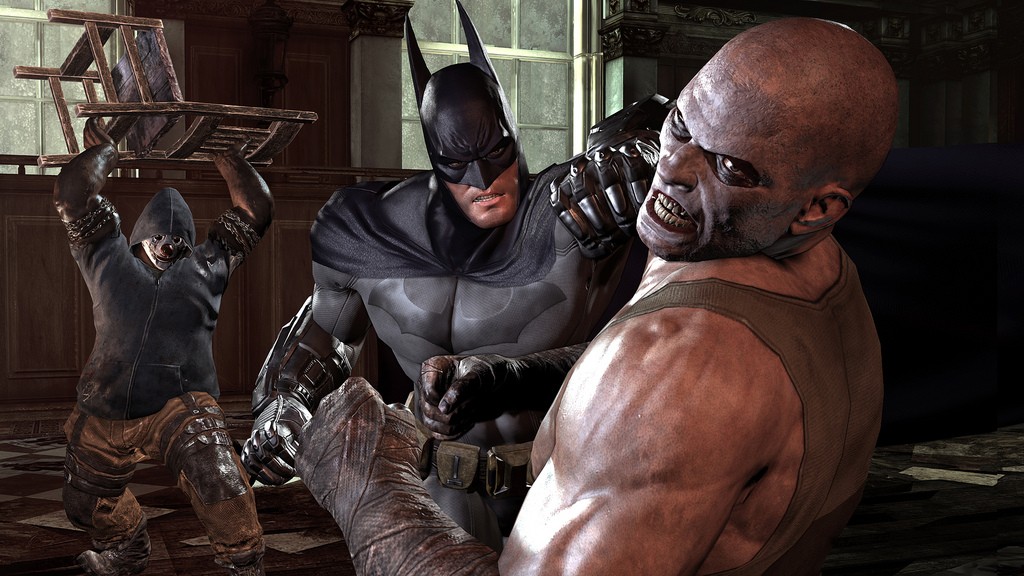
Rigid-body physics became one of the biggest steps forward. It made solid objects respond to gravity, impact, and rotation. A chair could tip over. A tire could roll downhill. A weapon could knock items from a table.
Collision detection also became more advanced. Games needed to know when objects touched, overlapped, or blocked each other. Better collision systems made movement feel fairer and more natural.
Momentum added another layer. A fast car felt different from a slow cart. A heavy object pushed back with more force. Players began to notice weight through movement, not just visuals.
Ragdolls and the End of Fixed Falling
Character animation also changed through physics simulation. Older games often used fixed death animations. An enemy fell the same way each time, no matter where they stood. The result could feel repetitive.
Ragdoll physics changed that. Characters became connected bodies with joints, weight, and balance. When hit, they reacted to nearby walls, stairs, weapons, or vehicles.
This created a more natural movement. It also made combat feel less predictable. A character falling from a balcony no longer followed one exact path. The scene reacted to space, force, and timing.
Blending Animation and Simulation
Pure ragdoll movement can look loose or strange. Because of that, modern games often blend animation with physics. A character may start with a crafted motion, then shift into a dynamic reaction.
This hybrid method gives developers the best of both worlds. Animators preserve style and personality. Physics adds surprise, impact, and environmental contact.
The same idea appears in procedural animation. Characters can adjust feet on uneven ground. Creatures can shift balance during movement. Sports games can model tackles with greater variety.
Destructible Environments and Player Freedom
Real-time simulations also changed how players interact with game spaces. Destructible environments made worlds feel less like stage sets. Walls could crumble, glass could shatter, and buildings could react to pressure.
When destruction works well, it changes strategy. A player may create a new path through a wall. The cover can disappear during a firefight. A battlefield may look different after every encounter.
This freedom makes gameplay more personal. Two players can solve the same problem in different ways. The environment becomes part of the mechanics, not only background art.
The Challenge of Dynamic Worlds
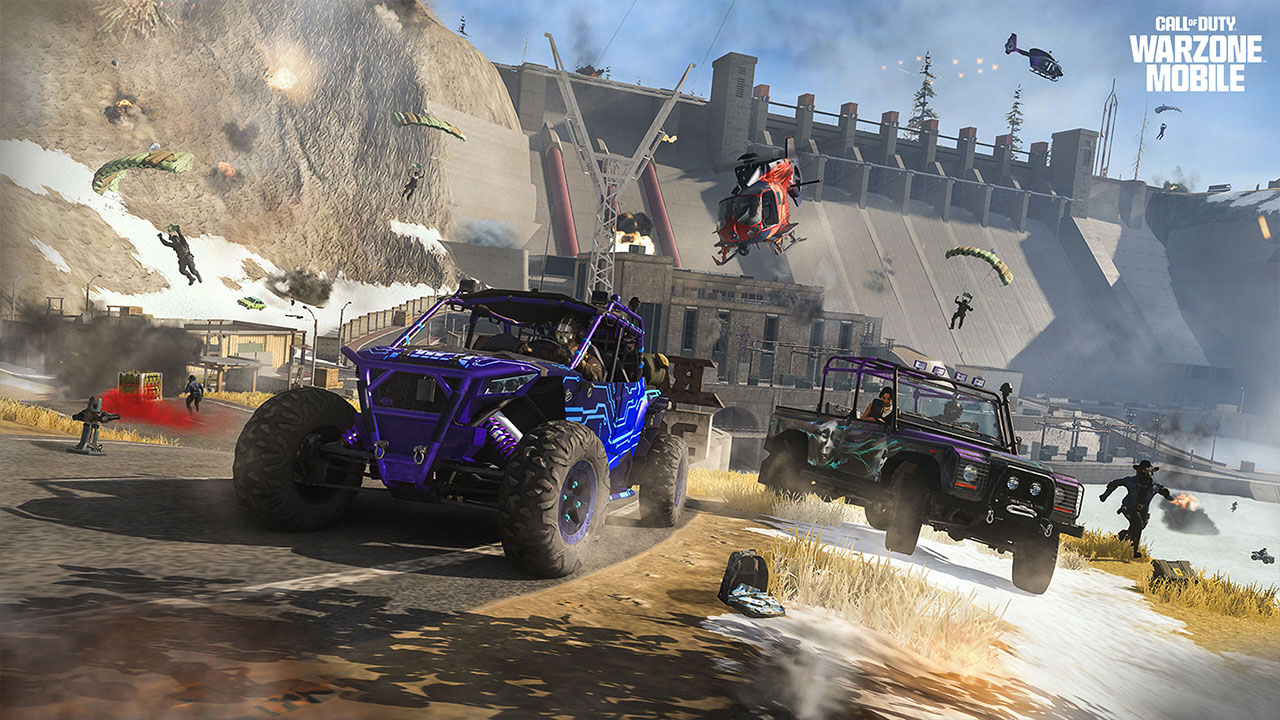
Dynamic physics brings technical problems. A fully destructible city can demand huge processing power. Every broken piece needs collision, sound, lighting, and sometimes network synchronization.
Developers must decide what simulation deserves. Not every cup, stone, or window needs advanced behavior. Too much movement can distract players or damage performance.
A balanced physics system usually depends on three goals:
- Gameplay Must Stay Clear.
- Performance Must Remain Stable.
- Reactions Must Support the World’s Rules.
- Visual Detail Must Not Overload the Player.
Strong physics design is not about simulating everything. It is about choosing the right moments to make interaction feel meaningful.
Real-Time Simulations in Modern Games
Modern in-game physics covers much more than falling boxes. Many games now simulate cloth, hair, particles, fluids, weather, vehicles, and terrain. These systems create richer virtual spaces.
A cape can move with wind. Mud can slow a vehicle. Water can push objects through a flooded area. Snow can deform under footsteps. These details help the player believe in the environment.
Real-time simulation also supports emergent gameplay. That means unexpected outcomes can appear from simple rules. A rolling boulder may block an enemy. A loose object may trigger a chain reaction. The player becomes a participant in the system.
Physics as a Design Language
Physics is now part of how games communicate. A heavy door tells the player something about weight. A bouncing projectile explains speed and angle. A collapsing bridge teaches danger without a long tutorial.
Puzzle games use this language especially well. Players learn through gravity, pressure, friction, and timing. They test ideas, observe results, and adjust their approach.
Action games use physics for impact. Racing games use it for traction and suspension. Survival games use it for crafting, building, and environmental hazards. The same foundation supports many genres.
Why Real-Time Physics Feels More Human

Players enjoy systems that react to them. Real-time physics gives digital spaces a sense of consequence. When an object falls because of player action, the world feels less artificial.
This does not mean every reaction must be realistic. Many games use exaggerated physics for comedy, speed, or style. Arcade racing, platformers, and fantasy action often bend real-world rules.
The important point is consistency. Players accept impossible physics when rules remain understandable. A game can be strange, but it should not feel random.
Good physics often creates:
- stronger immersion through responsive environments;
- deeper gameplay through flexible problem solving;
- better replay value through varied outcomes;
- clearer feedback after player actions;
- more believable animation and motion.
These benefits explain why physics has become central to modern game development. It shapes both visual polish and mechanical depth.
The Role of Hardware and AI-Assisted Tools
Powerful CPUs and GPUs made real-time physics more practical. Developers can now calculate many interactions without freezing the game. Better engines also help smaller teams use advanced simulation tools.
Cloud gaming, machine learning, and procedural systems may push this further. Future games could adjust physics details based on hardware or player behavior. Simulated worlds may become more adaptive and less predictable.
However, technology alone is not enough. Designers still need taste, restraint, and purpose. A realistic simulation can become frustrating when it fights the player. Fun must stay ahead of technical showing off.
The Future of Interactive Physics
The next stage may involve more complex materials and smarter environmental reactions. Fire could spread based on airflow and surface type. Buildings could fail according to structure. Water, smoke, and debris could interact more naturally.
Virtual reality will also demand stronger physics. In VR, players notice small mistakes quickly. A grabbed object must feel solid. A thrown item must react in a convincing way. Poor interaction can break presence at once.
As games become more systemic, physics will keep moving beyond decoration. It will guide storytelling, exploration, combat, and creativity.
Final thoughts
The evolution of in-game physics shows how far interactive worlds have come. Scripted events once created controlled illusions. Real-time simulations now allow objects, characters, and environments to respond with greater freedom.
Both approaches still matter. Scripted design gives games rhythm and cinematic focus. Dynamic physics adds surprise, consequence, and player agency. The strongest modern games often combine them carefully.
From rolling crates to destructible cities, physics has become a core part of game feel. It helps players believe that their actions matter. As simulation tools improve, digital worlds will keep becoming more reactive, expressive, and alive.