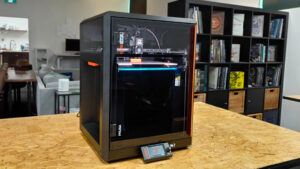

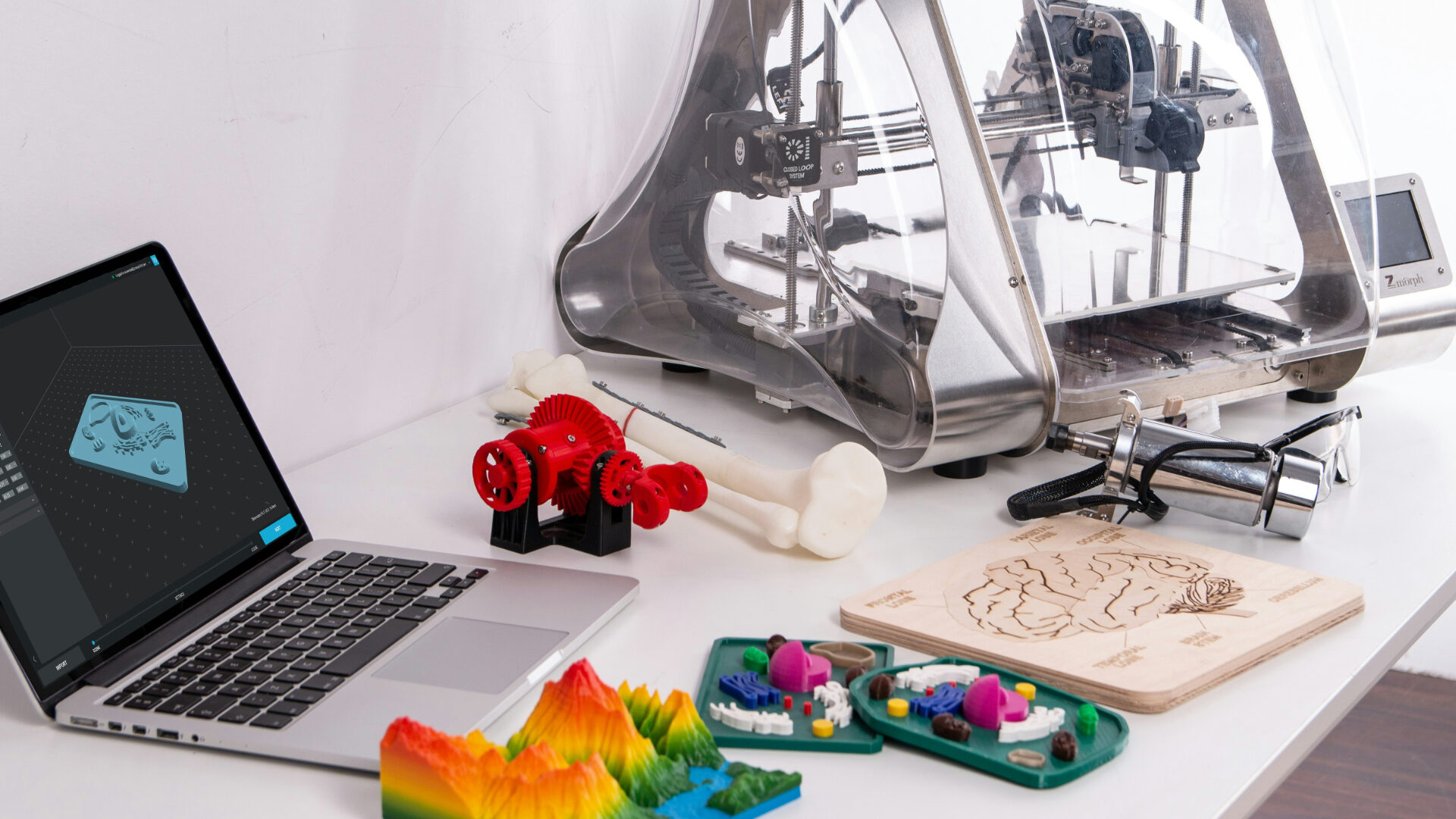
For most of the industrial age, making physical products meant dealing with big factories, big budgets, and big minimum orders. Only a handful of well-funded companies could realistically move from idea to manufactured object. Today, that picture is changing fast. Compact, affordable digital tools are bringing serious fabrication power into homes, classrooms, and shared studios.
This shift is often summed up as “desktop manufacturing.” It is not just about shrinking machines; it is about redistributing creative control. When a designer, engineer, teacher, or hobbyist can build real, functional parts from a desk, the distance between imagination and reality shrinks too. The result is a new generation of creators who do not need permission—or purchase orders—to start making.
What Desktop Manufacturing Really Means
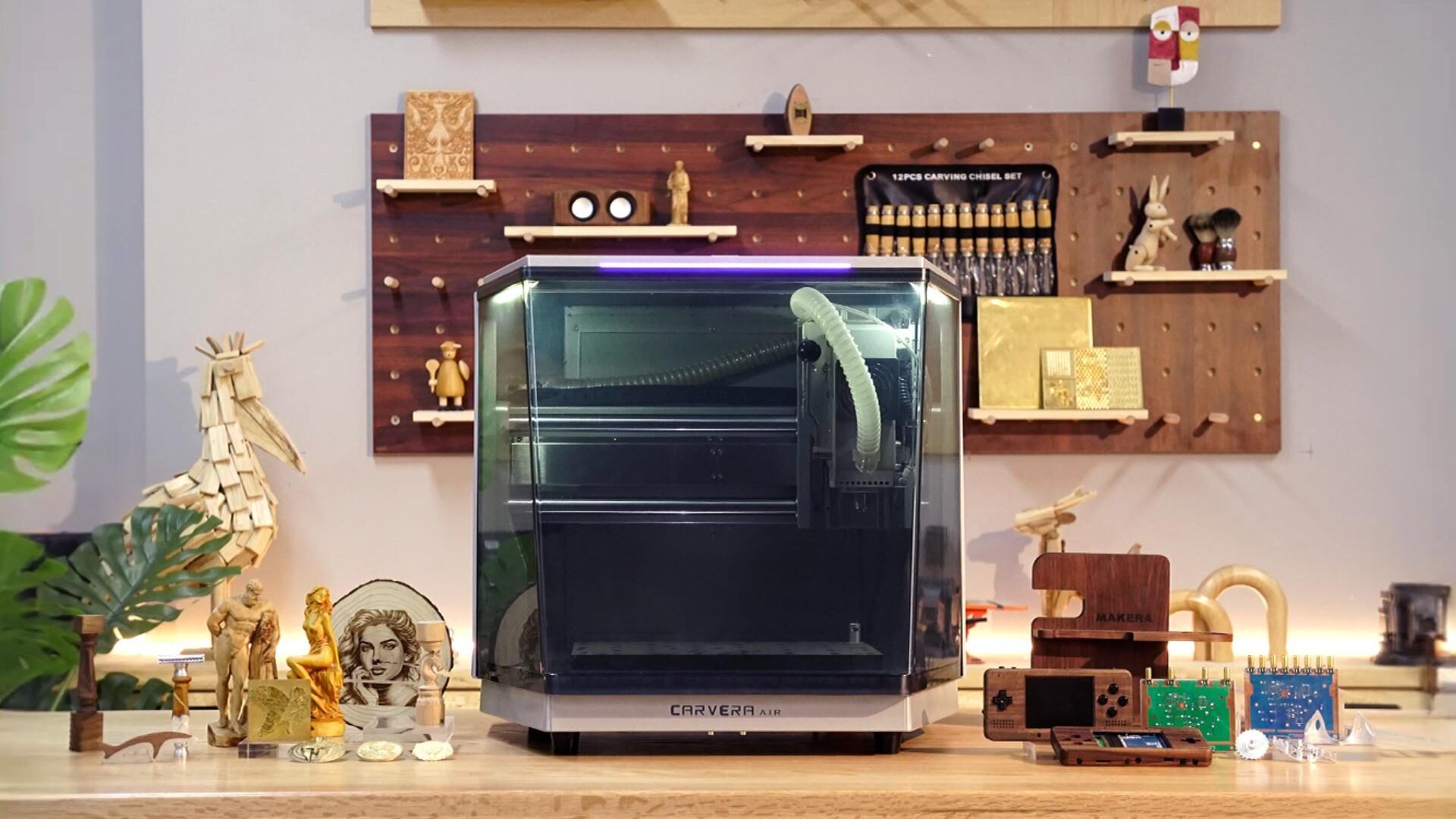
Desktop manufacturing refers to using compact, computer-controlled tools to design, prototype, and sometimes even produce finished goods in small spaces. At the center of this ecosystem are tools like 3D printers, laser cutters, and desktop CNC machines, all driven by CAD (computer‑aided design) and CAM (computer‑aided manufacturing) software.
Instead of relying on a full machine shop, a modern “workshop” might be a single desk with a laptop, a printer, and a small CNC. A part starts as a 3D model, gets translated into toolpaths, and then becomes a physical object in plastics, wood, or metal. This workflow compresses what used to require multiple vendors and long lead times into something an individual can manage in an afternoon.
Because these tools are digital, they also plug naturally into today’s online world. Designers can download, remix, and share models; makers can learn from video tutorials; and communities can standardize around file formats and best practices. The physical workshop becomes an extension of the digital workspace, not a separate universe reserved for specialists.
Why Small-Scale Tools Are Booming
Several forces are pushing desktop manufacturing into the mainstream. Hardware prices have fallen dramatically, while reliability and performance keep improving. Entry-level 3D printers and compact CNC routers that once cost as much as a car now fall into the range of a high‑end laptop. At the same time, software has become more user‑friendly, with intuitive interfaces, integrated CAM, and cloud‑based collaboration.
Global events have also highlighted the fragility of traditional supply chains. When shipping delays or component shortages hit, the ability to fabricate parts locally becomes more than a convenience—it becomes a strategic advantage. Startups, indie hardware brands, and even established companies are using desktop tools to prototype in‑house, validate designs, and sometimes bridge production gaps.
Finally, online maker culture keeps accelerating adoption. Forums, Discord servers, and YouTube channels offer free education on everything from fusion-powered CAD workflows to clever jigs for holding parts. The barrier to entry is no longer “Can you afford a factory?” but “Are you willing to learn and experiment?”
From Idea to Object: Rapid Iteration
One of the biggest shifts desktop manufacturing brings is speed of iteration. In the old model, a product idea had to be turned into detailed drawings, sent to a contract manufacturer, and then—weeks later—a prototype would arrive. If it did not fit, feel, or function as expected, the cycle started all over again. That slow loop killed many good ideas before they could mature.
With desktop tools, iteration becomes almost conversational. A hardware startup can tweak a CAD model in the morning, print or machine a revised part after lunch, and test it by the end of the day. A game peripheral designer can adjust ergonomics on a controller grip based on user feedback, then produce a new prototype overnight. Each cycle delivers fresh data, encouraging bolder experimentation and tighter refinement.
This rapid loop does not just benefit startups. Educators can let students design a part, see it fail, discuss why, and fix it—all within a single project. Artists can iterate on form and texture until a physical piece matches the vision in their heads. When the time delay disappears, people are more willing to try, fail, and try again—which is the essence of good design.
The Role of Desktop CNC Machines
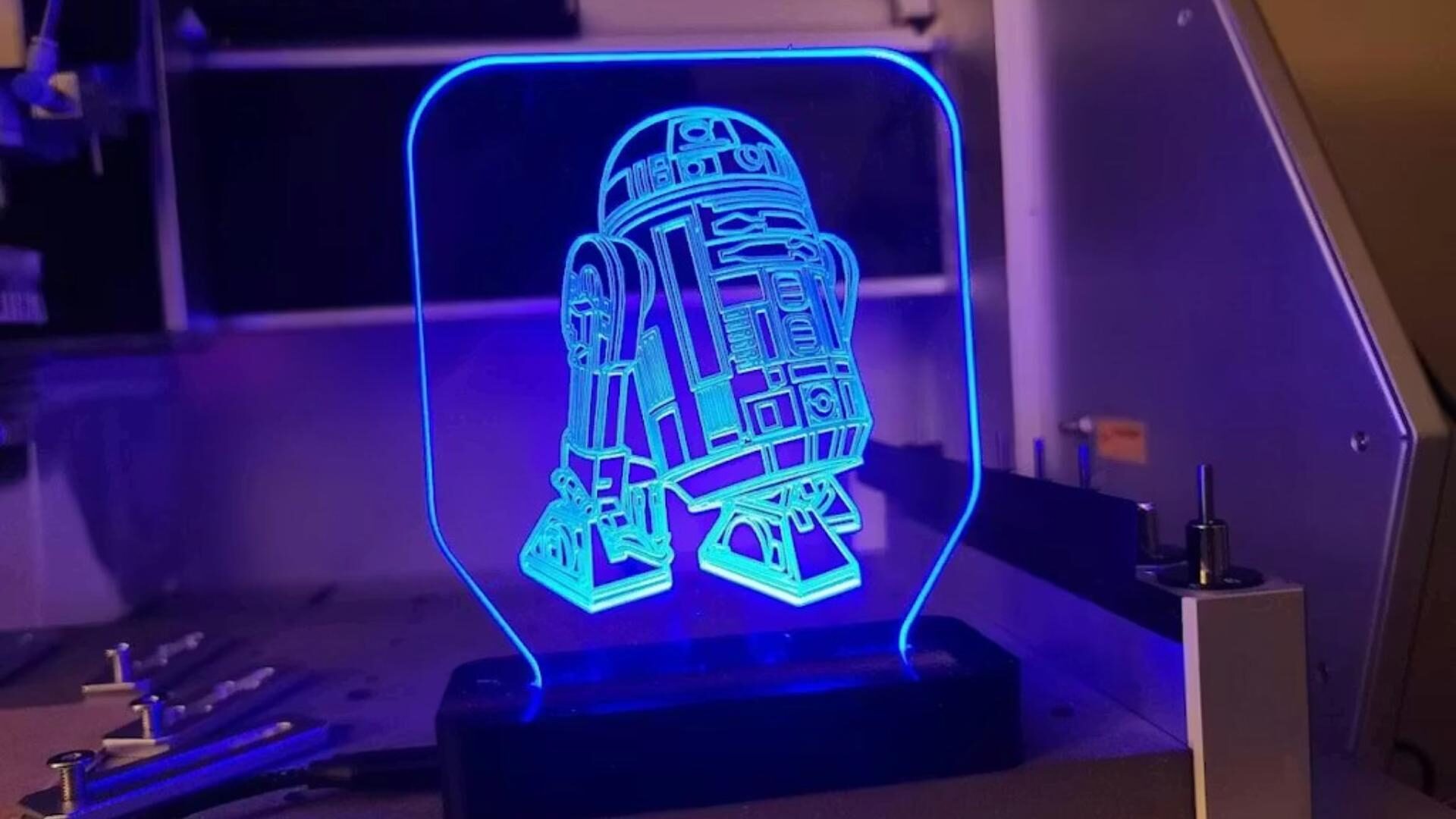
3D printing often steals the spotlight, but subtractive tools play an equally important role. CNC machining uses rotating cutting tools to carve parts out of solid material, including woods, plastics, and metals. Desktop CNC machines bring this precision, traditionally found in industrial machine shops, down to a footprint that fits on a bench or table.
Where 3D printers shine at complex geometries and quick plastic parts, CNC routers and mills excel at strength, surface finish, and durability. Need a rigid aluminum bracket, a hardwood enclosure, or a custom jig that will stand up to real-world stresses? A desktop CNC is often the better choice. That is why many modern workshops pair both technologies: print for concept and fit, machine for function and final feel.
The category has matured rapidly. Modern desktop CNC machines, such as those showcased by innovators like Makera, package advanced motion systems, intuitive software, and guided workflows into compact, creator‑friendly systems. When subtractive power is this accessible, the range of “desktop‑ready” projects expands dramatically—from guitar bodies and cosplay props to robotics frames and custom PC cases.
New Creators, New Businesses
Once manufacturing moves onto the desktop, the profile of “who can ship a product” changes. Independent designers can launch limited‑run physical goods—mechanical keyboards, camera rigs, tabletop gaming accessories—without signing big contracts or holding deep inventory. They can validate demand with small batches, then scale up only when the market proves itself.
Educators, especially in STEM and design programs, gain a hands-on bridge between theory and practice. Instead of just solving equations on paper, students can design a part, set up toolpaths, and then watch a machine execute their instructions. The result is a deeper understanding of geometry, physics, and problem‑solving, plus practical skills that map directly onto real-world jobs.
Artists and makers, meanwhile, gain a new level of customization. They can blend digital precision with traditional craft, creating one‑off or small‑batch pieces that would be impossible or uneconomical in mass production. Online platforms make it easy to sell these creations globally, turning what once might have been a hobby into a viable micro‑business.
Challenges Today, Personal Production Tomorrow
Desktop manufacturing is not “press a button, get a product.” There is a learning curve: understanding CAD, mastering workholding, choosing the right feeds and speeds for a CNC, or dialing in temperatures and materials for a 3D printer. Machines need maintenance, tools wear out, and not every job is a good fit for small-scale equipment. There are also safety considerations, especially when cutting metals or generating dust.
Yet these challenges are also part of the appeal. Learning to design for fabrication builds a mindset of systems thinking and experimentation. Each failure teaches something about materials, tolerances, and design decisions. For many creators and students, that process is as valuable as the finished object.
Looking ahead, the trend line points towards more automation, better integration, and smarter software. CAM tools are getting better at suggesting toolpaths, machines are becoming easier to set up and monitor, and materials are diversifying. It is not hard to imagine a near future where having a 3D printer and a desktop CNC in a shared building workshop is as normal as having a Wi‑Fi router. When that happens, “personal production” will feel less like a fringe maker movement and more like standard infrastructure—another way that digital creativity spills over into the physical world.