

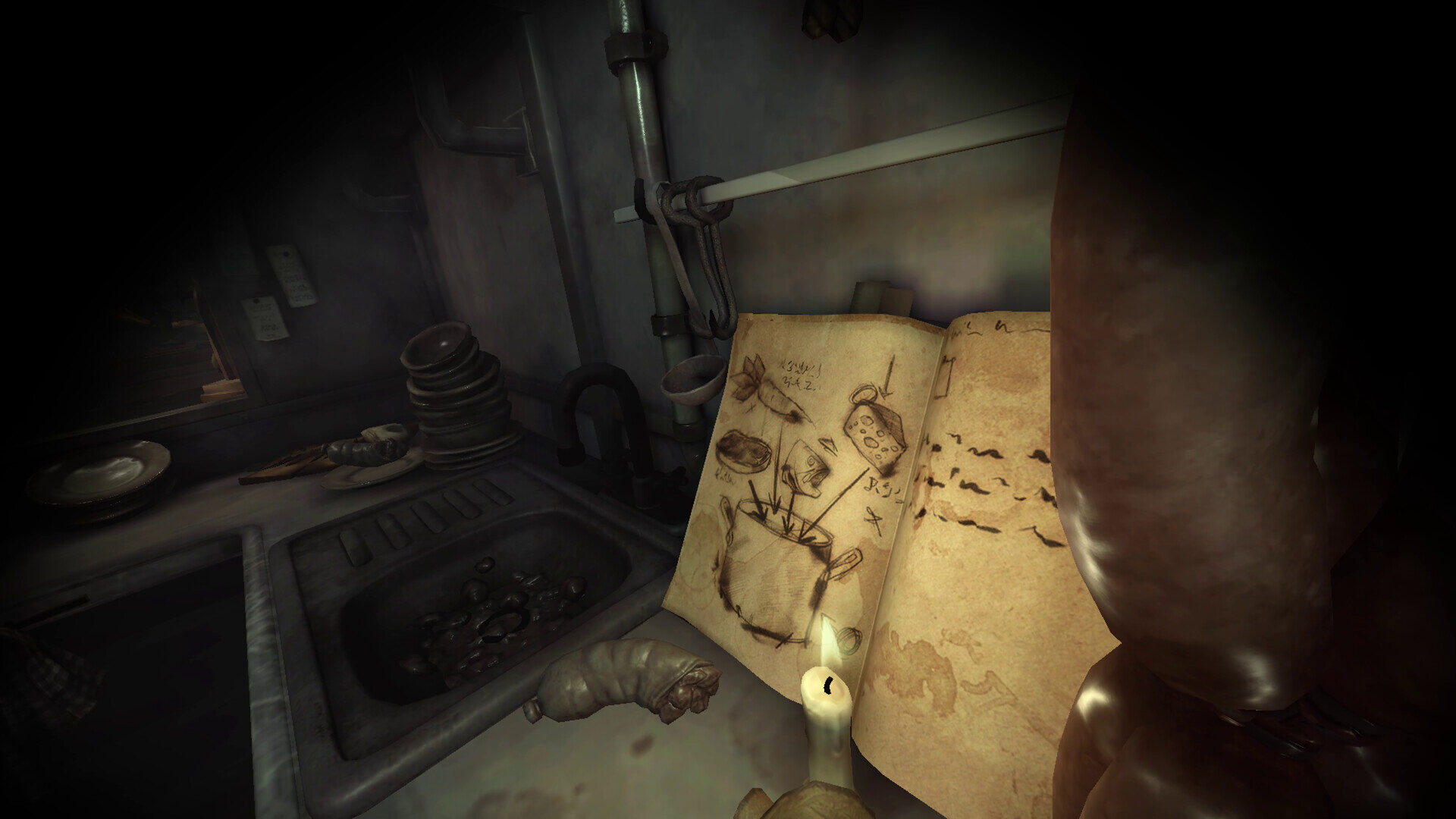

Early in Little Nightmares VR: Altered Echoes, there was a room where I stopped moving, not because something was after me, or there was something to look at, but because it was just too quiet. Those moments are what really make or break horror in VR for me. Not something is chasing you, but the atmosphere a game can build and how immersed you can feel in the world at any given time. In VR, that hesitation feels real in a way the series never quite hit before.
That’s the entire pitch for the game. Take Little Nightmares and strip away the safety of distance because there is no more watching Six scramble across the screen. You are the one crouching under the table, reaching for the door handle and hoping nothing grabs your wrist on the way there. It works more often than it doesn’t, but it also shows where the series starts to break under a different perspective.
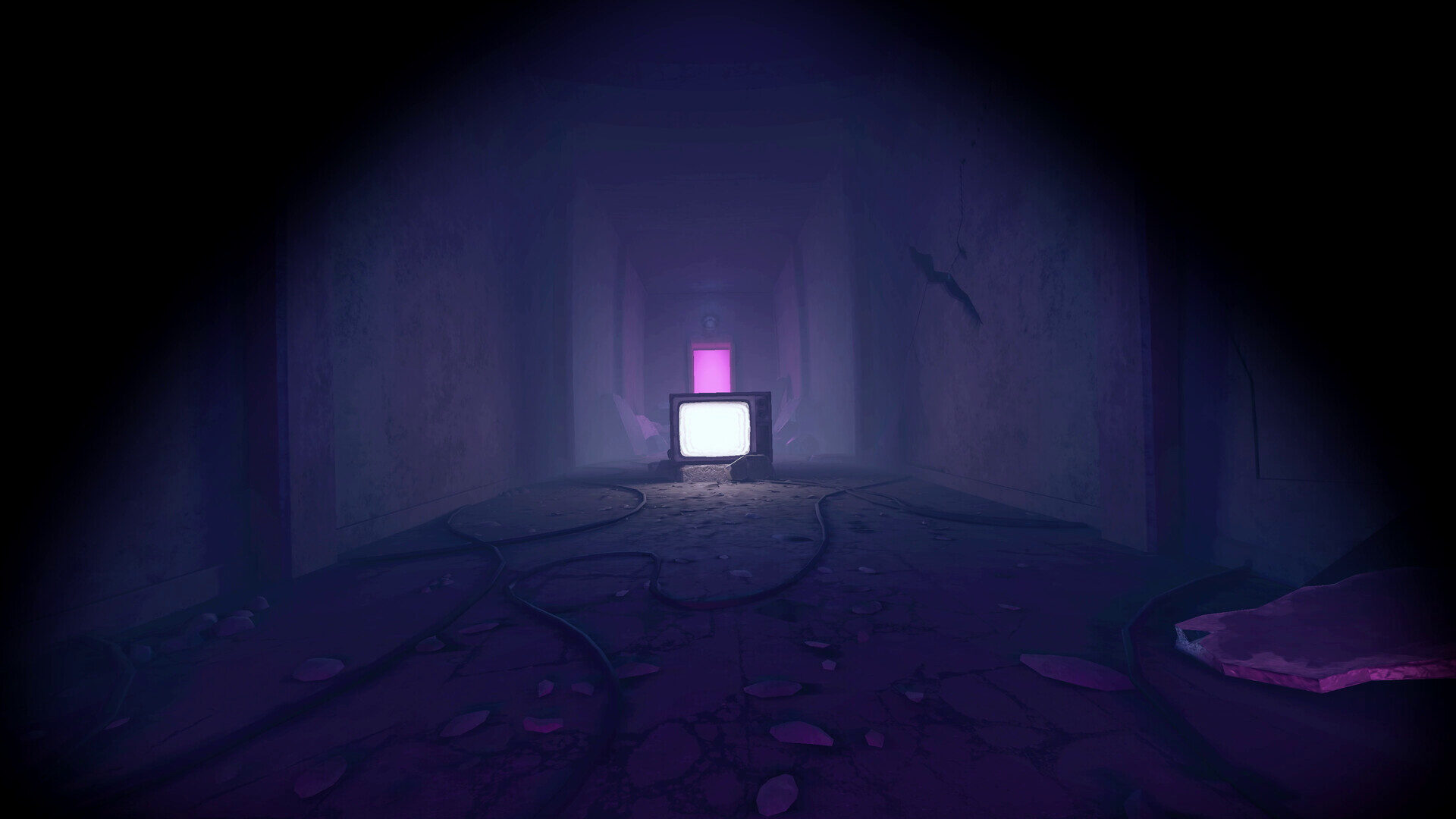
What hits right away is the scale and how you have this new perspective to look at everything in the world, something we haven’t had to do in the Little Nightmares world yet. Everything feels incredibly big. Chairs aren’t just props anymore; they’re these giant obstacles. Doors feel heavy, and rooms stretch out in a way that makes you feel exposed. You spend a lot of time looking up, which is never comfortable here. When something moves above you, you feel it.
The interaction side of things carries a lot of the experience. You’re constantly using your hands. Opening drawers, dragging objects, climbing into vents, pushing yourself up onto ledges. None of it is complicated, but it feels good to do. There’s weight to it. You’re involved in a way the old games never asked you to be.
That said, it doesn’t take long before you start to see the pattern. Every room asks a version of the same question. What can I move? What can I open? Where do I go next? It rarely gets more complex than that. It never really needs to, but it also means Little Nightmares VR settles into a rhythm early and stays there.
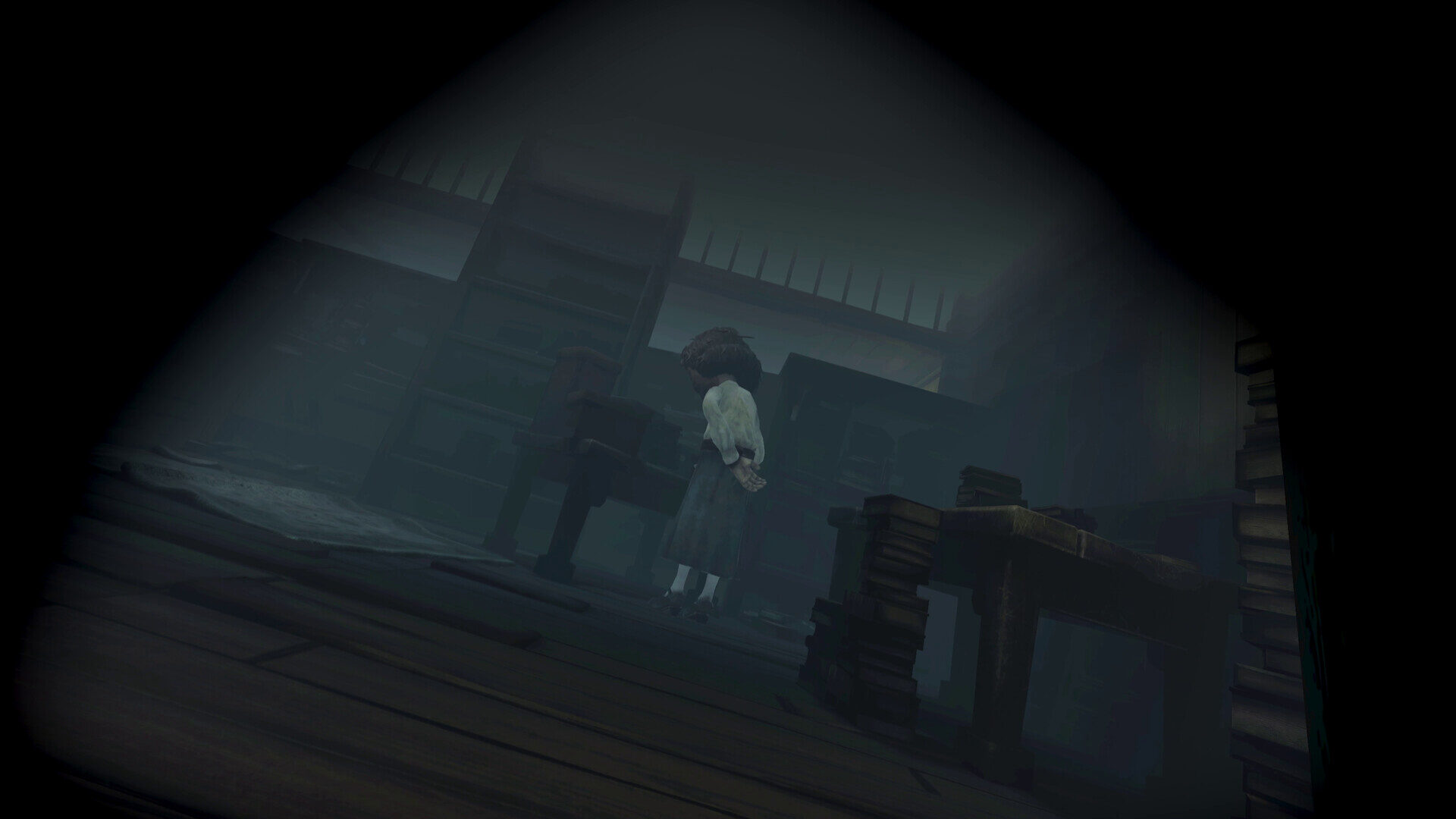
The stealth sections are where things get a little uneven. Hiding in VR is always a little weird. Do you peek around the corner and risk something seeing you, or do you wait until you are absolutely sure nothing is there? Ducking behind something and physically leaning to peek out works. Holding still while something walks past you feels tense. The problem is the enemies themselves, because while they look great and sound even better, their behaviour is a bit too readable, especially once you understand how they move; the fear drops off.
The atmosphere does a lot of heavy lifting to make up for that. Sound design is doing most of the work with each room immersing you in the grimy nature of the world of Little Nightmares. You hear things long before you see them: these scraping, distant footsteps, something shifting in the next room. It builds pressure without needing much else. Even when nothing is happening, it feels like something could.
Visually, it sticks close to what the series is known for. Everything looks worn down. Damp. Slightly soft around the edges. It gives the world that dreamlike feel, like you’re walking through something half-remembered. It looks good in VR, though not always clear. There are moments where you’re scanning a room for something you missed, and it blends in just enough to slow you down.
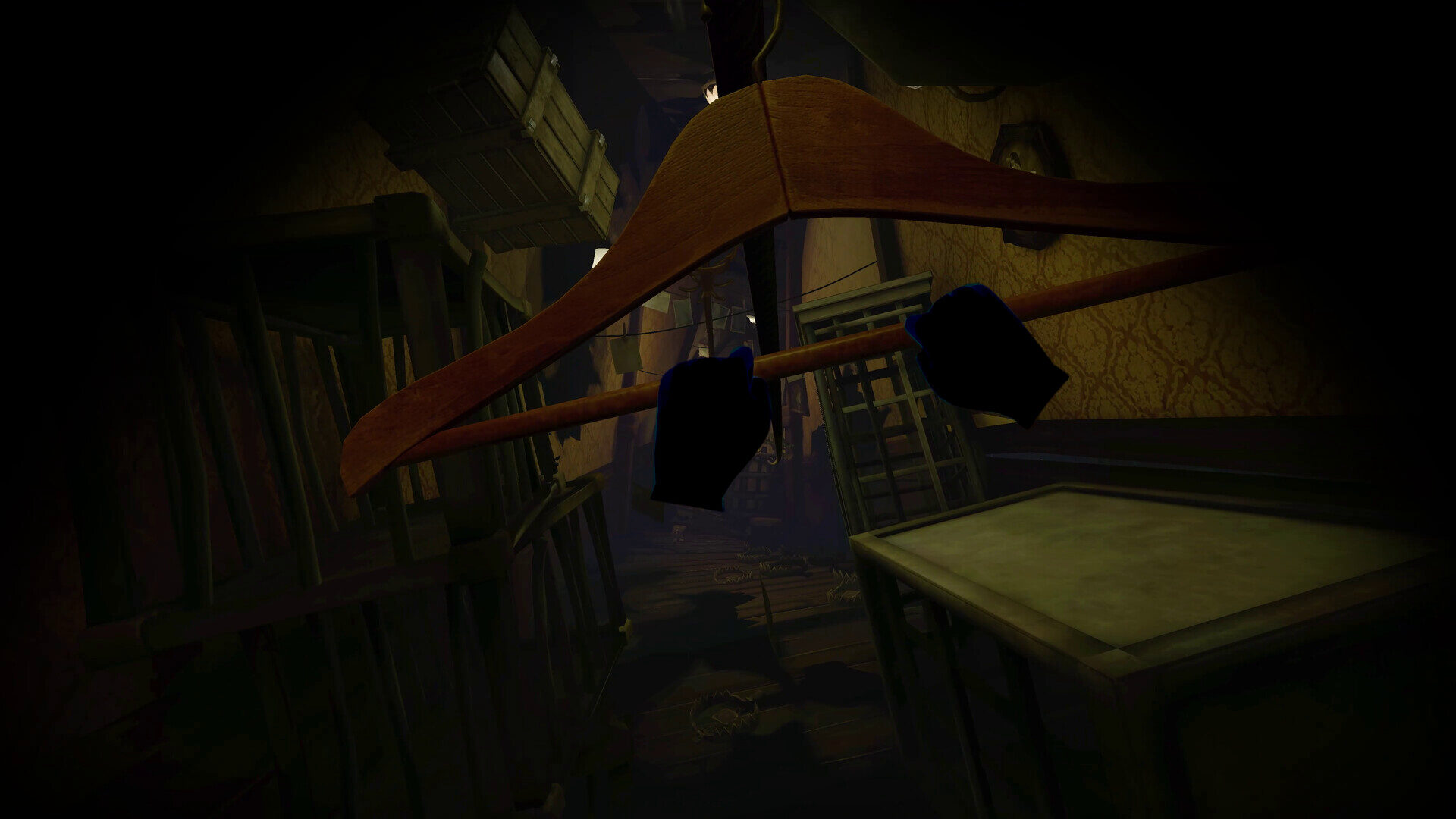
Movement in VR is mostly fine, nothing to write home about, but also not bad. You’ve got options, which always helps in VR. Crawling through tight spaces is probably the best part mechanically, since it sells the idea of being small in a big, hostile place really well. There are still those moments where your hand doesn’t quite grab what you want it to, or you miss something that feels like it should have connected. Small stuff, but noticeable. Not to mention that I normally don’t feel motion sick, but for some reason or another, I couldn’t play the game too much in one sitting because the spins started happening, no matter how many options I changed.
“What keeps Altered Echoes going is that baseline feeling. You’re uncomfortable just being there. Even in quieter moments, there’s tension sitting under everything.”
The pacing holds steady, but maybe a little too steady. The opening does a lot of the heavy lifting of building tension and setting the tone. Later on, it doesn’t really push past that, but that’s been my issue with the last two Little Nightmares games: they seem to find their lane early on and stick to it. You get more rooms, more puzzles, more encounters, but not much escalation. It starts to feel like you’ve seen most of what it has to offer before it actually ends.
What keeps Altered Echoes going is that baseline feeling. You’re uncomfortable just being there. Even in quieter moments, there’s tension sitting under everything. VR does that for it. It puts you in the space and lets the world do the rest.
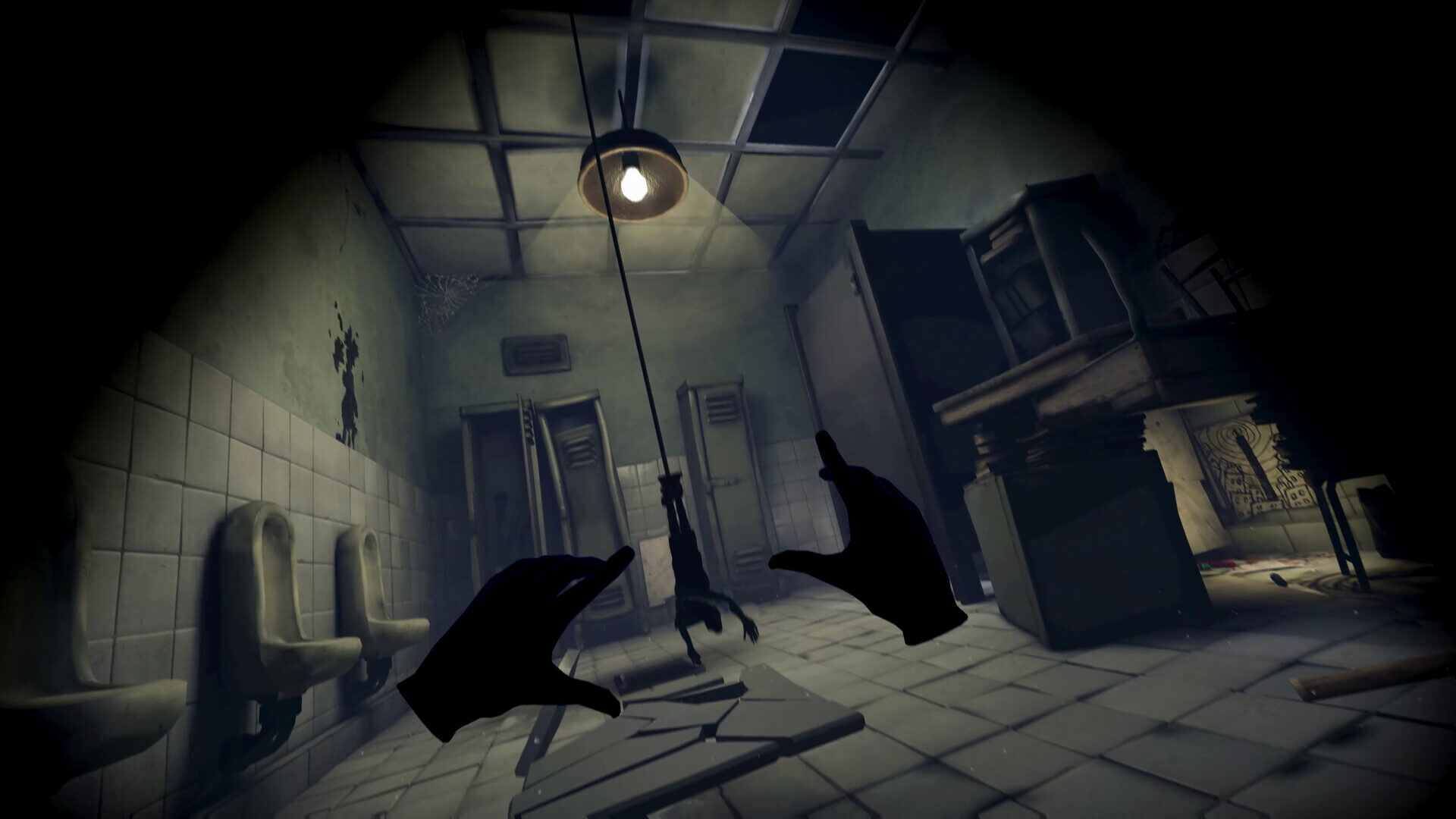
Little Nightmares VR just doesn’t evolve much beyond that initial hook. Once you’ve adjusted to being inside this world, the game doesn’t do a lot to surprise you. It becomes predictable in ways the original game managed to avoid, but what Little Nightmares 3 especially fell into.
That being said, there’s still a lot here I liked. Being fully immersed in a Little Nightmares space works great. The atmosphere does that heavy lifting, and some of the freakier drawn-out moments really stuck with me. It just feels like it stops short of doing something more with the idea. I still came away from Altered Echoes feeling like I’ve been somewhere I shouldn’t have been. That part works. It just doesn’t hit as hard as it could have if it pushed itself a little further.