

When I previewed Tides of Tomorrow back in January, I was actually left feeling kind of surprised. Within the span of a few months, I had gone from basically accepting the death of the…let’s say, Interactive Narrative games—the likes of which Telltale Games used to be famous for—to playing two excellent examples of the revival of the genre. It just goes to show that when you think this industry is predictable, they throw a few surprises at you.
My initial experience with Tides of Tomorrow was pretty engaging, because it sets up such an ingenious central gameplay mechanic that it’s almost impossible not to get invested. However, playing it a second time for review really highlighted just how far that central idea can go and how unique a game it can create.
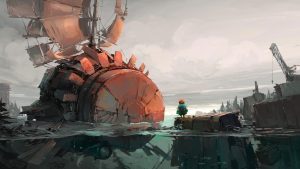
I spoke about it briefly in my preview, but Tides of Tomorrow sets players on a fictional oceanic planet on the brink of annihilation due to an excess of plastic pollution perverting the seas. What’s worse, this corruption has spread to humans, causing a disease known as Plastemia that slowly turns their bodies into synthetic shells. The player takes on the role of a Tidewalker—a unique line of humans who are all connected through the Tides of Time and the key to saving the planet.
“My initial experience with Tides of Tomorrow was pretty engaging, because it sets up such an ingenious central gameplay mechanic that it’s almost impossible not to get invested.”
It’s an incredibly poignant story that features many real-world parallels and messages. While its most obvious theme is environmentalism, it deals with ideas of capitalism, exploitation, and the acceptance of death. While, at its core, it tries to be optimistic, it also wrestles with the morality of spending what fleeting time you have left living well, or suffering to try and make the future better.
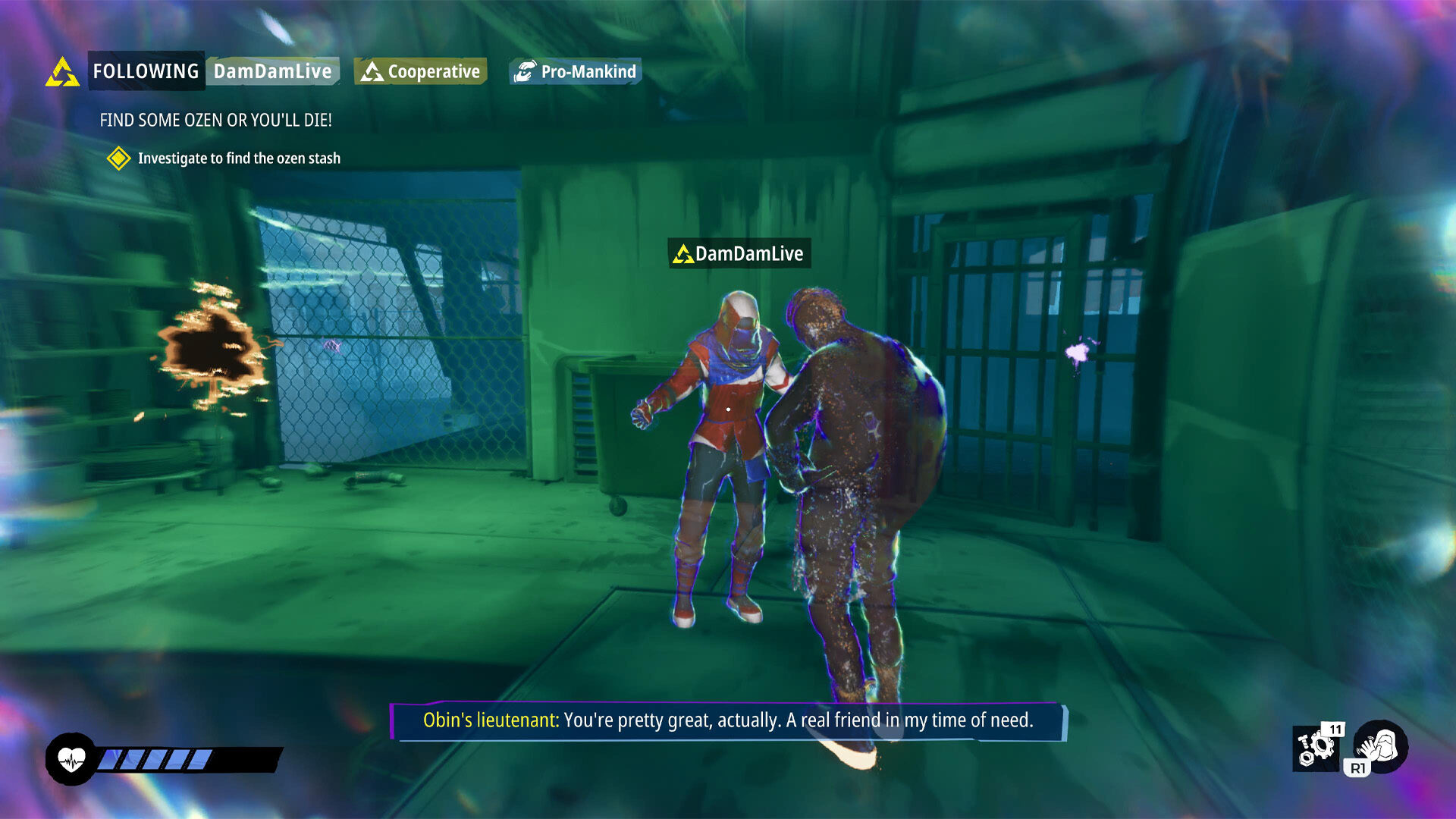
But how players experience the story will depend wholly on how they choose to play, and that is Tides of Tomorrow’s biggest strength. As I mentioned in my preview, players can choose to follow others, and depending on the choices of their followed player can be either helped or hindered. When I first played it, I thought it was an amazing idea, but I wondered how much of a novelty it would be, giving players a certain degree of forewarning before making crucial decisions.
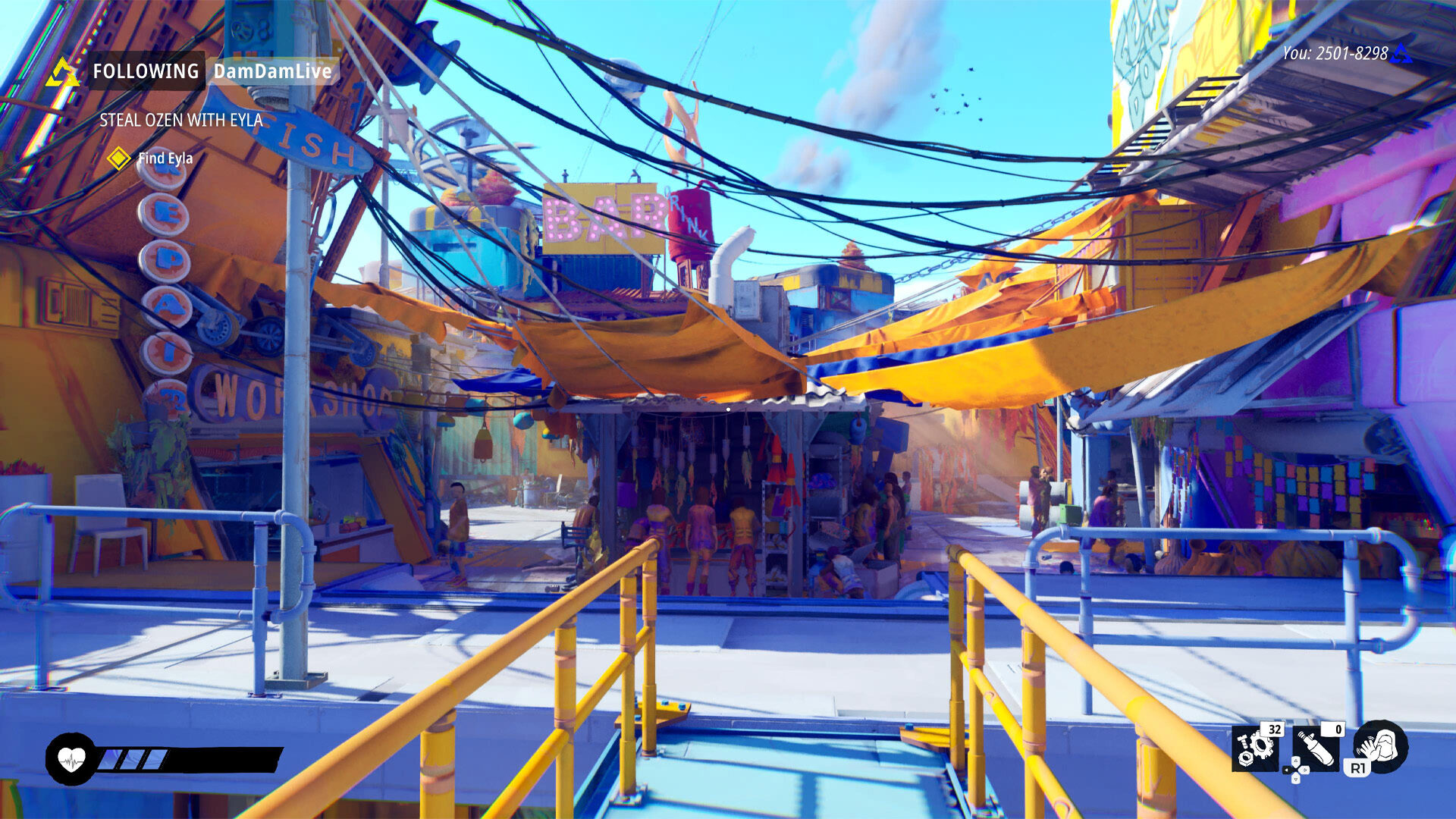
Imagine my surprise when I started again on the PlayStation 5 version, and an entire stealth segment I had experienced in the first area had been completely removed, because the decisions of the player before me put the area on alert, and my attempt to run from a guard had me caught by the marauder’s leader immediately. As I progressed, I was informed at a specific point that I had moved faster than the player I was following (at the time), and that I wouldn’t have access to visions of their decisions.
It creates such a dynamic way to progress through the game’s story and ensures that no two players’ playthroughs will ever be the same. And it makes the gameplay so much more unique, since decisions made by the player will inevitably affect those that follow, and on and on it goes. Tides of Tomorrow has one of the most mindful narrative experiences I’ve ever seen, and it was consistently surprising to see unfold.
And it’s not a slow game either; Tides of Time feels as driven by action as by its narrative. While players have some freedom of choice in where they go, each “level” works to advance the plot in increments. Outside of the levels that feature high-speed chases or intense boat races, no level really overstays its welcome and keeps the story moving—after only playing the game for about half an hour, my overall progress was already 20 percent.
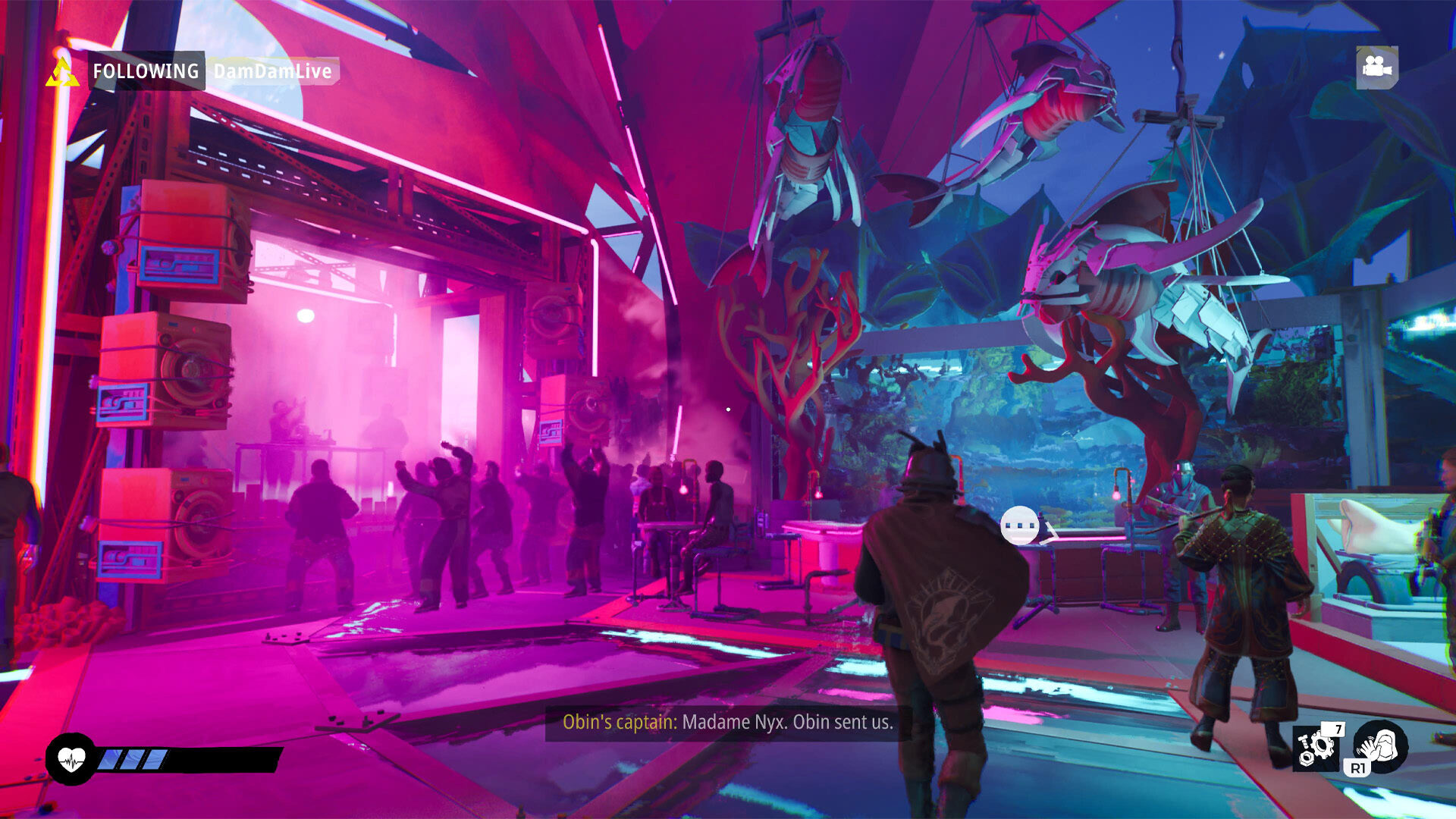
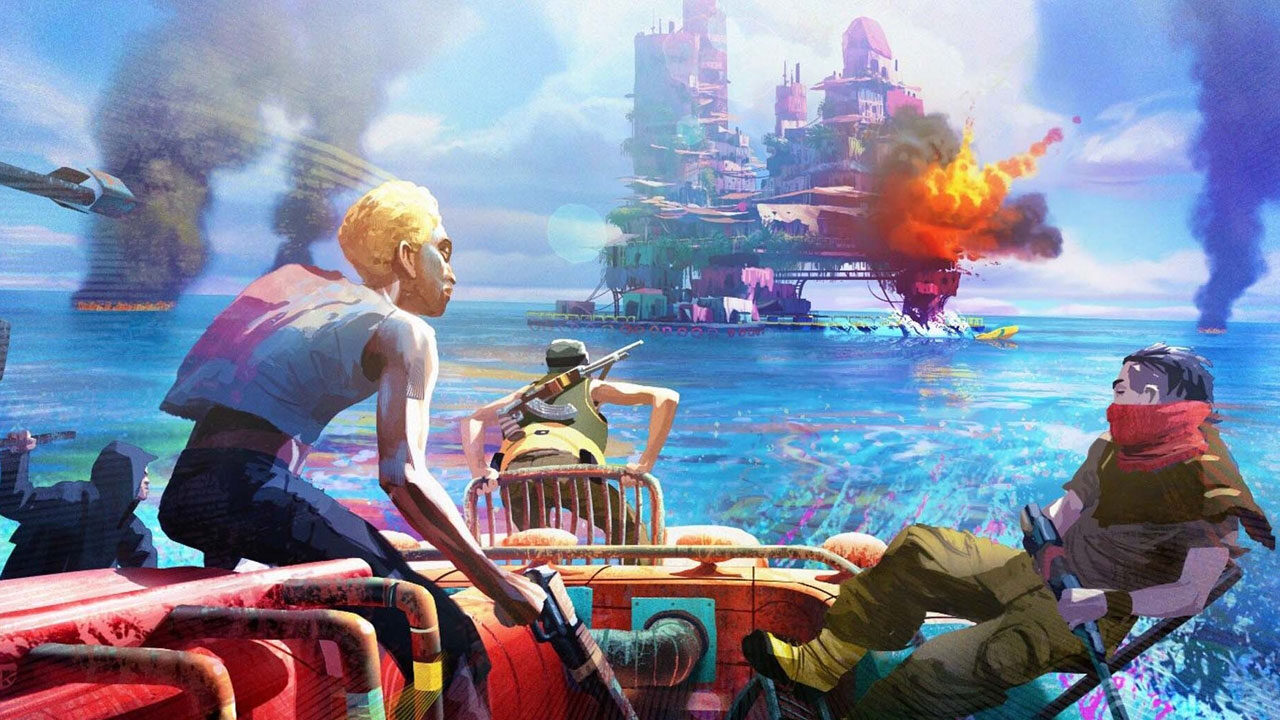
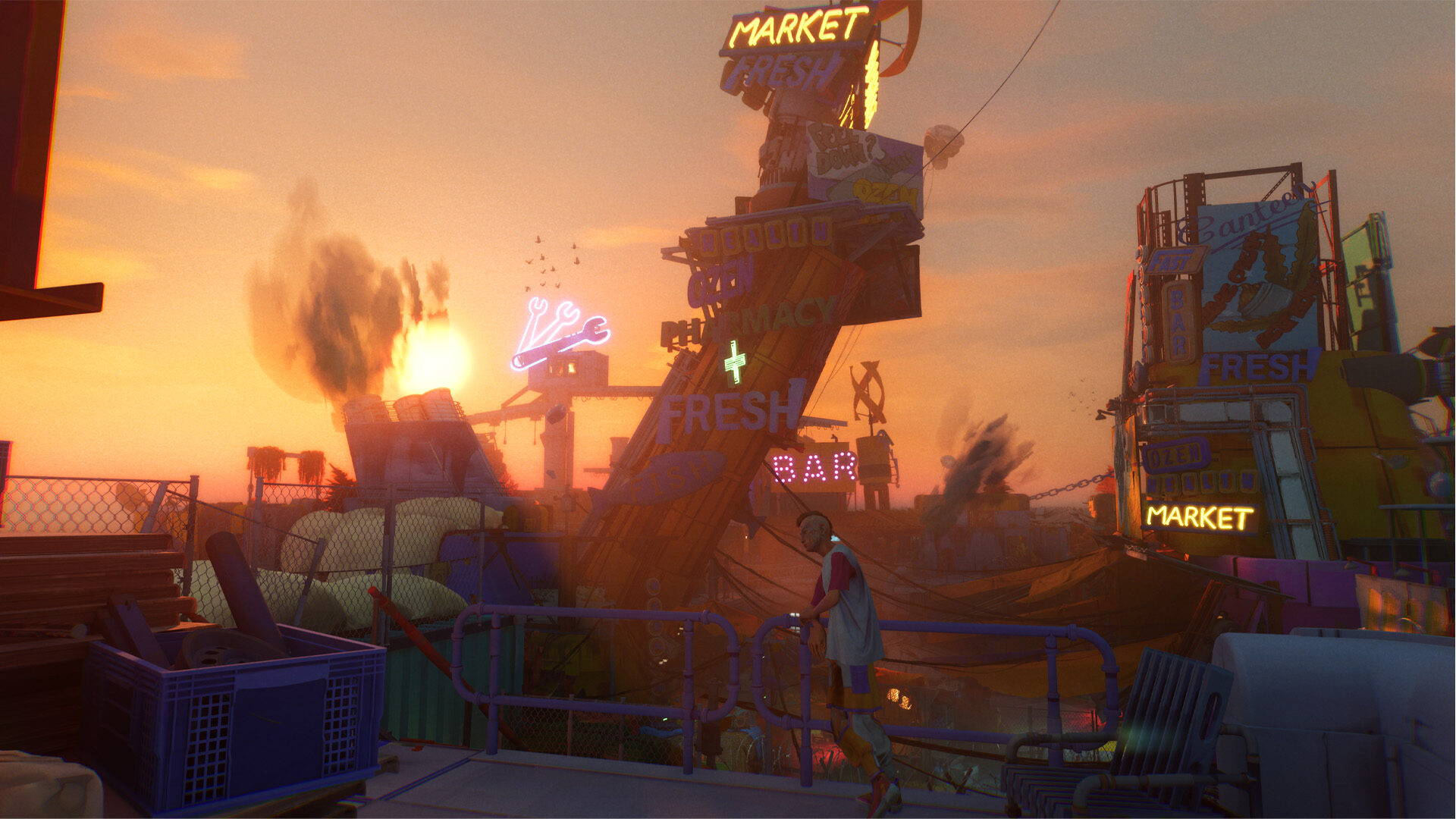
Visually, Tides of Tomorrow has a really bright, vibrant colour palette that makes the world feel incredibly unique, but also kind of thematically artificial. While I usually hate excessive Bloom in games, Tides of Tomorrow utilizes it in a really effective way to make the world feel incredibly hot and barren—further emphasizing the pollution of the ocean. The visuals are backed by a fantastic soundtrack that blends metal, techno and D&B, making each moment feel exciting and, at times, ethereal.
“Tides of Tomorrow has one of the most mindful narrative experiences I’ve ever seen, and it was consistently surprising to see unfold.”
However, Tides of Tomorrow does suffer from a few performance hiccups. More than once, I experience weird screen shaking, characters clipping into the geometry, framerate slowdowns and a few characters behaving strangely—like one whose sitting animation was taking place in mid-air. While it’s fairly stable for the most part, it could have done with a little more polish.
And it’s a bit of a shame the PlayStation 5 version of Tides of Tomorrow doesn’t really take advantage of the hardware. There were probably some interesting ways the Adaptive Triggers could’ve been implemented into this game when activating the Tides of Time, or even some creative use of the Haptic feedback. Instead, this feels like a pretty barebones port, which is fine but a bit disappointing.
Tides of Tomorrow is definitely worth experiencing, not only for its engaging story but also for the myriad ways players can experience it. Its central mechanic is so interesting and inspired that I honestly wouldn’t be surprised to see a tidal wave of narrative games borrowing it in future. But if you’re looking for a story-driven game that’s truly unique, you should definitely check this one out!