
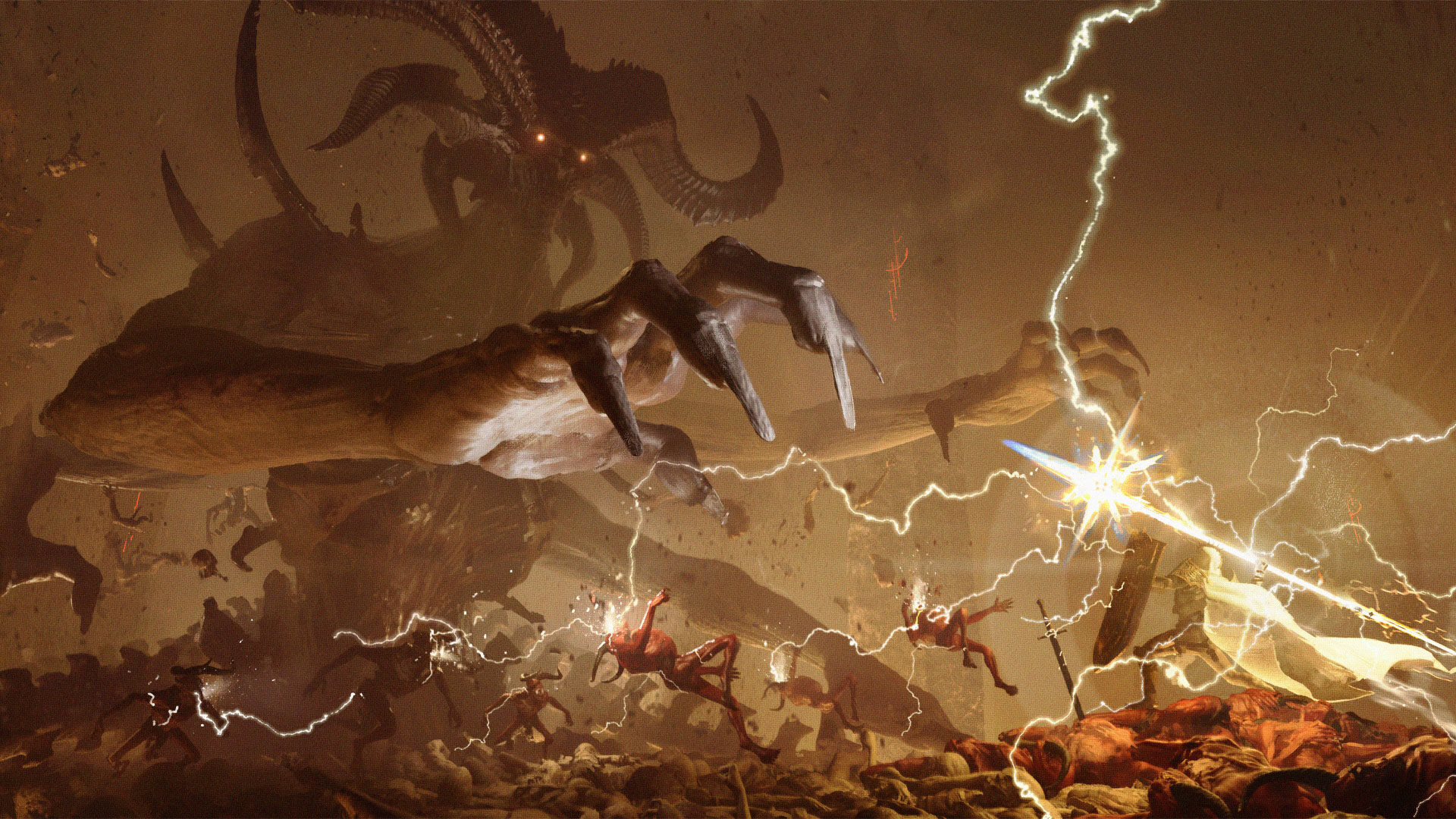

Diablo IV is what I would like to call the king of the cliffhanger. The original narrative finished with a tease of what terrors would come to Sanctuary with the looming threat of Mephisto, and Vessel of Hatred expanded that threat, making the Prime Evil’s return more impactful with his new blasphemed vessel. Both narrative conclusions set the stage for Lord of Hatred, and Blizzard Entertainment dragged Wanderers along for the ride in the second expansion (and Mephisto’s invasion of Sanctuary).
What Diablo IV: Lord of Hatred does is continue the narrative following Neyrelle’s immense struggle with Mephisto’s influence in Vessel of Hatred, bring two whole new classes to Sanctuary with the Paladin and Warlock (previously released in Diablo II: Resurrection), and open up the birthplace of Sanctuary, the island of Skovos, for exploration to players. The island of Skovos has not been explored before in Diablo history, and it’s one of the most influential places in the lore, doubling as Lilith and Inarius’ home, a fitting vacation spot.
Vessel of Hatred (Spoiler Warning) ended with Mephisto infusing himself with the body of Akarat, regarded as the saviour of Nahantu (Jesus-like in figure and appearance), and the ultimate blaspheme and insult to humanity. Lord of Hatred starts with Mephisto imposing his now-corrupted divine-like will on the Amazonians of Skovos, performing miracles to buy Sanctuary’s allegiance. This leaves our Wanderer off-balance as all the people of Skovos believe the second coming of Akarat is a blessing, and they believe in the now-risen saviour. Blizzard Entertainment loaded the streets of the early Acts of Lord of Hatred with people who claim Akarat will “save us all,” and it’s a sweet, constant reminder that things are worse than ever.
“Diablo IV looks incredible, and the additions of the varied landscapes from Lord of Hatred and Skovos blend seamlessly with the same sheer quality and attention to detail.”
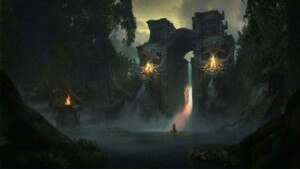
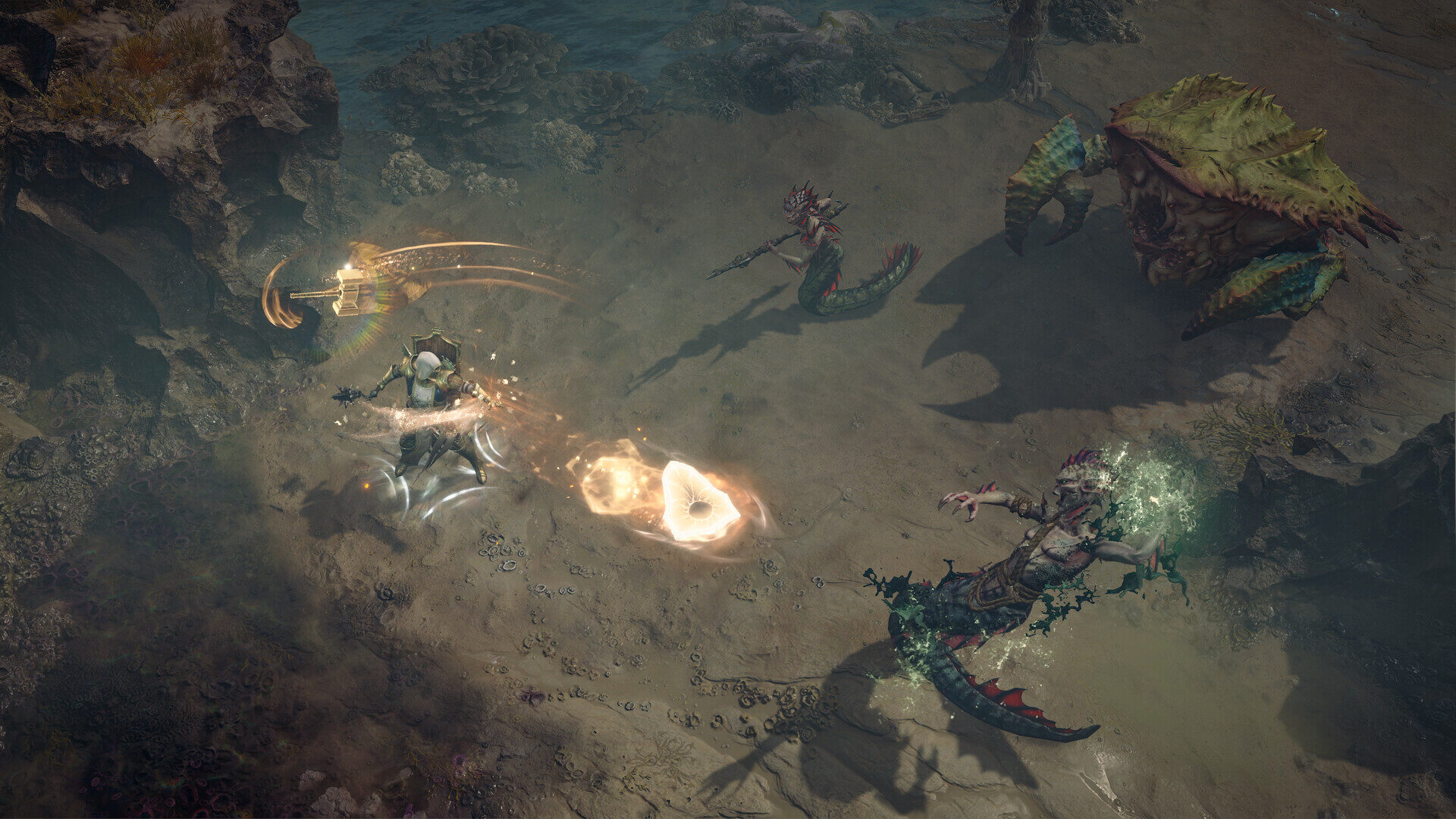
The island of Skovos is swarmed with beautiful and detailed environments begging for the player to get lost in. As the new Warlock class, I fell off the beaten path on numerous occasions to see more of what the island had to offer. Thankfully, after the overwhelming amount of Jungle explored in Nahantu, Skovos brings four main islands: Philios, Skovos, Lycander, and Skartara to Sanctuary, and they’re all connected on the mainland with varied biomes and fresh visuals. Skovos brings blood-soaked beaches, mountainous passages and extra forest greenery to split up the sights. Diablo IV looks incredible, and the additions of the varied landscapes from Lord of Hatred and Skovos blend seamlessly with the same sheer quality and attention to detail.
On top of that, Diablo IV: Lord of Hatred brings a truly incredible soundtrack to the islands of Skovos. Steven Blum’s chaotic stentorian delivery also returns in the expansion as the voice of Prime Evil, Mephisto, and that chaotic doom chases the player throughout Skovos. The soundtrack is a triumphant composition that I’ve left on idle to listen to without playing. Blizzard Entertainment took special care to make these set pieces match perfectly, and it shows especially during more strenuous scenes on Skovos. When the stakes are raised (and demons are biting at your heels), Blizzard comfortably adjusts the composition to one that will make you want to turn around and rip them to shreds with prowess, and you can and will.
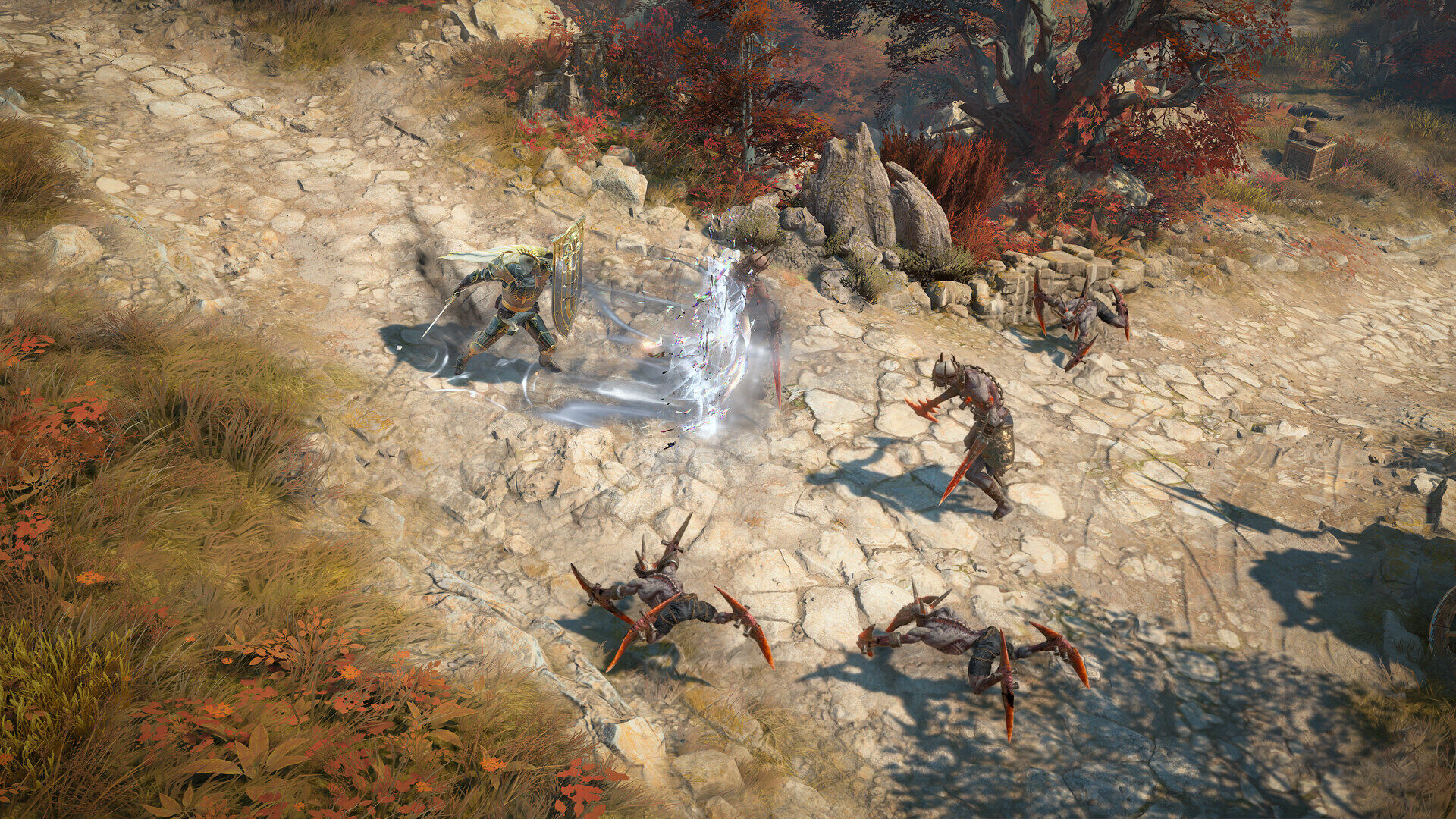
Diablo IV: Lord of Hatred tosses the player into the deep end against the hordes of hell, but has opened the doors and allowed Wanderers to become two different types of demon slayer: The Paladin and Warlock classes. While the Paladin has been out for weeks now, the Warlock is a brand-new class brought to the shores of Skovos. You can summon demons from hell to fight against… Demons from hell. While playing through the Lord of Hatred campaign, I started at level one and scaled through the campaign, which I would also recommend, while playing through the campaign as it allows you to naturally grow into the chaotic playstyle of the Warlock, and feels like genuine progression like the base campaign.
Easily, the strongest part about the massive Lords of Hatred expansion is the inclusion of new character classes to offer new playstyles and the campaign. Without any spoilers, Lord of Hatred will throw you through the six stages of grief for those who are following along with the story of Diablo IV, except you might not accept the result.
Sanctuary’s lore is expanded greatly, and context flows organically during tense conversations. While already paramount, your main character’s importance is highlighted further, and many parts of Sanctuary will be dragged into the light for the first time. Whatever fans think regarding how Diablo IV shifted from the previous entries, Blizzard Entertainment has pulled out all the stops regarding production quality, cinematics and driving home a narrative that will make the player sweat, While it’s hard to recommend this campaign without pulling back the curtain even a bit, just know that fans will be glued to their screen with the opening cinematic, and held hostage until the credits roll.
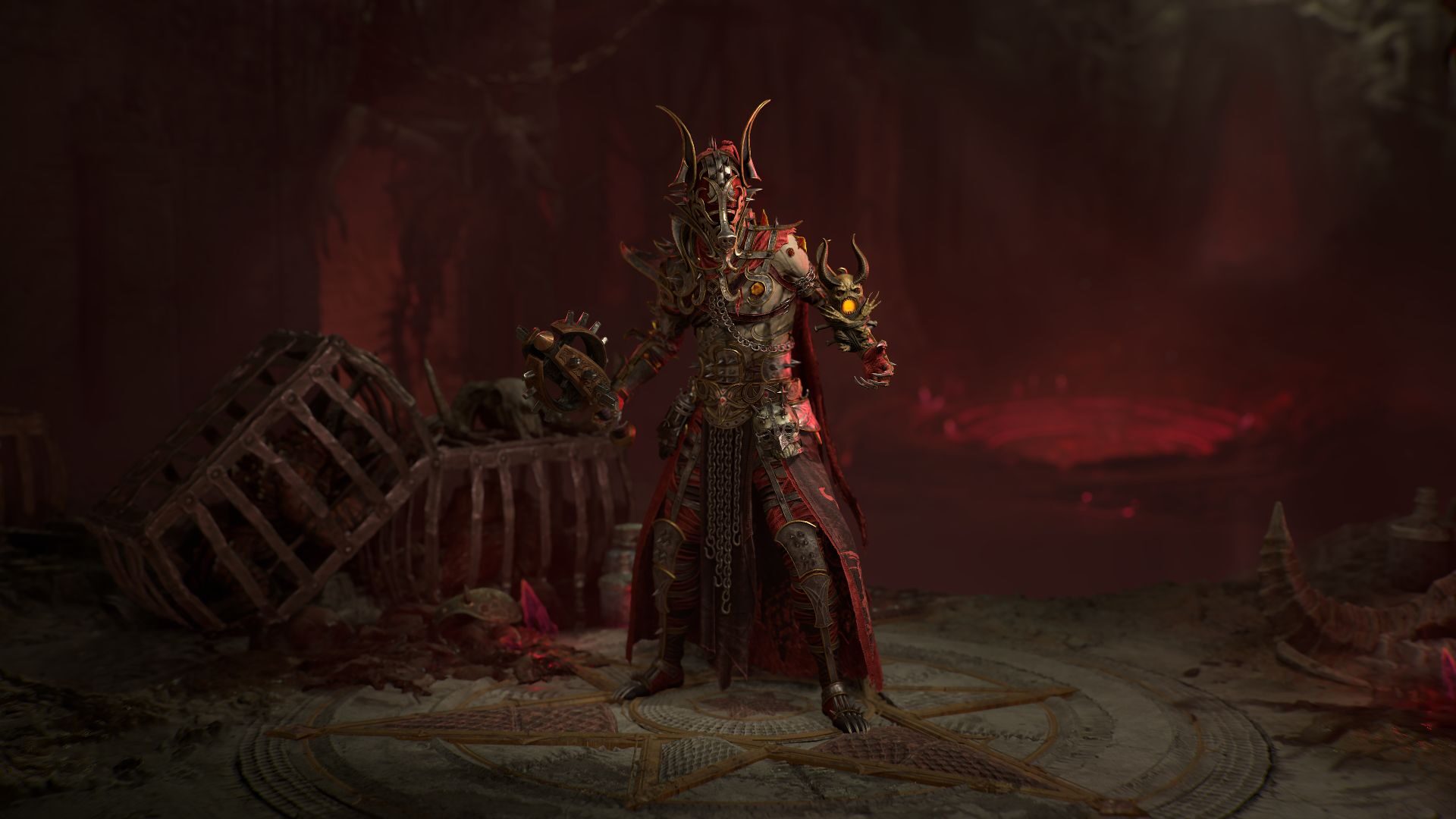
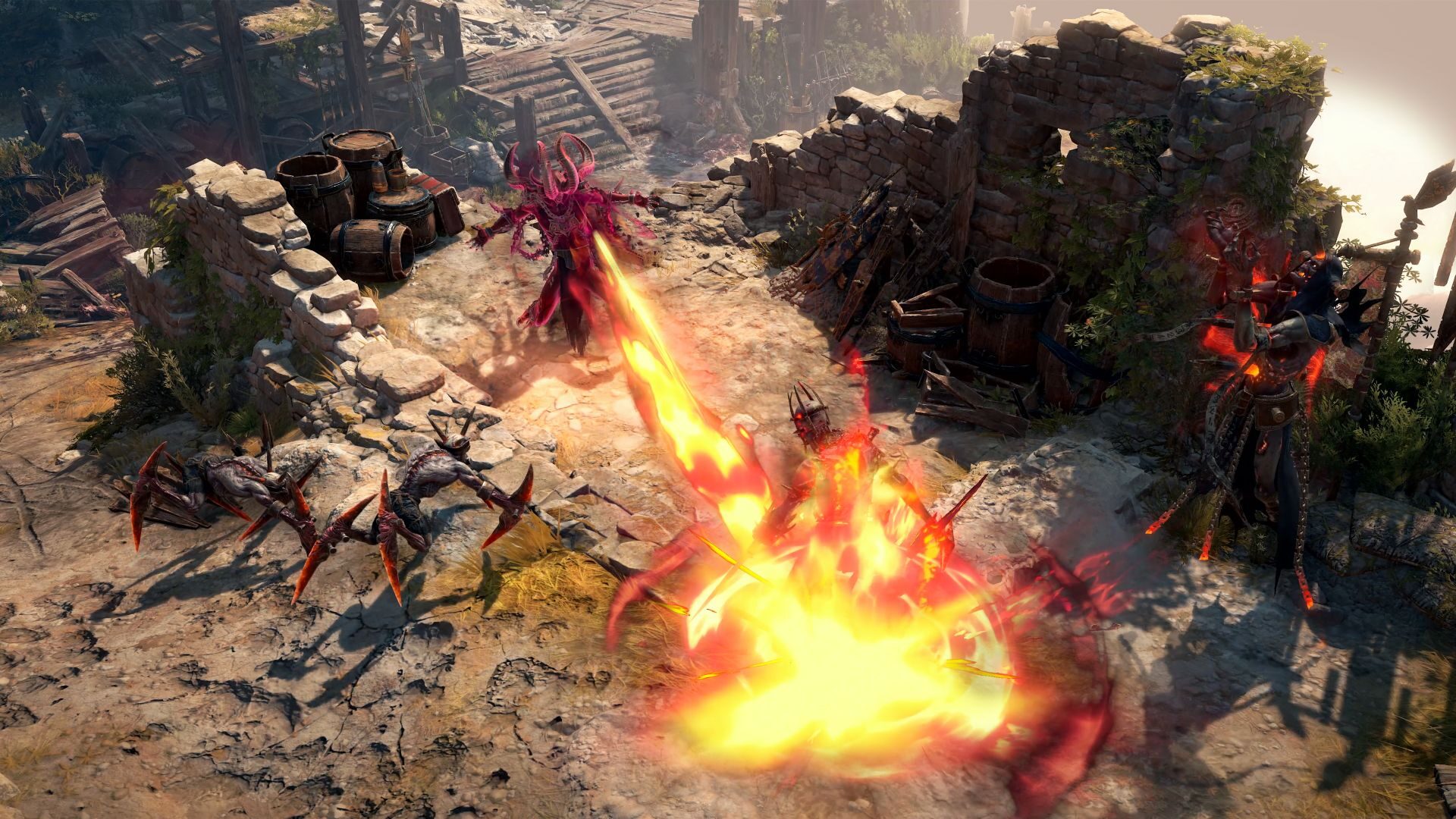
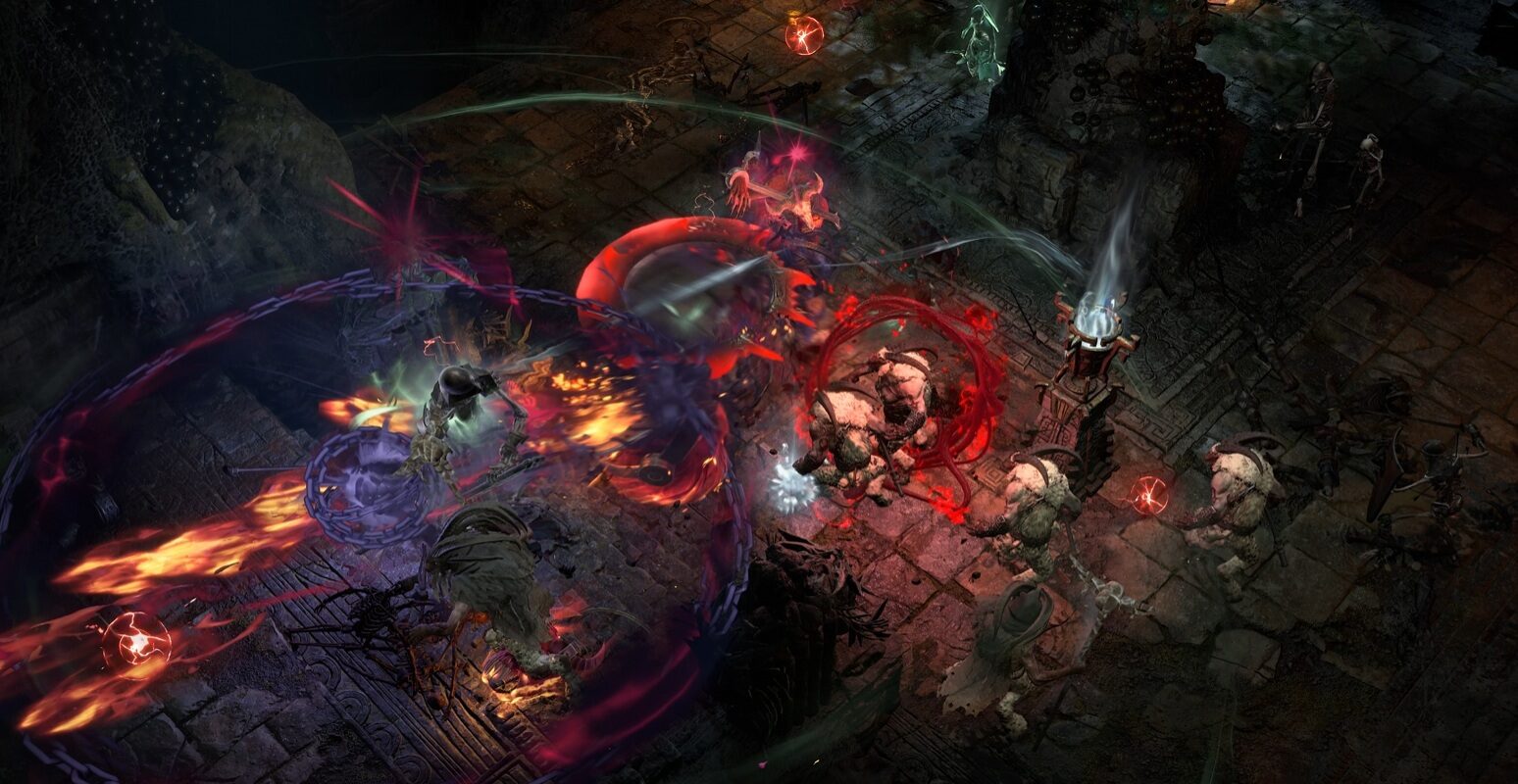
As a Warlock, I dove into the various systems at play, and it is a treat to get behind the book and drop spells on the hordes of enemies. After trying out each available setup, it’s clear that Blizzard Entertainment developed a class they wanted to play with themselves. The Warlock is FUN. With the right setup, I was able to transform into a walking demon, eviscerating enemies during a particularly gruelling Hell Tide swarm, and you feel powerful. You can jump, slam, slash and use a gargantuan demon arm to yank enemies into piles. I then dropped a weakening sigil on them and finished up with the new ultimate Terror Swarm. Slamming waves of enemies is glorious carnage.
“Diablo IV: Lord of Hatred is a phenomenal expansion.”
My favourite skill as the Warlock is the Wrath-using Blazing Scream. With the new skill tree system, I was able to choose between making this align closer with the Abyss-using skills from the Warlock tree (which are denoted by their purple colour, and reliance on reaching into the Abyss for power), circle around my character, or burst as a Diablo IV version of Elden Ring’s Age of Stars spell. The skull flies and spews Hellfire like a breached water hydrant, and with updated skill modifiers, class identity has never been more important when build-crafting. This version of the fiery skull bounces off walls and overwhelms the battlefield with fiery rage.
Further, the Warlock utilizes two separate resources to reach into hell and wreak havoc. Wrath denotes spells like the Sorcerer (and the mentioned Blazing Scream), which are cast and rebooted like normal skills in Diablo IV. Dominance is the purple brother of Wrath, and straddles one half of the resource globe in the corner. Warlock classes have to juggle both resources to remain efficient against the hordes of hell. Casting Rampage uses Dominance, and players can cast it multiple times until Dominance runs out (then it has to recharge).
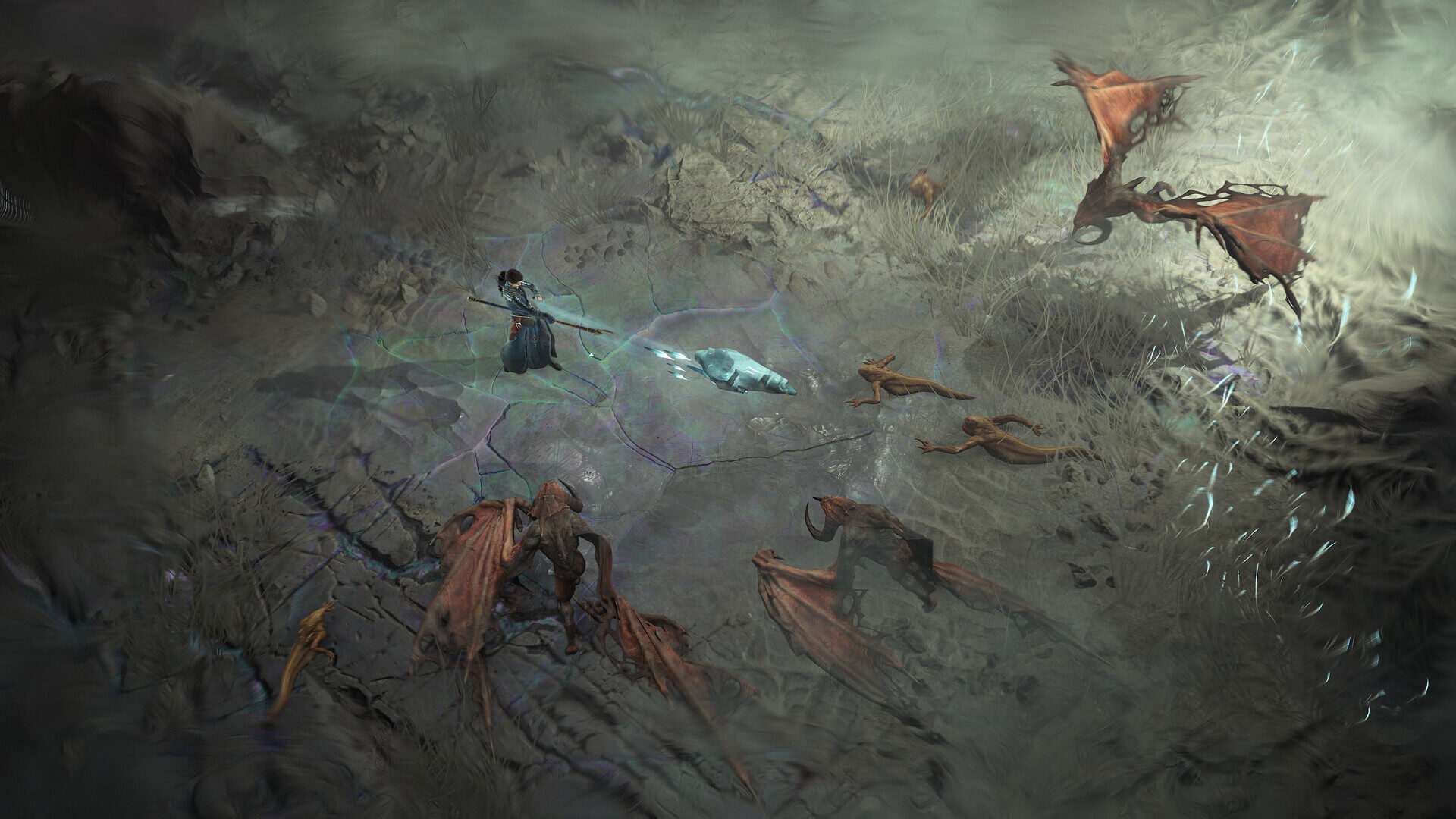
Rampage summons a demon that looks like they can’t find their car keys, as it smashes about and causes mayhem in frustration. You can further alter this ability, allowing it to be recast over and over as an Abyss ability, or have a timed countdown as a Hellfire ability. Somehow, there’s even more nuance. Rampage can be modified to destroy your own Lesser Demons, adding a layer of fortification to your health. As a glass cannon, this adds notable hardiness to the Warlock’s fragile frame, giving the player a bit more breathing room (by sending your own lesser demons to slaughter). The basic skill, Command Fallen, can by synergized with a well-timed Rampage, to get the Abyss-morphed skill to destroy ‘free’ summoned fallen (in groups of three) to increase fortification to its maximum. The Warlock is a battlefield general and is a treat to control.
After poring through the whole skill tree, the Warlock playstyle is different than the other classes of Diablo IV, and this is bolstered by the revamped skill tree in Diablo IV. Passive skills are tied to selected casted abilities, and these passives are geared towards forcing you to play a certain way. However, you can combine certain skills to fit into their sibling categories, allowing your build to be as unique as possible while retaining class identity. Further, the Warlock comes with its own specific class quest, allowing you to add an extra boon to gameplay like every other class on the roster. Very much like the Spiritborn’s Spirit Hall, the shards you can equip as a Warlock (after the class-specific quest, like the Spirit Guardians) will add notable bonuses to abilities without extra intervention.
The skill tree also offers more flexibility with the rehaul. Players can retool their skills and strengthen their favourites without having to worry about selecting passives in between. This skill tree is further strengthened by an increased level cap to 70, which makes balancing your class build much more efficient. Finally, each skill can now be levelled to a maximum of 15 (without added gear bonuses), allowing players who cater to spamming one skill the ability to continue spamming (I see you, Whirlwind Barbarian). This expansion launches TWO new classes, and everything explained in the Warlock breakdown works exactly the same way.
As a matter of fact, Diablo IV veterans now have an excuse to jump back in. The new skill tree effectively makes each class have a new identity, and newcomers will find it easier to make their build cater to their playstyle by attaching every level to certain favourites. The skill tree now lets players try what works and scrap what doesn’t at the drop of a hat. Diablo IV also adds another quality of life change, the loot filter, to further decrease the time players spend in menus. With this functionality and overhauled skill tree, Wanderers will undoubtedly spend more time wandering than in the menus. These are all incredible changes made to the inner workings of Diablo IV, and they all work well in Lord of Hatred.
“Fans who were waiting for a good reason to go back to hell (or a reason to go in the first place) will find one with Lord of Hatred.”
For just the campaign and class additions alone, Lord of Hatred is the best content update to Diablo IV yet. That’s without discussing the intense quality of life changes Blizzard Entertainment dropped on players. Skovos brings new biomes, lush scenery and a dynamite soundtrack set to stakes that have never been higher in Sanctuary thus far. The voice of Mephisto returns, and he commands every scene he’s in, layering the entire experience with a sense of dread and fear for humanity (it’s a wonder Blum also voiced Spike Spiegel).
Outside of the campaign, Blizzard Entertainment has listened to its player base. Skill trees have been overhauled, and the development team has increased the importance of class identity with the ability to change what each skill does from when it’s cast, and this isn’t exclusive to the new classes introduced in the expansions, every class since Diablo IV launched has gotten touched up, making Lord of Hatred a change to the foundations of Diablo IV.
Diablo IV also didn’t skimp on Endgame content, dropping new ways to increase character efficiency and new challenges to pit the new (and rehauled) classes against. War Plans serves as new endgame content after you finish the campaign and gives players direction on what they should accomplish for rewards. Echoing Hatred has players face off against a literal endless horde of enemies that increases in difficulty (which also increases rewards). Diablo IV: Lord of Hatred also features the permanent return of the Horadric Cube (from previous titles) and introduces the Talisman system for players to break their builds (and the hordes of hell) further. One thing is certain regarding Diablo IV: Lord of Hatred: fans will absolutely get their expansion’s worth.
Diablo IV: Lord of Hatred is a phenomenal expansion. Diablo IV continues its gripping story with high stakes as Mephisto looms over Sanctuary and gives fans two new toys to play with in the Warlock and Paladin classes. Rehauling the skill tree for every class outside of the new ones lets the old guard come back to Sanctuary and slaughter demons through a new (and more focused) lens.
Lord of Hatred is bursting at the seams with content. New classes, skill trees, abilities, new locations, and brand-new boss enemies await players on the island of Skovos. After playing 30+ hours of the new expansion, it feels like I barely scratched the surface of what Blizzard has brought to the table, and Diablo IV feels like a more fine-tuned experience than before. Fans who were waiting for a good reason to go back to hell (or a reason to go in the first place) will find one with Lord of Hatred.