
The way we socialize and celebrate has changed dramatically over recent years. Themed party games are at the heart of this transformation, bringing people together in unique and memorable ways. Whether it’s a retro trivia night, a murder-mystery dinner, or innovative takes such as themed music bingo, these games are creating fresh opportunities for interactive entertainment. This trend is not just about having fun; it’s reshaping how we connect and engage as a group.
The Evolution of Group Entertainment
Traditional party games had a simple goal: break the ice and get guests involved. Over time, however, entertainment seekers have demanded more immersive and meaningful experiences. Themed games add layers of narrative, competition, and creativity, elevating the standard get-together into an event remembered for months or even years. These formats appeal to a range of age groups, making them suitable for family gatherings, corporate functions, and celebrations among friends.
By anchoring the event around a recognizable theme, organizers can create cohesive environments that transcend generic party activities. Guests are often encouraged to dress in character, embrace specific roles, or compete in teams, elements that boost engagement and ensure everyone feels included. This shift toward interactive, thematic entertainment mirrors the broader trend in media and pop culture, where participation is just as important as observation.
Diverse Formats Meet a Variety of Interests
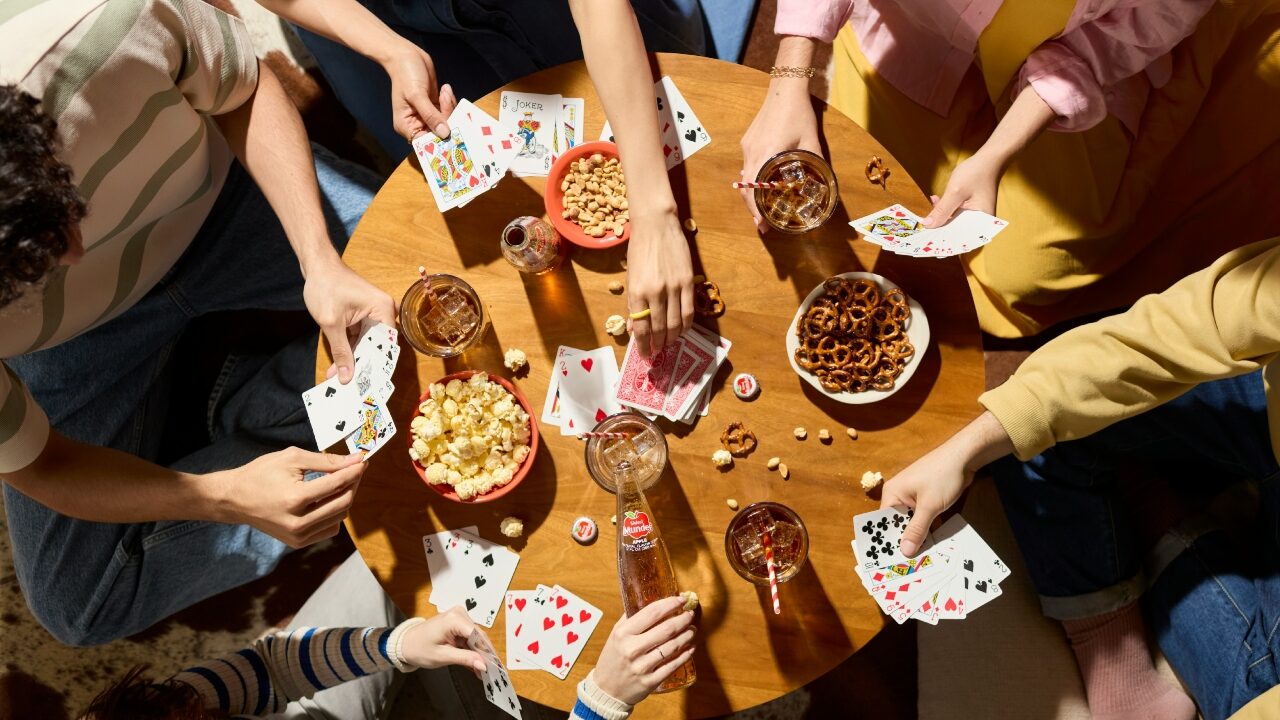
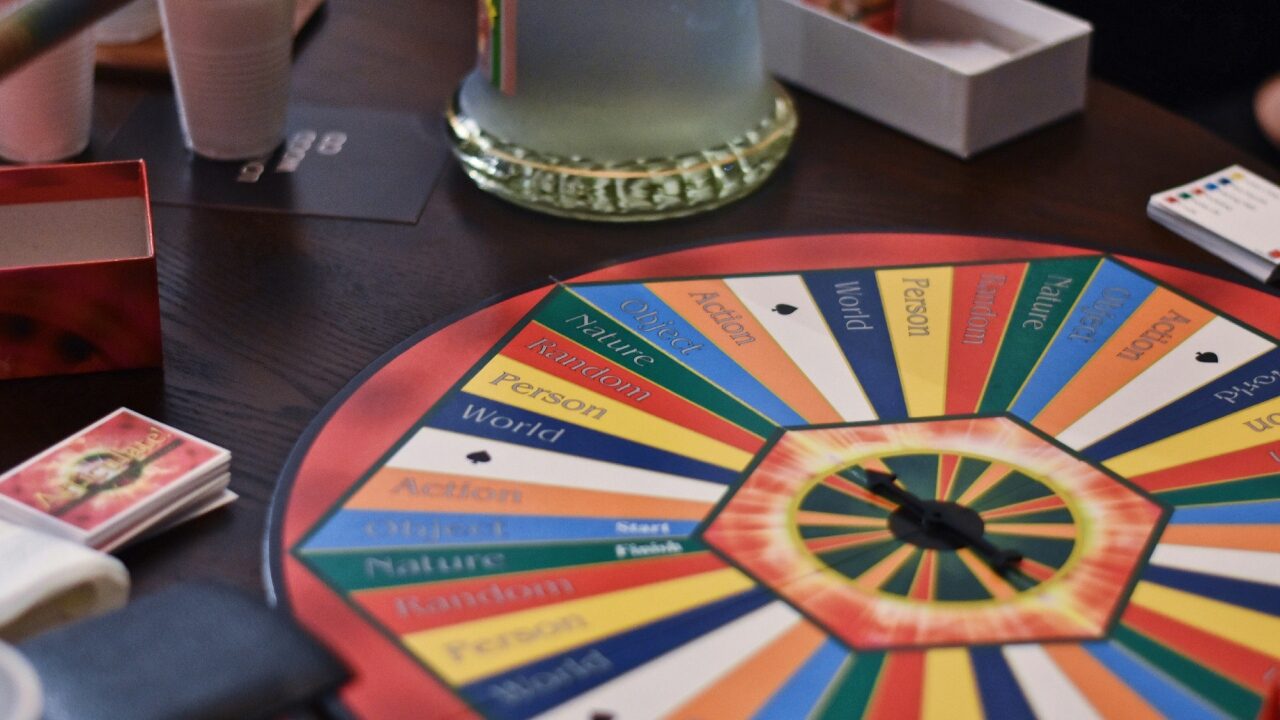
Themed party games are not limited to one format. Their adaptability allows for a broad spectrum of experiences, from classic games updated with new twists to fully original concepts designed for specialized audiences. For example, escape room-style games can be brought into the home, prompting teams to solve clues and unravel mysteries together. Board games and card games built around pop culture themes, such as popular TV shows or iconic films, invite players to dive deeper into universes they already love.
Music-based games uniquely cater to audiophiles and casual listeners alike. Incorporating popular hits or genres into gameplay, like in modern music bingo, lets everyone participate regardless of their musical expertise. Trivia games with specific themes, be it science fiction, sports, or history, test knowledge while naturally sparking conversations. This level of customization means themed party games can be tailored to any group’s preferences, leading to higher involvement and satisfaction every time.
Fostering Social Connection Through Play
One standout benefit of these evolving games is their ability to forge meaningful connections among participants. Unlike passive entertainment options such as watching movies, party games require active involvement, teamwork, and communication. This encourages guests to collaborate, compete, and joke with one another, breaking down barriers and building new friendships. Particularly in our increasingly digital world, these experiences create valuable opportunities for face-to-face interaction.
The rise of virtual and hybrid event formats has further expanded the potential of themed games. Technologies now allow players in different locations to join events through video calls, online platforms, or dedicated apps. This flexibility ensures that even long-distance friends, remote colleagues, or family members separated by geography can enjoy the same activity together. Themed party games, whether played in person or online, seamlessly bridge gaps and provide a shared experience that resonates long after the event ends.
Innovation and Accessibility in Party Game Design
Another driving force behind the popularity of themed games is ongoing innovation by creators and hosts. Game designers are constantly developing fresh scenarios, props, and mechanics to keep experiences exciting and accessible. Many games require very little setup or prior knowledge, making them perfect for spontaneous gatherings as well as planned events. Digital resources like printable kits, online playlists, and interactive platforms have eliminated barriers for both hosts and guests, opening up this form of entertainment to wider audiences.
Inclusivity is increasingly prioritized, with options available for various group sizes, ages, and abilities. Modular game formats allow hosts to scale the complexity up or down to match the guests’ experience levels and interests. This accessibility ensures nobody feels left out, enhancing the appeal and longevity of themed party games as a centrepiece of modern entertainment culture.