
Magic: The Gathering is a game that has become what it is, thanks in part to the art and artists who brought its world to life. Countless collectible card games have hit the market, but few have been as impactful as Magic, with its fantastical worlds and integrated universe that dominated the game’s early years.
Now MTG is bigger than ever and has expanded with various other properties into the Universe Beyond, but one thing that is still prominent is the art and the artists who make that possible, and both Scott M. Fischer and Rebecca Guay have spanned decades of working with Wizards of the Coast and making some of the most iconic cards in the game.
With both of them at Lucca Comics & Games, they took time out of their busy schedules to talk about their careers, how Magic: The Gathering has changed over the years, and the impact art has on the game and how it shaped its identity.
So to start off, I’d love to know what brought you to Lucca, and how it’s been so far being in this citywide festival?
Scott M. Fischer: It’s been amazing. My first time here was in 1998 for a Lucca Comic Con, but it was a much smaller affair. It was still big back then, but compared to what it is now, it’s insane. And then Rebecca and I love doing these shows together, and we were just here last fall for the Eternal Weekend that happened in Lucca. So, we got to be here for a much quieter show, and now we’re here for the chaos.
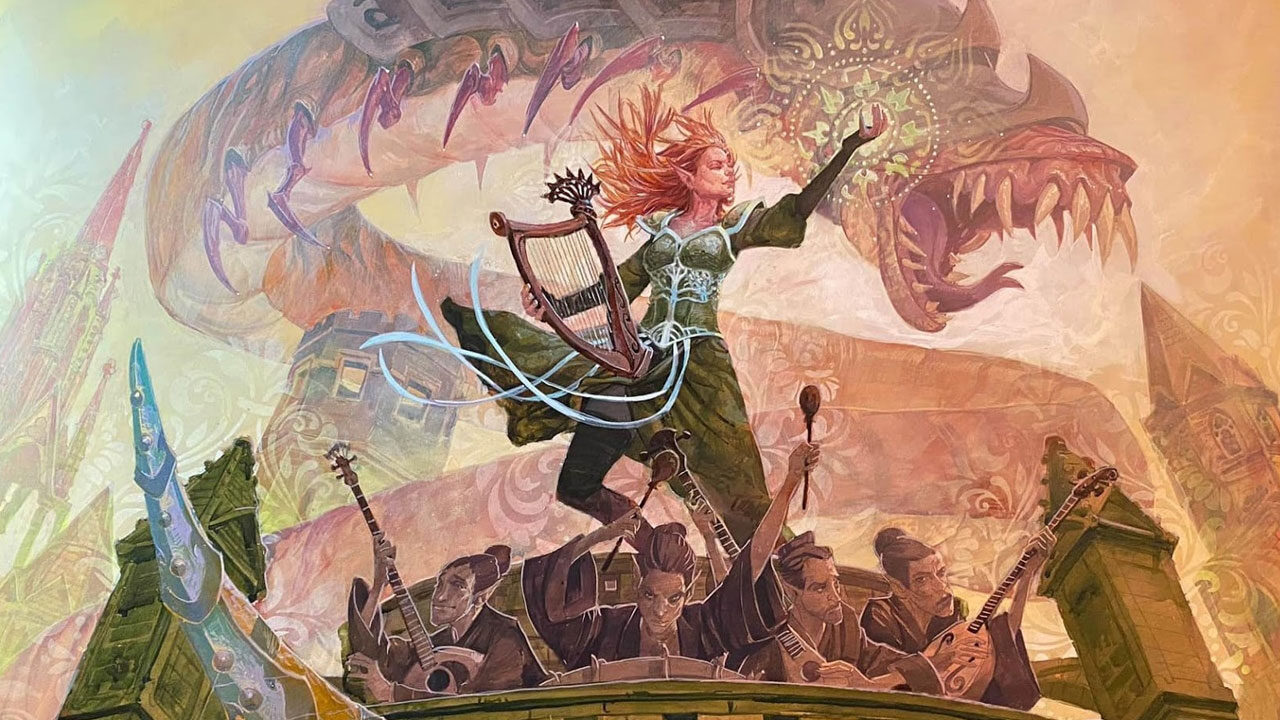
Rebecca Guay: And the chaos is great fun. Where we were staying, it overlooks one of the areas where there are a lot of cosplayers and the Pokémon Pavilion, and I was thinking about how magic it is to have the whole city turn itself over to this.
And how, actually, my whole life has been a part of going to big events like Comic-Con and Gen Con and various big conventions, and how fabulous this is. And how, historically, these great cities throughout the world, throughout history, have always been home to these city-changing cultural events. There were the great textile and spice trading things that happened throughout Italy and throughout the world, and various things that people make pilgrimages to.
And seeing this event in the context of Lucca and the city itself made me realize that this is the sister of the games, of the art and the culture thing that’s done here now. And the all-inclusive nature of it, the big, huge carnival, but for gaming and comics, it’s so special. Awesome.
I wanted to talk about the fact that you both have been working with Magic for so many years. There have been some amazing cards. How has the process of working with Magic: The Gathering and Wizards of the Coast changed from the early days to now? And how has your personal process changed with those changes?
Scott M. Fischer: Yeah, I was saying earlier that I think it’s one of the most special things about working for this game for 30 years now is that we’ve grown with the game and they’ve grown with us. Stylistically, if you look at what I was doing in the ’90s and you compare it to today, right, which is a whole other subject we could discuss.
But yes, I’m still signing cards that I did in the ’90s. So for me, the evolution of the game has been great. The size of it’s huge. Even back then, we thought we had five years of it. We thought it was going to be Pogs or any number of other things.
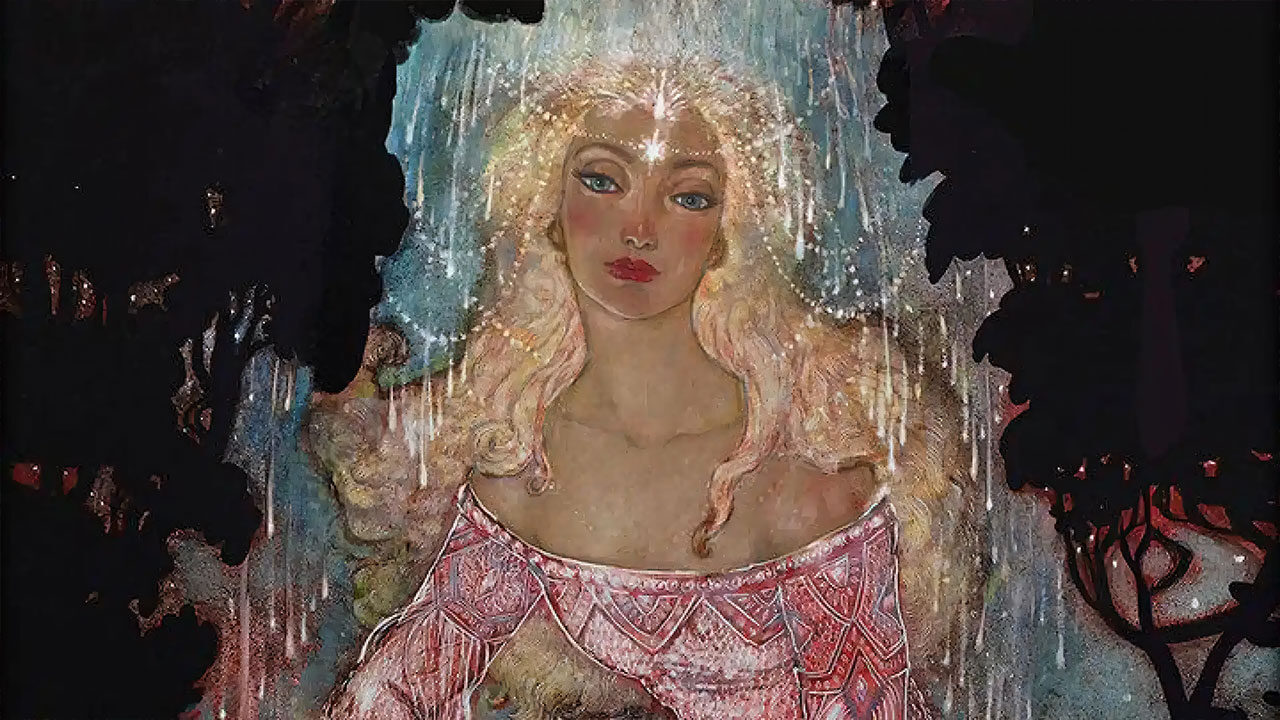
There could be some cool Pogs.
Scott M. Fischer: That’s what I’m thinking. Yeah, absolutely. It’s grown unbelievably. I cannot believe it. And I can’t believe we’re still having this interview with you all these years later.
Rebecca Guay: I know. I just adore having it go from a place where it was just kind of a smaller group of people who were in love with it to be almost this mainstream thing that now so many people are enjoying. And it’s opened the door for fantasy realms to be welcomed among everybody, where it used to be so niche.
And you just stuck with your people, and you just felt safe in your happy little place, which is the kind of person that I was, and brought me into fantasy art in general. And so it’s a tremendous thing to see the scope of what’s happening in the game. And it’s really nice.
Scott M. Fischer: Universes Beyond, I know it could be a controversial thing. People want it to be classic Magic, but from the artist’s perspective, it’s fucking awesome. Because do I get to paint freaking all the stuff that I wanted to paint for other worlds? I’ve been in the fantasy world for so long. So for me, being able to do the Green Goblin for the Spider-Man deck is like, are you kidding me? This is insane. So that’s great too. So now we can do even more. And you, of course.
Rebecca Guay: I’ve enjoyed the recent Labyrinth piece I just did.
Scott M. Fischer: That was so good.
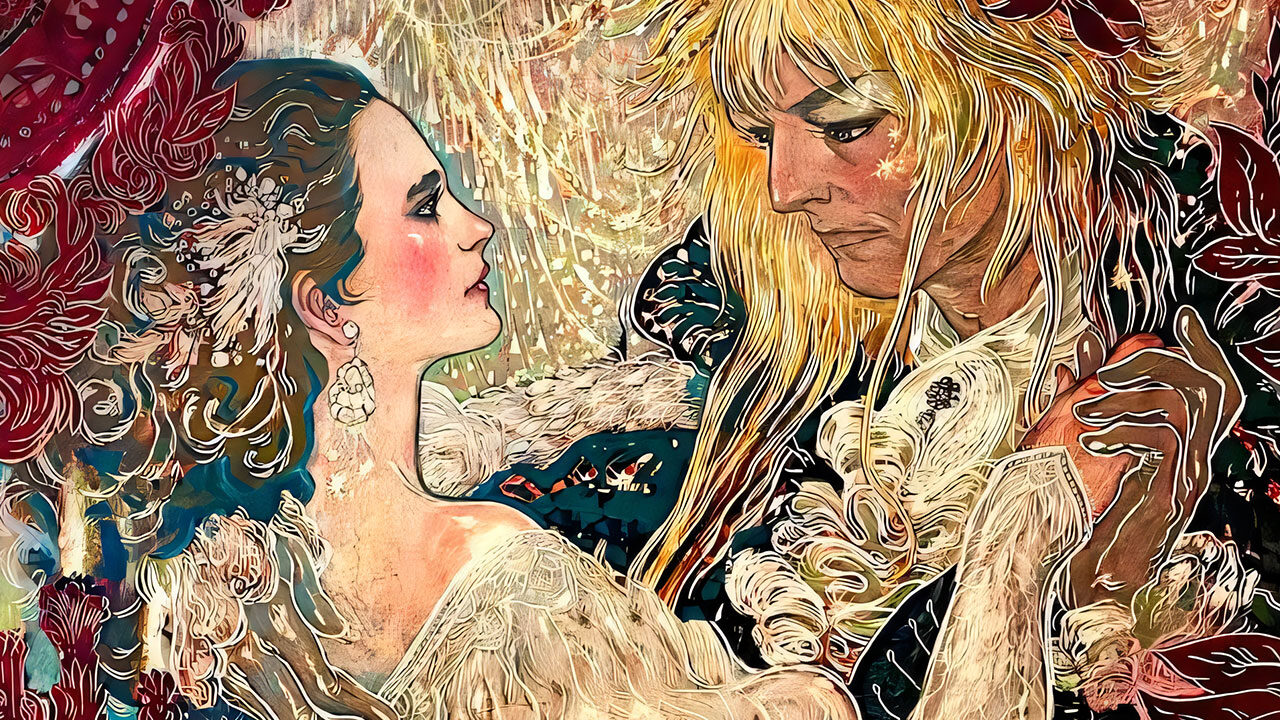
Rebecca Guay: It was great to do David Bowie. It sort of tapped into all the feels. And the glad feels, too. It was like having that experience of painting these super iconic things for Magic, for this game that I really believe in. I believe in Magic in a very broad and existential way. I think some of the best people I’ve ever met have been involved in Magic. Some of the nicest people, the nicest fans, have been in Magic.
And because I started in comics, and I love the comics world, I do, but there’s nothing quite like Magic. They’re really special. And the community nature of how the game gets played builds friendships, builds marriages, builds relationships. People partner for life around this thing, in personal relationships and friendships. And it’s an amazing thing.
I did want to talk about the fact that you both have very different art styles. How much leeway do you get when they say, “We need these pieces for this set”?
Rebecca Guay: In the beginning, there was a lot more creative freedom. You’ve probably heard this before. In the early ’90s, what we’d get is a very simple prompt. Before there were any style guides, I might get just one description of an elf in the woods or a person in the woods, or you didn’t say anything—just somebody lost in the woods.
And you could design everything from the costume to the character, to what kind of character it was, everything. And most of Alliances was like that for me, and the next set. And so it went from kind of total creative freedom to a more structured situation. But now, at this point, I get a privilege. It’s a career privilege, at this point, being where I am in the game, to have a lot more creative freedom.
Because now, when I do take a card, I’m not going to try to change it, but I will push a lot, and I will offer that as an option. And usually the art director teams really like the direction that I’m taking under my own creative impetus.
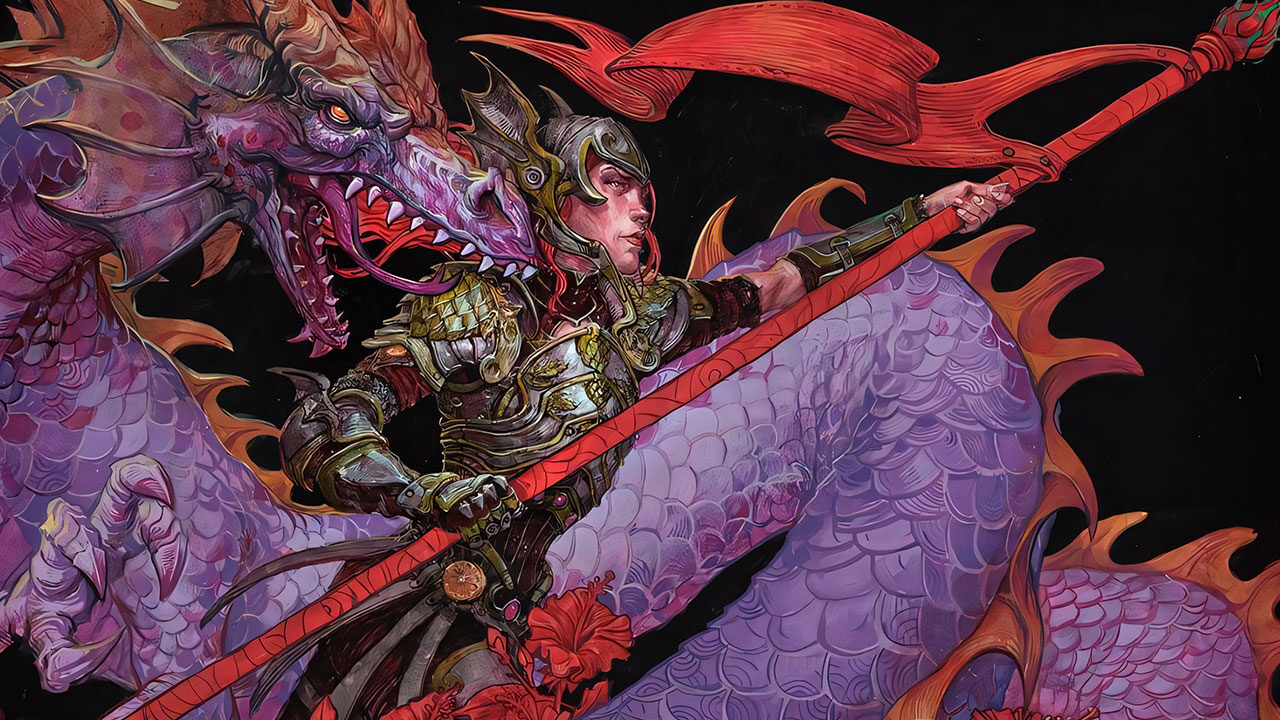
Scott M. Fischer: It’s actually fun as an artist to have something to work against a little bit. And how far can I push this and still have it do what they wanted it to do, but make it be about me?
And in the beginning of a career, you’re just trying to satisfy the client 24/7, and then at some point you’re like, “What about me? I have to satisfy me too.” And if you can satisfy both, it’s great. But I have a recent story where I did a piece, and I did exactly what they wanted in the description in the sketch. They told me to do it, I drew it, and I got the best feedback ever from that art director.
They’re like, “Yeah, this is cool, Scott. Or you could go crazier.”
And I’m like, “Go crazy?”
And they’re like, “Yeah, you could go Criss Angel crazy.”
And I’m like, “Wait, really?”
Because I was under so much pressure. There were deadlines. Sometimes it’s easy to just do what they ask of you, and you have to actually pause for a second and think outside of what they’re asking you. And sure enough, I got to go crazy on that piece. Literally, they’re like, “You don’t even have to do it for this particular card. You don’t even have to do exactly what’s in the description. As long as you do this Planeswalker, that’s all we care about, and you get this vibe.”
And then I just got to go nuts.
As an artist, does it make it easier or harder for you, the way that it used to be versus how it is now? Is all that creative freedom with MTG that you used to have more of a challenge because you have to come up with more, or is fitting in someone’s box harder?
Rebecca Guay: Creative freedom is pretty wonderful. It is. When you work in a creative partnership as a commercial illustrator, you learn very much how to bounce off stuff, though. And so having the prompt to bounce off of is really very good.
A great art director will understand exactly when to give you the ability to push and give something really original, and a really bad art director will take that creative spirit that they’re working with and squash it. Fortunately, most of the art directors that I’ve had the pleasure to work with at Magic do understand that if you get a little more creative freedom, you’re going to give something that people are going to fall in love with.
If you kill somebody’s artistic spirit in the process of making a card for the game, it might be a playable card. People might like it, but you’ve missed out on an opportunity to create somebody who’s really attaching emotionally to the piece.
Scott M. Fischer: Yeah. You want them to hire you for your brain, not just your brush, right? That’s kind of the difference.
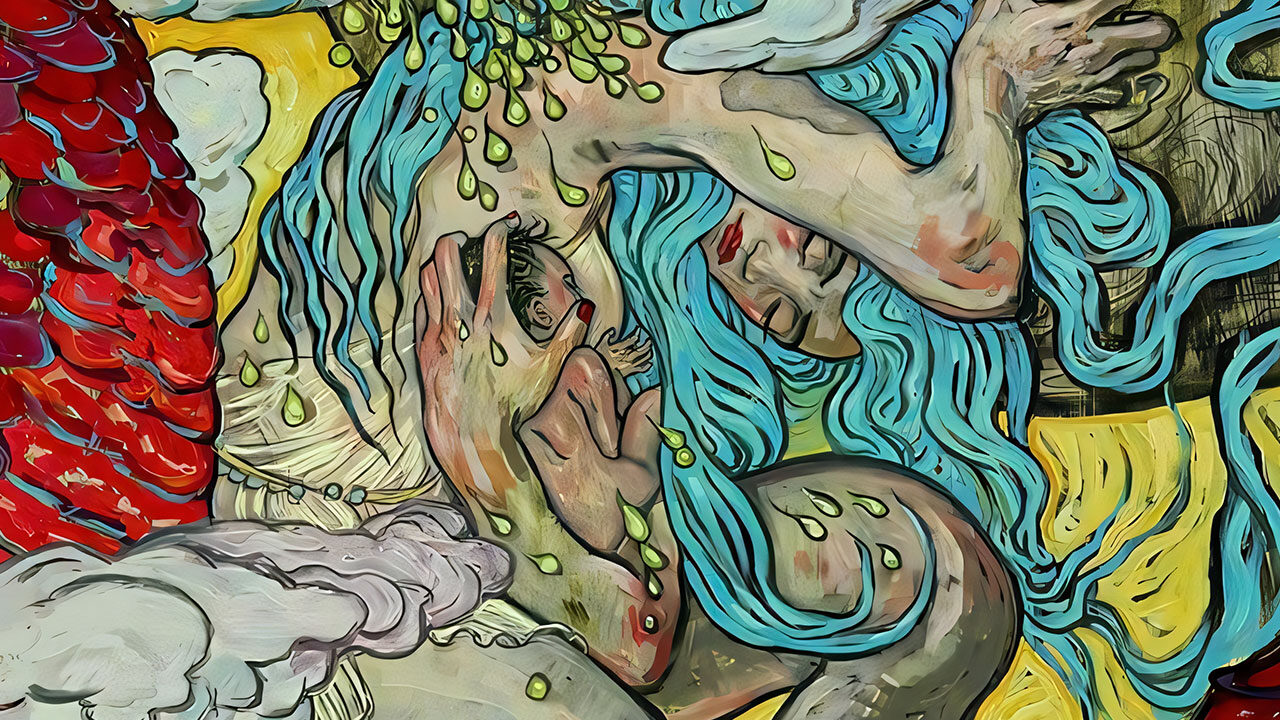
On that note, are there one or two characters from cards that you constantly want to look back on or that are just favourites? You always think, “I did that amazingly. Can I ever top that?“
Scott M. Fischer: Okay, so this is a great example, right? Because one of my most popular Magic cards in the game, just over my career, has been the Mother of Runes, right? And so many people love that card. And they come up to me, and they’re like, “This is my favourite card. This is my favourite art.”
And for me, as an artist, I’m like, “Oh, that’s so sweet. Also, I did that in 1998. I’ve probably gotten a little better since then.” And so then the question is, if they let me redo Mother of Runes, what would I do? And then I would think the players would still prefer the other version, even though it might be a much better painting this later in my career.
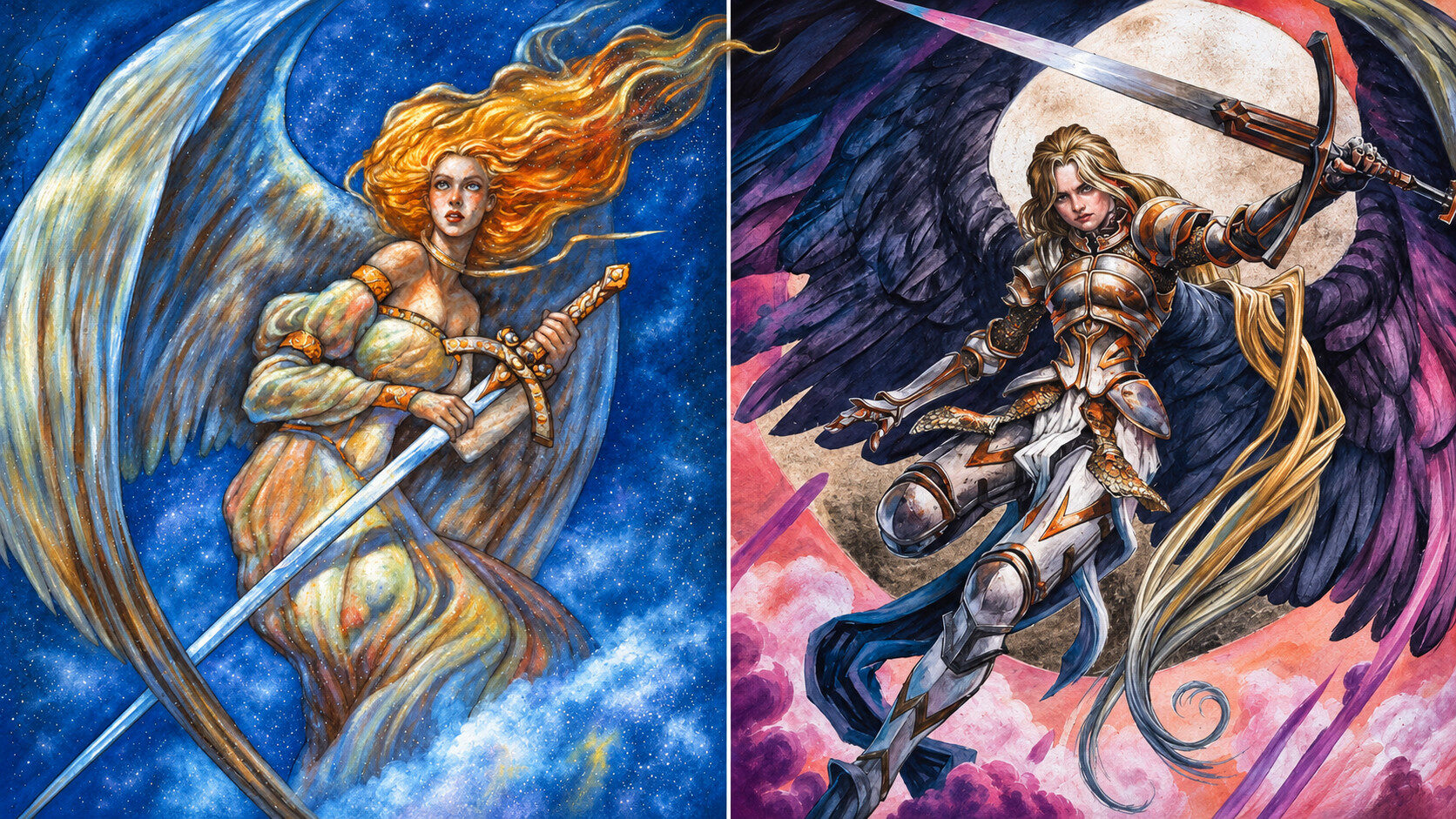
Rebecca Guay: So, I have a lot of cards in my history. I think that one of the ones that’s a favourite of mine, and it’s hard to pick a favourite because I love the Galadriel, and I love the David Bowie piece, and a number of favourites. But one that I know fans really always love and seems to be still a very popular card is both the Serra Angel and Priest of Titania.
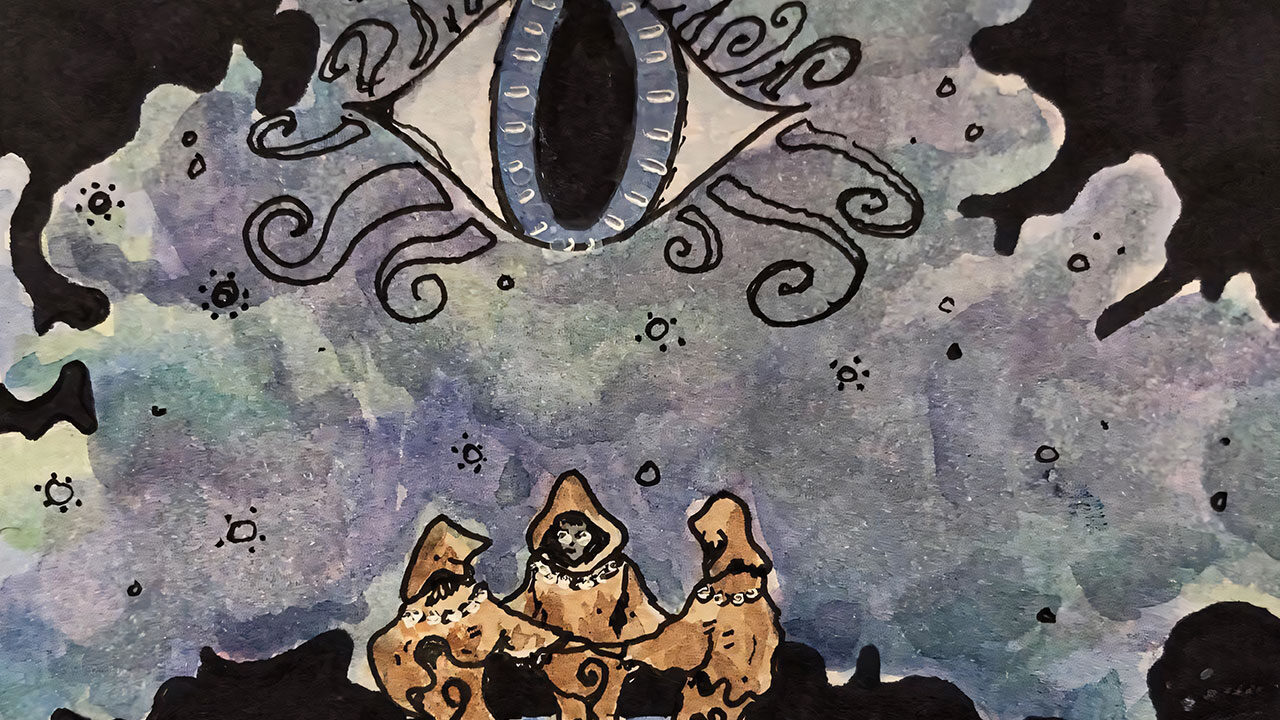
Dark Ritual is a very powerful card, but that was actually one of those pieces of art that I stayed close to the prompt, and I wish I kind of pushed it.
So another redo? Yes. We’re starting a list.
Rebecca Guay: Well, it was really neat to see in this Reality Fracture set that there were a few artists who got to revisit their cards, and it was really neat to see how their art evolved over all these years, pretty much riffing on the same painting that they did all those years ago. It was a cool concept.
Yeah, we’ve talked to numerous people who worked on Magic: The Gathering coming to Lucca, and some people will talk about how the art is kind of part and parcel with what made Magic so popular and so beloved. How important do you think the art is to why Magic has sustained itself for so many years?
Rebecca Guay: Hugely important.
Scott M. Fischer: Yeah, I agree completely. And it’s because of the fans who love it because of the art, and they keep coming back. But we’re pretty lucky that Magic, first of all, put our name at the bottom of every card. That was something really great to have done early on, and the recognition and tying the art and individual artist to a card.
It’s always why I felt that Magic has been a really good company. And also to help build fans, because it’s not one look, one unified look. It’s many looks that can attach to people, where it finds people where they want to be found with each individual style. And people can build decks around those individual feelings that they have for different artists. And yeah, that brings in more people. It’s very symbiotic. And Magic does know this. They understand really well.
Scott M. Fischer: I think they’re coming back around to this idea, right? Because in the early days, it was the Wild West. You’d have a Phil Foglio, you’d have a Quinton Hoover, and you’d have an Anson Maddocks. And these were radically different, whiplash-inducing things.
Or Scott M. Fischer and Rebecca Guay.
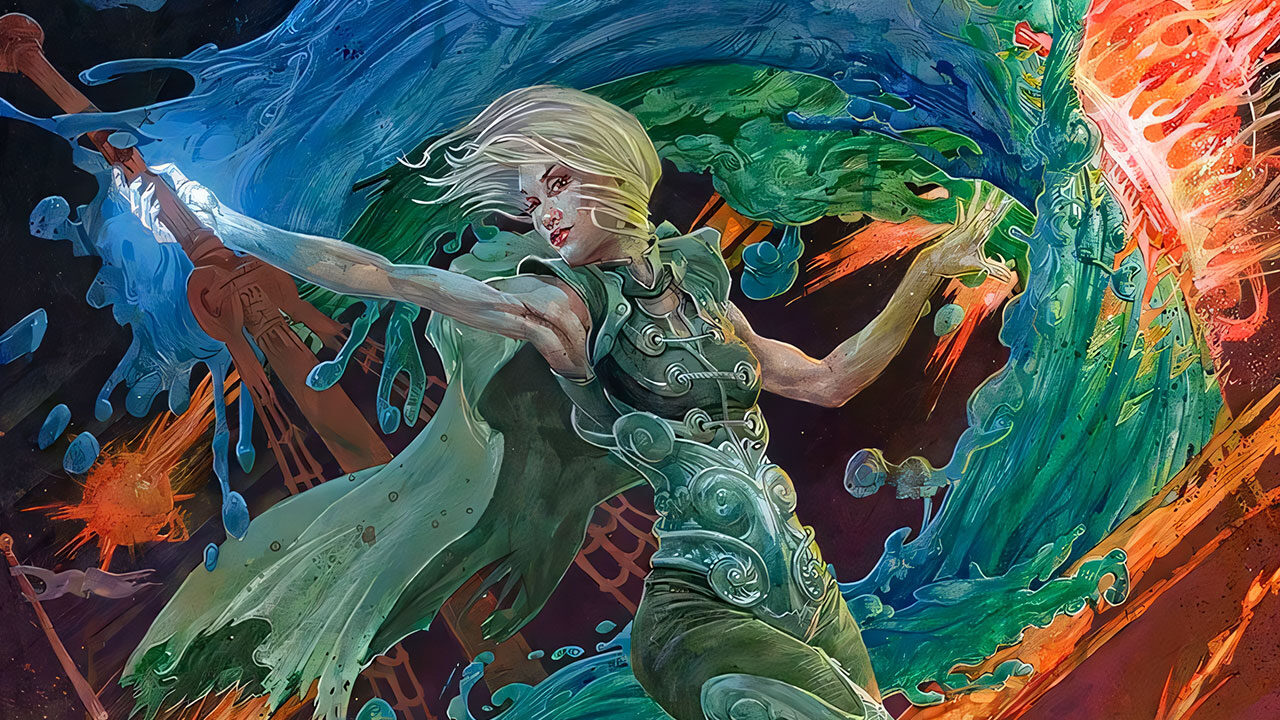
Scott M. Fischer: There was a period in the art, right? There was a point where Magic, it was really beautiful art, but it felt a lot like computer game stills to me. And then I feel like since the Secret Lairs and all the stuff that they’ve been doing in Booster Fun, they get it. Now they can choose.
Rebecca Guay: A few years, it got a Little more homogenized.
Scott M. Fischer: It was beautiful; it was very good. I just like seeing the variety.
Rebecca Guay: The variety is great. And that was the biggest complaint.
Scott M. Fischer: The art is huge for that.
Just for fun, are there any MTG dream characters, whether we’re going into Universes Beyond too, so even in that world, that you really wish you could get your hands on?
Rebecca Guay: There was one that I have really wanted to do, but I can’t speak more about it because there might be a chance.
Scott M. Fischer: Oh, yeah. And that’s the fun thing about Universes Beyond. Oh my gosh, the whole world has been opened. But for me, core Magic, Nicol Bolas, I need to do. I need to do a Nicol Bolas. That’s high on my list.
Rebecca Guay: I think I wouldn’t mind revisiting the straight-up Serra Angel myself.
Scott M. Fischer: Yeah, yeah. Oh, that’s a conversation. We’re going to keep putting that in there. Throwback.
Since you both work in very different art styles, how does it feel when you and another artist do similar characters, seeing one person’s take on a character compared to another?
Scott M. Fischer: It’s fun.
Rebecca Guay: It’s so much fun.
Scott M. Fischer: Rebecca and I both got to do the Mother of Runes, and I just loved Rebecca’s take on it. And it’s so cool to see that. And again, a special game where you have this opportunity to see a different flavour of the same stuff.
Awesome. Thank you. Thank you both for your time!