
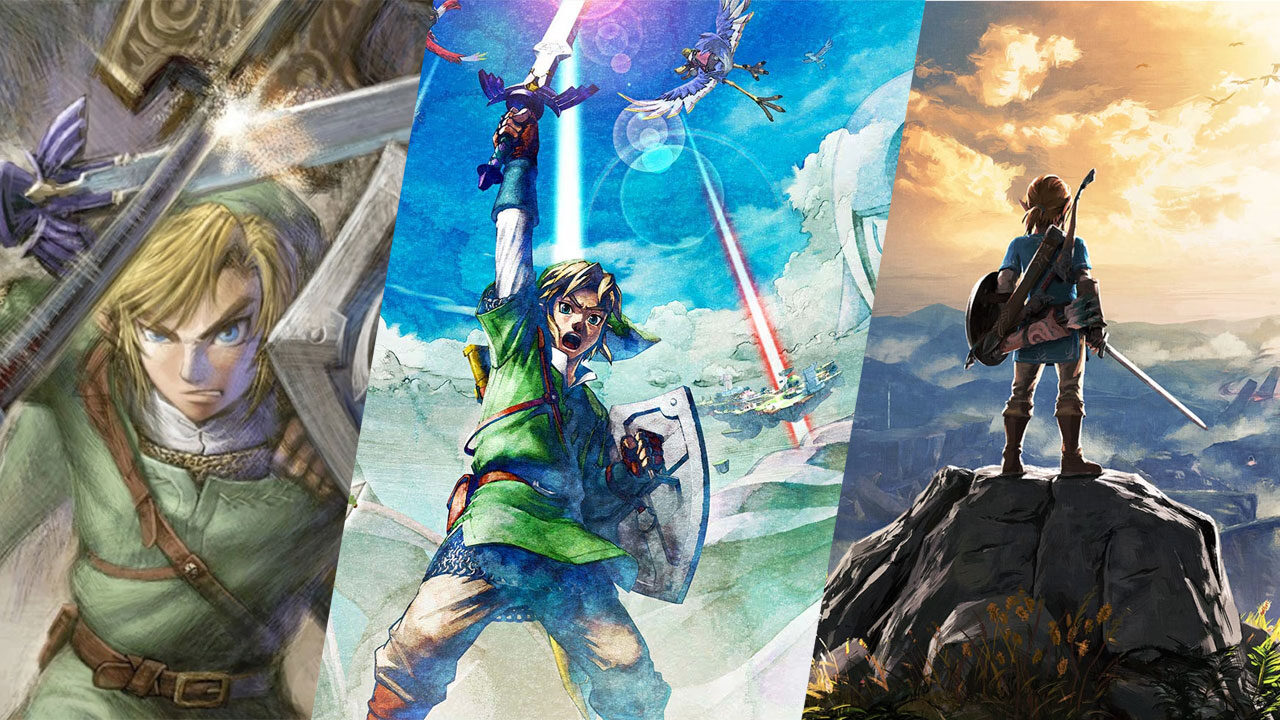
On December 4th, 2025, CGM’s Dayna Eileen messaged me, completely unprompted: “You should rank the Zelda games.” Being on the cusp of The Legend of Zelda’s 40th anniversary, it seemed like a worthy challenge. A challenge that would require wisdom, power and of course, courage to complete.
I’ve loved The Legend of Zelda series since I first played Link’s Awakening DX back in 1998, and I’ve definitely developed some strong opinions about it as I’ve gotten older. So now, as we celebrate The Legend of Zelda’s 40th anniversary, here is my humble opinion on how the series stacks from worst to best.
Much like with my Comprehensive Ranking of the Metroid Series, the focus of this list will be primarily on the “mainline” Zelda games; however, I would be remiss not to mention the many spin-offs that also exist within the series. As such, they will also be listed from worst to best in the honourable mentions section.
17. The Legend of Zelda: Skyward Sword
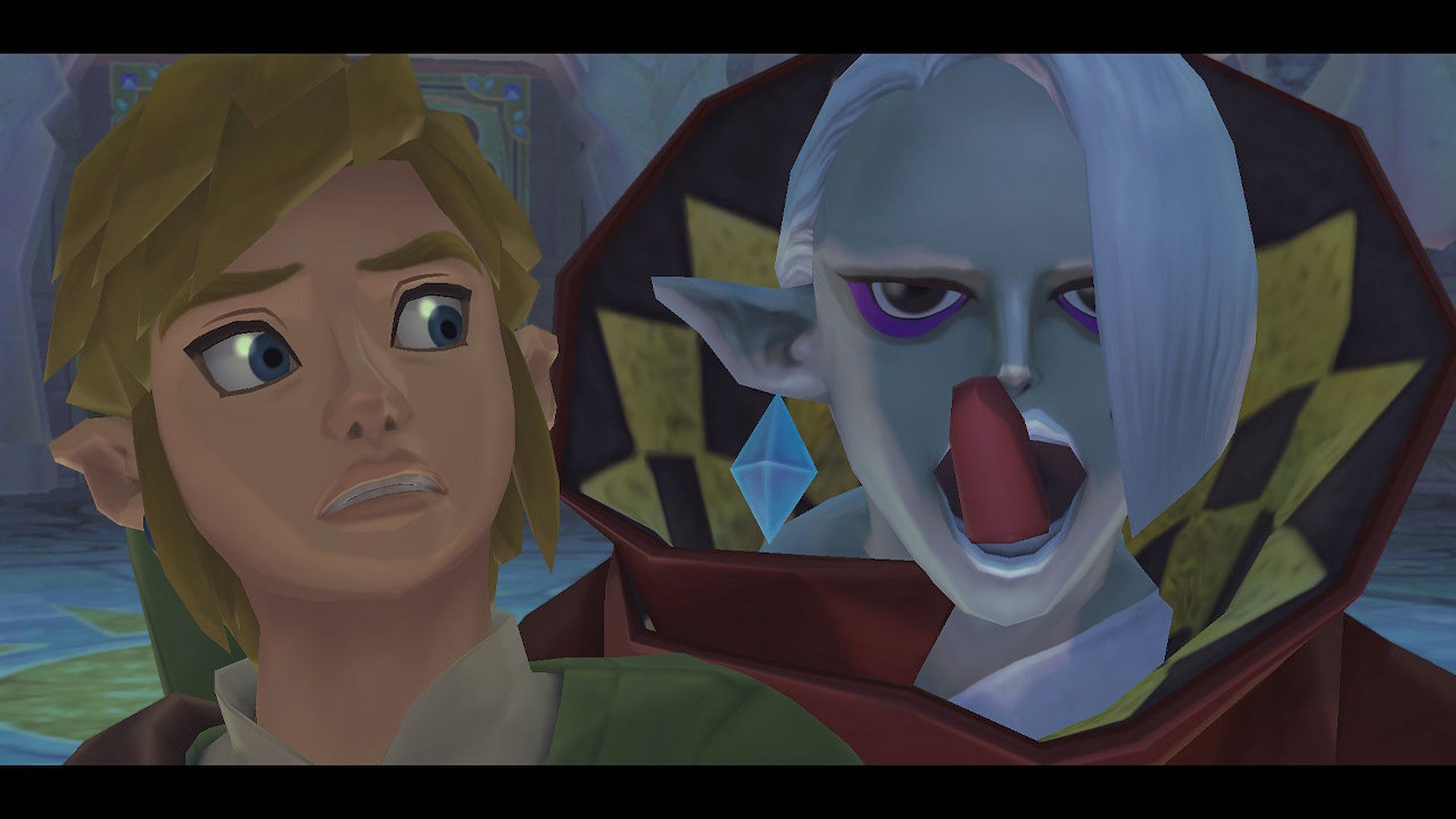
In all my years, I wouldn’t have thought it was possible to genuinely hate a Zelda game, but I HATE The Legend of Zelda: Skyward Sword. A gimmicky tech demo that was released on the Nintendo Wii, five years into its lifespan. Almost everything about this test of patience feels like the antithesis of what The Legend of Zelda should be. Terrible combat that prioritizes motion controls over fluid swordplay? Check. Small areas separated by an empty and pointless Sky World? Check. A companion who handholds you through the entire adventure? Big ol’ check on that.
It took years of established lore and flushed it down the toilet for a pointless retcon, so Din, Faeror and Nayru were replaced by a single goddess Hylia—making the Triforce kind of perfunctory. It failed to include the series’ main antagonist, so Ganon: King of the Moblins was reduced to The Demise—a nebulous concept about hate and anger or some lazy badguy writing. It’s a game so lazy it makes you fight the same terrible boss three times because it couldn’t come up with better Spore creatures for you to fight.
That isn’t to say it’s all bad. I loved the painted art style, and the game’s score is one of the best in the series. But for what it was, when it came out, it failed as both a video game and it failed even harder as a The Legend of Zelda game.
16. The Legend of Zelda: Phantom Hourglass
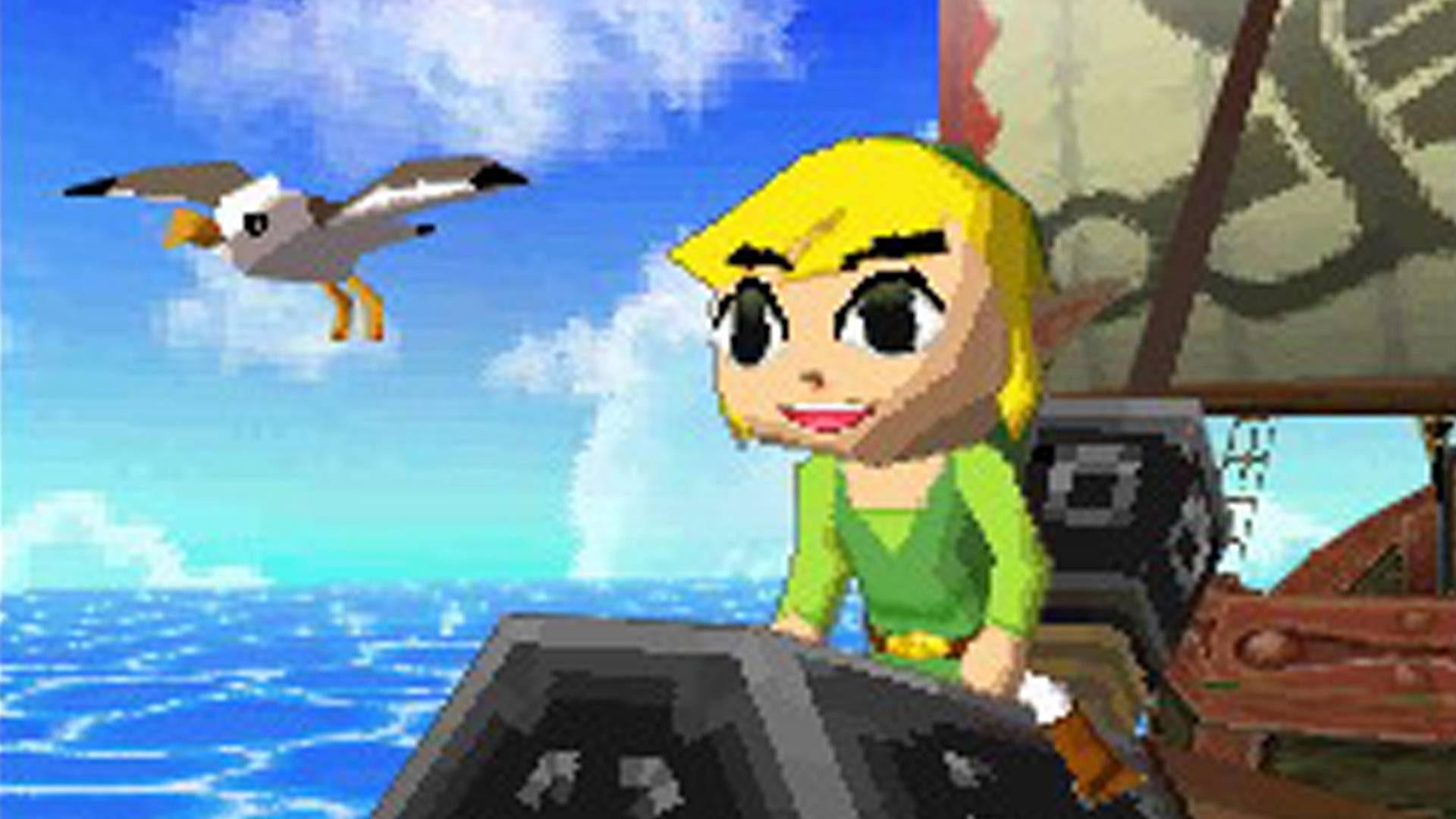
Phew, now that I got that out of my system, let’s move on to less offensively lower entries on this list. The Legend of Zelda: Phantom Hourglass is a pretty serviceable game, however there’s no denying its status as an actual tech demo for the recently released Nintendo DS, with the two releasing only three years from each other. It’s not really a bad game, but so much of its design feels in service of showing off what the system was capable of.
It’s a lot of using the touchscreen for movement, which was a particular bugbear for many people. Puzzle solving was certainly interesting, but it’s usually just a lot of drawing lines between obvious points. And as a kind of direct sequel to Wind Waker, it didn’t feel particularly unique. However, that puzzle where you needed to close the DS was GENIUS, and the game had one of the most fun multiplayer modes of any DS game at the time.
15. The Legend of Zelda: Tears of the Kingdom
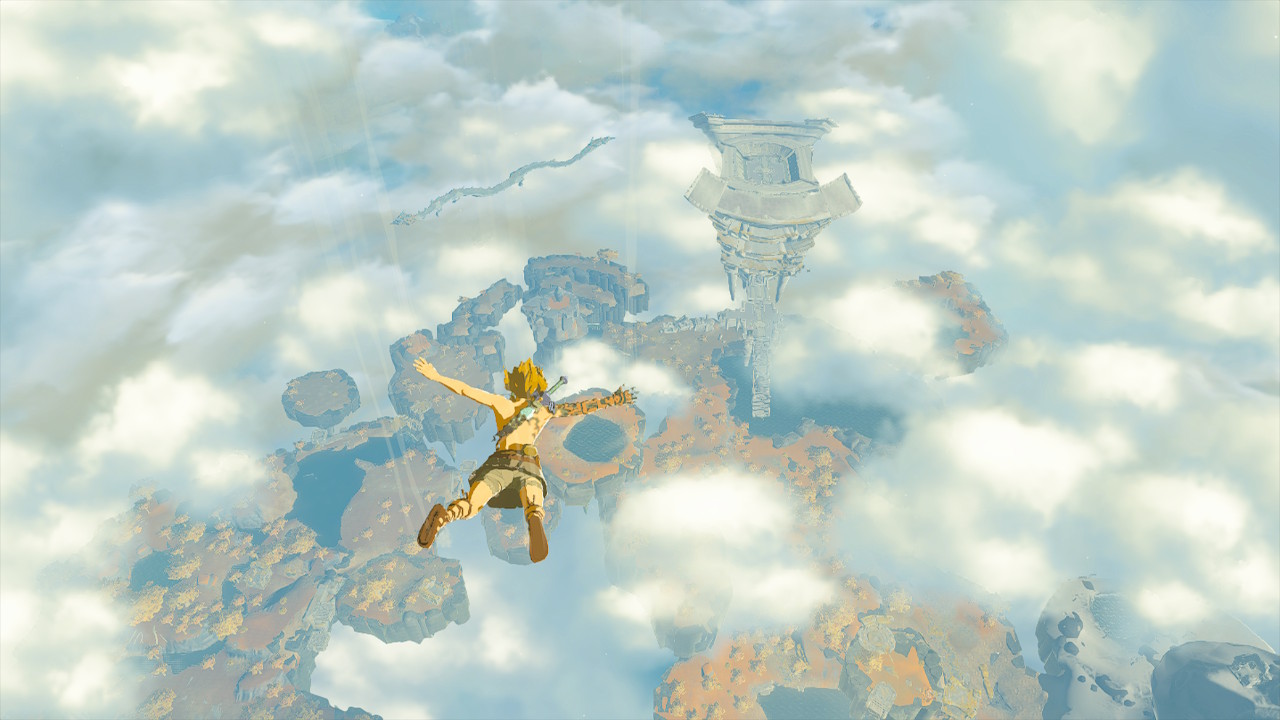
This one’s going to seem like absolute blasphemy. I always tell people, The Legend of Zelda: Tears of the Kingdom, feels to me like the fully realized version of Breath of the Wild, but I would sooner go back to Breath of the Wild than play Tears of the Kingdom. In a lot of ways, it’s a really good game. Its story is more expansive, its world is a lot bigger, and its mechanics feel far more fleshed out. But it’s a really good game, only if you never played the game that came before it.
When I wrote my list of things I wanted to see in The Legend of Zelda: Tears of the Kingdom, I was genuinely hopeful Nintendo might have listened to criticisms about the Switch’s flagship title. Instead, we got a lot of half measures. Swords still shatter like glass, but now you can glue sticks together, so it’s kind of fixed. Was constantly switching armour annoying? Good news, we’ve doubled the amount of armour sets you can find. Didn’t like constantly pausing the game to scroll through menus? Well, now we’ve made the menu one long linear list, on top of needing to pause to scroll through menus!
The overarching story is a bit better, but the most important bits—Zelda’s experience in the past—need to be found on the map, and important plot points can therefore be experienced out of order, which made sense in Breath of the Wild cause Link was recovering lost memories…oh, never mind. The weirdest thing to me is that it positions itself as a sequel but almost NEVER references the past game’s events. Which is why I say, there’s a lot to like about Tears of the Kingdom, but it’s only really worth playing if you haven’t played the game that came before it.
14. The Legend of Zelda
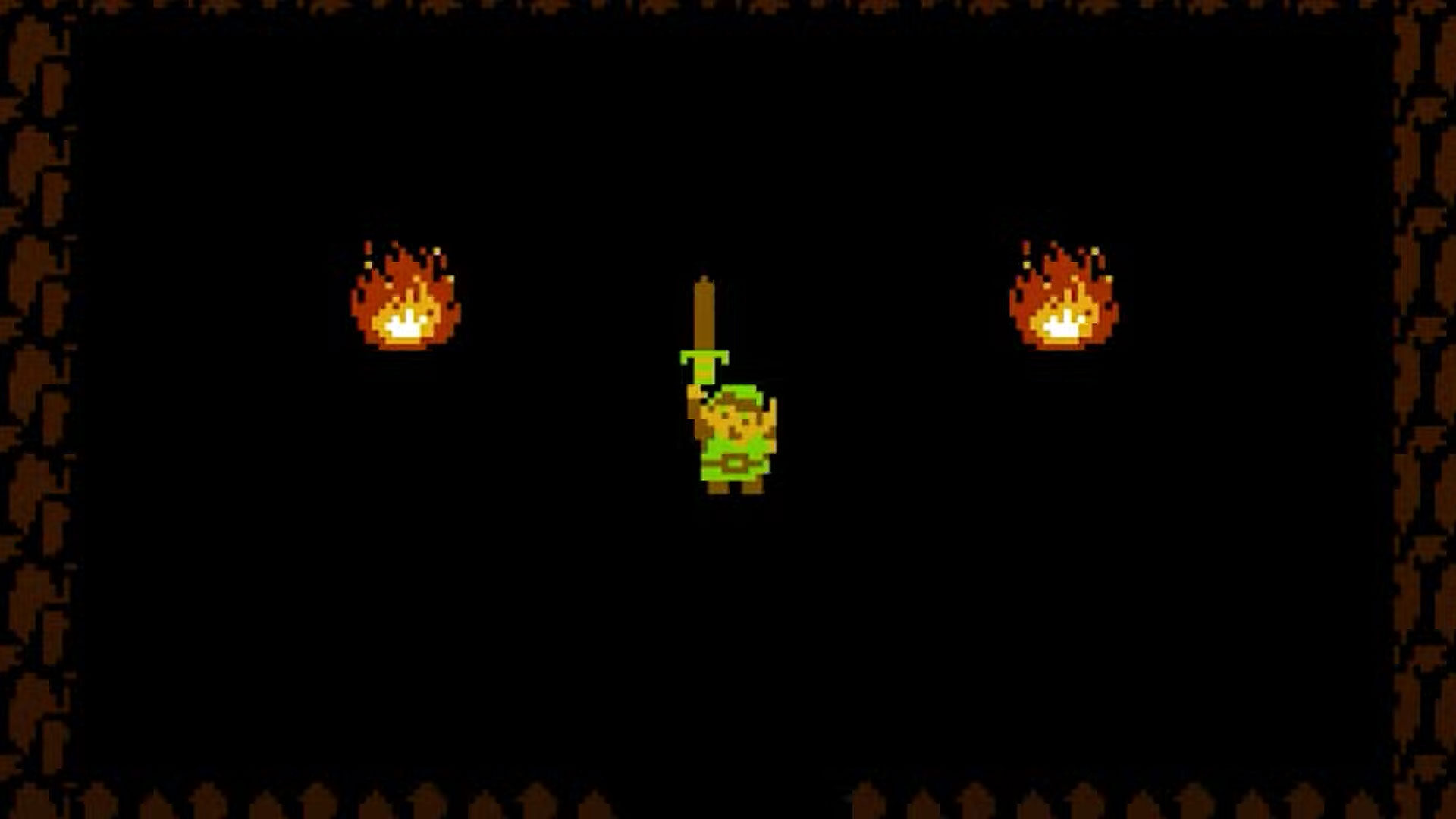
This is going to sound very similar to where I put the original Metroid games on my previous list. The Legend of Zelda was, without a doubt, a groundbreaking video game. It pushed the limits of what the NES was capable of and showed gamers that video games could be more than simple distractions—they could be entire ADVENTURES.
However, I think it’s fair to say, The Legend of Zelda hasn’t really stood the test of time. It’s certainly fared better than other games of the era, but it’s a bit clunky, needlessly difficult and almost completely unplayable without a guide—the first example of the “Nintendo Power Game.” While it deserves no shortage of praise for its size and scope—and being one of the first cartridge games to offer a save feature—it definitely hasn’t gotten better with age.
13. Zelda II: The Adventure of Link
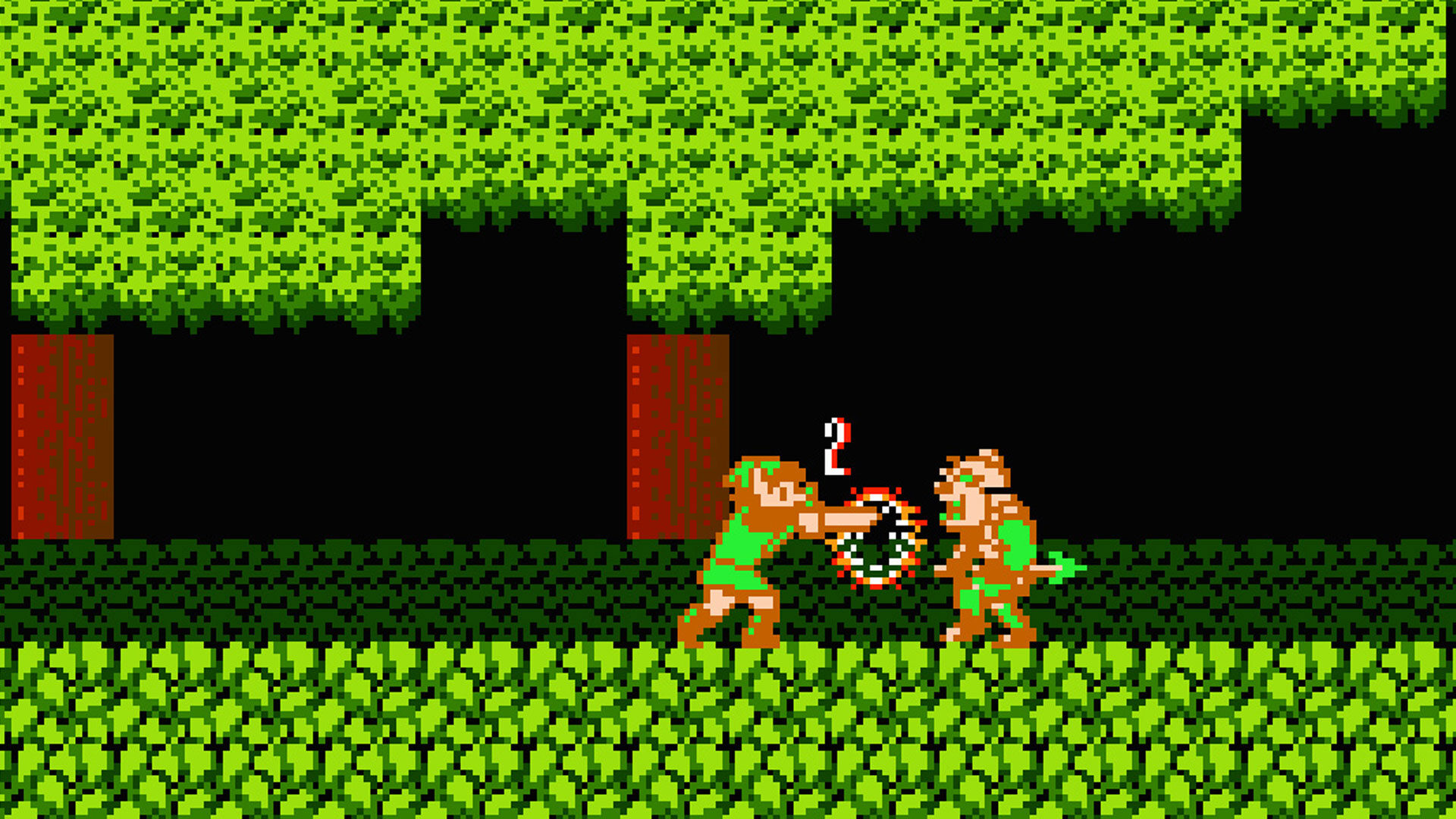
Similar to its immediate predecessor, Zelda II: The Adventure of Link also hasn’t particularly stood the test of time. It shares an equally unnecessary difficulty and borderline unplayability without a guide. While it’s not a particularly bad game, there are a lot of barriers to entry that made it somewhat unenjoyable both then and now. It’s a bit of a weird one because there’s actually a lot I like about Zelda II: The Adventure of Link.
Its shift to a 2D platformer for enemy encounters, or dungeons and caves, gave it a unique style, and its focus on combat created an interesting system that I’m surprised no other entry in the series has explored. Similar to something like Castlevania II: Simon’s Quest, it built a world that felt genuinely big within the confines of the most common 8-bit design philosophies. It’s a game I would love to see remade, ala. Metroid: Samus Returns—with modern gaming sensibilities and Link’s moveset from Super Smash Bros.
12. The Legend of Zelda: Echoes of Wisdom
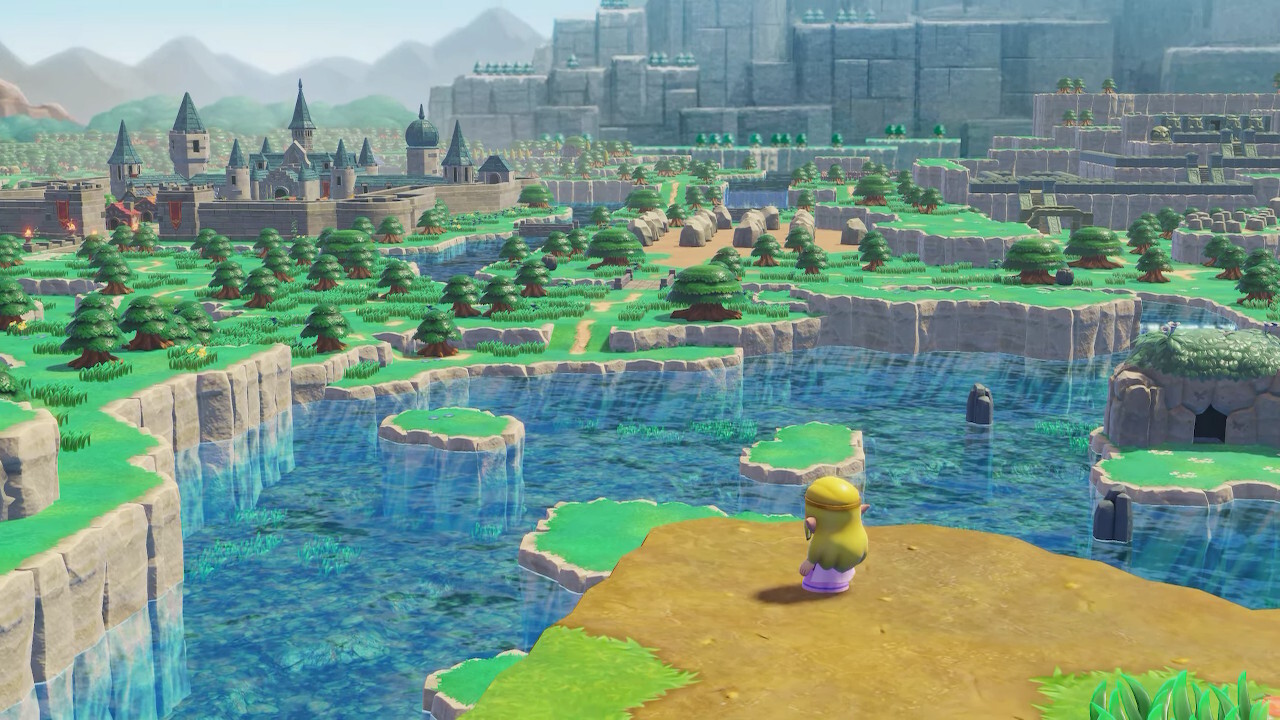
This is going to be the most difficult part of the list because the games are objectively good, but didn’t really leave a lasting impression on me—let’s call it the “mediocre middle.” The Legend of Zelda: Echoes of Wisdom deserves a certain degree of props for being the first “official” game in the series that featured the titular princess in the leading role. Also, it’s inventive gameplay that borrows the sense of freedom its Switch predecessors pioneered, while tailoring it to a more “traditional” top-down Zelda experience, was genuinely unique.
However, by that same token, The Legend of Zelda: Echoes of Wisdom doesn’t really have a lot of memorable moments. Dungeons are a welcome return, but since they need to be cleared with beds and boxes, they lack the visual and thematic distinction that made previous Zelda dungeons so memorable. Also, Nintendo’s obsession with linear menus and objects that function identically meant half the game is spent sliding through inventory lists to find the thing you need. In the end, it’s not that bad, but it’s not really a Zelda worth returning to.
11. The Legend of Zelda: Twilight Princess
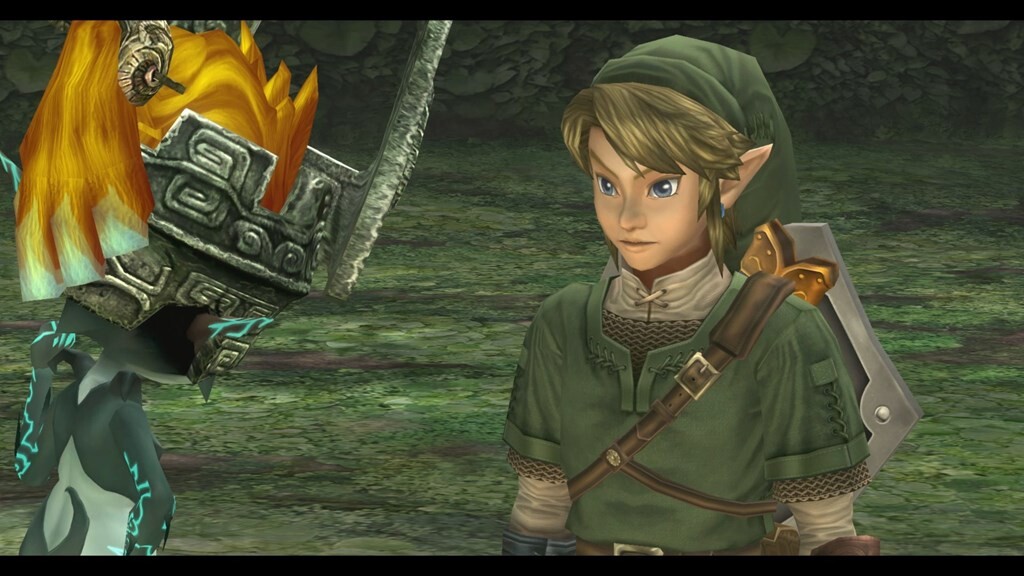
Now, before you get your torches and pitchforks for this one, just hear me out. I honestly DO like The Legend of Zelda: Twilight Princess. For a launch title on the Wii—or Gamecube life-support, depending on how you look at it—it was a genuinely monumental game. It gave us Midna, who is definitely the best support character ever in a Zelda game, Zant, who was one of the best villains in a Zelda game, and its size and scope were pretty impressive for the time. And that Ganon fight? *Chef’s Kiss*
However, I also think it comes out REALLY strong in the first half and then loses a lot of steam in the back nine. While I like its aesthetic, it also feels a little dark for dark’s sake—an obvious correction from the criticism The Legend of Zelda: The Wind Waker received. It’s got some pretty forgettable dungeons, two genuinely useless items, and a combat system that was a bit of a step back from its predecessor (why unlock the moves Wind Waker just GAVE you?)
10. The Legend of Zelda: Ocarina of Time
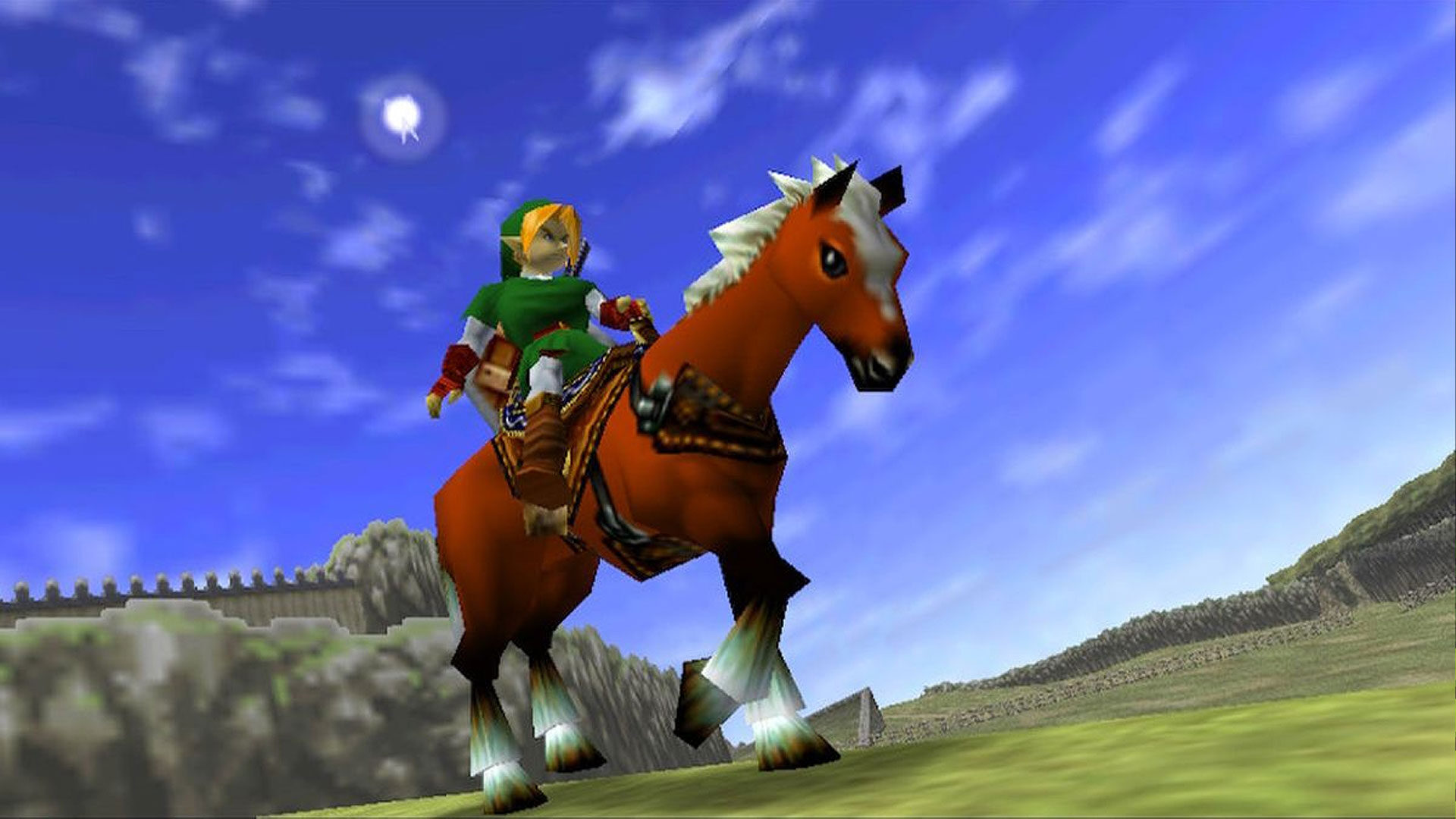
Okay, feel free to pick up those torches and pitchforks now. I’ve said it before, and I’ll say it again: The Legend of Zelda: Ocarina of Time was genuinely revolutionary for its time. For the first Zelda of the 3D era, it was pretty incredible what it was able to achieve in terms of worldbuilding, storytelling, and overall design. It has some of the most memorable moments in any Zelda, some of the best dungeons and boss monsters and all but cemented the idea of the “Zelda formula.”
But on multiple repeat playthroughs, The Legend of Zelda: Ocarina of Time just doesn’t really do it for me. Story-wise, it follows a little too closely to The Legend of Zelda: A Link to the Past to feel original or even as a supposed prequel. Its combat is a monotonous game of wait-and-attack. Puzzles usually involve looking around the room for an object and then hitting said object, and it’s all just…kinda boring.
As I said, it’s rightfully deserving of its praise, but I can’t help but feel like it’s a little overrated.
9. The Legend of Zelda: Link’s Awakening
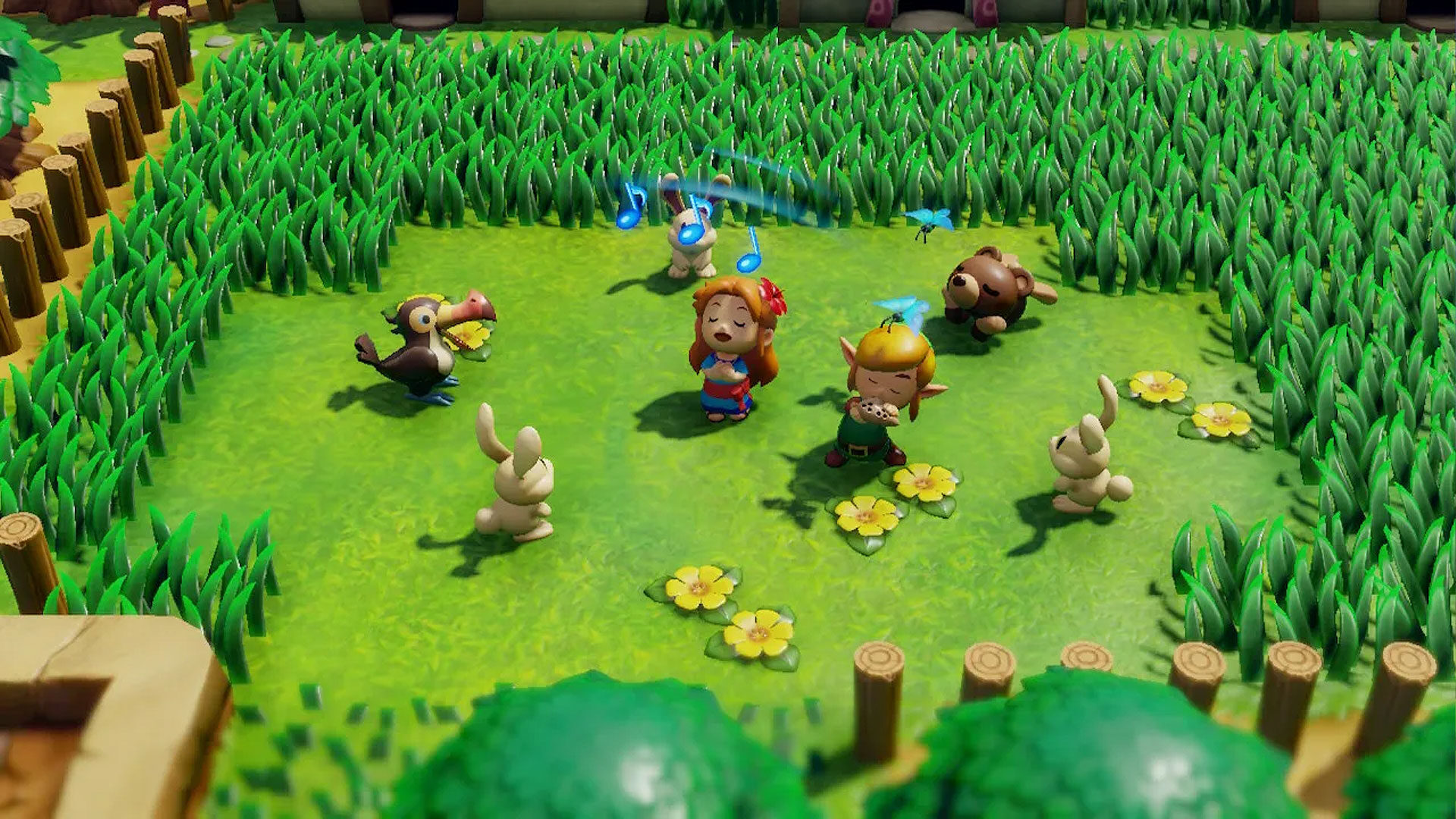
You may have thought The Legend of Zelda: Link’s Awakening would’ve appeared higher on this list, and honestly…so would I. Link’s Awakening has a real special place in my heart as the first one in the series I ever played to completion, so cracking the top 10 ain’t too bad. The Legend of Zelda: Link’s Awakening is a pretty amazing game when you think about it. Originally conceived as a Game Boy port of A Link To The Past, the project grew into a full-fledged game.
It’s one of those miraculous Game Boy games that really showcase how capable the system was when people knew how to develop for it. Its world felt as big as its SNES inspiration, its dungeons were inspired, and both visually and audibly, it really stood out. Its story was unique and mysterious, constantly hinting at what was really going on, but never saying it outright. If not for Pokémon Silver/Gold, it may just be the crown jewel of the Game Boy.
And if you want to experience it, the Nintendo Switch “remake” is a pretty faithful 1:1 recreation of the original, with improved graphics.
8. The Legend of Zelda: A Link Between Worlds
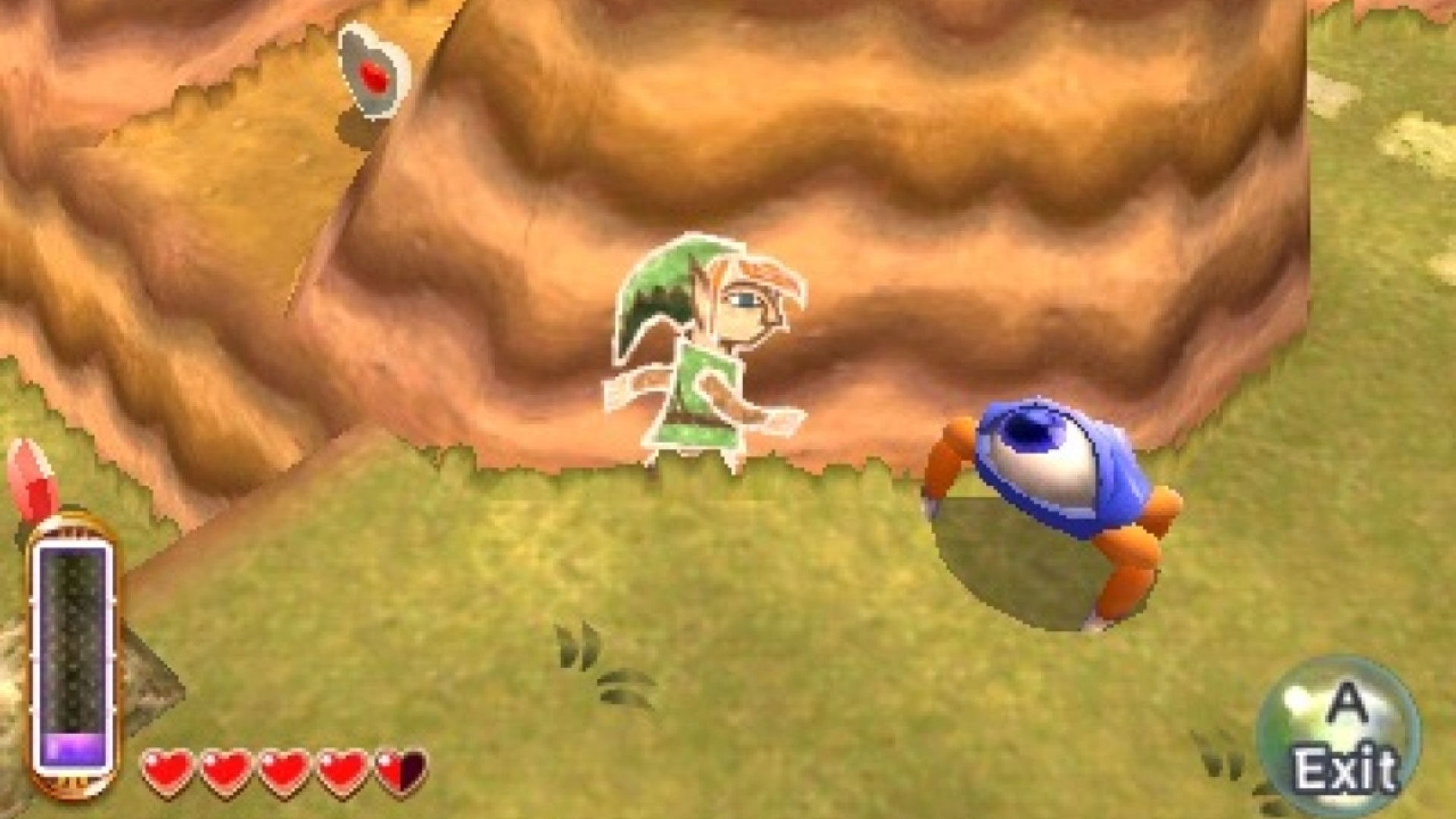
I wrestled with whether The Legend of Zelda: A Link Between Worlds should go in the proper list, or in the Honourable Mentions, because in some ways, it is kind of a remake of The Legend of Zelda: A Link to the Past. But the more I thought about it, the more I realized it deserved a spot on the list because of just how much it sets itself apart from its counterpart.
While it does end up being somewhat of a reboot-sequel, it both adds and changes so much about its predecessor that it really stands alone as its own thing. The way it plays with perspective by having Link paste himself onto walls and move in two-dimensional space in a 3D top-down game was unbelievably inventive, allowing for a whole new way to explore dungeons and the overworld.
The way it had players rent items from a shop, allowing for a sense of freedom in how they approached dungeons without subtracting from the overall narrative, was such a stroke of genius that it was probably too good for a second game. It felt so new, while using SFX and subtle nods to pay tribute to its SNES predecessor, and it’s one of the few 3DS games that actually used the 3D to genuinely impressive effect.
7. The Legend of Zelda: Spirit Tracks
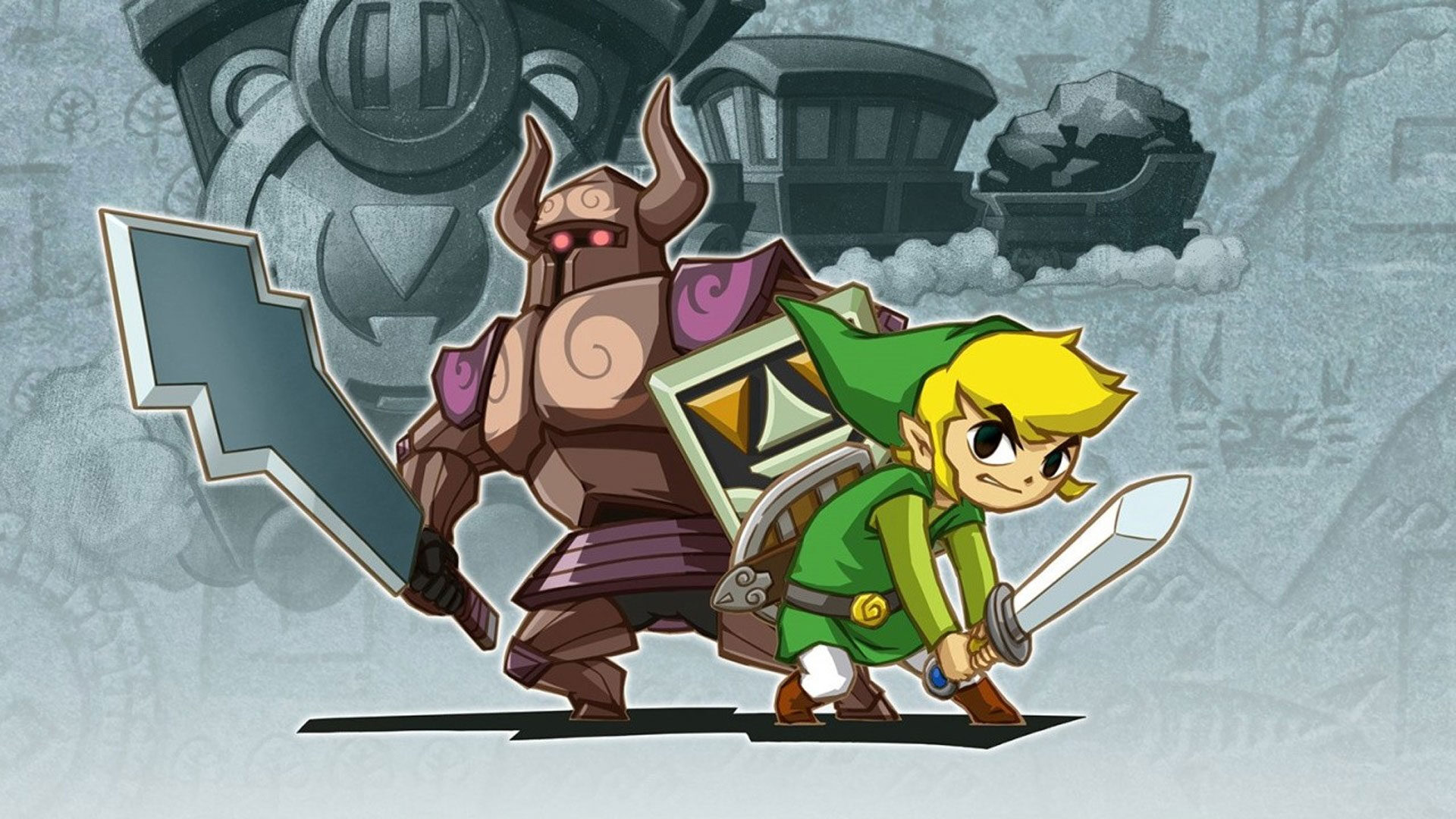
I will die on the hill that The Legend of Zelda: Spirit Tracks is woefully underrated. Unlike its direct predecessor, it actually feels like a fully realized Zelda game on the Nintendo DS and less like a tech demo. All the good ideas The Legend of Zelda: Phantom Hourglass had are refined and expanded. It feels a bit better to control; its items are a bit more unique to the game, and the world feels bigger and more interesting.
Not only that, it was the first game to really involve Princess Zelda in a much more active role, setting her as Link’s companion character throughout his entire adventure. Getting to use her within the Spirit Tower, as she possessed Phantom Armor was a really thoughtful and interesting inclusion and set up for a lot of interesting puzzles. Plus, it gave her fun little personality quirks, like a fear of mice that rendered her immobile.
Also, you get a little train, and you can make it go Choo Choo. WHAT MORE DO YOU WANT!?
6. The Legend of Zelda: The Minish Cap
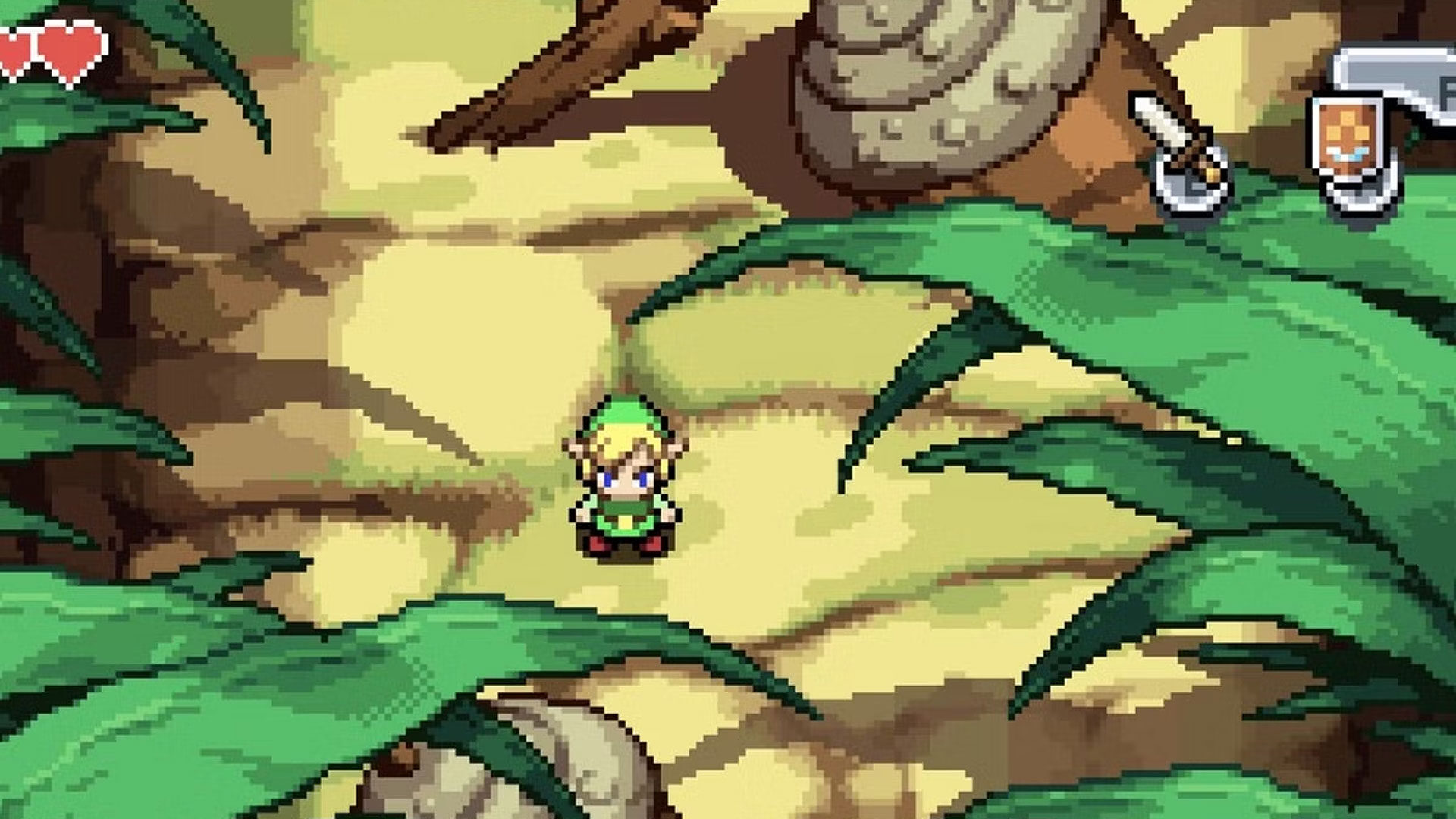
It’s hard to describe how incredible The Legend of Zelda: The Minish Cap was if you weren’t there for it. As the official Zelda game on the Game Boy Advance, following the re-release of The Legend of Zelda: A Link to the Past, it felt every bit as big and inventive as its predecessor—and in a lot of ways, even more.
Developed by Capcom in what was meant to finish off the “Triforce Trilogy,” The Minish Cap made everything bigger by, ironically, making everything smaller. Because of the magic of the Picori—who, at the time, were hinted at being the creators of the Master Sword—Link could shrink down to the size of a bug—turning blades of grass into massive trees, and puddles into vast lakes.
It allowed the game to be incredibly creative with its dungeon and area design, playing with perspective and offering really memorable dungeons and boss monsters. Plus, it took full advantage of the GBA’s power, creating a bright and colourful world with a stellar soundtrack and excellent use of audio clips from The Legend of Zelda: The Wind Waker.
5. The Legend of Zelda: Breath of the Wild
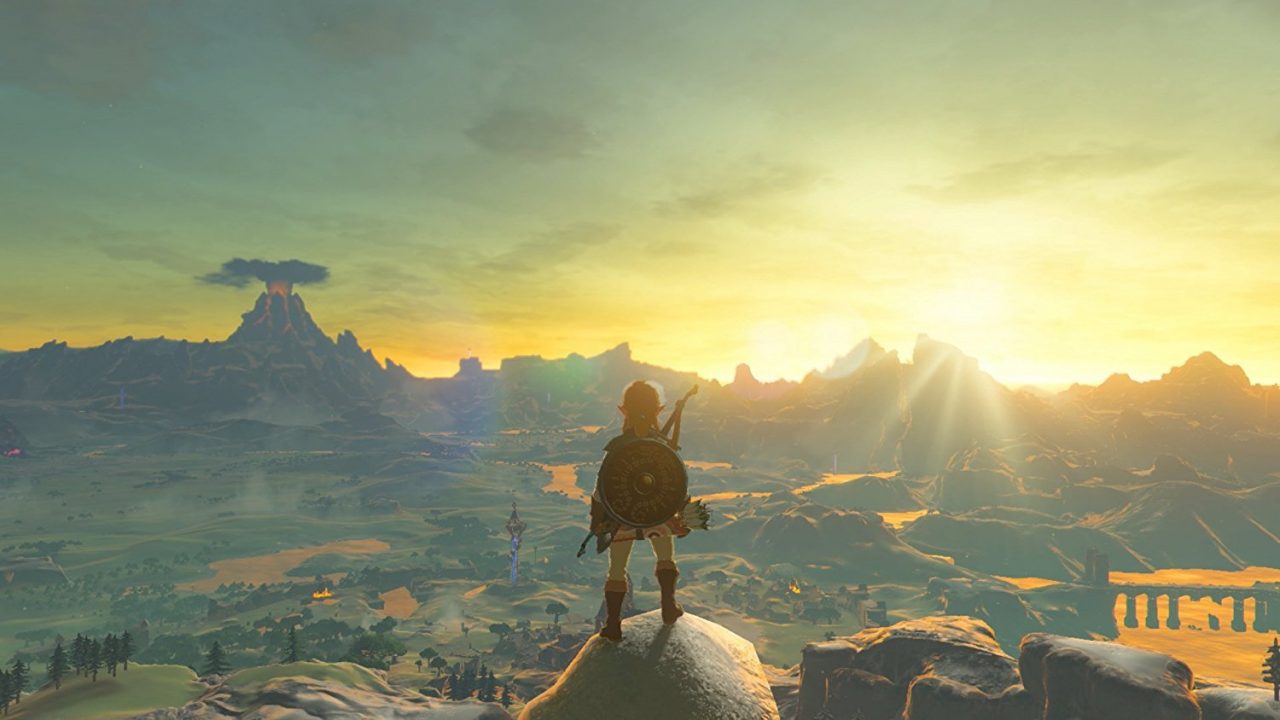
I’ve spoken at some length about how much The Legend of Zelda: Breath of the Wild resonated with me when it first came out. The circumstances of my life at the time, coupled with the sheer size of the Nintendo Switch’s launch, had the game connect with me in a way few others had. And upon repeat playthroughs, I’ve only been shocked by how new the game always feels. Stepping out onto that plateau always inspires a sense of adventure in me, no matter how many times I see it.
And while it’s certainly not a perfect game, it’s incredible how much the game wants to feel like a big, bold adventure. In a lot of ways, The Legend of Zelda: Breath of the Wild feels like a spiritual reboot of the NES The Legend of Zelda. It’s a game that makes my top five Zeldas simply for how new, fresh and big the whole thing felt and still does to this day.
4. The Legend of Zelda: Oracle of Ages/Seasons
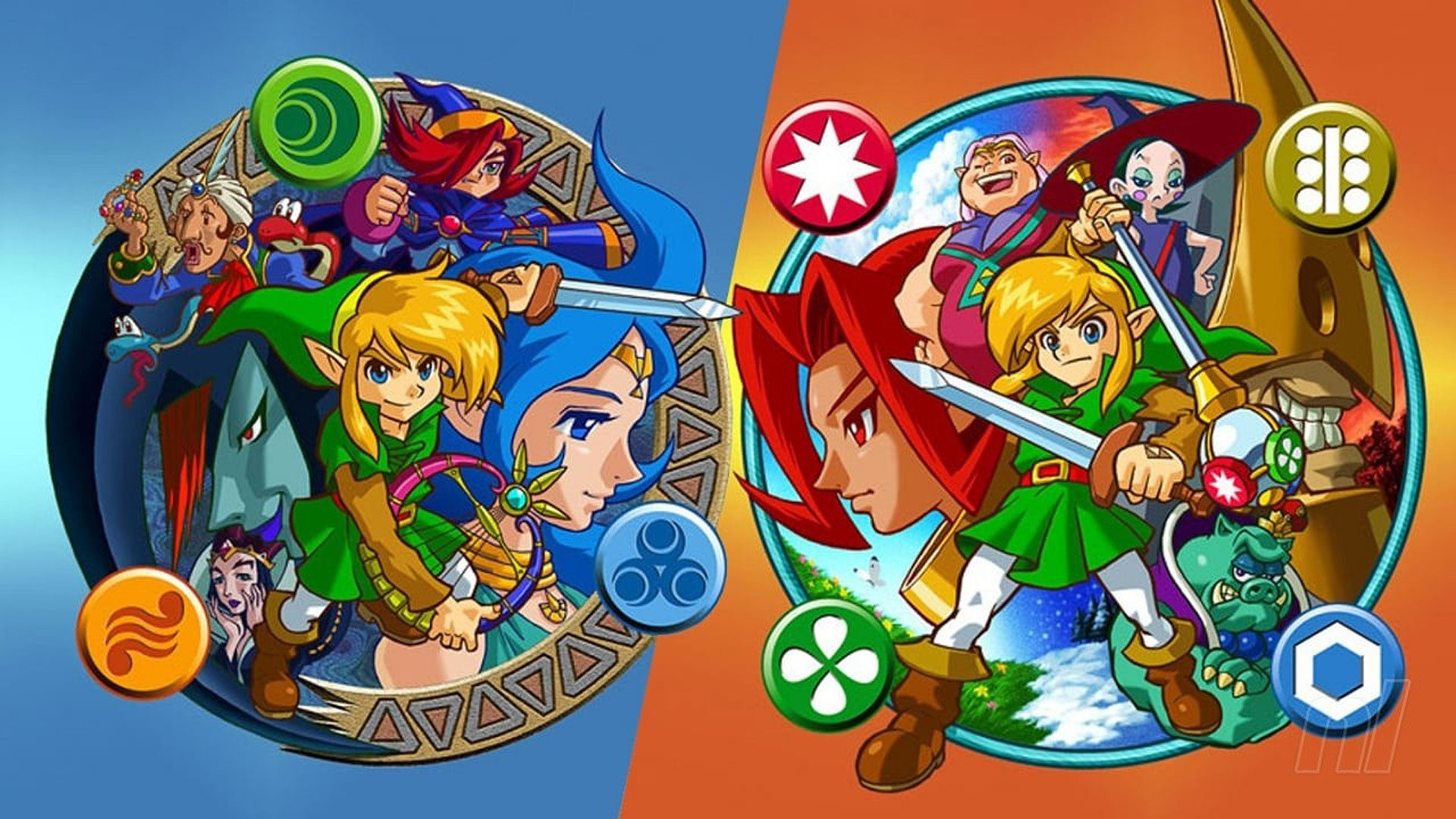
If The Legend of Zelda: Link’s Awakening was a showcase of what the Game Boy was capable of, then The Legend of Zelda: Oracle of Ages/Seasons is a showcase of what the Game Boy SHOULD NOT have been capable of. Two games, larger in scale than their predecessor and made even larger by the unique world-shifting mechanics each one possessed. It’s amazing to think both games had their own unique worlds, with distinct styles, dungeons and vibes—while finding a unique way to connect with each other via the password system.
Capcom could’ve easily phoned it in with a kind of Pokémon Red/Blue “same games with minor differences,” but they went above and beyond with these two. Witnessing these two games when they were released in 2001 was like experiencing a miracle in real-time. It gave players incredibly interesting items, animal sidekicks, unbelievable dungeons and two really great antagonists.
It’s no wonder Nintendo didn’t let any other developers make Zelda games because Capcom set the bar so high with these ones, even the Big N wouldn’t be able to follow them up properly.
3. The Legend of Zelda: A Link to the Past
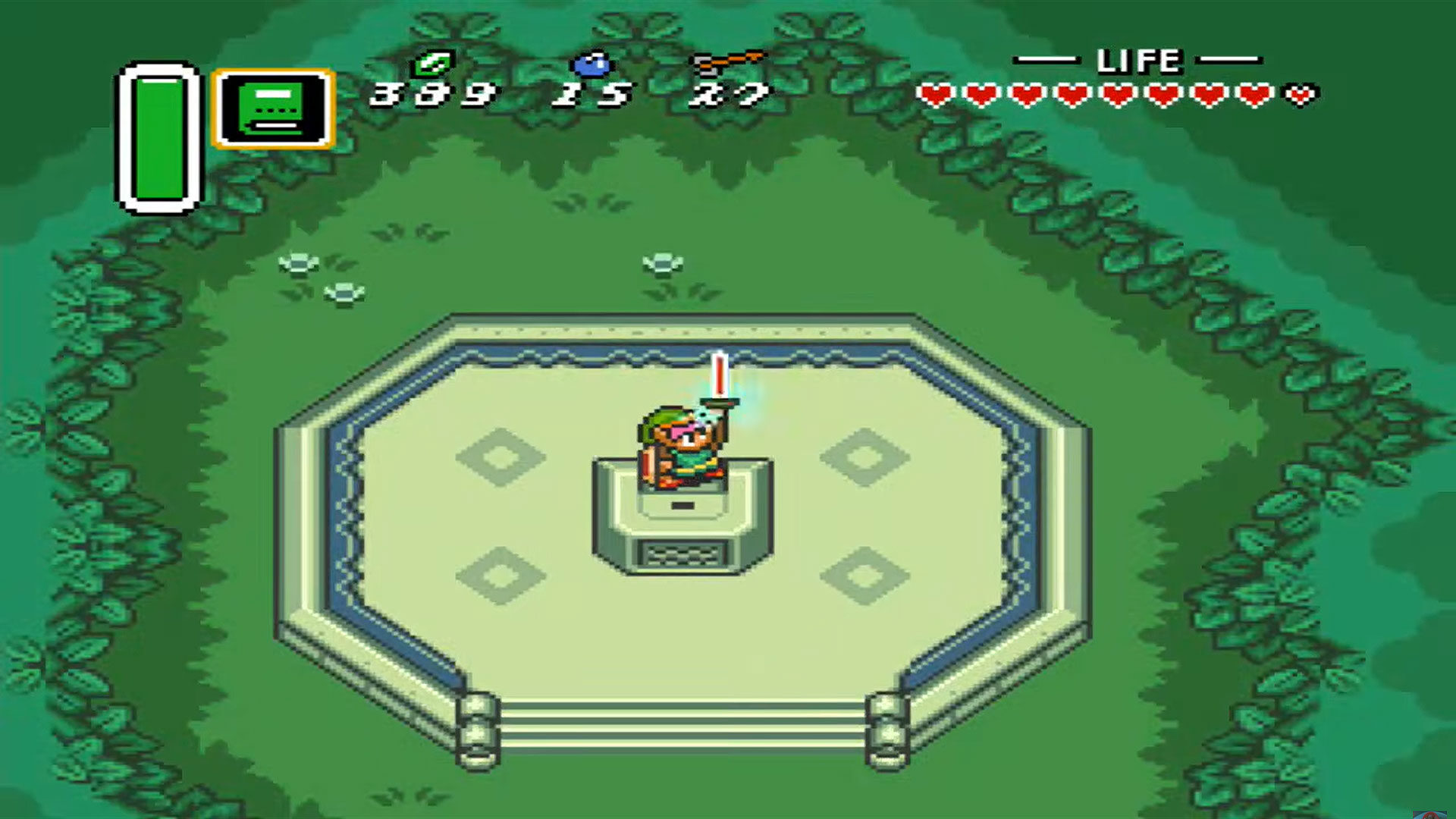
Of course, we couldn’t approach the top three without mentioning the one game that really showed what The Legend of Zelda could be as a game. The Legend of Zelda: A Link to the Past was like a complete reinvention of the NES classic—feeling similar, but new in all the right ways. It had a bigger story, a bigger world, bigger dungeons, bigger monsters…it was just a bigger adventure!
Similar to Super Metroid, it utilized the power of the Super Nintendo to give players a suite of quality-of-life improvements that actually made the game playable without the need for Nintendo Power magazine. Its sprite-work and soundtrack remain iconic to this day, and it’s the only game in the series to feature a pink-haired Link, which is pretty neat.
2. The Legend of Zelda: The Wind Waker
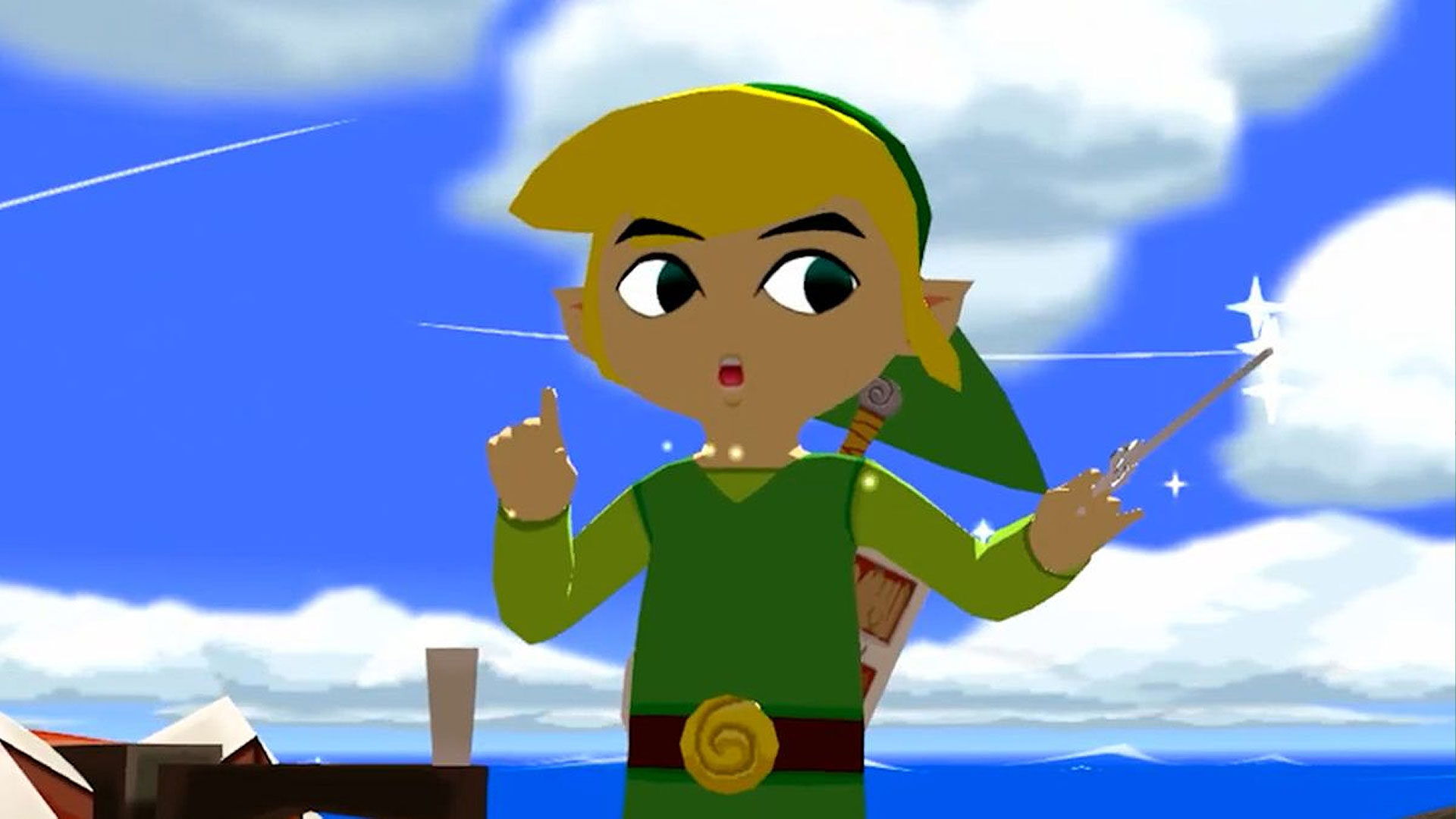
It’s hard to know how to describe The Legend of Zelda: The Wind Waker without getting completely overwhelmed by all the ways it absolutely OWNS. The debut Zelda on the Nintendo GameCube took full advantage of the system, creating an experience that was big, bold and completely unforgettable. It’s got a sweet, Miyazaki-esque story about a boy (not chosen by fate) who sets out to rescue his sister, and chooses to become a hero. It’s got an art style that’s bright, colourful, interesting, and intentionally designed to stand the test of time.
It’s got a world that, despite being 90% ocean, has something to discover around every corner. Literally every square of the map grid has an island on it, on top of all the surprise secrets you can find on the ocean if you sail long enough. It’s got some of the most memorable dungeons in both theme and design, and its combat system is the best Zelda has ever had—using the foundation designed for Ocarina of Time and enhancing it with contextual prompts to utilize special attacks.
It’s amazing to consider that when it was released, The Legend of Zelda: The Wind Waker was LAMBASTED by “fans” for being too cartoony and babyish, all because Nintendo put out a tech video of Link fighting Ganon that looked gritty and badass. But history has since come around on The Wind Waker, and it remains the second-best Zelda ever released.
1. The Legend of Zelda: Majora’s Mask
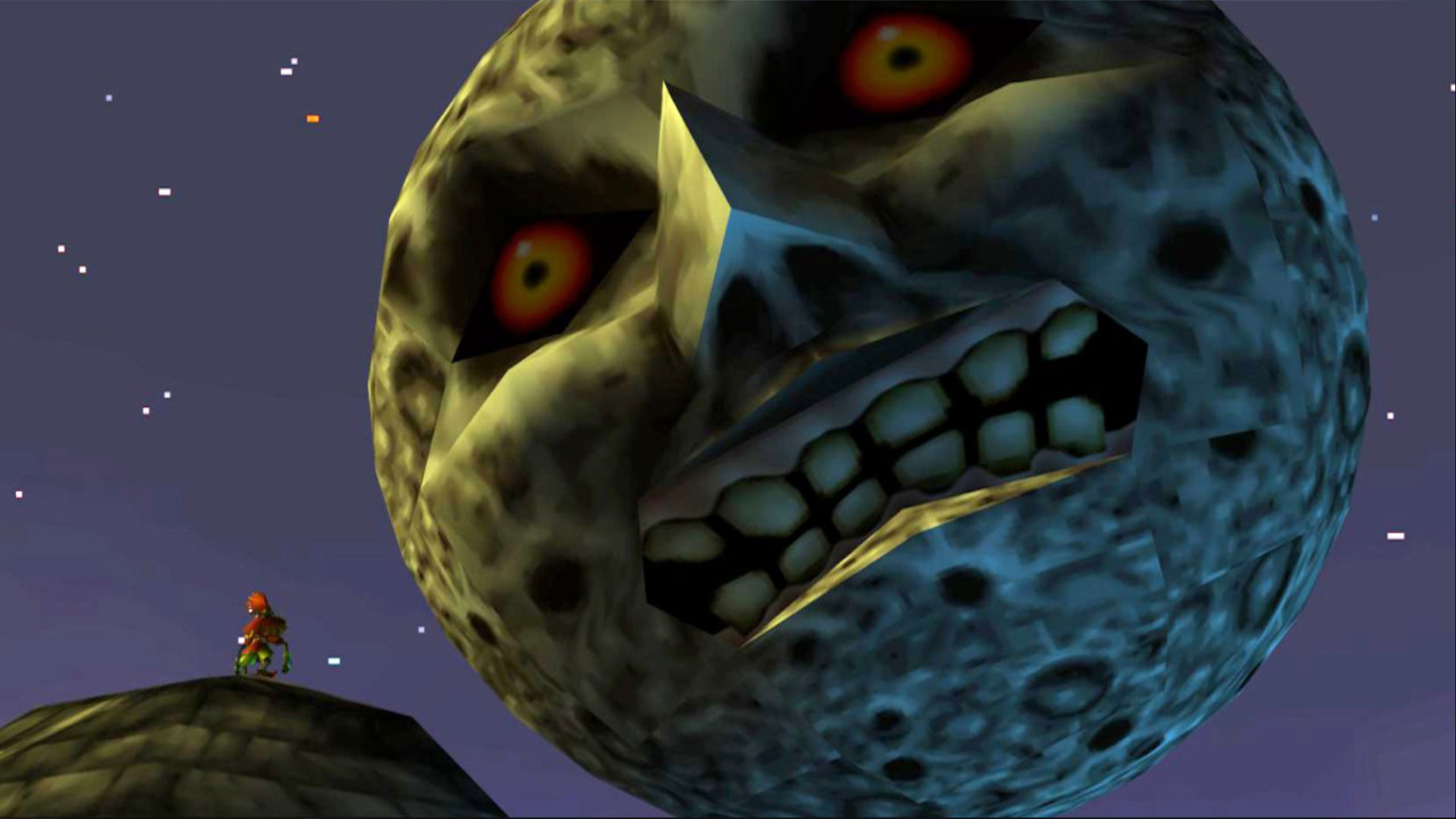
The Legend of Zelda: Majora’s Mask is, without a doubt, the best Zelda, PERIOD. It took the foundation that its predecessor laid and used it to make a game that was bolder, more daring and far more engaging. It’s honestly hard to believe it was released less than two years after The Legend of Zelda: Ocarina of Time, for how much of an improvement it is over that game.
Its world may be smaller than its predecessor in a pure pixel-ratio sense, but it feels so much bigger and lived-in, thanks to much more dynamic areas and three-dimensional characters and stories that bring it to life. Its combat is far more engaging, made even better by the fact that there are four distinct ways to approach it. Centring so much around the Masks meant items found in dungeons could be used more directly to explore the world, and they felt less like keys required to complete half a dungeon.
Its story is dark and deeply resonant, not simply handed to the player, but slowly discovered as they explore the land of Termania, talk to its inhabitants and complete the myriad sidequests the game has to offer—Kafei’s Quest alone could be the plot of an ENTIRE video game. And allowing players to play as a Deku, Goron and Zora allowed them to experience the full breadth of the Zelda world, which is almost a game crime that no other entry has ever brought it back.
I’ll always find it interesting that the two best Zelda games were the ones people genuinely hated when they first released. I guess it’s true what they say, “true genius is never recognized in its time.”
Honourable Mentions
- The Legend of Zelda: Tri Force Heroes – The 3DS Zelda spin-off that suffered a similar fate to Metroid Prime: Federation Force, the second attempt at a co-operative Zelda game tied around the idea of outfits bestowing abilities to the user was pretty inspired. And unlike the predecessor that inspired it, thanks to the internet, jumping into a game with others would have been incredibly convenient if there had ever been a player base for it.
- The Legend of Zelda: Four Swords Adventures – A pretty unique idea for a multiplayer The Legend of Zelda, held back by the necessity for every player to have a Game Boy Advance and GameCube connector. The way it combined classic top-down Zelda with co-operative, level-based design was pretty inspired, and if you could get a group together, it really worked.
- Hyrule Warriors/Age of Calamity/Imprisoning War – Combinging a Musou game with The Legend of Zelda was nothing short of a stroke of genius, an while all three Hyrule Warriors games have been pretty solid, for my money the first entry will always be the one worth talking about—boasting the biggest and best roster, a plethora of features and it wasn’t required for crucial plot details to two other games.