


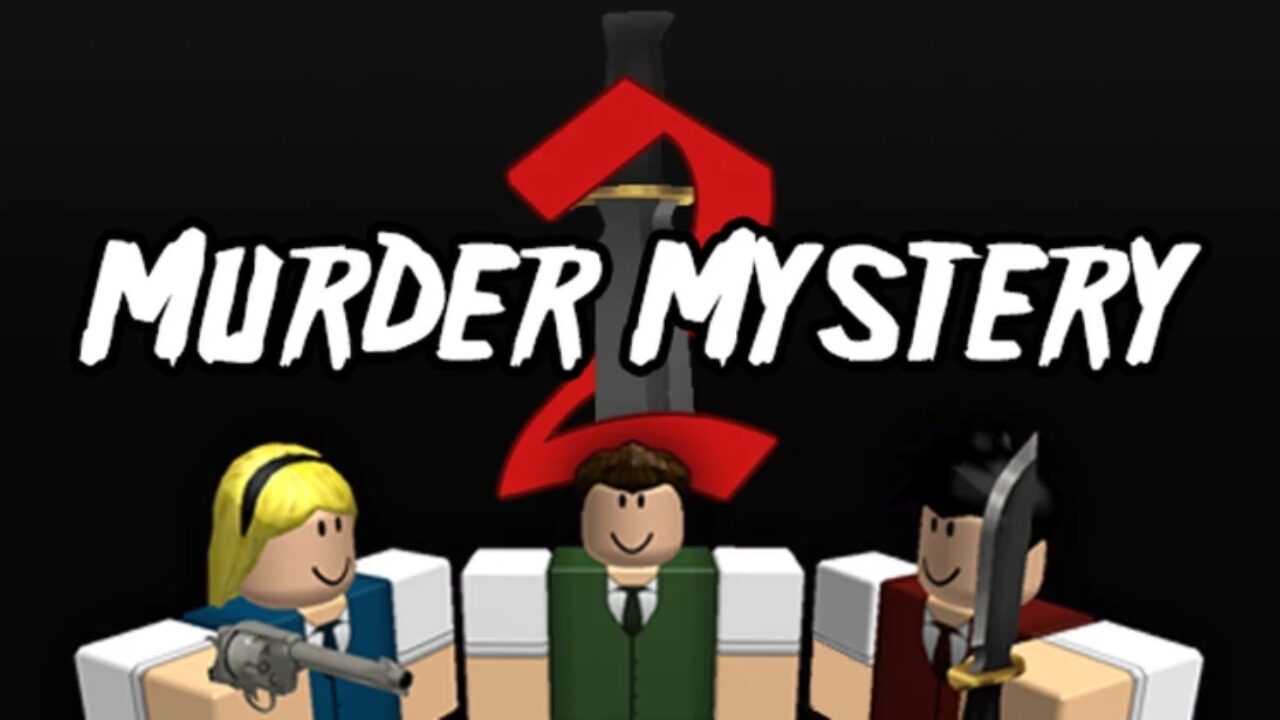
For millions of players, Roblox is a place to jump between experiences, meet friends and discover something new. Yet some of its most dedicated communities have developed another layer of play that exists alongside the actual objectives of a game: collecting.
Cosmetics, limited items, weapons, pets and other virtual objects can become surprisingly important to players. They may not change the fundamental mechanics of an experience, but obtaining the right item can provide its own sense of progression. In some communities, building a collection is every bit as engaging as completing another round or climbing a leaderboard.
That is particularly visible in long-running Roblox experiences where players have had years to establish their own ideas about rarity and desirability.
When Cosmetics Become Progression
Traditional games are usually clear about progression. Players earn experience, unlock abilities, finish missions or acquire increasingly powerful equipment. Roblox experiences can follow the same formula, but user-driven economies add another dimension. An item does not necessarily need better statistics to become desirable. Sometimes appearance, scarcity or history is enough.
A player who finally obtains something they have been searching for can experience a similar sense of achievement to defeating a difficult boss. The reward is different, but the underlying motivation is familiar: there is a goal, a journey toward it and eventually something that represents the accomplishment. This helps explain why collecting can keep communities engaged even when they already understand a game’s central mechanics.
Murder Mystery 2 Shows How Deep Collecting Can Go
Murder Mystery 2 is an especially useful example. At its core, the Roblox experience has an immediately understandable social-deduction setup. Players receive different roles and attempt to survive or complete their respective objectives during each round. Around that straightforward loop, however, an extensive collecting culture has developed.
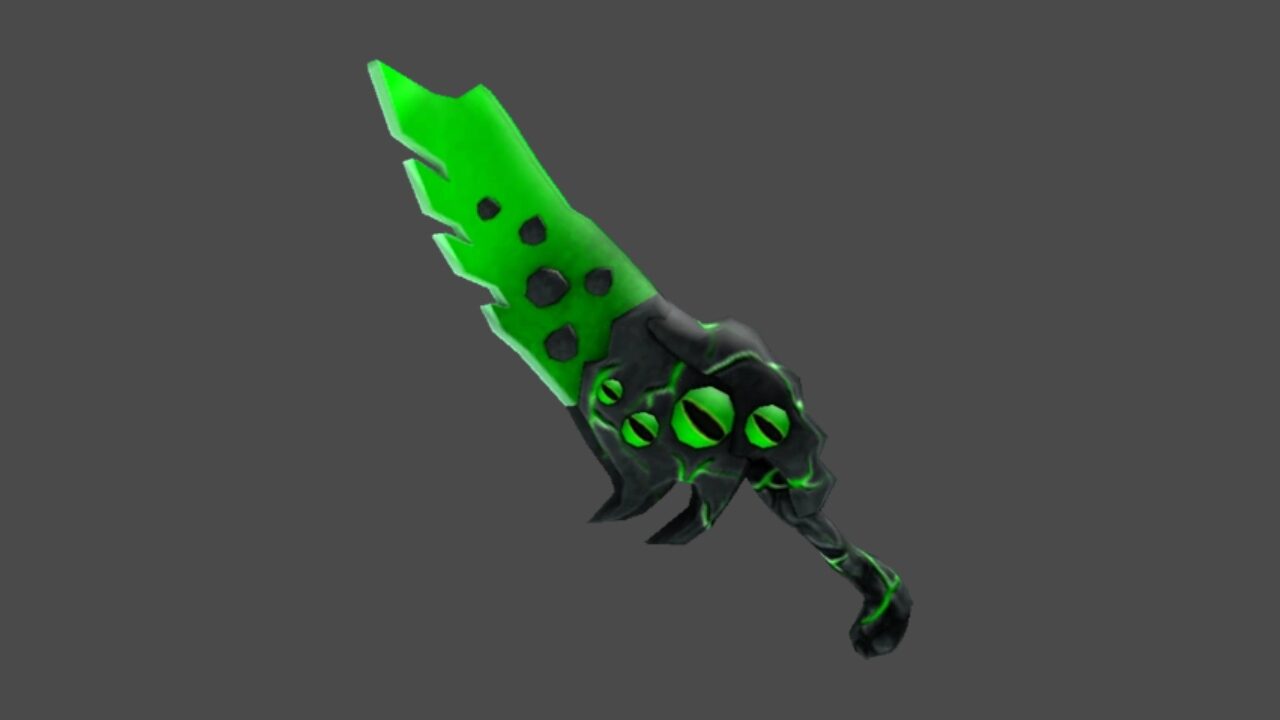
Different knives and guns have varying levels of rarity and recognition within the community. For some experienced players, knowing these items and gradually assembling a collection becomes an additional metagame. It also changes how players interact with one another. Conversations are no longer exclusively about what happened during the previous round. They can revolve around inventories, item designs, rarity and potential exchanges. The result is a community creating additional objectives on top of those originally provided by the game.
Rarity Is About More Than a Label
Developers can categorize an item as rare, legendary or otherwise difficult to obtain, but communities ultimately decide how much attention individual objects receive. Several factors can contribute. Availability is an obvious one. An item connected to a limited event or an older version of a game may become interesting simply because new players cannot obtain it through the same route.
Visual identity matters too. A distinctive design can remain popular regardless of its technical rarity, particularly when it becomes recognizable within the community. Then there is history. Older virtual objects can become reminders of previous events and eras of a constantly evolving game. That gives collecting a nostalgic dimension familiar to anyone who has kept physical games, trading cards or other memorabilia. As a result, two items carrying a similar rarity classification can have very different reputations among players.
The Community Creates Its Own Metagame
Once enough collectible objects exist, understanding them becomes a skill of its own. Players build informal knowledge around which items exist, where they originated and how difficult they are to find. Guides, community discussions and databases naturally emerge to organize all that information. External resources have consequently become part of the broader ecosystem surrounding popular games. Someone investigating older MM2 collectibles, for example, might encounter catalogues or event pages listing items such as a free godly mm2 alongside other community resources.
The important part is not any individual listing. It is the amount of infrastructure that appears around a game once its virtual objects become culturally significant to its players. A relatively simple multiplayer experience can therefore produce a surprisingly complicated layer of community knowledge.
Digital Collecting Is Hardly Unique to Roblox
Roblox did not invent the appeal of virtual collections. MMOs have spent decades encouraging players to chase mounts, armour sets and cosmetic rewards. Competitive games regularly build enormous communities around character skins. Digital card games make collecting an explicit part of their core design. What makes Roblox particularly interesting is the variety.
Because the platform contains so many independently developed experiences, different collecting cultures can emerge almost independently from one another. The objects that matter in one game may operate according to completely different rules in another.
Players moving between experiences are effectively moving between miniature digital cultures, each with its own terminology and ideas about what is desirable.
Why Developers Should Pay Attention
Collecting can also be valuable from a game-design perspective. A strong collection system provides players with long-term objectives without requiring every new update to reinvent the central gameplay loop. New items can give established players another reason to return while providing newcomers with something to discover. There is a balance to maintain, though.
When an economy becomes too complicated or the distinction between gameplay and monetization becomes unclear, collecting can begin to overshadow the experience that made those objects desirable in the first place. Younger audiences in particular benefit from clear information about purchases and virtual items. The most sustainable systems make collecting an extension of the game rather than a requirement for enjoying it.
A Game Beyond the Game
Virtual items might look insignificant from outside a gaming community. Inside one, they can represent time, participation, nostalgia and personal taste. That is why the collecting cultures surrounding Roblox experiences are worth paying attention to. They demonstrate how players routinely expand games beyond their original mechanics, creating their own goals and assigning meaning to objects that technically exist only as data.
Murder Mystery 2 may revolve around short multiplayer rounds, but for part of its community, deciding what belongs in an inventory has become another game entirely.