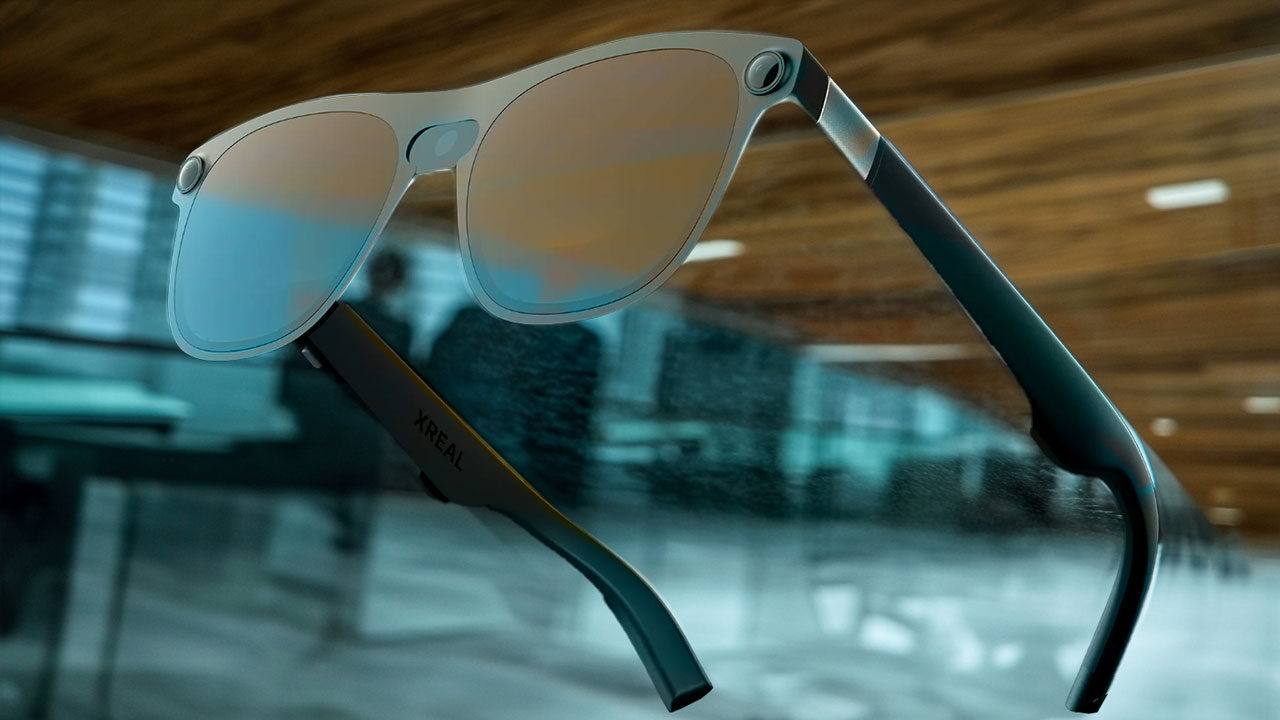
After months of teasing and speculation, XREAL and Google are ready to show off Project Aura at Google I/O 2026.
For developers, creators, and media attending this year’s Google I/O, it will be the first real opportunity to go hands-on with hardware that has been generating conversation since its initial announcement. This gave attendees the first tangible look at what lightweight XR glasses can accomplish when paired with Google’s Android XR platform, Gemini AI, and Qualcomm’s Snapdragon processors. With a device so hotly anticipated, this gave a real look at what people can expect when it launches.
Project Aura is the product of a close three-way collaboration between XREAL, Google, and Qualcomm Technologies. XREAL brings its established expertise in compact XR hardware design, Google contributes the Android XR platform and its rapidly evolving Gemini AI capabilities, while Qualcomm’s processors provide the computational backbone. The companies are highlighting this partnership and Project Aura as a meaningful step toward making spatial computing practical for everyday use rather than a niche novelty.
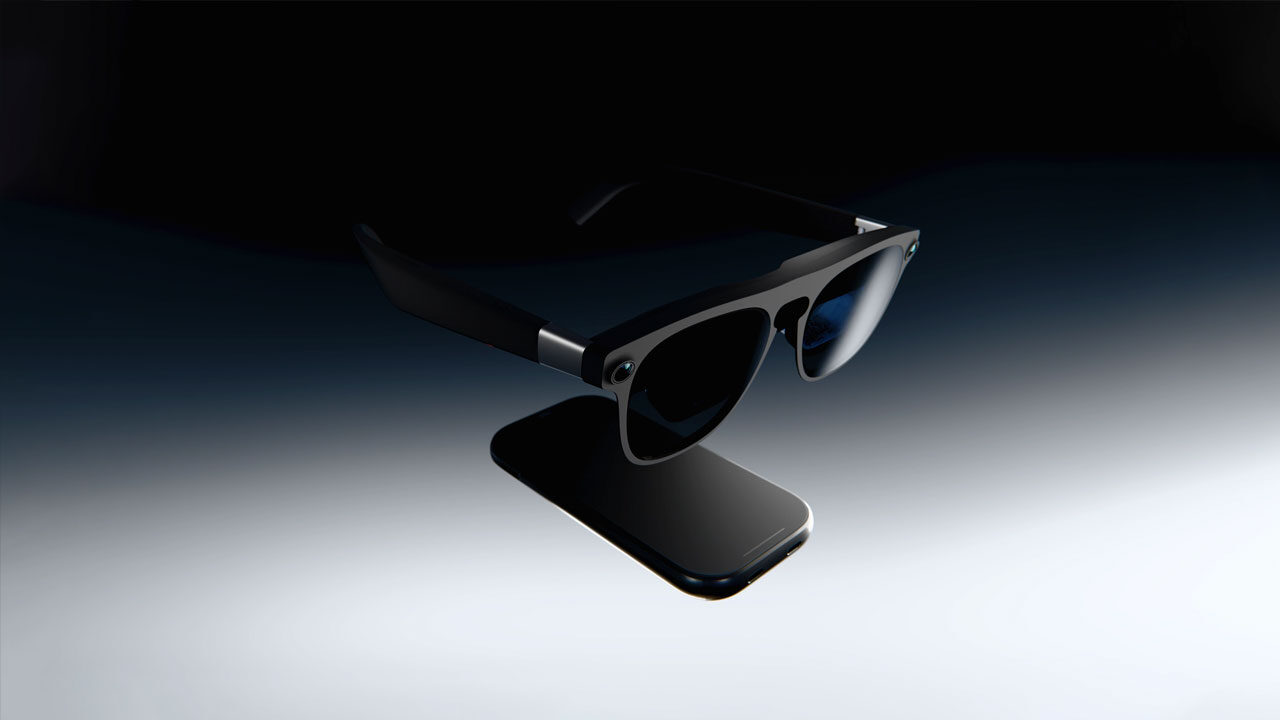
According to the company, the demonstrations at Google I/O offered a broad look at what the hardware can do. Attendees could explore immersive Google Maps navigation in spatial environments, watch dynamic video content across large virtual screens, and experience YouTube’s 180- and 360-degree VR videos through Project Aura’s OLED display with a class-leading 70-degree field of view. A WebXR three-dimensional painting application, built using Gemini in a process described as vibe coding, gave a more playful glimpse at the creative possibilities. Developers also witnessed Project Aura connecting directly to a laptop via DisplayPort, extending AI-assisted, three-dimensional AR capabilities into the user’s physical workspace.
Alongside the demonstrations, XREAL and Google announced the Android XR Developer Catalyst Program, designed to give select developers early access to Project Aura hardware kits and the tools they need to start building for the platform. The program is now accepting applications at g.co/dev/catalyst, with hardware kits expected to reach approved developers in the coming weeks.
Google I/O 2026 has effectively marked the transition of Project Aura from concept to reality, and from the looks of things, the hardware is already very impressive. With a global release confirmed for 2026 and an expanding developer community taking shape, the road from demonstration to consumer availability appears shorter than ever. We