

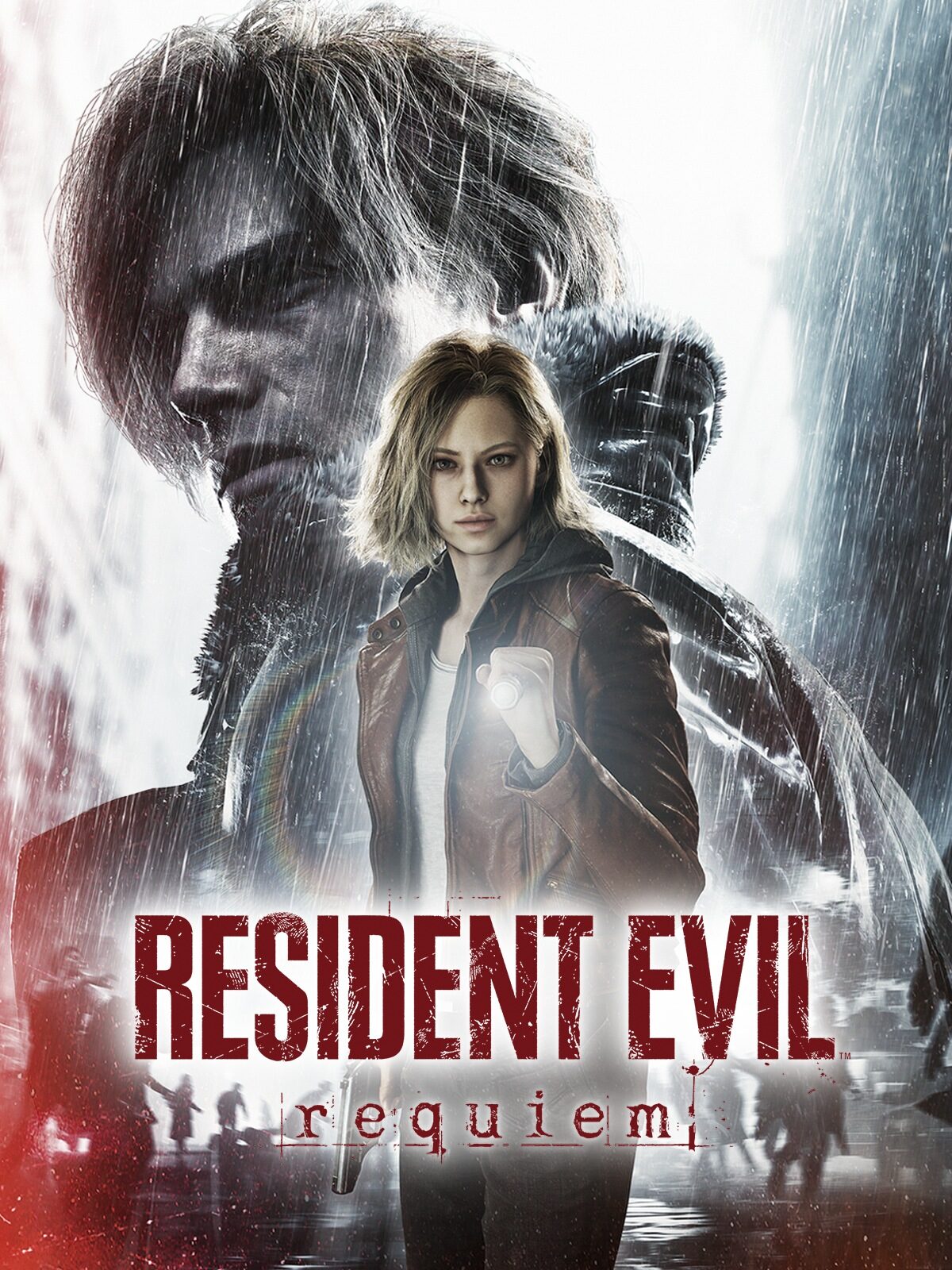

There is something genuinely special about Resident Evil Requiem. This is a series that has meant a lot to a lot of people, including me, for thirty years. It has reinvented itself, stumbled, overcorrected, and found its footing again more than once. But Requiem feels different. It feels confident in a way that only a franchise this old can be when it finally understands exactly what it is.
Since 1996, Resident Evil has been building toward something, even if it didn’t always know what that something was. The panic-inducing tight cameras of the original games gave way to the over-the-shoulder revolution of Resident Evil 4, which rewrote the rules for third-person shooters. Then the series stumbled with the bloat and chaos of Resident Evil 6. A game so determined to be bigger, cinematic and louder that it forgot how to be good. Capcom was able to course-correct with Resident Evil 7 by tightening the tension and making it a more personal story again. Through all of it, the series never fully erased its past. It kept layering on top of it.
That’s why Resident Evil Requiem works as well as it does. It doesn’t feel like a reboot. It doesn’t feel like nostalgia bait. It feels like a thirty-year payoff.
For decades, the destruction of Raccoon City that we played through in Resident Evil 2 and Resident Evil 3 has been the emotional backbone to this entire universe. It shaped everything. It created the heroes we’ve followed and been obsessed with for years. But it has mostly existed as history in the later games as something to reference rather than truly confronted. Resident Evil Requiem finally digs into that legacy in a way that feels earned. It doesn’t rewrite anything. It doesn’t brush the series’ history off. It simply asks us to think of the consequences.
“Requiem finally digs into that legacy in a way that feels earned.”
For longtime fans like myself, this story lands with a hefty weight. There’s a sense of closure here that the franchise has never really allowed itself before. Not a tidy, everything wrapped up in a bow kind of closure, but an emotional resolution that has real stakes in the universe. It feels like the series finally had the nerve to look back at its defining tragedy and say, “This mattered.” At the same time, it very clearly sets up where things could go next, and that future feels incredibly exciting rather than exhausting.
Grace is a huge part of why it works. Bringing in a new lead tied tangentially to the events of Raccoon City was such a clever move on Capcom’s part. She isn’t just another agent or hardened operative. She’s someone who grew up in the shadow of trauma she didn’t choose. Being related to a survivor isn’t treated as a throwaway detail; it informs every single thing about her. You can tell her mother tried to bury parts of the past to protect her, but that kind of silence leaves scars, too.
Angela Sant’Albano’s performance sells all of it. There’s a natural vulnerability in her voice that makes Grace feel real in a way Resident Evil protagonists don’t always get to be. She sounds scared when she should be scared, but she also sounds determined when she needs to be. There’s a moment after she rides an elevator up from an underground section, I won’t spoil what happens, where my realization came that she is quite possibly the best portrayal of a character we have had in Resident Evil. It’s subtle, but the motion caption mixed with her voice-over makes every scene land so hard. It’s one of the best performances the series has ever had, full stop.
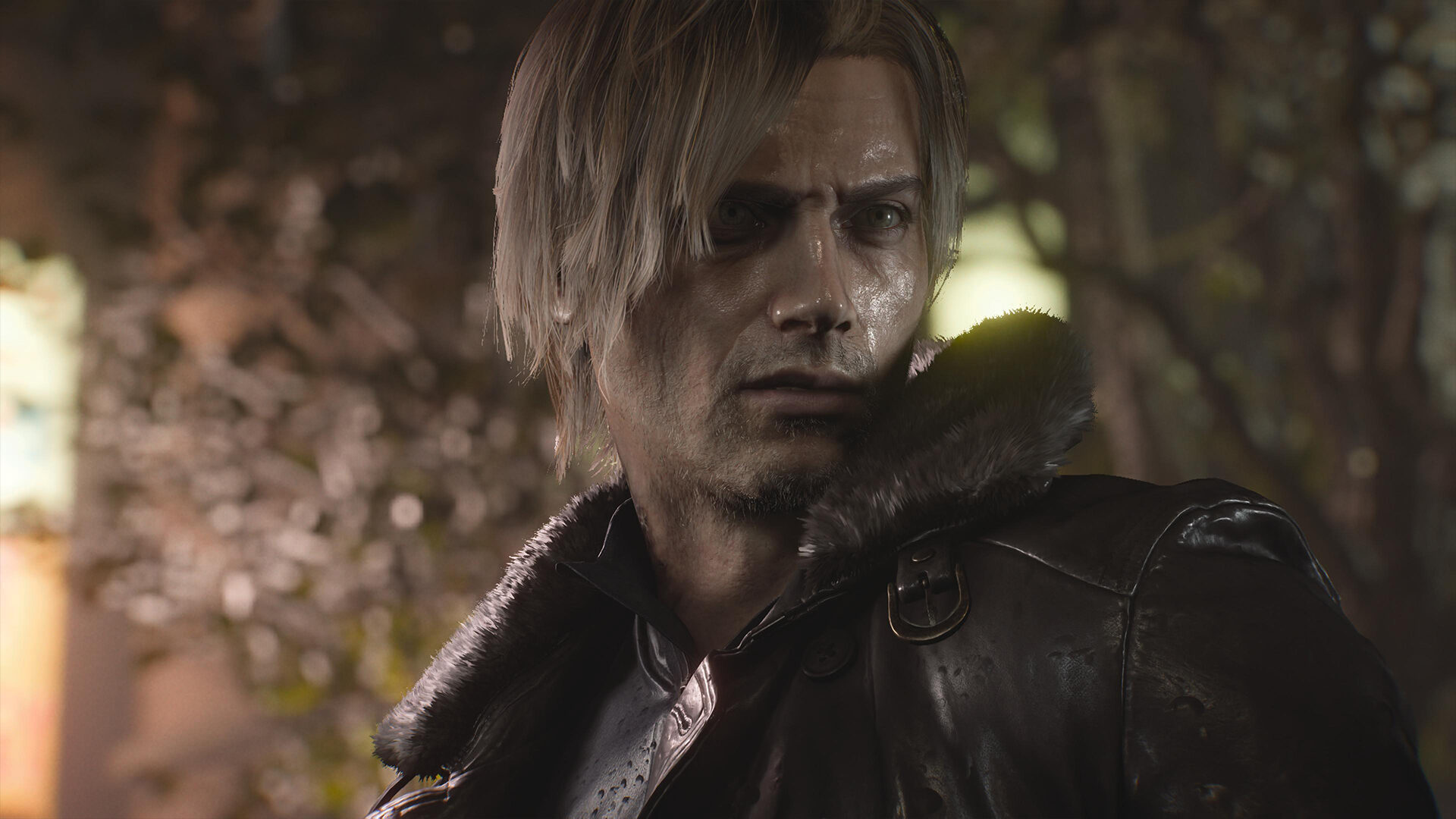
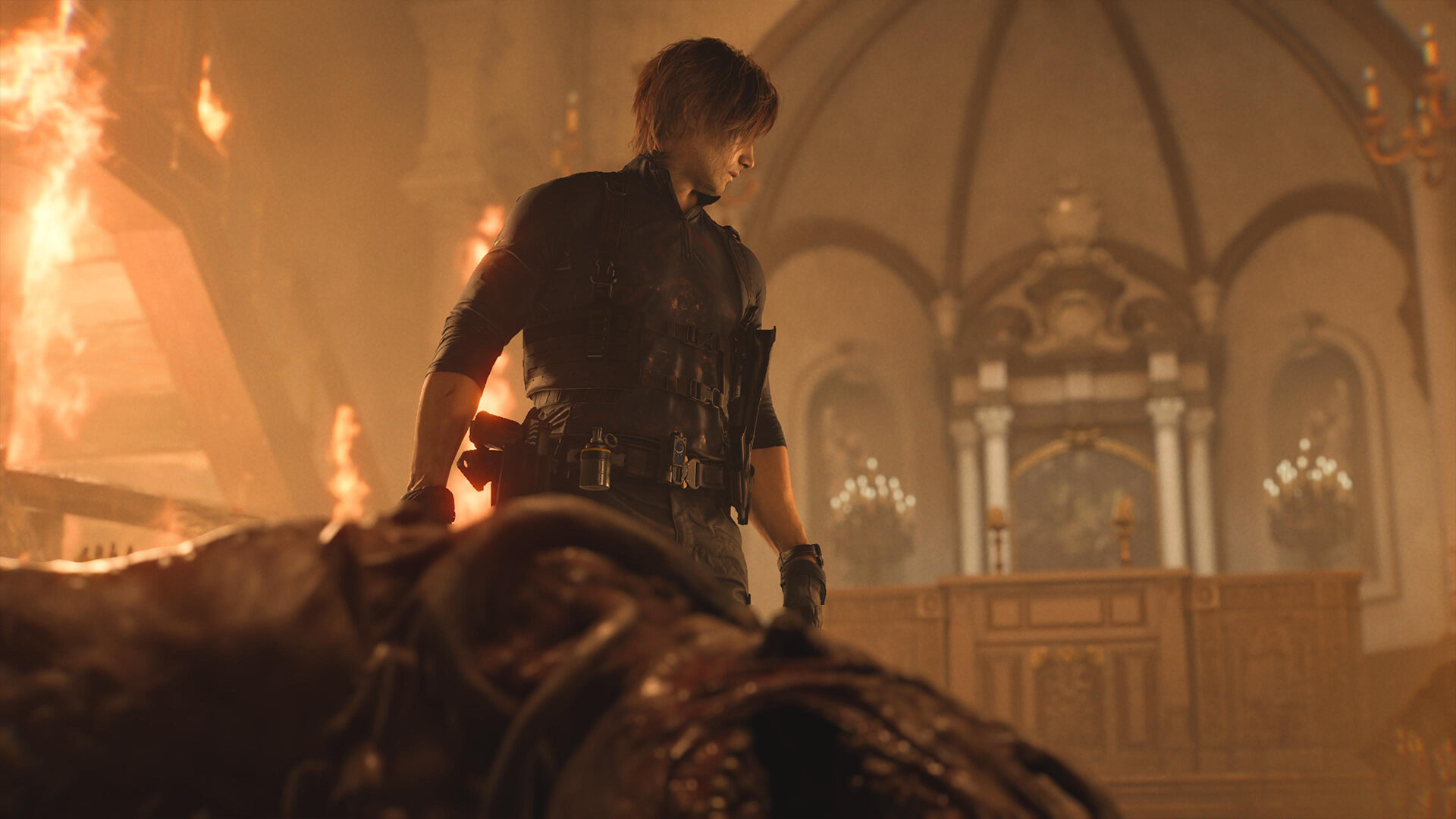
Then there’s Leon S. Kennedy. The man who has been through everything. Rookie cop. Government agent, and don’t forget the Global bioterrorism clean-up crew. In Resident Evil Requiem, he feels older in a way that isn’t just cosmetic. Nick Apostolides plays him with a gruffness and self-awareness that sit underneath the confidence. The one-liners are still there. The cool factor is still intact. You get the sense that he’s tired of watching history repeat itself.
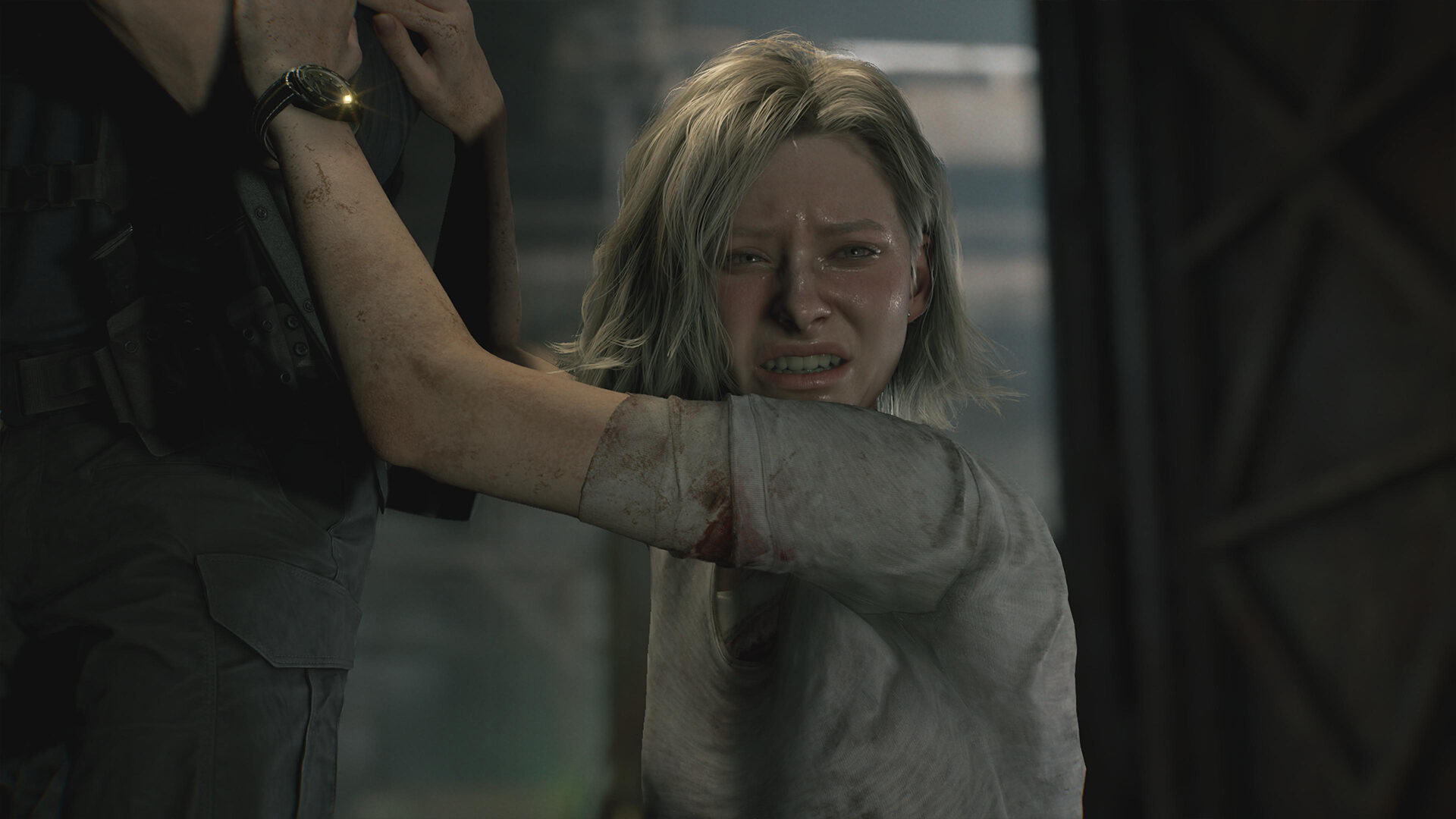
His dynamic with Grace is surprisingly heartfelt. There’s a protective edge to how he interacts with her, but it never feels patronizing. It feels like someone who knows exactly how ugly this world can get and wants to spare someone else from learning the hard way. Their back-and-forth gives the game breathing room. It allows for character moments in between the horror, and those quieter exchanges end up being just as important as any horrific encounter. The gameplay split between the two of them is one of the smartest structural decisions the series has made in years.
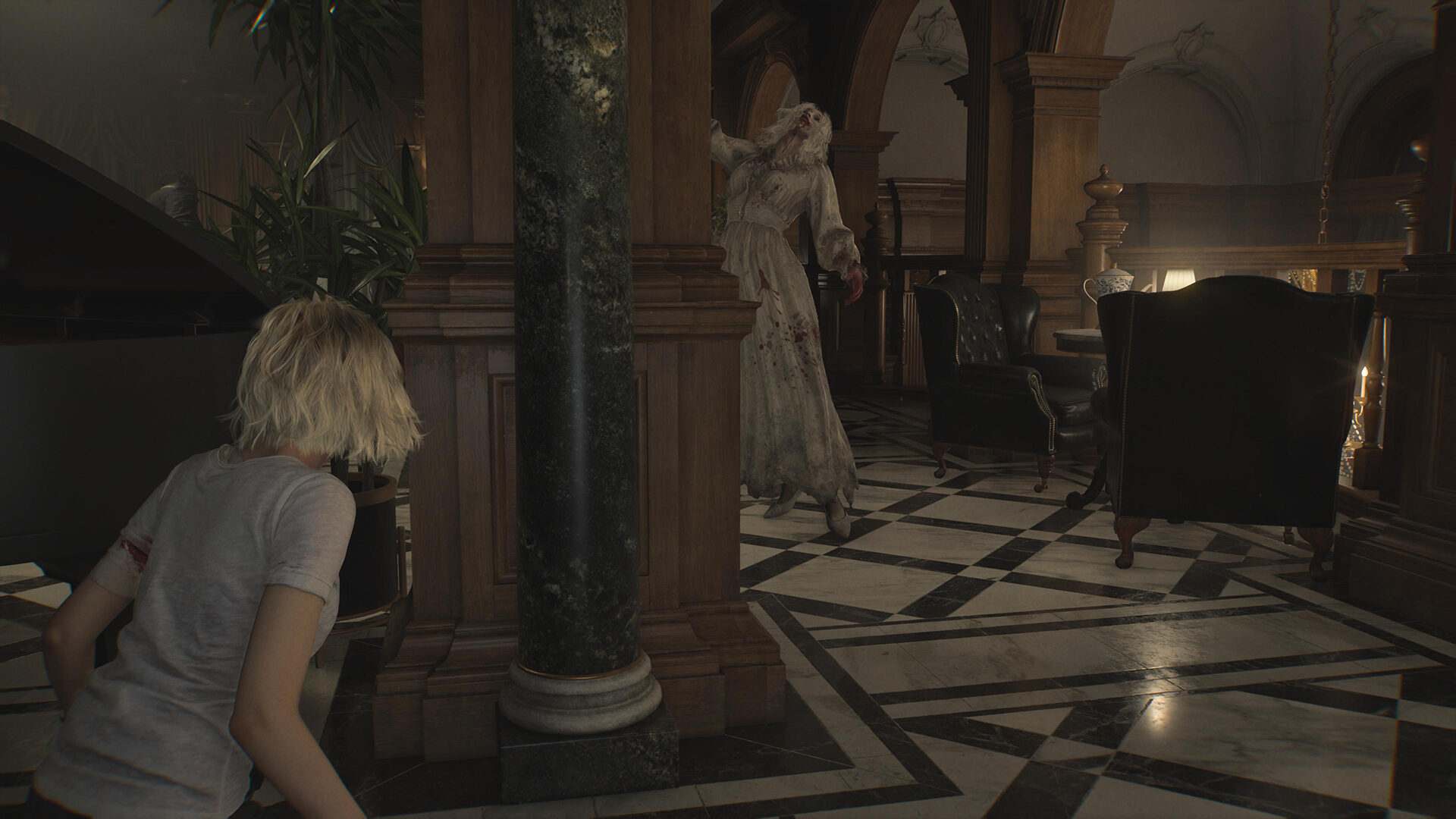
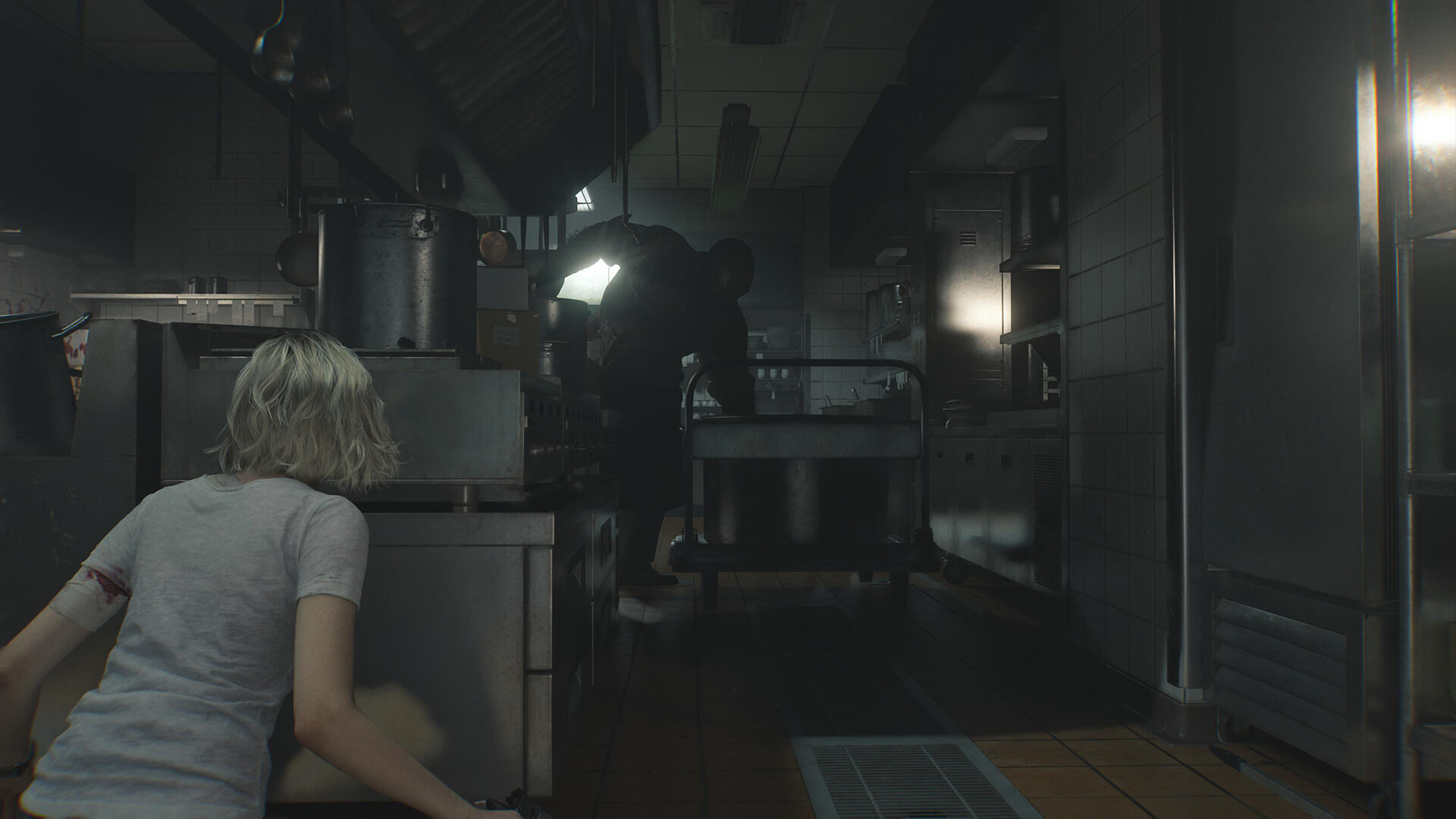
Grace’s sections lean heavily into survival horror. Ammo is scarce. Encounters feel tense rather than empowering. You can hold your own and fight, but you probably shouldn’t unless you have to. Her blood injector crafting system forces actual decisions instead of busywork. Do you spend your limited resources on more bullets, or do you craft an injection that stops a downed zombie from mutating into a more powerful zombie? Using that injection means getting close, which is never comfortable. It adds this layer of risk that keeps every hallway dangerous.
Her segments remind me of why Resident Evil 7 worked so well. The fear is just more personal and plodding. You can hear things sometimes way before you see them, but that adds to the tension in a real way. Being able to play in first and third-person modes on the fly or have default settings for each character is a great way to add to the immersion. I opted for mostly playing in third person, but every time I switched to Grace, I tried my hand at first person.
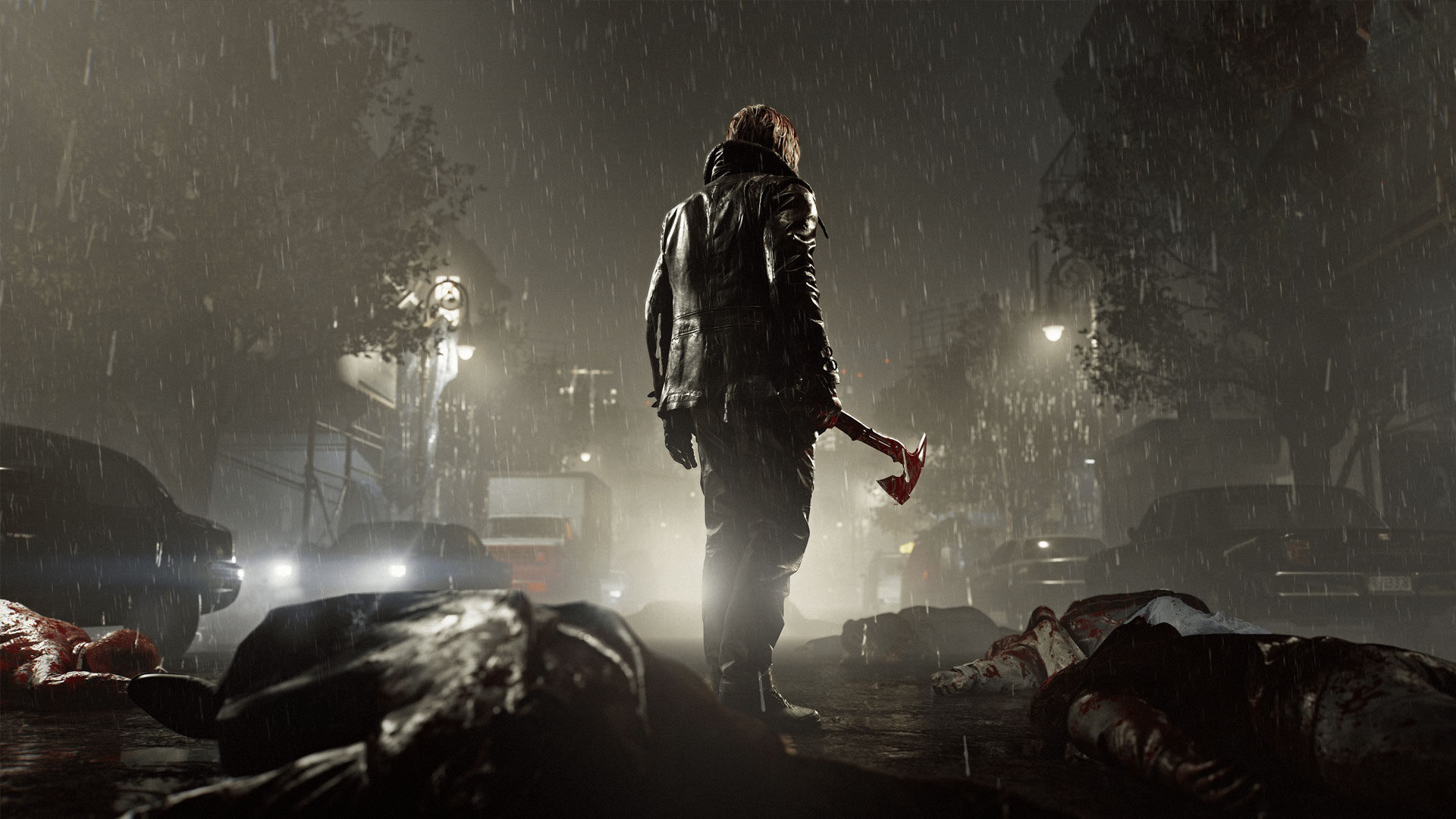
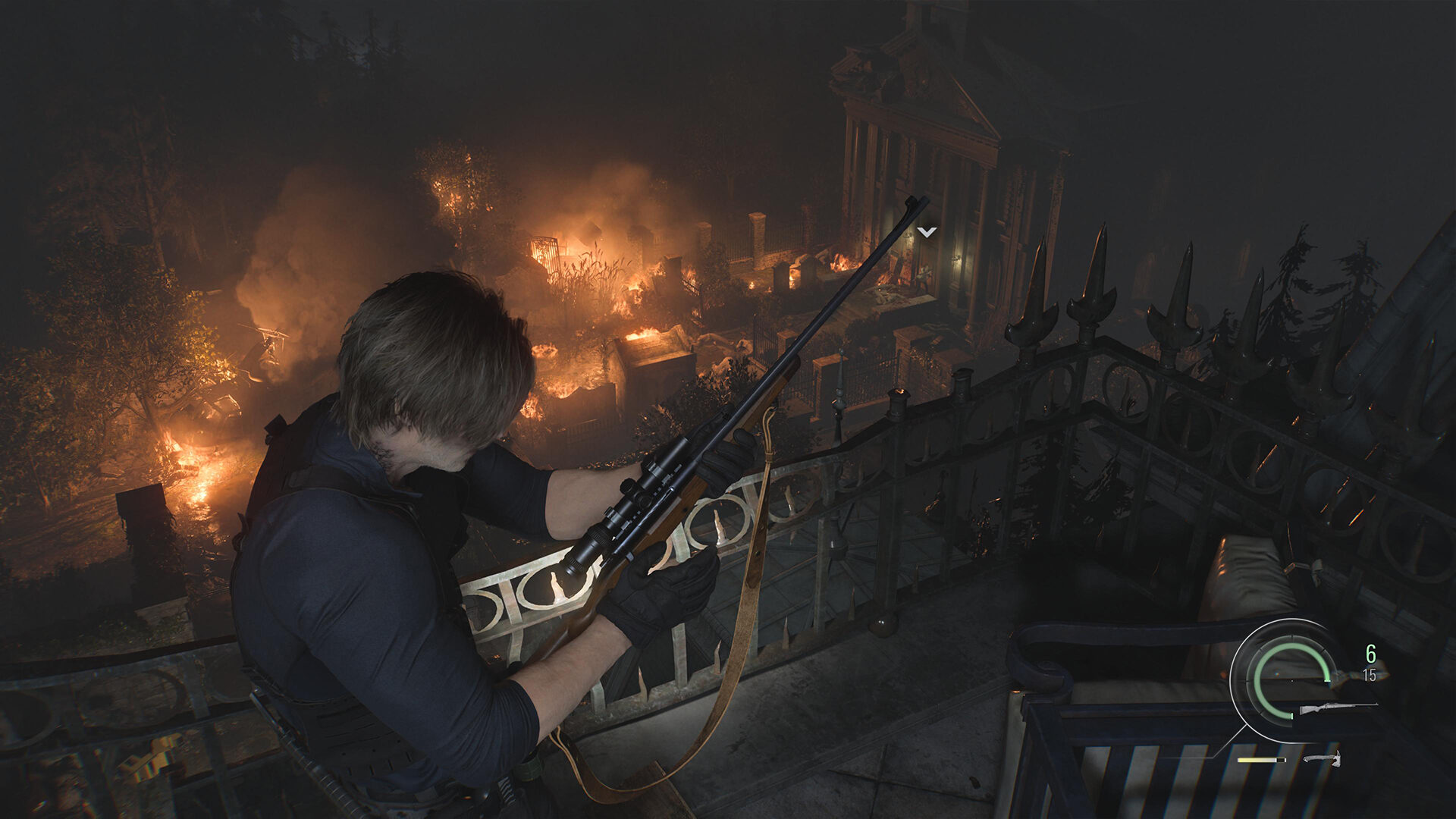
Leon’s sections, on the other hand, are very action-intensive. He can parry. He has access to a variety of weapons. He has an axe that can finish off stunned enemies very quickly. It feels good in a way that scratches that Resident Evil 4 itch without losing the horror entirely. The enemies still hit hard. You can still get overwhelmed. But you feel capable.
The pacing between these styles is what makes Resident Evil Requiem sing. Just when Grace’s vulnerability starts to tighten your nerves to a breaking point, the game hands you Leon and lets you release that tension through precise, confident combat. Then, before you get too comfortable, it pulls you back into uncertainty. It never drags. It never feels repetitive.
The zombies themselves deserve real praise. In early sections of Resident Evil Requiem, they have this humanity factor to them that sells the newly transformed horror. A maid obsessively trying to clean, becoming agitated at the sight of blood. A hotel worker flipping light switches over and over like they’re stuck in a loop. It may not seem like much, but it changes everything. They aren’t just generic infected. They feel like people who were ripped out of their lives mid-routine. That human element makes encounters more unsettling than any grotesque mutation could. But don’t worry, there are those too.
“Resident Evil Requiem doesn’t just stand among the best in the series; it stands as one of the finest horror games ever made.”
Visually, the game is beautiful in a grimy, oppressive way. Lighting does so much heavy lifting, like flickering bulbs. The environments feel lived in and damaged, like places that had stories before you ever stepped into them. This is something Resident Evil has always done incredibly well, but this time it is just on another level. The sound design amplifies that tension. Footsteps echo differently depending on the space. Distant groans feel uncomfortably close. There are stretches where the game is just silent while Grace moves around the world, and it absolutely works.
What sticks with me most, though, is how cohesive everything feels. Nothing is there just to be there. The story feeds into the mechanics. The mechanics reinforce the themes. Legacy, trauma, survival, and consequence are baked into every system. Resident Evil Requiem doesn’t feel like a greatest hits package. It feels like a statement.
By the end, there’s a sense that something has shifted in the Resident Evil universe. Like the franchise finally allowed itself to deal with the emotional fallout of its biggest moment and then chose to move forward instead of circling it forever.
This is survival horror at its absolute peak, a game that honours its past while fearlessly carving out its future. Resident Evil Requiem doesn’t just stand among the best in the series; it stands as one of the finest horror games ever made.
After thirty years, that’s not just impressive. It’s remarkable.

- Resident Evil Requiem will be available in a limited run Deluxe Steelbook Edition featuring the full game, Deluxe Edition contents, and a limited-edition lenticular card exclusive to this release. Deluxe edition featuring the same base game as the Standard edition, plus an exclusive pack of five costumes, four weapon skins, two screen filters, two weapon charms, and more!
- Grace Ashcroft, an FBI intelligence analyst who is introverted and easily scared, representing a new type of character for the Resident Evil series. Grace will experience horror from the same perspective as the player as she learns to overcome her fears throughout the course of the story.