
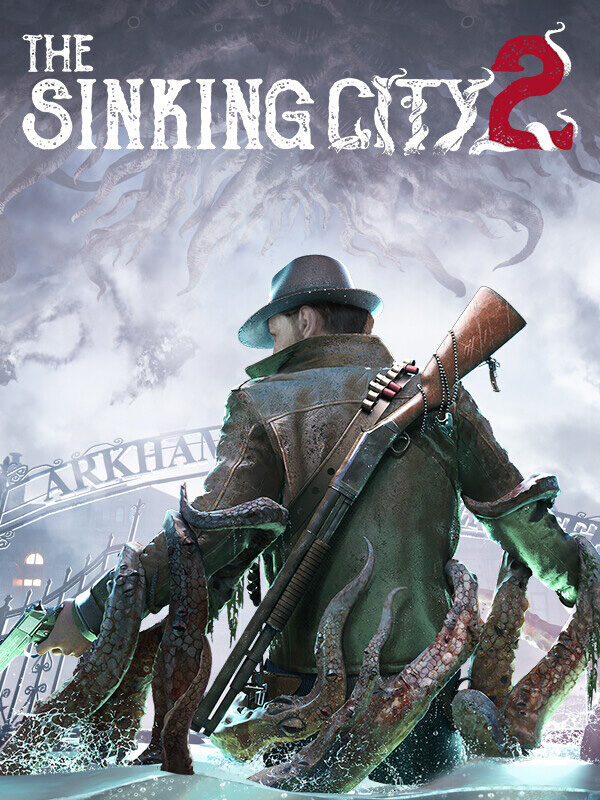

I was really excited to get to fully experience The Sinking City 2 after I had a chance to preview it back in May, because it did leave a really good impression on me, even in two small snippets. Frogwares has come a really long way from its humble beginnings—delivering games that were genuinely inspired, albeit a little janky—and this was looking to be proof positive of that.
Veering in a radically different direction from its predecessor, The Sinking City 2 takes a lot of inspiration from the modern survival horror genre of the mid-2010s, as well as the recent revival as seen with games like the Resident Evil remakes. What it builds is a genuinely solid experience that takes the mythos of the previous game and creates a tense and captivating game around it.
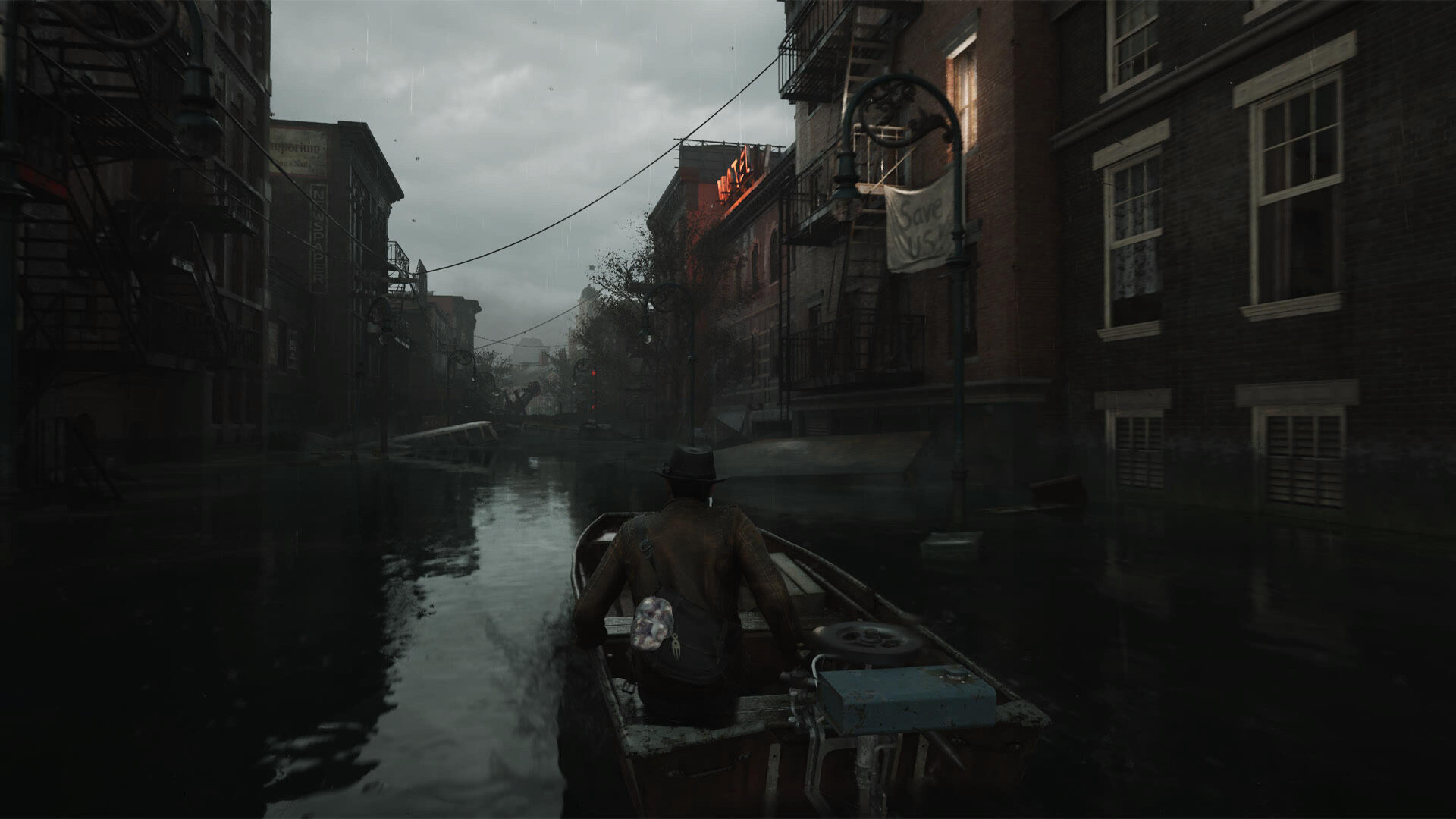
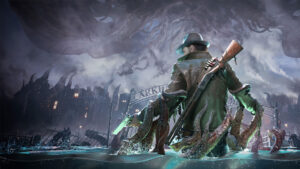
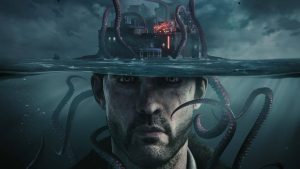
Like I touched on in my preview, players take on the role of occult adventurer/investigator Calvin Rafferty. After an attempt to contact an Old God seemingly goes wrong, the love of his life, Faye Bennet’s soul becomes separated from her body—trapped in what’s known as the Sleeping World. Now Calvin must fight across the city of Arkham, which is slowly being engulfed by a mysterious flood, in order to get the materials he needs to perform a new ritual and save his lost love.
While it’s fairly standard as far as these plots go, what really makes it stand out are the lead characters. Calvin is genuinely really likeable, doing his best version of Leon S. Kennedy and always bordering between roguish and goober. It gets even better when Faye starts actively joining him, talking to him through an enchanted mask. There’s a lot of heart and playfulness to their relationship, and you really get the feeling these two are genuinely in love—despite their occult proclivities.
Similar to what I said in my preview, The Sinking City 2 takes a drastically different approach to its gameplay—eschewing the open-world investigations for a more straightforward survival horror experience. Arkham City has a large open feel to it, as players need to move from point to point on a small motorboat, and areas themselves have a small degree of connectivity that makes otherwise linear levels feel a lot more expansive and dangerous.
And because areas themselves are separated into smaller, more digestible spaces players need to move between, no one level ever really outstays its welcome and makes you feel exhausted rather than afraid. Every time I came to the end of one area and knew I had to press on, I felt a genuine sense of dread for what fresh new horror awaited me, rather than just wishing the terrors would end so I could catch a break.
“And The Sinking City 2 has a great sense of atmosphere that really makes it work as a survival horror experience.”
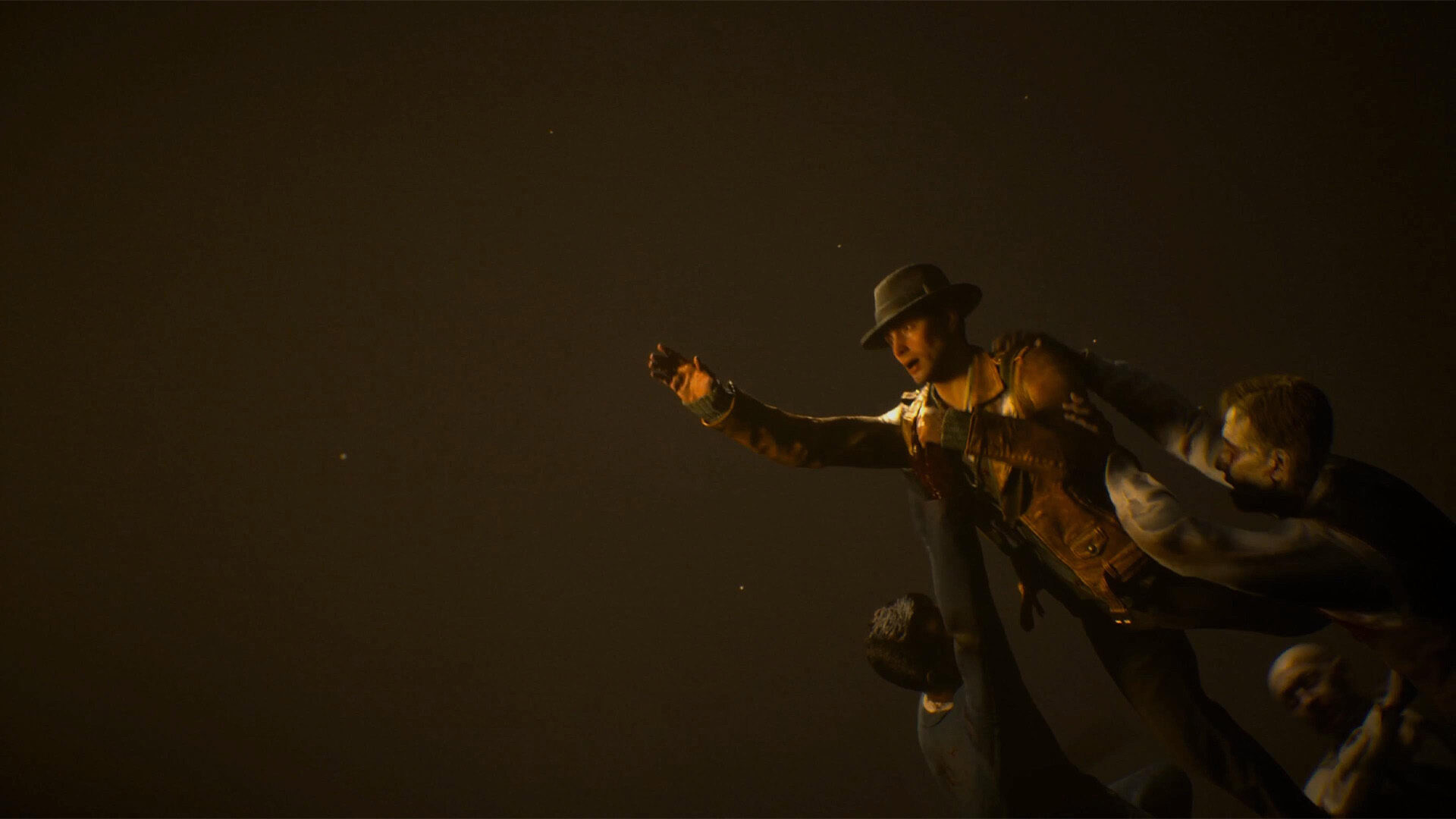
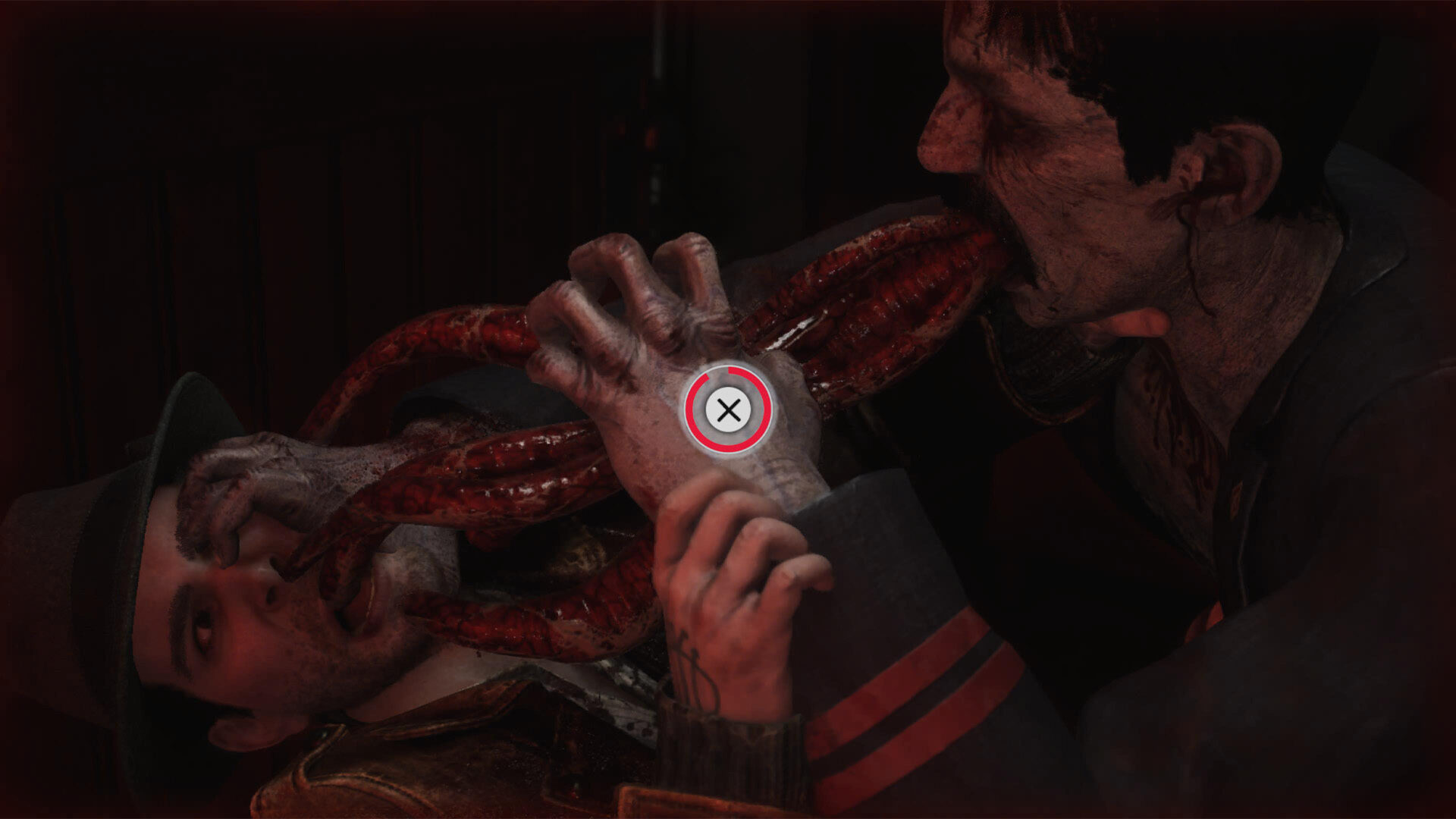
As players explore each area, they’ll need to solve myriad environmental puzzles, as well as fight off the horrifying creatures possessed by “The Slither.” And like I said in my preview, the way The Slither work as these unnerving worms that come from the water, always possessing a sense of imminent threat as they move between dead bodies, creates a sense that you never really feel safe. Even enemies you’ve killed can be reanimated by new Slither; much like the Resident Evil 2 Remake, you’re always a bit on edge.
Not only that, but the puzzle design in The Sinking City 2 is pretty well constructed. While a handful of puzzles do require some rudimentary math skills, it always clearly presents its queries and never withholds information from the player. Not only that, but quite a few side puzzles reward players with upgrades but consistently set up new scenarios for scares, so there’s an added layer of tension to hunting for secrets.
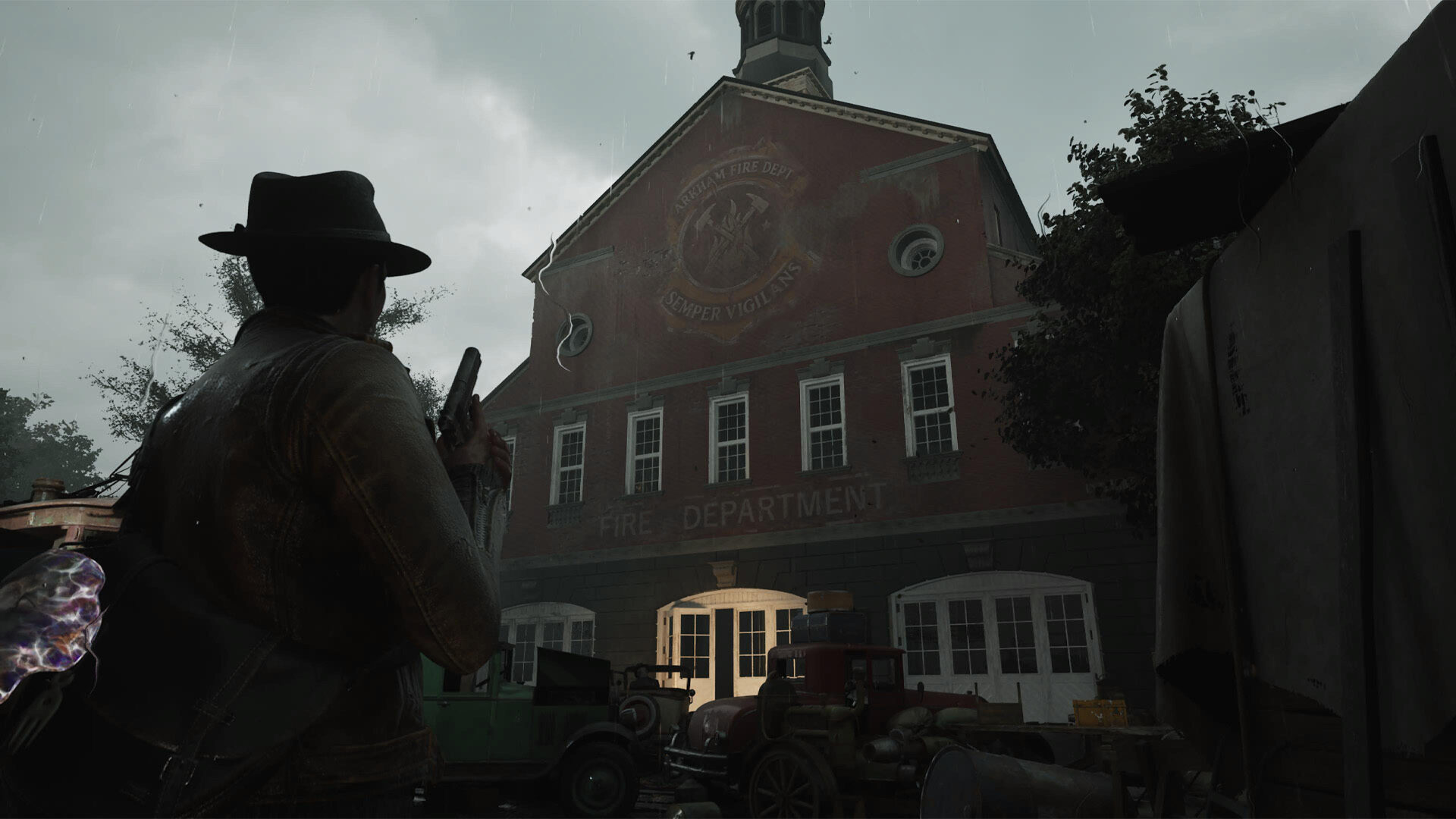
And The Sinking City 2 has a great sense of atmosphere that really makes it work as a survival horror experience. There’s a great sense of tension in every area, a fantastic use of darkness and soundscape that always makes it feel like something’s waiting around the corner. More than a few times, I found myself jumping at (figurative) ghosts when rapid footsteps or weird splashing sounds came from around me, even though no enemies were present.
Although it’s not without a little bit of jank. Dodging isn’t always effective, and aiming can be a little stiff, which can be a problem against the twitchy, sporadic movements of enemies—again, why don’t more games implement Gyro aiming!? Despite this, The Sinking City 2 does make decent use of the DualSense controllers, implementing the haptic feedback in interesting ways and working in the adaptive triggers for solid-feeling aim snap and crunch gunfire.
There was never a moment when I wasn’t enjoying The Sinking City 2. It’s got solid gameplay, an intriguing story, a great sense of atmosphere, and some genuine scares. If you were a fan of the first game, you’d do well to give this one a look for venturing to be different and genuinely sticking the landing.